

Balancing Tourism and Local Life in Mallorca’s Magaluf: The Challenge of Overtourism

Published
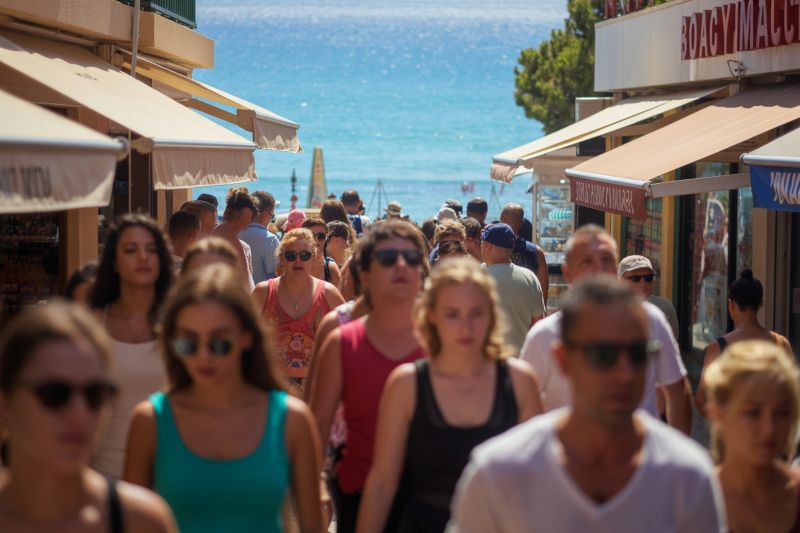 Image generated with Ai
Magaluf, Mallorca has become a focal point for important conversations within the tourism industry, especially with the British travel industry leaders’ annual Abta convention being held there in October 2025. Dubbed the ‘Magaluf is a party zone’ in British holidays, the destination is a perfect example of the industry challenges, especially overtourism. The economic impacts of tourism and balancing the needs of sustainable development for the affected communities is an ongoing discussion in the economic hotspot of Magaluf.
The Calviá sector of Mallorca, especially Magaluf, has become a destination for ‘boozed-up British tourists’ for the UK and Mallorcan tourism industry on the receiving end of that business. Environmental and sociological impacts of tourism on the infrastructure and the population has been and continues to become the core of over tourism discussions from local government and travel businesses.
Magaluf: A Popular Destination Under Scrutiny
Magaluf’s well-known Strip—lined with British pubs, fast food outlets, and cheap drink promotions—has long been a draw for tourists seeking sun, sea, and nightlife. During the Golden Week and other busy holiday periods, Magaluf becomes a hub for partying tourists, with local establishments offering discounted cocktails and late-night entertainment. However, as the tourism industry adapts, there are concerns over the sustainability of this kind of tourism model.
Local residents and businesses in Mallorca have voiced their frustrations with the crowds, noise, and disruption caused by mass tourism. The protests against overtourism have grown louder, with some locals marching through the capital Palma in June 2025 to demand changes. At the same time, businesses rely heavily on tourism for revenue, and Magaluf remains an essential part of Mallorca’s tourism economy, attracting thousands of visitors each year.
Advertisement
Advertisement
The Abta Conference: A Platform for Discussion
The Abta convention brought together more than 14 major UK travel operators to discuss current trends in the tourism industry. The event centered around overtourism, offering a platform for experts to debate the future of destinations like Magaluf and explore how to implement sustainable tourism practices. With the rising demand for eco-friendly travel, the debate is not just about reducing numbers but reshaping the way destinations engage with visitors.
During the conference, it became clear that while tourism revenue is essential for the economy, the long-term viability of areas like Magaluf depends on how they balance tourist volume with environmental impact and local culture. Tourism professionals discussed the importance of diversifying visitor types, focusing on quality over quantity, and offering cultural and heritage tourism as alternatives to mass-market beach holidays.
Advertisement
Advertisement
The Economic Impact of Tourism on Mallorca
Mallorca is a major economic driver for Spain, and tourism plays a central role in the island’s financial success. In 2024, the island saw over 18 million visitors, many of whom came from the UK. The Calviá region, including Magaluf, remains one of the busiest areas, known for its all-inclusive resorts and lively nightlife. Tourism accounts for a large portion of the region’s economic output, with a significant number of businesses relying on seasonal visitors to generate their annual income.
However, the focus on attracting large numbers of visitors has raised concerns about the quality of life for locals. In Magaluf, the contrast between daytime serenity and nighttime chaos often creates tension. During busy periods, the once-peaceful streets can become filled with crowds, noise, and litter, affecting the daily lives of residents. Balancing the interests of tourism businesses and local communities remains a delicate issue.
Advertisement
Advertisement
Shifting Focus to Sustainable Tourism
One of the key takeaways from the Abta conference was the importance of promoting sustainable tourism. According to industry experts, tourism should not just focus on attracting as many visitors as possible but should aim to enhance the quality of experiences for both visitors and locals. Sustainable tourism includes fostering respect for local culture, reducing environmental impact, and diversifying the types of tourists that a destination attracts.
Diversification of Mallorca’s Tourism Offering
In response to the challenges posed by overtourism, Mallorca has started focusing on diversification in its tourism strategy. Instead of solely promoting beach resorts and party destinations, the island is now encouraging tourists to explore its cultural attractions, natural beauty, and genuine local experiences. The rise of eco-tourism and slow travel is beginning to shift the spotlight toward a more balanced and sustainable approach.
For example, the island’s efforts to promote inland destinations, such as the historic town of Sóller or the mountainous regions of Serra de Tramuntana, are now part of a broader strategy to relieve pressure on heavily touristed areas like Magaluf. The inclusion of “astrotourism” (stargazing) and “oleo-tourism” (olive oil tourism) in marketing campaigns offers tourists alternative activities that are in tune with Mallorca’s local heritage and environment.
The Future of Magaluf: Shaping a New Image
While Magaluf will likely continue to draw large crowds due to its popularity with party tourists, the region is slowly evolving. Local authorities are working to improve infrastructure, clean up beaches, and promote higher-end hotels. Magaluf has seen significant investments aimed at repositioning the area to attract a more discerning clientele, with a focus on cultural events such as literary festivals and art exhibitions.
Advertisement
Advertisement
This shift towards a more upmarket tourism model aligns with the broader goals of the Spanish tourism sector to enhance the quality and diversity of the tourist experience. By attracting cultural tourists, nature lovers, and those seeking a more relaxed environment, Magaluf hopes to strike a balance between maintaining its party reputation and offering more sophisticated experiences.
The Road Ahead for Tourism in Mallorca
The debate concerning overtourism, especially in Magaluf, is still one of the foremost discussions when it comes to the stakeholders in the tourism sector as well as the tourism communities. Although the positive economic impact is hard to ignore, destinations like Magaluf will only continue to succeed if they integrate overtourism in a more positive fashion and promote a more diverse product to the different segments of visitors. Adaptation will guarantee the tourism sector of Mallorca positive sustainability.
Advertisement
