
Barcelona, Spain: World’s Most Crowded Tourist Spot Now Faces Growing ‘Tourismphobia’ Amid Overtourism and Rising Local Tensions

Published
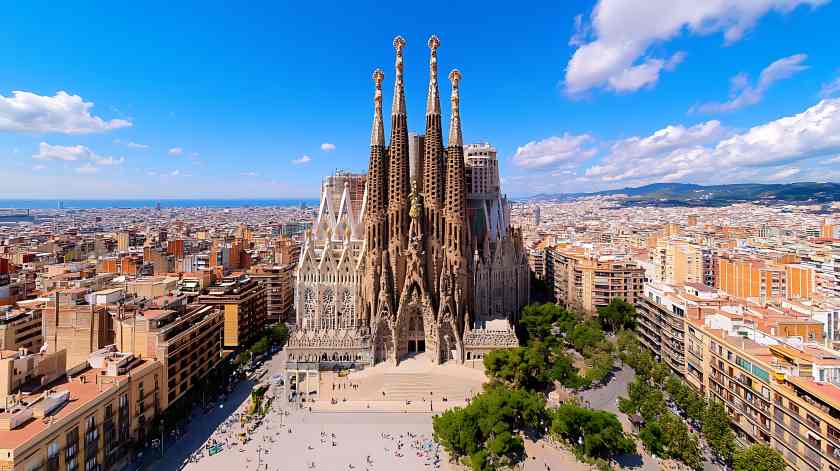 Image generated with Ai
Barcelona has officially emerged as the world’s busiest tourism center in 2025, a Nomad eSIM survey has unveiled. Popularity of this city reaches a whopping 20.37 million tourists annually, with its popularity ranking above legendary sights like China’s Great Wall and even Rome’s ancient Colosseum. Barcelona’s tourism concentration at 201,722 per square kilometre overwhelms even other tourism giants like Cancun (147,887) and New York (137,712). But as this massive tourism inflow generates economic benefits, it also raises a growing sense of concern amidst citizens, with tourismphobia – strong dislike of overtourism on an uptick.
The attraction of Barcelona is undeniable, but the increasing number of tourists visiting the city has led to overcrowded streets, rising prices, and a strained relationship between locals and visitors. Tourismphobia in Barcelona is a reflection of the broader discomfort many residents feel as their city becomes swarmed with tourists, impacting their daily lives, neighborhood dynamics, and the overall cultural identity of the city.
The Growing Problem of Overtourism in Barcelona
Barcelona’s tourism boom has brought significant economic benefits to the city, but at a cost. The high density of visitors in key tourist hotspots like Sagrada Familia, La Rambla, and Barri Gòtic has created a set of challenges that go beyond the visible crowds. Local residents have voiced concerns over the erosion of Barcelona’s cultural identity and the negative social impacts of overtourism.
Advertisement
Advertisement
According to local reports, many residents are avoiding tourist-heavy areas like Plaça Catalunya, Passeig de Gràcia, and the beach, seeking to preserve their sense of space and tranquility. A significant number of locals have started to take longer routes to avoid these areas, pushing for policy changes to reduce the pressure on these popular zones. The city’s housing market has also been impacted, as unregulated tourist rentals continue to dominate the landscape, displacing residents and driving up property prices.
Experts have highlighted that while Spain may not yet be in a full-blown crisis, the intensity of tourism in Barcelona’s historic center remains a point of friction. The popularity of Airbnb and other short-term rental platforms has intensified this issue, contributing to the displacement of local communities. In 2025, protests erupted across the city as residents called for better regulation of tourism and policies that support local businesses being squeezed out by mass tourism.
Advertisement
Advertisement
The Impact of Overtourism: Strained Infrastructure and Rising Costs
The consequences of overtourism in Barcelona are clear, with both visible and hidden effects. On the surface, overloaded infrastructure has led to long queues, slower traffic, and restricted access to major attractions. The noise levels have risen, and the increase in demand has caused prices to skyrocket, putting pressure on both locals and tourists.
An Evaneos survey found that 40% of residents in holiday towns like Barcelona believe that tourist apartments are pushing out locals, leading to a decline in the availability of affordable housing. The city’s neighborhoods have become increasingly commercialized, losing their authentic charm in the face of constant tourist traffic. Additionally, noise pollution and waste accumulation are making life difficult for residents, as the increased tourist numbers put an unprecedented strain on local infrastructure.
Advertisement
Advertisement
Beyond these visible disruptions, there is a less apparent but equally worrying trend: the erosion of cultural identity. As the city’s streets become more crowded with international tourists, local customs and the city’s traditional atmosphere are being overshadowed by commercialized tourism. This shift is causing concern among long-time residents, who fear the loss of Barcelona’s character in the rush to cater to tourists.
The Positive Side of Tourism: Economic Growth and Cultural Exchange
Despite the challenges, tourism in Barcelona continues to be a major driver of the city’s economy. Turespaña, the official tourism agency of Spain, reported that tourism employment in Spain increased by 2.9 million by April 2025, with nearly 100,000 new jobs created in the sector. Additionally, the cultural and social exchange facilitated by the influx of visitors is valuable in promoting global understanding and supporting the hospitality industry.
One of the benefits of tourism is that it helps fund the local economy, creating jobs in sectors such as hospitality, food services, and transportation. For businesses in Barcelona, the presence of international travelers creates economic opportunities, though this needs to be balanced with local needs.
Shifting Travel Trends: Moving Towards Less Crowded Destinations
As travel trends evolve, more and more post-pandemic travelers are actively seeking less crowded tourist spots. According to a Simon-Kucher study on Travel Trends 2025, 29% of travelers in Spain have changed or canceled plans due to overtourism, with 63% now preferring to avoid busy destinations in favor of more serene locales. Similar trends are seen in France, where 69% of travelers avoid destinations overwhelmed by tourists.
This shift in travel preferences is prompting a reconsideration of how popular destinations like Barcelona manage tourism. Cities worldwide are starting to embrace the idea of tourism sustainability, balancing economic benefits with quality of life for locals and minimizing the negative impact of mass tourism.
Conclusion: Finding Balance in Barcelona’s Tourism
As Barcelona continues to be one of the world’s most visited cities, addressing the challenges of overtourism and tourismphobia remains critical for its long-term success. While tourism brings significant economic benefits, it is vital for the city to find solutions that protect its cultural heritage and improve the quality of life for its residents.
In combating overtourism, Barcelona must find original solutions, including enhanced short-term rent control, environmentally sustainable travel policy, and policies reducing tourism’s negative impacts on the environment. Barcelona’s tourism future will revolve around its ability to manage these stresses and maintain the city as a vital and welcoming place for tourists and citizens alike.
(Sources: Barcelona Tourism Office, Turespaña, Evaneos)
Advertisement
