
Switzerland Aligns With France And More Unlocks Alpine Tourism Across Continental Financial Hubs

Published
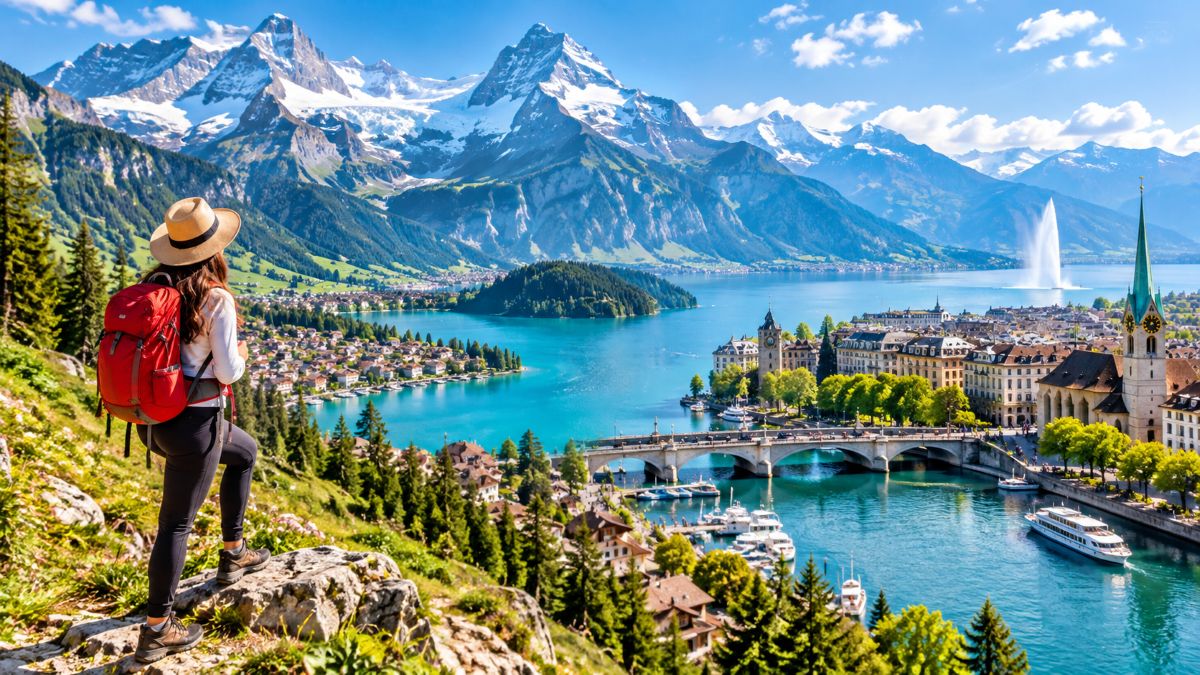
Image generated with Ai
The Alpine corridors linking Switzerland and France are experiencing an unprecedented revival in luxury transit, sustainable rail integration, and leisure tourism, buoyed by stabilizing European financial markets. As sovereign debt markets settle and global equity indices regain footing ahead of decisive employment reports, high-net-worth travellers and cross-border holidaymakers are capitalising on renewed economic confidence across Zurich, Geneva, and Paris. This cross-border alignment between Swiss transport authorities and French regional operators introduces streamlined rail tariffs, direct panoramic services, and inter-city connections tailored specifically for business travellers extending their stays into the high Alps.
With the Stoxx Europe 600 climbing alongside tech-sector recoveries and regional currencies finding solid ground, international visitors are finding added value in multi-destination itineraries that span the Jura Mountains and the Mont Blanc massif. The convergence of fiscal stability, reduced fuel volatility, and modern railway infrastructure allows holidaymakers to navigate seamlessly from cosmopolitan corporate districts directly into remote mountain sanctuaries. This strategic union delivers a long-awaited logistical breakthrough for luxury travellers seeking eco-friendly alternatives to regional aviation, transforming seasonal leisure transit into a coherent continental journey.
Regional Connectivity And The New Era Of Alpine Rail Journeys
The joint expansion of high-speed Lyria and regional Léman Express networks represents a profound shift in how international visitors experience Western Europe. By synchronising departure timetables between Zurich Hauptbahnhof, Paris Gare de Lyon, and Geneva, transport authorities have eliminated longstanding friction points for transcontinental passengers. Holidaymakers can now board modern high-speed rolling stock in urban financial capitals and arrive at prime ski resorts and mountain hiking valleys in a fraction of the time required by traditional road transport.
This infrastructure synchronisation arrives at an optimal moment for European travel trade operators who report expanding demand for regenerative, low-carbon itineraries. Travellers no longer view transport merely as a logistical necessity; instead, the scenic rail passage through the Vaudois countryside, along the shores of Lake Geneva, and into the shadow of the French Haute-Savoie peaks serves as a centrepiece of the travel experience. Cross-border ticketing initiatives also permit spontaneous stopovers in cultural capitals like Lausanne and Annecy, revitalising local hospitality economies along previously overlooked transit routes.
Advertisement
Advertisement
Economic Resilience Across Continental Travel Markets
The recovery in equity markets and broader corporate earnings optimism have established a secure foundation for premium leisure spending across central European destinations. With currency trading stabilizing between the euro, the Swiss franc, and the pound sterling, overseas tourists enjoy predictable pricing across hospitality sectors that previously suffered from volatile exchange rates. The resurgence of business-leisure travel, where corporate executives combine metropolitan commitments with extended Alpine excursions, provides year-round occupancy for luxury boutique properties, wellness retreats, and heritage hotels.
Tourism expenditure trends reflect shifting priorities among international travellers who demand greater sustainability without sacrificing comfort or punctuality. Hospitality operators in both Switzerland and France have responded with unified booking portals that bundle private rail transfers, panoramic cable car excursions, and boutique vineyard tours in surrounding valleys. This unified commercial approach guarantees that the financial benefits generated in corporate hubs radiate outward into independent mountain communities, supporting regional agriculture, historic artisan trades, and seasonal guiding services.
Advertisement
Advertisement
| Route Connection | Operator Network | Transit Duration | Key Scenic Highlight | Target Traveller Segment |
|---|---|---|---|---|
| Zurich to Paris via Basel | TGV Lyria | 4 Hours 04 Minutes | Jura Mountain Foothills | Corporate and Leisure Mix |
| Geneva to Chamonix | Léman Express Rail Link | 1 Hour 35 Minutes | Arve Valley Mountain Range | Alpine Sports and Hiking |
| Lausanne to Lyon Perrache | SNCF Swiss Partner Rail | 2 Hours 15 Minutes | Lake Geneva Shoreline | Gastronomy and Cultural |
| Bern to Strasbourg | Regional InterCity Link | 2 Hours 45 Minutes | Upper Rhine Plain | Architectural and Heritage |
Elevating Sustainable Hospitality In Mountain Landscapes
The commercial collaboration between Swiss and French travel boards extends well beyond transport logistics into shared environmental standards for regional hospitality providers. Premium alpine resorts are increasingly operating under rigorous ecological certifications that govern energy generation, water stewardship, and local food procurement. High-altitude ski hubs and tranquil lakeside spa resorts are utilizing district heating powered by geothermal springs and wood chips from surrounding managed forests, establishing a new global benchmark for responsible tourism development.
Travellers exploring this joined territory gain access to world-class hospitality venues that celebrate regional culinary traditions alongside modern culinary craft. From lakeside terraces in Montreux serving locally harvested perch to secluded French Alpine chalets showcasing Savoyard cheeses and biodynamic wines, tourism businesses are focusing heavily on authentic provenance. This thoughtful integration of agricultural preservation and visitor engagement protects fragile highland environments while delivering genuine cultural immersion for conscious global guests.
Advertisement
Advertisement
Seasonal Transformations And Cross-Border Cultural Discoveries
The harmonization of border transit routes has effectively dissolved seasonal bottlenecks, turning the border region into an appealing four-season destination. During the transitional autumn and spring seasons, when traditional high-altitude winter tourism tapers off, cultural itineraries step forward to sustain visitor numbers. The vibrant museum circuits of Basel and Zurich seamlessly complement the world-class galleries of Paris and Lyon, allowing travellers to construct diverse itineraries that celebrate modern architecture, classical fine art, and contemporary watchmaking workshops nestled across the Jura valleys.
As high-altitude winter sports give way to summertime alpine hiking, trail running, and sailing on Lake Geneva, joint regional marketing campaigns ensure continuous international interest. The interconnected mountain bike circuits and interconnected cross-country ski trails spanning the Portes du Soleil demonstrate how natural boundaries fade when destination managers collaborate with shared vision. This forward-looking operational integration provides international tourists with unprecedented freedom to explore varied linguistic and culinary cultures across neighbouring European landscapes under a single, seamless travel umbrella.
Frequently Asked Questions
How does the rail partnership simplify journeys between Swiss and French destinations? Unified scheduling and joint rail operations reduce transfer times and allow passengers to travel directly between Swiss cities and French alpine areas on a single booking platform.
What currency should travellers carry when visiting both Switzerland and France? France uses the euro, whereas Switzerland uses the Swiss franc; however, contactless international debit and credit cards are universally accepted across hospitality venues, transit systems, and restaurants in both countries.
Advertisement
Advertisement
Are there dedicated panoramic trains operating across the Swiss-French border? While iconic panoramic routes like the Glacier Express operate entirely within Switzerland, regional express links like the Mont-Blanc Express and Léman Express offer floor-to-ceiling scenic windows through spectacular cross-border mountain valleys.
Do visitors need separate transit visas when crossing between Switzerland and France? Both Switzerland and France belong to the Schengen Area, meaning eligible international visitors and tourists can move freely across the border without routine passport control checks.
What is the best time of year to undertake a combined Swiss and French alpine tour? Winter between December and March offers world-class skiing, while late spring through early autumn between May and October provides optimal conditions for hiking, lake excursions, and cultural touring.
How are Swiss and French resorts addressing environmental sustainability? Resorts across both nations are investing heavily in carbon-neutral rail transit, zero-emission electric village shuttles, solar energy capture, and locally sourced agricultural supply chains.
Can business travellers easily combine corporate meetings with alpine recreation? High-speed rail links and pervasive high-speed mobile connectivity make it straightforward to work from cosmopolitan hubs like Zurich or Geneva before reaching mountain resorts in under two hours.
Are regional rail passes available for unlimited travel between both countries? Yes, multi-country Eurail passes and regional border transit passes cover both national railway systems, offering cost-effective, flexible boarding across participating lines.
Advertisement
Advertisement
What cultural highlights can visitors combine with mountain excursions? Travellers can easily pair internationally renowned art museums in Basel, Zurich, and Paris with private tours of traditional watchmaking workshops in the Jura and historic vineyards bordering Lake Geneva.
How does economic stability in European markets impact regional travel costs? A stable euro and Swiss franc minimise unexpected currency fluctuations, allowing overseas holidaymakers to secure predictable advance pricing for transport, accommodation, and curated leisure experiences.
Advertisement
