
Bali & Nusa Penida Festivals: A Traveler’s Guide to Sacred Ceremonies

Published
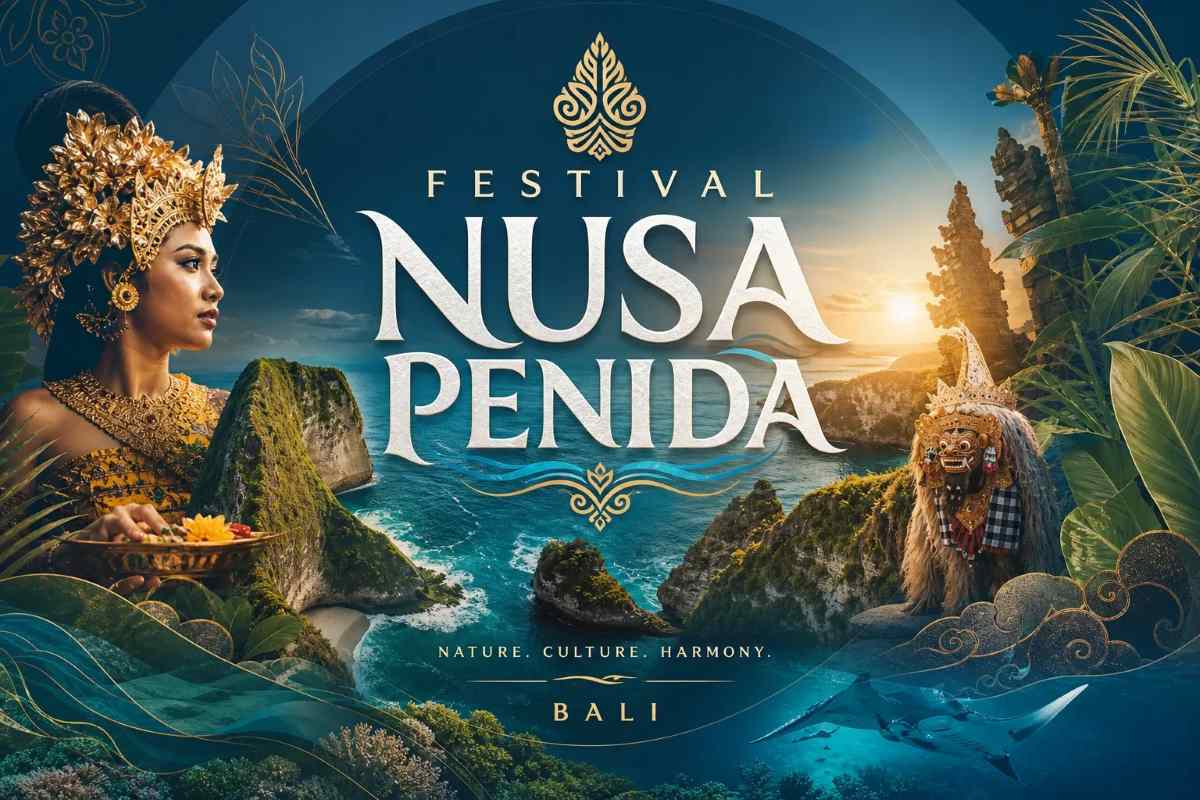
The cultural framework of Bali and Nusa Penida is deeply anchored in ancient spiritual traditions, where daily existence is continuously shaped by religious observances. Celebrations and ceremonies in Bali and Nusa Penida serve as the cornerstone of community life, functioning to maintain cosmic harmony between humanity, nature, and the divine realm. Guided primarily by the Balinese pawukon and lunar Saka calendars, these sacred events occur throughout the year with remarkable frequency. Sacred spaces, including hundreds of intricately carved stone temples such as Girt Putri Cave Temple and Paluang Temple, are distributed across the landscape to act as spiritual protectors. Rituals accompany every stage of human life, ranging from early infancy rites to elaborate cremation ceremonies. Furthermore, major religious holidays are observed with great fervor, marking pivotal cosmic transitions, seasonal changes, and historical victories of righteousness over malevolent forces.
Impact on Travellers
Foreign and domestic visitors arriving in the region experience a profound immersion into a living, breathing tradition that dictates local rhythms. During major holy periods, the physical landscape transforms dramatically; streets become lined with towering bamboo poles decorated with coconut leaves, and intricate daily offerings composed of flowers, fruit, and incense are placed outside thresholds. While these vibrant displays offer unique sightseeing and photography opportunities, specific logistical adjustments are required for outsiders. For instance, during the annual Day of Silence, all normal commercial activities, transport operations, and outdoor movements are strictly suspended across the islands. Consequently, travelers must plan itineraries carefully, stock essential supplies in advance, and maintain respectful behaviors, such as dressing modestly, avoiding physical contact with sacred offerings, and observing quiet decorum during temple gatherings.
Advertisement
Advertisement
Industry Insights
Local tourism stakeholders and regional authorities recognize that cultural preservation remains intricately linked to the economic viability of the area. Cultural tourism is actively promoted through structured events like the annual Nusa Penida Festival, which integrates traditional music, indigenous dance forms, and culinary showcases with marine conservation efforts. Industry analysts note that these large-scale public gatherings help distribute visitor flows away from overcrowded coastal viewpoints into community-driven sectors. At the same time, hospitality providers face operational challenges during peak ceremonial windows. High demand for local transport, sudden adjustments to fast-boat schedules, and temporary closures of standard tourist venues require careful coordination between tour operators, accommodation managers, and regional governance bodies to ensure sustainable tourism management.
Practical Information
Visitors planning an expedition to witness these traditional festivities are advised to adhere to several foundational guidelines. Respectful attire, including the wearing of a traditional sarong and sash, is mandatory when entering any sacred compound. Cash reserves should be maintained, as automated teller machines on smaller islands are limited and prone to depletion during high-traffic holiday periods. Fast-boat tickets connecting the mainland to local ports must be secured well ahead of time, and sea conditions should be monitored carefully due to potential swells. Furthermore, hiring licensed local drivers or pre-arranged scooter rentals is strongly recommended, given that local infrastructure features rugged terrain that demands experienced navigation.
Advertisement
Advertisement
Comparison with Previous Policies or Developments
Historical management of cultural tourism in the region relied heavily on unstructured visitor participation, which occasionally led to unintentional disruptions of sacred rites. Previous regulatory approaches lacked comprehensive coordination between rapid island development and the preservation of indigenous heritage sites. In response to these historical oversights, modern regional policies have shifted toward structured community involvement and sustainable tourism frameworks. Contemporary guidelines actively emphasize the protection of sacred architecture, the regulation of commercial activities during high holy days, and the formal promotion of indigenous assets—such as traditional hand-woven textiles and endemic agricultural practices—ensuring that modern commercial expansion does not compromise the authenticity of ancient traditions.
Image Credits- https://islandsevents.com/island/bali/festival-nusa-penida-2026
Advertisement
