
Croatia Overtakes Bulgaria, Greece and Italy to Rank as the Most Seasonal EU Tourism Market as Summer Holiday Bookings Explode

Published
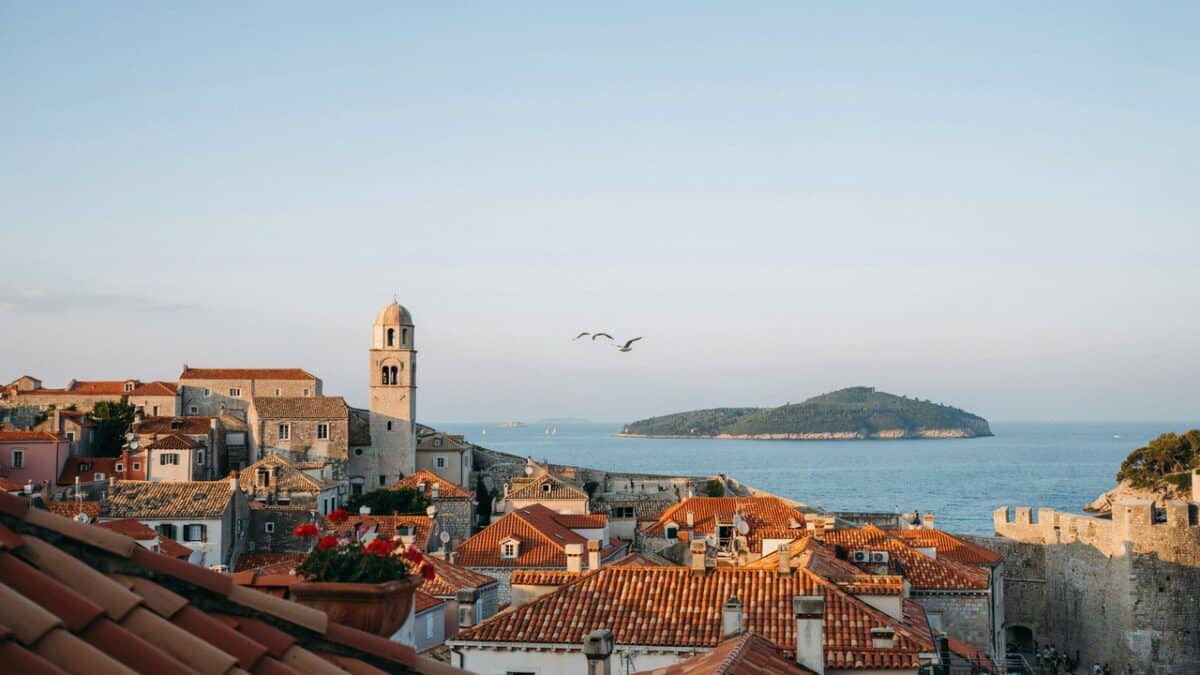
Think your favorite summer holiday spot is busy? Croatia overtakes Bulgaria, Greece and Italy to rank as the most seasonal EU tourism market as summer holiday bookings explode. Fresh travel data confirms that the breathtaking Adriatic jewel is officially experiencing Europe’s most intense, jaw-dropping summer rush. Millions of sun-seekers are currently flooding coastal resorts, leaving other Mediterranean giants far behind in peak-season volume. Consequently, this unprecedented travel boom is completely rewriting the rules of European tourism. If you plan to visit this sun-drenched paradise, you must brace yourself for history-making summer holiday crowds.
Croatia is the absolute most seasonal tourism market in the European Union, followed directly by Bulgaria in second place and Greece in third. Fresh data released by Eurostat confirms that more than half of Croatia’s annual overnight hotel stays are heavily compressed into just two summer months, creating an intense economic imbalance.
Advertisement
Advertisement
Which EU Nation Suffers From the Most Extreme Summer Tourism Influx?
Croatia officially holds the title of the most seasonal holiday destination within the European Union, experiencing a dramatic influx of travelers that fundamentally alters its coastal communities. The Mediterranean paradise sees a staggering 54.5 percent of its annual tourist overnight stays concentrated entirely within the short window of July and August.
This extreme summer surge is predominantly fueled by international sun-seekers rushing to the pristine Adriatic coast, forcing hundreds of local seaside businesses to shut down entirely during the quiet winter months. Consequently, Eurostat reports that the total number of tourist overnights recorded across Croatia in the peak month of August is 41.1 times higher than the figures seen in January.
Advertisement
Advertisement
Why Does Bulgaria Rank Second in European Tourism Seasonality?
Bulgaria follows closely behind Croatia as the second most seasonal tourism market in the EU, facing structural economic challenges due to its heavy reliance on summer holidaymakers. The Balkan nation records 43.4 percent of its yearly accommodation stays during the same July and August timeframe, a figure that sits well above the broader European Union average of 31.1 percent.
This intense vacation compression is heavily localized along the vibrant Black Sea coastline, where the popular hotspots of Sunny Beach and Golden Sands draw massive crowds of domestic and international visitors. While inland cities like Sofia maintain a highly stable, year-round business travel flow, the coastal regions experience a severe boom-and-bust cycle that strains local municipal services.
Advertisement
Advertisement
What Impact Does This Brief Holiday Window Have on Local Infrastructures?
Operating a national tourism industry at maximum capacity for only sixty to ninety days places immense pressure on public infrastructure and local supply chains. During the hectic peak summer months, popular coastal municipalities across Croatia and Bulgaria routinely encounter severe issues with water supply management, waste disposal networks, and regional transit congestion.
Furthermore, this fleeting operational window creates a highly volatile and insecure local labor market, forcing hospitality businesses to rapidly recruit thousands of temporary staff members every single spring. Once autumn arrives and the beaches empty, these seaside communities face sharp spikes in seasonal unemployment as hotels board up their windows until the following year.
“The latest Eurostat data serves as a stark wake-up call for the European travel sector. While it is incredibly exciting to see Croatia, Bulgaria, and Greece drawing history-making crowds, this hyper-seasonal pattern creates an unsustainable economic roller coaster. Operating at absolute maximum capacity for only sixty days places an immense, unfair burden on local municipal infrastructures, coastal environments, and seasonal hospitality workforces. If these Mediterranean and Balkan destinations want to build a truly resilient economic future, regional tourism boards must aggressively pivot away from ‘sun-and-beach’ marketing and heavily invest in year-round cultural, wellness, and inland historical travel alternatives.”
— Anup Kumar Keshan, Founder and Editor-in-Chief, Travel And Tour World
How Are These Seasonal Balkan Markets Attempting to Balance Their Calendars?
To mitigate the financial vulnerabilities of a single summer peak, tourism boards are actively investing in alternative travel sectors that can attract visitors during the quieter shoulder seasons. Bulgaria is successfully leveraging its diverse geography by heavily promoting premier winter ski resorts like Bansko alongside its historic mineral spring wellness retreats.
Meanwhile, regional policymakers are developing cultural heritage routes and boutique wine tasting tours to lure affluent travelers who do not depend on hot beach weather. If these structural diversification efforts succeed, they will transform these vulnerable hot spots into sustainable, year-round destinations that support local economies throughout the calendar.
Advertisement
Advertisement
Vacation Spotlights: From Hidden Coasts to Sun-Drenched Islands
Dubrovnik, Croatia
Known as the “Pearl of the Adriatic,” this fortified stone city juts dramatically into the turquoise sea, serving as Croatia’s marquee cultural landmark. Reviewers frequently note that strolling atop the massive 2-kilometer medieval city walls offers unparalleled panoramic views of terracotta rooftops contrasted against the vibrant blue water. Riding the cable car up Mount Srđ at sunset offers a sweeping view of the Old Town and the distant Elaphiti Islands. The atmosphere is historic and cinematic, with polished limestone streets (Stradun) that come alive with outdoor dining and music under the evening lights. To escape the intense cruise-ship crowds of July and August, it is best to visit during the shoulder months of May or September when the weather remains warm but the streets are much more passable.
Sunny Beach, Bulgaria
This lively, high-energy strip along the Black Sea coast is famous for its wide, golden sand dunes and vibrant, round-the-clock entertainment scene. It caters heavily to budget-conscious travelers and young international groups looking for affordable beachside resorts, lively beach bars, and thrilling water parks. A quintessential day involves relaxing on the 8-kilometer stretch of soft sand, followed by an evening exploring the central promenade’s nightlife. The vibe is energetic, youthful, and highly commercialized, packed with amusement rides, market stalls, and ocean-facing terraces. If the non-stop energy gets overwhelming, a short bus ride south takes you to Nessebar, an ancient UNESCO-listed peninsula filled with historic wooden windmills and Byzantine churches.
Bansko, Bulgaria
Nestled at the foot of the dramatic Pirin Mountains, this charming destination serves as Bulgaria’s premier winter sports hub before transforming into a peaceful alpine hiking retreat during the summer. The town beautifully splits its identity between a modern gondola ski area and a historic, atmospheric old town filled with traditional stone taverns (mehanas). Visitors love tackling the snow-covered slopes of the Pirin range in winter, or trekking to the emerald-colored Vihren lakes during the warmer months. The setting feels cozy, rustic, and outdoorsy, where a day on the mountain naturally flows into a hearty dinner next to a roaring open fireplace. Notably, Bansko has also evolved into a global hotspot for digital nomads due to its fantastic co-working spaces and incredibly affordable seasonal chalet rentals.
Mykonos, Greece
As one of Greece’s most glittering destinations, this Cycladic island is world-renowned for its high-octane summer beach clubs, upscale dining, and iconic 16th-century windmills. The island centers around Chora, a maze of whitewashed alleyways, vibrant blue doors, and cascading pink bougainvillea that leads directly to the waterfront district known as Little Venice. Travelers flock here during July and August to experience an energetic nightlife scene that attracts international DJs and celebrities alike. For a quieter experience, visitors often take a short boat excursion to the nearby sacred island of Delos, an archaeological treasure trove birthplace of Apollo. Staying here during the late spring or early autumn offers a more relaxed glimpse into traditional island life before the summer party scene fully takes over.
Santorini, Greece
Famous for its dramatic volcanic cliffs and instantly recognizable blue-domed churches, this island group offers some of the most breathtaking vistas in the Mediterranean. Most travelers head straight to the clifftop villages of Oia and Fira, where whitewashed luxury hotels cling to the steep caldera edge overlooking the deep blue Aegean Sea. Strolling through the narrow paths at dusk to witness the legendary sunset is the definitive island ritual, though it brings massive crowds during the summer peak. Beyond the dramatic views, the island features unique volcanic black and red sand beaches alongside a fascinating ancient history preserved at the Akrotiri archaeological site. Sampling the island’s unique crisp, volcanic Assyrtiko wines at a cliffside vineyard makes for an excellent alternative afternoon escape.
Advertisement
Advertisement
Rhodes, Greece
Blending an abundance of sandy beaches with thousands of years of layered history, this Dodecanese island offers a incredibly diverse holiday experience. The jewel of the island is its remarkably preserved medieval Old Town, a UNESCO World Heritage site enclosed by imposing stone walls and guarded by the grand Palace of the Grand Master. Visitors enjoy getting lost in the cobblestone labyrinth of the old quarter before heading down to the lively modern harbors lined with seafood taverns. On the eastern coast, the picturesque hillside village of Lindos charms travelers with its sugar-cube houses and an ancient acropolis looming high above a turquoise bay. Because of its southern location, Rhodes enjoys one of the longest holiday seasons in Greece, making it a stellar option for late October travel.
Calabria, Italy
Occupying the sun-drenched “toe” of Italy’s boot, this rugged southern region is bordered by dramatic mountain ranges and the crystal-clear waters of the Tyrrhenian and Ionian seas. Unlike the tourist-heavy north, Calabria offers a wilder, more traditional Italian escape that peaks intensely in August when domestic vacationers arrive. The coast is dotted with dramatic seaside towns like Tropea, which sits perched on a sheer cliff above a white sand beach and features a historic sanctuary overlooking the sea. Food lovers appreciate the region’s bold, spicy cuisine, which heavily utilizes the local red Tropea onions and fiery ‘nduja sausage. Exploring the inland national parks like Sila offers a stark contrast of dense pine forests, quiet lakes, and cool mountain air that feels worlds away from the packed summer beaches.
This ongoing transformation highlights a critical structural shift acknowledged directly by global environmental planners, as reports from the U.S. National Park Service verify that climate-related social factors are dynamically driving travelers toward newly defined “coolcation” destinations to avoid severe coastal heat.
Briefing Your Travel
In conclusion, the European holiday landscape is witnessing a dramatic structural transformation. Croatia now firmly anchors the top spot for tourism seasonality, heavily outpacing traditional regional rivals. While this frantic summer rush delivers massive economic revenue to the coast, it simultaneously places immense strain on local infrastructure and the hospitality workforce. Tourism boards are now scrambled to promote off-season cultural trips, winter sports, and wellness retreats. Balancing the travel calendar remains a vital priority. Until these long-term diversification strategies succeed, the region will continue to face this extreme, summer-heavy economic roller coaster.
Advertisement
