
Mozambique And Botswana Forge Joint Tourism Corridor To Power Safari And Beach Travel Across Africa

Published
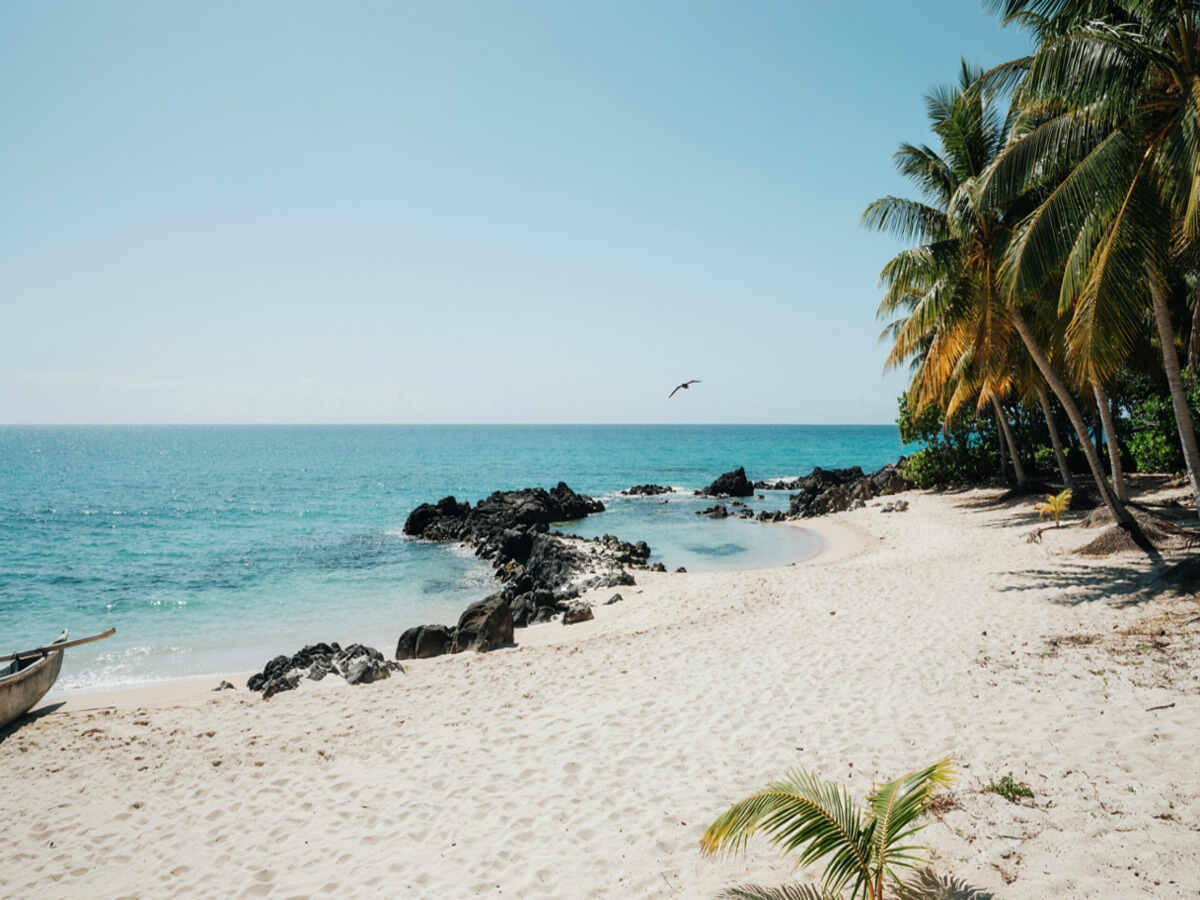
Image generated with Ai
Tourism partnership between Mozambique and Botswana moves forward by connecting safari tours, beach vacations, and regional tourism development. The governments of both countries have signed a joint agreement which will help link two most unique travel destinations in Southern Africa. By this agreement, Mozambique and Botswana try to combine the world-famous safaris of Botswana and the beaches, islands, marine attractions and Indian Ocean coast of Mozambique. The main idea is to develop a better linked and interconnected network of tourism destinations that could attract tourists who are searching for an African travel experience.
Botswana and Mozambique Formalise a New Tourism Partnership
The Botswana Tourism Organisation and Mozambique’s Agência Nacional para o Desenvolvimento e Investimento Turístico, Fundo Público, known as ANDITUR, have signed a Memorandum of Understanding focused on strengthening tourism cooperation.
Advertisement
Advertisement
The agreement was concluded during a wider period of diplomatic and economic engagement between Botswana and Mozambique. Tourism formed part of several cooperation areas discussed during Mozambican President Daniel Chapo’s State Visit to Botswana.
Rather than functioning as a simple promotional arrangement, the tourism MoU establishes a framework covering destination marketing, tourism development, investment, skills, research and regional travel connectivity.
Advertisement
Advertisement
The agreement reflects growing interest in building tourism products that cross national borders instead of treating individual destinations as isolated markets.
Joint Tourism Marketing Takes Centre Stage
Destination promotion sits at the heart of the partnership.
Advertisement
Advertisement
Botswana and Mozambique plan to work together on international tourism marketing initiatives that can present both destinations to travellers through coordinated campaigns.
This approach could help the two countries reach international markets more effectively by presenting a wider variety of experiences within one regional journey.
Advertisement
Advertisement
Botswana has long attracted travellers interested in wildlife, wilderness and conservation-based tourism. Mozambique offers a markedly different travel proposition through beaches, islands, diving, marine experiences, coastal communities and Indian Ocean escapes.
Combining these strengths gives both destinations an opportunity to develop a stronger multi-country tourism proposition.
Safari and Beach Holidays Could Become a Major Travel Product
One of the most important elements of the agreement is the development of combined tourism itineraries.
The concept creates a natural connection between Botswana’s safari industry and Mozambique’s coastal tourism sector.
Advertisement
Advertisement
International travellers could potentially structure holidays around wildlife viewing and wilderness experiences in Botswana before continuing towards Mozambique for beaches, island stays, marine adventures and coastal relaxation.
Such combinations are particularly relevant for long-haul visitors who often seek multiple experiences after travelling significant distances to reach Southern Africa.
Tour operators, destination management companies, airlines and other tourism businesses are expected to play an important role in transforming these concepts into bookable travel products.
The partnership therefore has the potential to expand the traditional safari holiday into a broader safari-and-sea journey.
Air Connectivity Becomes Part of the Tourism Strategy
Aviation cooperation is another important area included in the agreement.
Better air connectivity could eventually make combined Botswana and Mozambique holidays easier to organise. Efficient regional connections are especially important for travellers who have limited holiday time and want to visit more than one Southern African destination.
Advertisement
Advertisement
However, the cooperation framework has not yet produced a specific new airline route linked directly to the tourism agreement.
Future discussions around connectivity could nevertheless become crucial if the two countries want multi-destination travel to develop at scale.
Regional tourism growth depends heavily on straightforward transport, convenient schedules and travel products that reduce the complexity of moving between destinations.
Five-Year Tourism Action Plan Brings Structure to the Deal
The agreement includes plans to establish a Joint Technical Committee responsible for overseeing implementation.
This committee is expected to coordinate cooperation programmes, assess progress and support the preparation of a five-year tourism action plan.
That gives the partnership a longer-term structure rather than limiting cooperation to short promotional activities.
Advertisement
Advertisement
The action plan could become the operational roadmap for joint campaigns, tourism investment projects, research initiatives, industry collaboration and destination development.
As of the information currently available, specific campaign dates, budgets, airline services and individual tourism packages under the programme have not yet been publicly detailed.
The coming implementation phase will therefore determine how quickly the agreement produces visible benefits for travellers and the tourism industry.
Tourism Investment Forms Another Major Pillar
Investment sits alongside marketing as a central part of the Botswana–Mozambique cooperation framework.
The partnership aims to connect potential investors with tourism opportunities and improve cooperation surrounding tourism development.
Investor facilitation, information sharing and stronger links between tourism stakeholders are expected to support destination competitiveness.
Advertisement
Advertisement
Botswana has increasingly focused on diversifying tourism beyond established products while encouraging new concessions, tourism hubs and visitor experiences.
Mozambique, meanwhile, has significant tourism potential along its coastline and within its broader destination portfolio.
By working together, both countries can potentially attract tourism investors interested in regional rather than single-market opportunities.
Digital Tourism and Market Intelligence Enter the Agenda
The agreement also covers digital tourism, tourism statistics, research and market intelligence.
These areas are becoming increasingly important as destinations compete for travellers based on data-driven marketing and digital accessibility.
Sharing tourism statistics could help both destinations understand visitor patterns, source markets and travel behaviour more effectively.
Advertisement
Advertisement
Joint research projects may also support better tourism planning and help authorities identify opportunities for new products.
Digital tourism cooperation could eventually improve destination visibility, travel information and the way tourism businesses communicate with international visitors.
The agreement therefore extends beyond physical tourism infrastructure and into the increasingly important digital travel economy.
Sustainability and Quality Standards Gain Attention
Sustainable tourism development also forms part of the partnership.
Botswana already has a strong international association with wilderness conservation and nature-based tourism. Mozambique’s marine environments, coastal areas and islands similarly depend on careful tourism management.
Joint work on sustainability could help both destinations expand tourism while protecting the natural assets that attract visitors in the first place.
Advertisement
Advertisement
Quality assurance is another area included in the cooperation framework.
Shared knowledge surrounding tourism standards could support consistent visitor experiences and strengthen confidence among international travellers, tour operators and investors.
The MoU also includes familiarisation trips and professional exchanges that can help tourism stakeholders better understand products available in both countries.
MICE and Business Tourism Could Expand Beyond Leisure Travel
The cooperation agreement is not limited to holiday tourism.
Meetings, incentives, conferences and exhibitions, commonly known as MICE tourism, are also included.
This creates opportunities for Botswana and Mozambique to explore combined business tourism strategies while supporting conferences, corporate travel and incentive programmes.
Advertisement
Advertisement
The wider Botswana–Mozambique Business Forum held during President Daniel Chapo’s visit also placed tourism alongside trade, investment, agriculture, energy, transport and logistics.
Tourism cooperation is therefore closely connected with broader economic relations between the countries.
Mozambique’s New Tourism Agency Takes an Early Regional Role
The agreement is also notable because Mozambique’s ANDITUR is a relatively new tourism institution.
The agency was created in May 2026 to support tourism development and investment.
Hélder Jauana was appointed chairman of ANDITUR later that month.
The tourism agreement with Botswana therefore represents an important regional cooperation initiative during the agency’s early period of operation.
Advertisement
Advertisement
On the Botswana side, Acting Chief Executive Officer Justice Ofentse represents the Botswana Tourism Organisation, which is responsible for tourism marketing, investment promotion, product diversification, sustainability and tourism quality standards.
Wider Bilateral Cooperation Supports Tourism Growth
The tourism deal forms part of a broader effort to deepen Botswana–Mozambique relations.
The two countries have discussed upgrading their Joint Permanent Commission on Cooperation towards a Bi-National Commission.
During bilateral meetings in Gaborone, cooperation areas extended across tourism, trade, investment, transport, infrastructure, energy, agriculture, science and health.
Eighteen draft agreements and memoranda were reportedly considered during this broader cooperation process.
Tourism therefore sits within a much larger regional strategy aimed at strengthening economic connections between the two countries.
Advertisement
Advertisement
A New Southern African Tourism Corridor Takes Shape
For travellers, the most compelling possibility remains the creation of a stronger Botswana–Mozambique tourism corridor.
Botswana offers wildlife, wilderness and safari experiences. Mozambique adds beaches, islands, diving, marine attractions and coastal culture.
Linking these products could create a distinctive Southern African journey that combines inland adventure with Indian Ocean relaxation.
The success of the agreement will ultimately depend on implementation, aviation links, private-sector involvement, investment and the development of practical itineraries.
However, the foundation is now being established for deeper cooperation.
Joint tourism links between Botswana and Mozambique strengthen, merging the three elements of safaris, beaches, and increased tourism in the region.
Should the plan proceed as expected, Mozambique and Botswana may advance from their respective destinations to a more integrated tourism experience that would appeal to people who wish to explore various aspects during their African vacation.
Advertisement
