

Oman Travel Demand Weakens as Major Airports Report Lower Passenger and Flight Traffic in 2026

Published
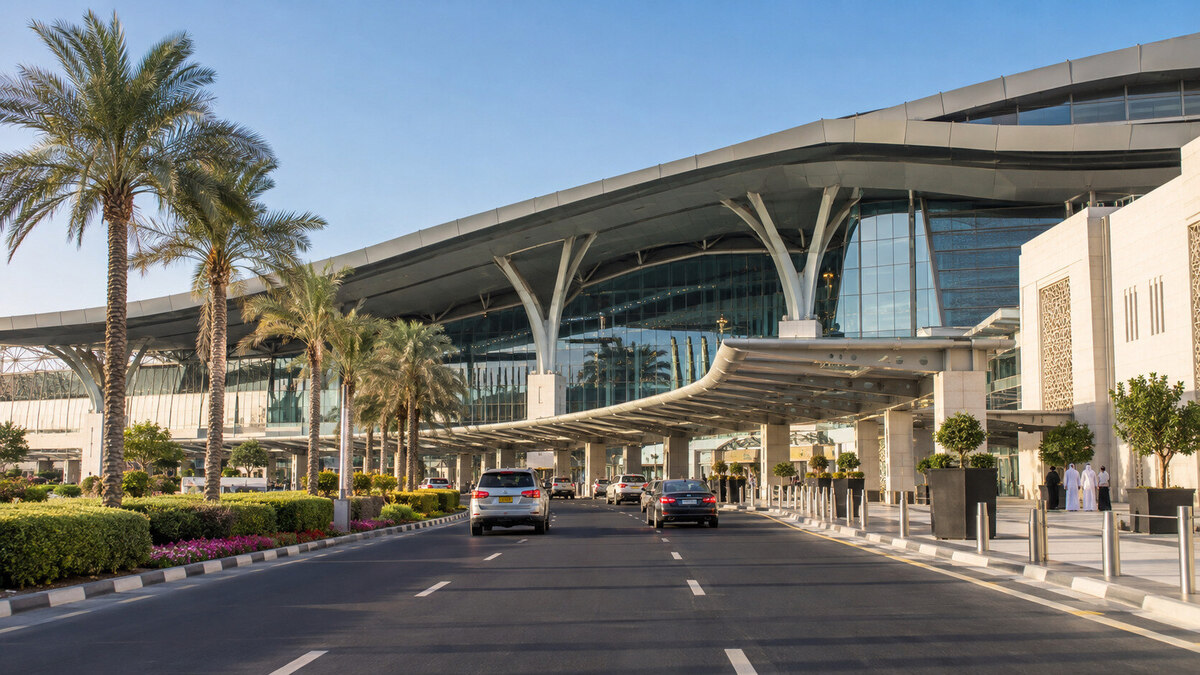
Oman’s travel demand slowed in 2026. Major airports saw passengers and flights. Muscat, Salalah, Sohar and Duqm all had year-on-year drops, in passenger numbers and flight activity during the eight months of the year.
Oman’s aviation sector saw passenger traffic and flight movements ease between January and August 2026, with several of the country’s main airports handling fewer travellers and aircraft than during the same period a year earlier.
More than 9.3 million passengers used airports across the country between January and the end of August. That represented a decline of 7.1 per cent from the 10.02 million passengers recorded during the equivalent period last year.
International flight activity also moved lower. Muscat, Salalah and Sohar airports together handled 53,716 international arriving and departing flights during the eight-month period. This was 8.8 per cent below the 58,890 international flights reported during the same months of 2025.
Advertisement
Advertisement
Muscat Carries the Largest Share of Oman’s Passenger Traffic
Muscat International Airport remained the centre of Oman’s aviation system, handling the vast majority of passengers travelling through the country’s airports.
Muscat International Airport welcomed about 8.1 million passengers from January through August 2026, a 7.5 per cent fall from roughly 8.76 million recorded over the same eight-month period in 2025.
Advertisement
Advertisement
Aircraft movements followed the same direction. Muscat recorded 57,870 domestic and international flights, compared with 62,007 flights in the first eight months of 2025. The difference amounted to a 6.7 per cent decline.
Passenger nationality data for August also showed the strength of several major travel markets.
Advertisement
Advertisement
Omani nationals accounted for 202,033 passenger movements during the month, including 111,360 arrivals and 90,673 departures.
Indian nationals represented the next-largest group, with 145,720 passengers. Of these, 77,001 arrived in Muscat and 68,719 departed.
The figures highlight the airport’s continued importance for domestic mobility and international travel between Oman and South Asia.
Salalah Retains Strong Seasonal Importance Despite Lower Numbers
Salalah Airport also recorded a decline, although its contraction was smaller than that seen at Muscat.
Advertisement
Advertisement
The airport handled about 1.16 million passengers by the end of August 2026. This compared with approximately 1.21 million during the same period in 2025, resulting in a 4.4 per cent year-on-year decrease.
Flight activity remained comparatively stable. Salalah handled 7,657 international and domestic flights, down 1.4 per cent from 7,769 flights a year earlier.
The airport continues to serve as a critical access point for southern Oman, particularly during the Khareef season, when the Dhofar region attracts visitors seeking cooler temperatures, green landscapes and seasonal tourism experiences.
Sohar Posts the Steepest Percentage Fall in Passenger Numbers
Sohar Airport reported the sharpest passenger decline among the airports covered by the data.
A total of 15,292 passengers travelled through the airport during the first eight months of 2026. This was 17.4 per cent lower than the 18,522 passengers recorded during the same period in 2025.
Aircraft movements also decreased. Sohar handled 188 domestic and international flights, compared with 202 flights a year earlier, marking a decline of 6.9 per cent.
Advertisement
Advertisement
Although Sohar operates on a much smaller scale than Muscat or Salalah, it remains part of Oman’s wider regional connectivity network.
Duqm Sees Softer Domestic Aviation Activity
Duqm Airport also ended August with lower passenger and flight figures.
The airport recorded 380 domestic flights during the first eight months of 2026, down 7.3 per cent from 410 flights over the comparable period in 2025.
Passenger traffic fell to 36,443 from 40,173, representing a decline of 9.3 per cent.
Duqm’s airport remains an important transport link for a region that is expanding its role in industry, logistics and economic development.
Oman’s Airport Performance Reflects a Wider Cooling in Demand
The January-to-August results show that the slowdown in Oman’s aviation sector was widespread rather than confined to a single airport.
Advertisement
Advertisement
Muscat experienced the largest fall in absolute passenger numbers because of its dominant share of national traffic. Salalah recorded a milder decline, while Sohar and Duqm also moved below their 2025 passenger and flight totals.
Overall, Oman entered the final part of 2026 with airport traffic running below last year’s levels. Passenger demand, seasonal tourism flows and regional air connectivity will therefore remain important indicators of how quickly the country’s aviation sector can regain momentum.
Advertisement
