

Lufthansa Joins British Airways, Air France-KLM and More Airlines Changing Flight Schedules, Suspending International Services and Introducing Alternative Routes

Published
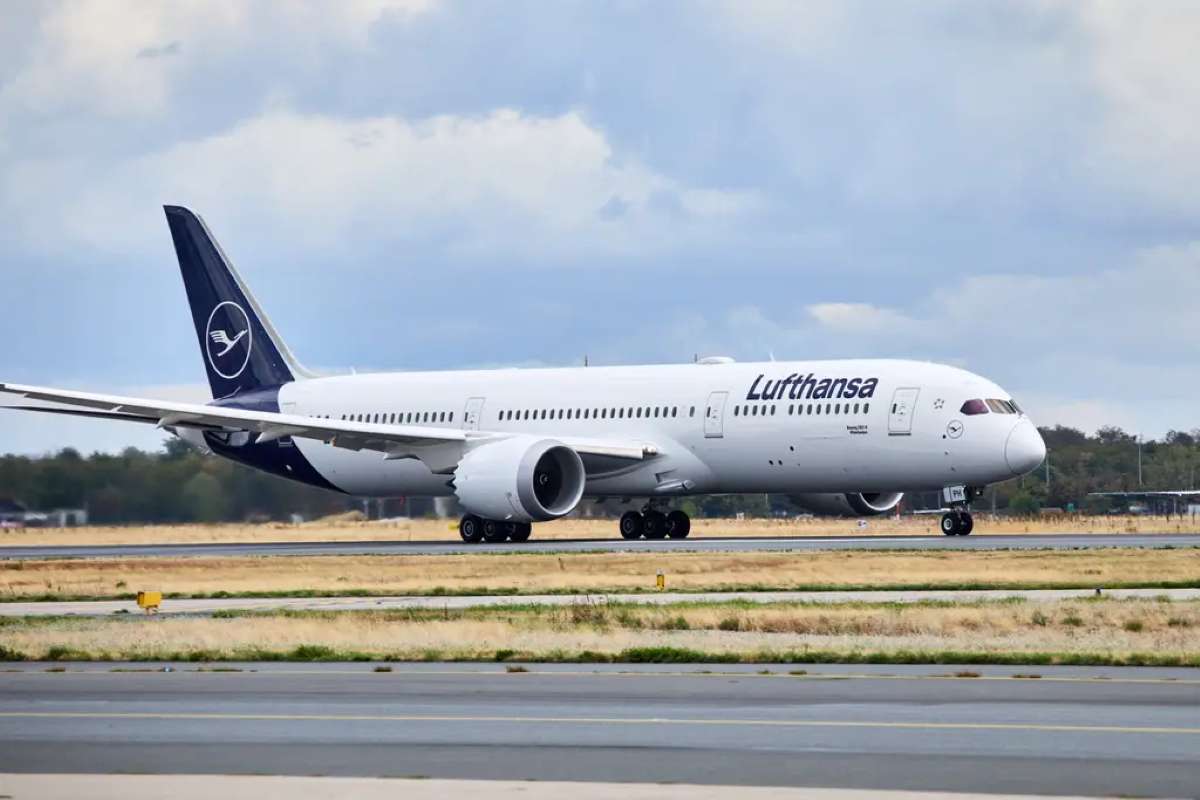
Lufthansa joins British Airways, Air France-KLM and more airlines changing flight schedules, suspending international services and introducing alternative routes as ongoing wars disrupt global aviation. Rising security concerns across the Middle East and restrictions linked to the Russia–Ukraine conflict are affecting international connectivity, increasing journey times and complicating travel plans.
The international aviation industry is undergoing significant operational changes as military conflicts in the Middle East and the continuing Russia–Ukraine war reshape global flight networks. Airlines are cancelling scheduled services, postponing new international routes and avoiding airspace considered unsafe for commercial aviation. These developments are affecting major aviation corridors connecting Europe, Asia, North America and the Middle East. For travellers, the consequences include longer journeys, reduced direct connectivity, revised departure schedules and uncertainty surrounding future bookings. Airlines, meanwhile, must balance passenger demand with aviation safety requirements, aircraft availability and rising operational costs.
Advertisement
Advertisement
The latest disruption has centred on Saudi Arabia following attacks affecting Riyadh’s King Khalid International Airport. According to Reuters’ report published on 12 October 2026, several international carriers cancelled or suspended services to the Saudi capital, with restrictions expected to continue until 17 October. The disruption has affected connections involving European cities, Indian destinations, East Asian markets and neighbouring Gulf countries. At the same time, ongoing regional instability continues to influence services to Dubai, Doha, Abu Dhabi, Jeddah, Dammam and Tel Aviv, creating additional challenges for airlines operating international connecting networks.
Beyond immediate cancellations, the wider consequences of geopolitical conflict are becoming increasingly visible in long-haul aviation. European carriers remain unable to use Russian airspace on many Asia-bound journeys, forcing aircraft to follow alternative northern or southern flight paths. Middle Eastern restrictions have introduced another layer of complexity, particularly for airlines connecting Europe with South Asia and East Asia. These operational adjustments influence fuel consumption, flight duration, crew scheduling and aircraft deployment. For the international travel and tourism industry, the evolving situation demonstrates how conflict-related airspace restrictions can reshape airline connectivity, influence destination accessibility and alter travel planning long after individual military incidents have occurred.
Advertisement
Advertisement
San Francisco International Airport confirms the following nonstop connections from European gateways. These are established services, not newly verified war-related diversions
San Francisco International Airport
| Airline | Route | Destination | Status |
|---|---|---|---|
| Lufthansa | Frankfurt – San Francisco | United States | Established nonstop route |
| Lufthansa | Munich – San Francisco | United States | Established nonstop route |
| British Airways | London Heathrow – San Francisco | United States | Established nonstop route |
| Air France | Paris CDG – San Francisco | United States | Established nonstop route |
| KLM | Amsterdam – San Francisco | United States | Established nonstop route |
| United Airlines | Frankfurt – San Francisco | United States | Established nonstop route |
| Virgin Atlantic | London Heathrow – San Francisco | United States | Established nonstop route |
Lufthansa Group Cancels Riyadh Flights as Saudi Arabian Security Risks Increase
Germany’s Lufthansa Group is among the major European aviation operators affected by the latest escalation in Saudi Arabia. Following attacks affecting Riyadh airport, airlines within the group cancelled flights to the Saudi capital until 16 October 2026, according to Reuters. The decision reflects the operational difficulties that arise when an important international airport becomes unavailable or faces restrictions because of military activity. Lufthansa’s wider European network connects passengers from Germany and numerous international markets, meaning that cancellations involving Riyadh can affect travellers beginning their journeys outside the countries directly connected by the suspended services.
Advertisement
Advertisement
For passengers travelling between Europe and Saudi Arabia, the disruption may require changes to departure dates, alternative connecting flights or revised business itineraries. Travellers who booked journeys involving several airlines may face additional complications if one cancelled sector affects the remainder of their reservation. The consequences are particularly relevant for corporate travellers, international conference delegates and tourism professionals who depend on predictable flight schedules. Riyadh’s growing importance as a business and events destination means that interruptions to international air connectivity can influence meeting attendance, hotel bookings, ground transportation and commercial travel arrangements.
Lufthansa’s response illustrates the importance of aviation safety assessments when geopolitical conditions deteriorate. Airlines must consider airport operating restrictions, government instructions, airspace availability and the potential consequences of further military activity before restoring scheduled services. Even when an announced suspension period ends, normal operations may not resume immediately because aircraft and crew schedules require adjustment. Passengers should therefore consult Lufthansa’s official website for booking-specific updates and rebooking arrangements. For the wider European aviation industry, the Riyadh cancellations demonstrate how regional security incidents can quickly affect international airline networks and passenger confidence.
Air France-KLM Extends Riyadh Suspension as Regional Uncertainty Continues
Air France-KLM has responded to the deteriorating security environment in Saudi Arabia by extending the suspension of services to and from Riyadh until the end of October 2026. The decision affects international travellers who rely on the group’s European aviation networks for journeys to Saudi Arabia. Separately, KLM had suspended services involving Riyadh, Dammam and Dubai until 24 October, reflecting the wider disruption affecting Gulf aviation. These changes demonstrate how airlines operating extensive international networks must continuously review destination accessibility when military activity creates uncertainty around airports and surrounding airspace.
The operational consequences extend beyond individual cancellations. KLM has adjusted flight planning to avoid Iranian, Iraqi and Israeli airspace, together with certain areas surrounding the Arabian Gulf. Such restrictions can require longer routings, additional fuel planning and adjustments to crew duty schedules. The airline’s use of Larnaca in Cyprus as an intermediate stop for crew arrangements on services involving Tel Aviv illustrates another operational response to security concerns. Rather than cancelling every affected route permanently, airlines may introduce intermediate stops or alternative operating arrangements when these can be implemented safely and within applicable aviation regulations.
For passengers travelling through Amsterdam or Paris, the changing schedules underline the importance of confirming each flight sector before departure. Travellers with connecting reservations may need longer transfer times or alternative routes if direct services remain unavailable. Corporate travel managers and tour operators must also account for reduced seat availability when organising journeys involving Saudi Arabia or neighbouring destinations. The group’s decisions show that conflict-related disruption is not limited to airport closures. Airspace restrictions, safety assessments and network planning can continue affecting scheduled flights even when individual airports remain operational. Customers should monitor updates through Air France and KLM.
Latest airline route changes following Middle East conflict
The table covers confirmed airline and destination disruptions, including suspensions announced or extended in October 2026.
Advertisement
Advertisement
| Airline | Route / destinations covered | Change and reported period |
|---|---|---|
| Lufthansa Group | European hubs – Riyadh, Saudi Arabia | Riyadh flights cancelled until 16 October |
| Air France–KLM | European hubs – Riyadh | Services suspended until end of October |
| Etihad Airways | Abu Dhabi – Saudi Arabian destinations | Saudi Arabia services suspended until 13 October |
| IndiGo | India – Riyadh and Dammam | Flights cancelled until 15 October |
| Air India | India – Riyadh | Flights suspended until 15 October |
| Air India Express | India – Riyadh | Operations affected by Riyadh restrictions; check individual services |
| Akasa Air | India – Riyadh and Jeddah | Services suspended until 13 October |
| Philippine Airlines | Philippines – Riyadh | Riyadh flights suspended until 29 November |
| Gulf Air | Bahrain – Riyadh | Flights cancelled from 12–17 October |
| Cathay Pacific | Hong Kong – Riyadh | Resumption postponed through 31 January 2027 |
| Cathay Pacific | Hong Kong – Dubai | Resumption postponed through 31 January 2027 |
| Delta Air Lines | Atlanta – Riyadh | Planned new route delayed until March 2027 |
British Airways Adjusts Gulf Network Across Jeddah, Doha, Riyadh and Bahrain
British Airways has made significant changes to its Middle East network as regional security concerns continue to affect international aviation. Reported adjustments include the discontinuation of Jeddah services, reduced frequencies involving Doha and Riyadh, and an extended suspension of Bahrain flights through March 2027. The planned return of Abu Dhabi services has also been pushed towards the winter 2027–28 season. These developments illustrate how geopolitical instability can influence an airline’s route network over several operating seasons, rather than causing only short-term cancellations. For British Airways, decisions about Middle Eastern destinations must account for passenger demand, operational reliability, aircraft deployment and the availability of safe flight corridors.
The changes have implications for travellers using London as a departure point or connecting hub. Passengers planning journeys to Saudi Arabia, Qatar, Bahrain and the United Arab Emirates may encounter fewer direct options or need to travel through alternative airports. Business travellers attending conferences and corporate meetings could face longer journeys, while leisure passengers may need to reconsider holiday dates or connecting arrangements. Travel agencies and tour operators must also review flight availability before confirming accommodation, transfers and other destination services. Reduced airline frequencies can become particularly challenging during busy travel periods when alternative services already carry substantial passenger demand.
British Airways’ network adjustments demonstrate the distinction between temporary cancellations, seasonal suspensions and permanent route withdrawals. Each decision has different implications for travellers and the wider tourism economy. A route suspended for several months may return once security conditions improve, while a discontinued service requires a separate commercial decision before operations can resume. Airlines must also consider the availability of aircraft and crew when rebuilding their schedules. Travellers should monitor the airline’s official flight information and booking channels before making final arrangements. The broader significance lies in how conflict-related uncertainty can influence the accessibility of major destinations long after the initial disruption.
War-affected airspace and the destinations impacted
| Airspace / country | Reported condition in October 2026 | Flight network implications |
|---|---|---|
| Iran | Closed to civil aviation | Europe–Asia and regional flights must avoid Iranian airspace |
| Iraq | Open but subject to significant safety restrictions | Longer alternative routings |
| Israel | Restricted operations | Tel Aviv services affected |
| Qatar | Partial restrictions and designated routes | Doha arrivals, departures and connections affected |
| Kuwait | Restricted overflights | Kuwait services and transit routes affected |
| United Arab Emirates | Restricted corridors | Dubai and Abu Dhabi operations affected |
| Saudi Arabia | Riyadh airport closure following attacks | International Riyadh services cancelled or diverted |
| Jordan | Safety-related restrictions | Amman flights affected |
| Lebanon | Volatile operating environment | Beirut flight suspensions and schedule changes |
| Russia | Restricted to EU carriers following sanctions | Europe–Asia flights take longer routes |
| Ukraine | Conflict-zone airspace closure | Civilian flights cannot use Ukrainian airspace |
Finnair Faces Longer Asia Flights While Dubai and Doha Remain Suspended
Finnair faces a particularly complex operating environment because two separate geopolitical conflicts are affecting different parts of its international network. The Finnish airline has extended its suspension of Dubai and Doha flights until 27 March 2027 amid continuing instability in the Middle East. At the same time, the Russia–Ukraine war continues to influence services between Helsinki and major Asian destinations. Since Russian airspace became unavailable to European Union airlines in February 2022, Finnair has been unable to operate many of its traditional long-haul routes across Russia. This has forced the carrier to introduce alternative flight paths while maintaining connections with important Asian markets.
Flights between Helsinki and destinations such as Tokyo, Seoul and Shanghai now require different routing arrangements from those used before the Russian airspace restrictions. Depending on weather, winds and operational requirements, aircraft may travel through northern polar regions or follow southern corridors across Central Asia. According to Finnair’s official explanation of its changing flight routes, journeys to Japan and South Korea can take approximately two to four hours longer than before the restrictions. Additional Middle Eastern airspace constraints can also affect services to India, Thailand and Singapore, creating further challenges for long-haul scheduling.
Longer flight paths influence almost every aspect of airline operations. Aircraft may require additional fuel, crew schedules must accommodate extended flight times, and maintenance planning can become more complicated when aircraft spend longer in the air. These changes can also affect the number of flights an airline can operate with its existing fleet. For travellers, longer scheduled journeys may reduce the convenience of certain connections, particularly when travelling between European and Asian destinations. Finnair’s experience demonstrates how airspace restrictions can reshape the economics of an international airline network for several years, even when flights continue operating between the same origin and destination airports.
Advertisement
Advertisement
Russia–Ukraine war – flight routes diverted around Russian airspace
Unlike the Middle East cancellations, these are examples of structural changes to flight paths, where services continue but use longer routings.
| Airline | Origin | Destination covered | Route change |
|---|---|---|---|
| Finnair | Helsinki | Tokyo, Japan | Northern polar or southern routing avoiding Russia |
| Finnair | Helsinki | Seoul, South Korea | Longer flight path avoiding Russia |
| Finnair | Helsinki | Shanghai, China | Southern routing around Russian airspace |
| Finnair | Helsinki | Bangkok, Thailand | Longer alternative routing |
| Finnair | Helsinki | Singapore | Longer alternative routing |
| Finnair | Helsinki | Delhi, India | Alternative routing avoiding Russia |
Emirates Adjusts Dubai Connections to Kuwait and Bahrain
Emirates continues to manage operational challenges affecting parts of its regional network as Middle Eastern security conditions remain uncertain. According to The National’s aviation coverage, Dubai–Kuwait services remained suspended as reported on 8 October, while operations between Dubai and Bahrain had been partially restored with one daily flight. These changes are important because Dubai serves as a major international connecting hub, linking passengers from Europe, Asia, Africa, Australasia and the Americas with destinations throughout the Middle East. Even relatively short regional flight suspensions can therefore influence international journeys originating thousands of kilometres away.
Passengers using Dubai as a connecting airport may encounter difficulties when onward flights to neighbouring Gulf destinations are unavailable. Travellers arriving from London, Singapore, Mumbai or other international cities may need to reconsider their final travel arrangements if their connecting service has been cancelled. Business travellers and tourists could face additional accommodation costs or longer journeys when alternative flights are required. The situation is particularly relevant for travel agencies managing complex itineraries involving several airlines. A long-haul flight operating normally does not necessarily mean that every onward regional connection will remain available, making individual flight verification essential.
The partial restoration of Dubai–Bahrain services illustrates how airlines may gradually rebuild regional connectivity while continuing to assess security conditions. Resuming one daily service can provide limited travel opportunities without immediately restoring a full operating schedule. Airlines must consider airport access, available airspace, aircraft positioning and passenger demand before increasing frequencies. Emirates’ extensive international network makes these decisions especially important for travellers who depend on Dubai for connecting journeys. Passengers should review their flight status directly through Emirates’ official website and confirm any changes with their booking provider. The wider lesson is that international aviation hubs remain vulnerable to disruptions affecting surrounding destinations.
Etihad Airways Suspends Saudi Arabian Services Amid Security Concerns
Abu Dhabi-based Etihad Airways suspended flights to Saudi Arabia until 13 October 2026 following the latest attacks affecting Riyadh. The suspension was among the measures documented in Reuters’ airline disruption report. The decision reflects the operational challenges facing Gulf airlines when security incidents affect important regional destinations. Saudi Arabia is a significant market for international tourism, corporate travel, religious journeys and family visits. Airlines operating between the United Arab Emirates and Saudi Arabia must therefore manage both direct passenger demand and connecting traffic arriving from other international markets.
For travellers using Abu Dhabi as a connecting point, the suspension can affect itineraries involving multiple flights. Passengers travelling from Europe, Asia or other regions may need alternative arrangements if their onward Saudi Arabian service is unavailable. The disruption can also affect travellers whose plans involve hotels, meetings, organised tours or time-sensitive commitments. Those travelling for business may need to postpone appointments, while leisure visitors could face changes to their accommodation and transport bookings. Airlines and travel agents must communicate clearly with affected passengers to reduce confusion surrounding cancellations, refunds and revised departure dates.
Advertisement
Advertisement
Etihad’s announced suspension period does not automatically guarantee that every affected service will resume immediately afterwards. Airlines must consider airport operating conditions, aviation authority instructions and updated safety assessments before restoring flights. Aircraft and crew availability may also influence the pace of recovery, particularly if previous cancellations have disrupted normal scheduling. Passengers should consult Etihad Airways’ official travel information and monitor their reservations for further changes. The situation demonstrates how quickly regional air connectivity can be interrupted when security conditions deteriorate, even across relatively short international routes connecting neighbouring countries.
Singapore Airlines Extends Dubai Flight Cancellations Until December
Singapore Airlines has extended the cancellation of its Singapore–Dubai flights until 1 December 2026 because of the geopolitical situation in the Middle East. The affected services are SQ494, operating from Singapore to Dubai, and SQ495, travelling in the opposite direction. The airline confirmed the extension in an official advisory updated on 1 October 2026. The decision removes a direct connection between two major international aviation hubs during the announced suspension period. It also illustrates how airlines may extend cancellations well beyond an initial disruption when the operating environment remains uncertain.
The suspension has implications for passengers travelling between Southeast Asia and the United Arab Emirates, including those using Singapore for connections from other destinations. Travellers who originally planned to fly directly to Dubai may need alternative airlines or connecting itineraries. These arrangements can increase overall journey times and require additional consideration of transit requirements, baggage policies and connection periods. Singapore Airlines has advised affected customers that they may request refunds for unused portions of their tickets. Passengers who booked through travel agents or partner airlines must contact their original booking provider for assistance, while direct customers can use the airline’s designated support channels.
The airline has also encouraged passengers to maintain accurate contact information so that schedule changes and operational notifications can reach them promptly. This is particularly important when cancellations occur close to departure or when an itinerary contains several connecting sectors. The Singapore–Dubai suspension highlights the wider consequences of conflict-related uncertainty for long-haul aviation networks. Even airlines based outside the immediate conflict region may need to withdraw services when operational risks become unacceptable. Travellers should continue checking official flight status information because the airline has indicated that other services could be affected if conditions change.
Other major Middle East flight routes affected by war
These disruptions predate the latest Riyadh attacks but remain important for travel planning into late 2026 and 2027.
| Airline | Route / destinations covered | Route change or status |
|---|---|---|
| Singapore Airlines | Singapore – Dubai | SQ494/SQ495 cancelled through 1 December 2026 |
| Scoot | Singapore – Jeddah | TR796/TR797 cancelled through 2 December 2026 |
| Air Canada | Canada – Dubai and Tel Aviv | Suspended through March 2027 |
| Finnair | Helsinki – Dubai and Doha | Suspended through 27 March 2027 |
| Virgin Atlantic | London – Dubai | Suspended until October 2027 |
| Delta Air Lines | Atlanta – Tel Aviv | Suspended until 18 December 2026 |
| Delta Air Lines | Boston – Tel Aviv | Launch postponed indefinitely |
| KLM | Amsterdam – Dubai, Riyadh and Dammam | Suspended through 24 October, before subsequent Riyadh extension |
| Korean Air | Seoul Incheon – Dubai | Suspended until further notice |
| British Airways | London – Abu Dhabi | Resumption planned for winter 2027–28 |
| British Airways | London – Bahrain | Suspended through March 2027 |
| British Airways | London – Jeddah | Service discontinued |
| British Airways | London – Doha | Reduced frequency |
| Emirates | Dubai – Kuwait | Suspended as reported 8 October |
| Emirates | Dubai – Bahrain | Partially restored, one daily flight |
| ITA Airways | Rome – Dubai | Suspended through 24 October |
| airBaltic | Riga – Dubai | Suspended through 24 October |
| Wizz Air | European cities – Dubai and Abu Dhabi | Winter-season flights cancelled |
| Turkish Airlines | Istanbul – Tehran | Suspended as reported in early October |
Scoot Suspends Singapore to Jeddah Flights Until December
Singapore-based low-cost carrier Scoot has also extended flight cancellations affecting its services between Singapore and Jeddah. According to Channel NewsAsia’s report published on 1 October 2026, the airline cancelled flights to and from Jeddah until 2 December. The affected services are TR796 from Singapore to Jeddah and TR797 in the opposite direction. The decision reflects the continuing influence of Middle Eastern security concerns on international airline operations. It also demonstrates that the disruption is affecting both full-service and low-cost carriers operating between Southeast Asia and Saudi Arabia.
Advertisement
Advertisement
Jeddah is an important international gateway for travellers visiting western Saudi Arabia, including passengers travelling onwards to Makkah and other destinations. The suspension therefore has implications for religious tourism, family visits and general international travel. Passengers who planned to use Scoot’s direct service may need alternative flights, potentially involving additional connections or revised travel dates. Travellers with fixed accommodation reservations or organised itineraries should pay particular attention to changes affecting their arrival and departure schedules. Those making religious journeys may also need to coordinate revised transport arrangements with their travel organisers.
Scoot has advised affected customers that they can request refunds if they decide not to continue with their travel arrangements. The cancellation period remains subject to future operational decisions, and passengers should avoid assuming that flights will automatically resume immediately after the published date. The airline’s decision illustrates how conflict-related disruption can affect access to important tourism and religious destinations even when passengers are departing from geographically distant markets. For travel agents and tour operators, the suspension reinforces the need to verify airline schedules before confirming packages involving Saudi Arabia. Maintaining flexible booking arrangements can help reduce complications when international services remain uncertain.
Air India Suspends Riyadh Flights as Saudi Arabian Disruption Intensifies
Air India has extended the suspension of its flights to and from Riyadh until 15 October 2026 following the attacks affecting Saudi Arabia’s capital airport. The decision forms part of the wider international aviation response to the deteriorating security situation. According to Reuters’ 12 October airline update, several carriers have cancelled Saudi Arabian services as airport restrictions continue. Air India’s suspension affects an important international travel market connecting India with Saudi Arabia, where passenger demand includes employment-related journeys, business travel, tourism and family visits.
The disruption can create difficulties for passengers who have already arranged accommodation, ground transportation or connecting flights. Travellers holding reservations involving Riyadh may need to postpone their journeys or seek alternative routes if suitable services are available. The consequences are particularly relevant for passengers travelling with fixed employment commitments or important family obligations. Travel agencies handling India–Saudi Arabia bookings must also review individual reservations and communicate changes to affected customers. Where passengers have booked separate tickets, a cancelled flight can create additional complications because onward reservations may not automatically be protected by the operating airline.
Air India’s decision reflects the importance of maintaining operational safety when airports or surrounding airspace are affected by military activity. The airline must consider airport restrictions, aviation authority guidance and aircraft scheduling requirements before restoring services. Travellers should check the status of their specific flight through Air India’s official website and follow the carrier’s instructions regarding refunds or rebooking. The announced suspension period should not be interpreted as a guarantee that all services will resume immediately afterwards. The broader disruption highlights the importance of reliable air connectivity between India and Saudi Arabia for both passenger mobility and international economic activity.
IndiGo Extends Riyadh and Dammam Flight Cancellations Until October
IndiGo, India’s largest airline, has extended cancellations affecting its Riyadh and Dammam routes until 15 October 2026. The decision follows the latest escalation in Saudi Arabia and reflects the continuing uncertainty surrounding airport operations and regional aviation safety. Riyadh and Dammam serve important international passenger markets, with travel demand generated by employment, business activity, tourism and family connections. IndiGo’s suspension demonstrates how security developments can affect more than one destination within the same country. It also highlights the operational difficulties airlines face when regional restrictions influence several routes simultaneously.
Advertisement
Advertisement
For passengers travelling between India and Saudi Arabia, the cancellations may require alternative departure dates or different travel arrangements. Dammam is an important gateway to Saudi Arabia’s Eastern Province, while Riyadh serves the country’s capital and surrounding commercial region. Interruptions affecting both destinations can therefore create challenges for travellers heading to different parts of the kingdom. Passengers with connecting reservations should confirm whether other sectors remain valid after a cancellation. Travel agencies must also ensure that customers receive accurate information about revised itineraries, particularly when journeys involve accommodation bookings or ground transportation arranged separately from airline tickets.
IndiGo’s operational response illustrates the importance of reviewing flight schedules against current security conditions rather than relying solely on previously published timetables. Airlines may extend cancellations, introduce alternative arrangements or adjust departure times as new information becomes available. Passengers should monitor IndiGo’s official booking and flight status channels for updates affecting their reservations. The disruption also demonstrates the significance of India–Saudi Arabia aviation links within the wider Gulf travel market. When services to major Saudi cities are interrupted, the consequences can extend to tourism operators, employers, corporate travel managers and families depending on predictable international connections.
Akasa Air Suspends Jeddah and Riyadh Services Amid Regional Conflict
Akasa Air has suspended flights to Jeddah and Riyadh until 13 October 2026 following the latest security developments in Saudi Arabia. The decision affects the Indian low-cost airline’s international operations during a period of considerable uncertainty for carriers serving the Middle East. Riyadh and Jeddah represent different travel markets, with the former functioning as a major business and administrative centre and the latter providing access to western Saudi Arabia. Suspending both destinations demonstrates how conflict-related disruption can influence an airline’s international network even when the affected services operate to separate airports within the same country.
The cancellations may create difficulties for passengers who depend on affordable direct connections between India and Saudi Arabia. Travellers planning holidays, family visits or employment-related journeys may need to consider alternative services or postpone their departure dates. Low-cost airline passengers may also hold separate accommodation, transfer or onward-flight reservations, making schedule changes particularly important. Travel agencies and tour organisers should review the terms of each booking before recommending alternative arrangements. Where passengers are travelling in groups, changes to airline availability can affect the entire itinerary, including hotel check-in dates, organised activities and ground transportation.
Akasa Air’s suspension highlights the operational sensitivity of international low-cost aviation during periods of geopolitical instability. Airlines must maintain efficient aircraft utilisation while ensuring that routes remain safe and commercially practical. Unexpected cancellations can affect aircraft rotations and crew scheduling, particularly when several services are linked within the same operating day. Travellers should consult Akasa Air’s official website for the latest flight information and customer assistance arrangements. Although the announced suspension was relatively short, further changes remain possible if security conditions do not improve. The wider significance lies in how regional conflicts can disrupt affordable international connectivity between major passenger markets.
Gulf Air Cancels Bahrain to Riyadh Flights Until 17 October
Bahrain’s national carrier, Gulf Air, cancelled flights between Bahrain and Riyadh from 12 to 17 October 2026 following the attacks affecting the Saudi capital. The decision reflects the impact of regional security concerns on short-haul international services within the Gulf. Bahrain and Saudi Arabia maintain important economic, commercial and personal connections, making reliable transport links significant for business travellers and other passengers. The suspension demonstrates that relatively short distances between neighbouring countries do not eliminate aviation risks when airport operations or surrounding airspace become affected by military activity.
Advertisement
Advertisement
For passengers travelling between Bahrain and Riyadh, the cancellations may require revised travel dates or alternative arrangements. Some travellers may be able to consider ground transport where practical and permitted, although road travel involves separate border, documentation and security considerations. International passengers using Bahrain as a connecting point may face additional difficulties if their onward Riyadh service is unavailable. Business travellers attending meetings or events in Saudi Arabia could also encounter scheduling complications. Travel agencies should therefore confirm the operating status of each reservation and avoid assuming that alternative travel arrangements will be suitable for every passenger.
Gulf Air’s announced cancellation period corresponds with the reported closure of Riyadh airport until 17 October. However, the restoration of airport operations and the resumption of individual airline services are separate decisions. Airlines must evaluate operational restrictions, aircraft availability and updated security guidance before rebuilding their schedules. Passengers should monitor Gulf Air’s official website for booking-specific information. The disruption illustrates how aviation restrictions affecting one major airport can influence regional connectivity across neighbouring countries. It also reinforces the importance of flexible travel planning when military developments create uncertainty around international transport infrastructure.
Cathay Pacific Delays Dubai and Riyadh Route Resumptions Until 2027
Hong Kong-based Cathay Pacific has postponed the resumption of its Hong Kong–Dubai and Hong Kong–Riyadh routes through 31 January 2027.
The decision extends the interruption of direct services connecting Hong Kong with two important Middle Eastern destinations.
Unlike a brief operational cancellation, a prolonged suspension can influence how passengers plan travel months in advance.
Travellers may need to use alternative airlines or connecting services to complete journeys between Hong Kong and the Gulf.
Advertisement
Advertisement
The consequences extend to corporate travel, international tourism and businesses requiring regular connections between East Asia and the Middle East.
Cathay Pacific’s decision also illustrates how airlines may maintain conservative network plans even when some neighbouring destinations begin restoring flights.
The timing of future resumptions will depend on updated airline decisions and the wider operating environment.
Delta Air Lines Postpones Atlanta to Riyadh Route Launch
Delta Air Lines has delayed the planned introduction of its Atlanta–Riyadh service until March 2027.
The announcement represents a different category of aviation disruption: a route that has been postponed before its intended launch.
New international services require extensive commercial and operational preparation, including aircraft allocation, airport arrangements, staffing and ticket sales.
Advertisement
Advertisement
When security conditions change, airlines may decide that postponing a launch is preferable to introducing a service under uncertain circumstances.
The delay affects the planned development of direct connectivity between the United States and Saudi Arabia.
It may also influence travellers and businesses anticipating additional transatlantic access to Riyadh.
Delta’s decision demonstrates how geopolitical instability can affect future airline growth, not simply existing flight schedules.
Philippine Airlines Extends Riyadh Suspension Until November
Philippine Airlines has extended the suspension of its flights to and from Riyadh until 29 November 2026.
The decision affects an important international travel market linking the Philippines with Saudi Arabia.
Advertisement
Advertisement
Passenger demand on this corridor includes employment-related journeys, family visits and other international travel.
A suspension extending into late November creates additional planning challenges for travellers with fixed work commitments or important personal journeys.
Passengers may need to consider alternative connections while ensuring that any revised itinerary meets transit and entry requirements.
The prolonged interruption also illustrates how regional security events can affect airline operations across geographically distant Asian markets.
Virgin Atlantic and Wizz Air Reconsider Middle East Services
Virgin Atlantic has suspended its Dubai service until October 2027, indicating a substantial delay before the planned return of the route.
The airline has directed customers seeking earlier Dubai holidays towards alternative arrangements through Virgin Atlantic Holidays.
Advertisement
Advertisement
Wizz Air has also adjusted its United Arab Emirates operations amid the challenging regional environment.
For European airlines, restrictions affecting Middle Eastern airspace can create longer flight paths and higher operating costs.
These additional requirements may be particularly significant for airlines operating routes where aircraft utilisation and cost efficiency are central to their business models.
The changes demonstrate that even when a destination remains commercially attractive, the conditions required to operate it safely and economically can influence airline decisions.
Why War-Related Airspace Restrictions Are Reshaping Global Aviation
The consequences of conflict extend beyond the airports directly affected by military activity.
Airlines must evaluate airspace restrictions, official aviation warnings, fuel requirements, crew duty limitations and the availability of alternative flight corridors.
Advertisement
Advertisement
The European Union Aviation Safety Agency publishes Conflict Zone Information Bulletins that help airlines assess risks associated with operating in or near potentially dangerous airspace.
Longer journeys may increase operating costs, while cancelled services can reduce direct connectivity between important international markets.
For tourism destinations, fewer flights may limit visitor access and complicate promotional campaigns.
For business events, route uncertainty can affect delegate attendance, conference planning and corporate travel budgets.
Passengers may also encounter revised departure times, additional connections and longer overall journeys.
However, an airspace diversion should not automatically be confused with a cancelled route. Many airlines continue operating between the same cities while following different flight paths.
Advertisement
Advertisement
This distinction is especially important when evaluating Europe–Asia services affected by Russian airspace restrictions.
What International Travellers Should Know Before Booking
Travellers planning international journeys through the Middle East or between Europe and Asia should pay particular attention to airline operational updates.
A flight shown in a booking system may subsequently be rescheduled or cancelled if security conditions change.
Passengers should check the operating carrier’s website, monitor booking notifications and confirm connecting arrangements before travelling to the airport.
Those booking through travel agents should also understand which company is responsible for handling refunds or itinerary changes.
Where alternative connections are required, sufficient transfer time becomes particularly important.
Advertisement
Advertisement
Travel insurance conditions, transit requirements and accommodation arrangements should also be reviewed when journeys involve affected destinations.
Above all, travellers should distinguish confirmed airline announcements from speculative reopening dates.
Global Aviation Faces a New Era of Route Planning
The disruption affecting international aviation in October 2026 demonstrates how regional conflicts can have consequences across the global travel industry.
The latest Riyadh airport attacks have forced airlines to suspend Saudi Arabian services, while the wider Middle East conflict continues to affect connections through Dubai, Doha and other regional destinations.
At the same time, restrictions arising from the Russia–Ukraine war remain a major influence on European airline operations to Asia.
For airlines, the central challenge is maintaining safe and commercially viable networks under changing conditions. For travellers, the priority is reliable information, flexible planning and clear communication.
Advertisement
Advertisement
As international carriers continue reviewing their schedules, the global aviation map is increasingly being shaped not only by passenger demand and destination growth, but also by the availability of safe and dependable airspace.
As geopolitical tensions continue, international airlines face growing challenges in maintaining safe, reliable flight operations. Suspended routes, revised schedules and longer journeys are reshaping global travel connectivity.
Passengers must monitor airline announcements, while tourism businesses adapt to changing networks, operational uncertainty and evolving security conditions across major aviation markets.
Advertisement
