

Bristol: Pioneering the Future of Travel with Hydrogen Fuel Refuelling for Sustainable Flights

Published
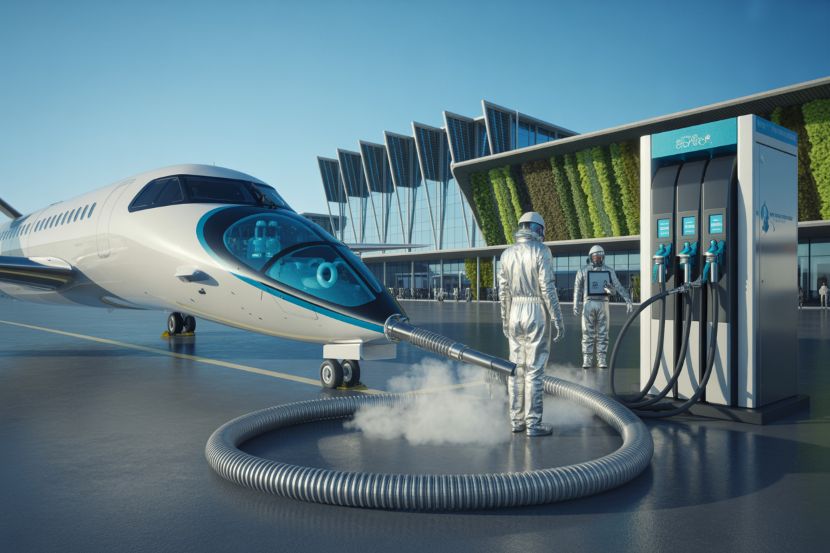 Image generated with Ai
Bristol Airport is making significant strides towards reducing aviation carbon emissions with the launch of a new liquid hydrogen (LH₂) refuelling project. Developed in partnership with Ultima Forma and funded by the airport’s Aviation Carbon Transition (ACT) Programme, this innovative initiative aims to support hydrogen-powered aircraft, which are expected to launch regional services in the coming years. This groundbreaking move is set to position Bristol at the forefront of global efforts to develop zero-emissions aviation.
The Need for Hydrogen-Powered Aviation
Advertisement
Advertisement
The aviation sector is under increasing pressure to reduce its environmental impact, with aviation emissions accounting for a significant share of global carbon emissions. Hydrogen-powered aircraft offer a promising solution, with the potential to significantly cut carbon emissions from air travel. However, the widespread deployment of hydrogen aviation requires the development of specialized infrastructure, including fuel storage and refuelling systems capable of handling liquid hydrogen.
Bristol Airport’s decision to launch a hydrogen refuelling project is a major step in making zero-emission regional flights a reality. The project focuses on building the necessary infrastructure to store and refuel hydrogen-powered aircraft, ensuring the region is prepared for the expected launch of regional hydrogen flights in the coming years.
Advertisement
Advertisement
Building the Infrastructure for Hydrogen Aviation
One of the main challenges in hydrogen aviation is the need for specialized storage and refuelling facilities. Liquid hydrogen must be stored at extremely low temperatures, specifically -253°C, which requires advanced engineering solutions. While hydrogen storage is already well-established in other industries, it has yet to be deployed at scale within airport environments.
Advertisement
Advertisement
Bristol Airport has teamed up with Ultima Forma to address these challenges. Ultima Forma’s study has delivered a detailed technical report outlining how a tailored LH₂ refuelling system could be built and operated at the airport. The collaboration between the airport and Ultima Forma focuses on developing engineering solutions for the carbon transition, paving the way for decarbonised aviation.
In addition to these engineering advancements, the ACT programme, launched in 2022, provides ongoing funding for projects aimed at reducing emissions from aviation and transport. This funding will help support the continued development of the hydrogen infrastructure and ensure that Bristol Airport remains at the cutting edge of sustainable aviation.
Advertisement
Advertisement
Hydrogen Aircraft in Development
Several companies, including ZeroAvia and Airbus, are already working on hydrogen-powered aircraft, with regional flights expected to become operational within the next few years. These companies are collaborating with airports like Bristol to ensure the necessary infrastructure is in place to support these aircraft.
As part of the development process, Bristol Airport aims to become one of the first airports in the UK to host hydrogen refuelling facilities, making it an essential hub for the future of regional hydrogen aviation. The airport’s role in supporting the emerging hydrogen aircraft industry highlights its commitment to sustainability and its strategic importance in the aviation sector.
The ACT Programme and its Role in the Airport’s Sustainability Efforts
Advertisement
Advertisement
The ACT Programme is integral to Bristol Airport’s efforts to reduce carbon emissions and improve sustainability within the aviation sector. The programme offers annual funding for projects designed to help reduce the environmental impact of aviation at the airport. By focusing on projects like the hydrogen refuelling system, the ACT Programme aligns with the airport’s broader goals of creating a more sustainable and environmentally friendly transport system.
The 2026 round of the ACT Programme will open in the spring, inviting organisations to apply for grants to help further advance zero-carbon aviation and other sustainability-focused projects. This continued investment in the future of decarbonised aviation underscores the airport’s commitment to becoming a leader in sustainable air travel.
What This Means for Businesses and Tourists
For businesses operating in and around Bristol Airport, the introduction of hydrogen refuelling infrastructure presents significant opportunities for growth in the green aviation sector. As the demand for sustainable transport solutions increases, companies involved in the development and deployment of hydrogen-powered aircraft will benefit from the airport’s investments in hydrogen infrastructure.
For tourists, the launch of the hydrogen refuelling system signals a future of cleaner and more sustainable air travel. While hydrogen-powered flights are still in development, their arrival in the coming years will provide environmentally conscious travellers with a new, low-emission option for regional air travel. With Bristol Airport leading the way in supporting this innovation, visitors will soon be able to enjoy a cleaner and more sustainable travel experience.
Quick Tips for Travellers and Tourists at Bristol Airport
Advertisement
Advertisement
- Stay Updated on Flight Options: While hydrogen-powered flights are not yet operational, it’s important to keep an eye on announcements from Bristol Airport and airlines involved in hydrogen aviation for updates on the launch of these services.
- Embrace Sustainable Travel: If you’re a frequent flyer, consider making sustainable travel choices, such as opting for flights from airports that are working toward carbon reduction initiatives like Bristol.
- Explore Bristol’s Green Initiatives: As Bristol continues to lead in sustainable transport solutions, be sure to explore other green initiatives in the city, such as cycling paths and public transport options.
- Consider Your Carbon Footprint: As the aviation industry moves toward hydrogen-powered flights, it’s a great time to start thinking about how you can reduce your carbon footprint when travelling.
Key Points for Tourists and Locals:
- Hydrogen Refuelling at Bristol Airport: The airport is preparing to support hydrogen-powered aircraft with a new liquid hydrogen refuelling system.
- Regional Hydrogen Flights: Hydrogen-powered regional flights are expected in the coming years, and Bristol Airport aims to be an early adopter of this technology.
- ACT Programme: Bristol Airport’s Aviation Carbon Transition Programme is funding sustainable aviation projects, including hydrogen refuelling infrastructure.
- Business Opportunities: The hydrogen aviation project presents growth opportunities for businesses involved in sustainable transport solutions.
- Future of Sustainable Travel: The introduction of hydrogen-powered flights offers a cleaner, greener alternative for future air travel.
Conclusion: Bristol Airport Leads the Charge in Zero-Carbon Aviation
Bristol Airport’s hydrogen refuelling project is a significant step towards making zero-emission aviation a reality. With the development of specialized infrastructure, including the liquid hydrogen refuelling system, Bristol is setting the stage for a future of sustainable aviation. As regional hydrogen flights are expected to launch in the coming years, tourists and businesses alike will benefit from cleaner, more environmentally friendly air travel options. With continued investment and innovation, Bristol Airport is helping to shape the future of aviation, providing travellers with a sustainable and exciting journey ahead.
Disclaimer: The Attached Image in This Article is AI Generated
Advertisement
