
Brunei After Thailand, Maldives, Singapore, Serbia, UAE, Indonesia, Mauritius, Ecuador, Bosnia and Herzegovina Allows Visa Free Entry for Chinese Tourists to Boost Tourism Economy, Here is What You Need To Know

Published
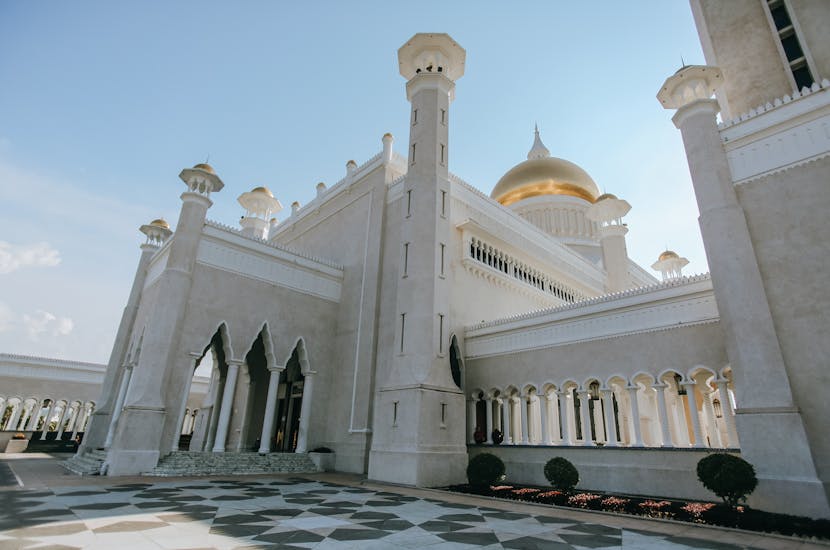 Image generated with Ai
Brunei Darussalam has taken a strategic leap in enhancing its tourism development efforts by announcing a visa-free entry policy for Chinese travelers starting March 8, 2025. In a move welcomed by stakeholders across the global travel industry, the country aims to significantly bolster Brunei tourism, increase tourist arrivals, and deepen bilateral tourism ties with China, one of the world’s most prolific outbound tourism markets.
Discover everything and anything about travel, tourism, trade shows only at Travel And Tour World, including breaking travel news and weekly travel updates for travel trade, airlines, cruise, railways, technology, travel association, DMCs, and video interviews and promotional videos.
The Immigration and National Registration Department of Brunei Darussalam confirmed that Chinese travelers holding ordinary passports with a validity of at least six months will now be allowed to enter through any designated entry point and stay in Brunei for up to 14 days without a visa.
This visa-free travel policy aligns with Brunei’s broader tourism policy, aimed at accelerating tourism growth, boosting tourism initiatives, and elevating its position in the competitive Southeast Asia travel market.
Advertisement
Advertisement
Visa-Free Countries for Chinese Tourists
| Country | Visa Requirement for Chinese Tourists | Maximum Stay Duration | Notes |
|---|---|---|---|
| Brunei Darussalam | Visa-Free (14 days) | 14 days | Effective March 8, 2025 |
| Thailand | Visa-Free (30 days) | 30 days | Tourism agreement in place |
| Maldives | Visa-Free (30 days) | 30 days | Popular island destination |
| Singapore | Visa-Free (30 days) | 30 days | Business and tourism travel allowed |
| Serbia | Visa-Free (30 days) | 30 days | No visa needed for short visits |
| United Arab Emirates | Visa-Free (30 days) | 30 days | Subject to reciprocity agreements |
| Indonesia | Visa-Free (30 days) | 30 days | ASEAN regional cooperation |
| Mauritius | Visa-Free (60 days) | 60 days | Strong diplomatic tourism ties |
| Ecuador | Visa-Free (90 days) | 90 days | South American tourism hub |
| Bosnia and Herzegovina | Visa-Free (30 days) | 30 days | Schengen-style tourism policy |
Chinese Travelers: A Vital Force for Brunei Tourism
With China ranking among the top sources of international tourist arrivals globally, this development marks a turning point for Brunei tourism. Chinese travelers are known for high spending power and strong interest in cultural tourism, eco-tourism, and luxury travel, making them a valuable demographic in Brunei’s tourism development strategy.
This latest travel industry news confirms Brunei’s intention to capitalize on post-pandemic travel recovery by tapping into the growing demand from the Chinese outbound tourism market. The travel sector is optimistic that this visa-free access will stimulate not just tourism growth, but also people-to-people ties, business exchanges, and cultural diplomacy.
Advertisement
Advertisement
Travel Industry Experts Welcome the Move
According to analysts, this policy could have a multiplier effect on the Brunei travel policy. Airlines, hotels, tour operators, and retailers are preparing for increased tourist arrivals, with Brunei airport forecasting a significant uptick in passenger volume from Chinese cities.
“This is a transformative moment in the travel industry news 2025 calendar,” said a senior official from a regional tourism board. “The implementation of this visa-free travel initiative will not only boost Brunei tourism but also elevate the travel industry landscape in Southeast Asia.”
Economic Boost and Market Diversification
By facilitating visa-free travel, Brunei positions itself to benefit from diversified tourism revenue streams. Increased Chinese travelers will positively impact hospitality, transport, local cuisine, and retail sectors, creating jobs and stimulating economic activity within the tourism sector.
Brunei’s push for tourism growth also comes at a time when the travel industry globally is shifting its attention toward emerging markets and sustainable tourism. Chinese tourists, known for engaging in high-value and experience-driven travel, could play a pivotal role in shaping the next wave of tourism development in Brunei.
Strengthening Bilateral Ties Through Travel
This development also carries geopolitical weight. A joint statement released by Brunei and China in February 2025 underlined mutual commitment to enhancing people-to-people ties, and this Brunei travel policy decision is a direct reflection of that diplomatic priority.
The symbolic and strategic impact of visa-free travel cannot be overstated—it sends a clear message about Brunei’s openness, hospitality, and readiness to engage with international travelers, especially from nations with whom it seeks deeper economic and cultural ties.
Advertisement
Advertisement
Infrastructure Preparedness and Capacity Building
As Brunei anticipates a rise in tourist arrivals, the government and private sector are ramping up infrastructure readiness. Upgrades at Brunei International Airport, expanded visa facilitation services, multilingual tour guides, and expanded hotel inventory are underway.
The travel industry anticipates a 30% increase in Chinese travelers during the first six months of implementation. Industry experts believe this surge will drive tourism initiatives such as new destination marketing campaigns, cross-border travel promotions, and digital travel services tailored to the Chinese market.
Regional Impact: A Model for Southeast Asia Travel
Brunei’s proactive tourism policy is setting an example for other Southeast Asia travel destinations that are also vying for a share of the Chinese market. Visa facilitation is increasingly becoming a competitive advantage in the global travel industry, and Brunei’s move is likely to inspire neighboring countries to adopt similar measures.
Tourism think tanks argue that Brunei could position itself as a hub for eco-conscious, heritage-rich, and culturally immersive experiences. Its unique Islamic heritage, pristine rainforests, and commitment to sustainable tourism offer a compelling proposition for Chinese travelers seeking destinations beyond the typical urban hubs.
Challenges and Opportunities
Despite the enthusiasm, the success of this visa-free travel policy will depend on marketing execution, infrastructure scalability, and service quality in the hospitality and travel industry. Ensuring a seamless travel experience will be crucial to converting first-time visitors into repeat tourists.
Travel experts emphasize the need for destination readiness, noting that Chinese travelers have high expectations in terms of digital connectivity, payment convenience, language accessibility, and hospitality standards.
Advertisement
Advertisement
If these elements are addressed effectively, Brunei stands poised to emerge as a premier Southeast Asia travel destination, enjoying the benefits of a booming travel sector well into 2025 and beyond.
In case you missed it:
Read Travel Industry News in 104 different regional platforms
Get our daily dose of news, by subscribing to our newsletters. Subscribe here.
Watch Travel And Tour World Interviews here.
Read more Travel News, Daily Travel Alert, and Travel Industry News on Travel And Tour World only.
Advertisement
