
South Africa Shakes Hands with Morocco and More Countries in Turning Traditional Cuisines into a Powerful Tourism Attractions

Published
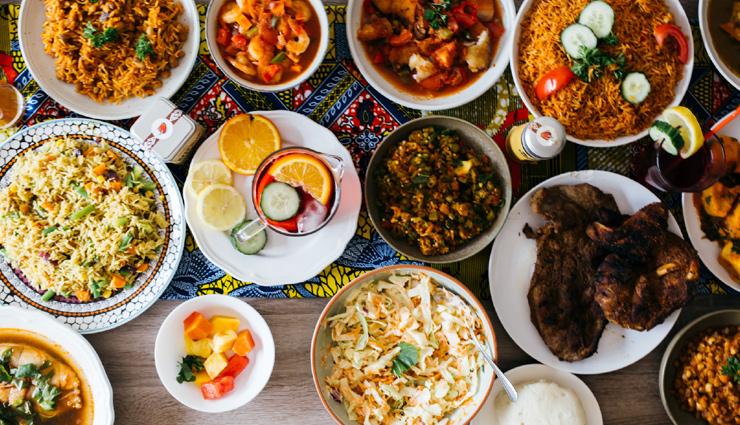
African countries are increasingly promoting gastronomy tourism to attract international visitors, preserve culinary traditions, support local businesses, and create new travel experiences beyond wildlife safaris and beach vacations. South Africa, Morocco, Tanzania, Zimbabwe, Ghana, Nigeria, Kenya, Ethiopia, Rwanda, Uganda, Tunisia, Egypt, Mauritius, and Seychelles are among the countries showcasing their distinctive food cultures through tourism campaigns, culinary festivals, traditional markets, cooking experiences, and agricultural tours. The movement is gaining momentum as governments and tourism organizations recognize food as an important part of destination development. Recent gastronomy initiatives in South Africa, Tanzania, and Zimbabwe demonstrate how African countries are turning culinary heritage into tourism opportunities.
Comprehensive table of African countries promoting gastronomy and food tourism
| African country | Prominent culinary tourism destinations | Signature foods and experiences | Promotion and official evidence |
|---|---|---|---|
| South Africa | Cape Town, Stellenbosch, Franschhoek, Johannesburg, Durban, KwaZulu-Natal | Braai, bobotie, bunny chow, Cape Malay cuisine, wine tasting, township dining | National framework and active promotion. Gastronomy Tourism Framework established in 2023; South African Tourism participating in Gastronomy Africa 2026. |
| Morocco | Marrakech, Fez, Rabat, Casablanca, Agadir, Essaouira | Tagine, couscous, pastilla, harira, mint tea, spice markets and cooking classes | Dedicated national destination marketing. Moroccan National Tourist Office promotes gastronomic journeys, regional specialties and traditional souks. |
| Tanzania | Arusha, Zanzibar, Dar es Salaam, Stone Town | Zanzibar spice tours, pilau, biryani, ugali, nyama choma, Swahili coastal cuisine | International institutional engagement. Hosted the second UN Tourism Regional Forum on Gastronomy Tourism for Africa, 23–25 April 2025. |
| Zimbabwe | Victoria Falls, Harare, Bulawayo, Great Zimbabwe region | Sadza, traditional vegetables, peanut-based dishes, indigenous grains, traditional cooking | International institutional engagement. Hosted the first UN Tourism Africa gastronomy forum in July 2024 and a gastronomy photography initiative. |
| Ghana | Accra, Kumasi, Cape Coast, Takoradi | Jollof rice, fufu, banku, waakye, kelewele, local food fairs | Active government-supported festival promotion. Ghana Tourism Authority supported Taste 69 @ 69 in March 2026, showcasing 69 indigenous dishes. |
| Kenya | Nairobi, Mombasa, Lamu, coastal tourism areas | Nyama choma, ugali, sukuma wiki, Swahili biryani, coastal seafood, street-food experiences | Destination-experience promotion. Magical Kenya includes curated culinary venues within its Signature Experiences Collection. |
| Ethiopia | Addis Ababa, Lalibela, Gondar, coffee-producing regions | Injera, doro wat, tibs, shiro, berbere, traditional coffee ceremonies | Official tourism-product marketing. Visit Ethiopia promotes coffee culture, food tours and traditional culinary experiences. |
| Rwanda | Kigali, Lake Kivu, Gisenyi, Nyungwe region | Rwandan coffee, tea, farm visits, coffee washing stations, traditional local cuisine | Official agritourism and beverage tourism. Visit Rwanda promotes coffee plantation tours and tea experiences. |
| Tunisia | Tunis, Sidi Bou Said, Sfax, Djerba, Hammamet | Harissa, Tunisian couscous, brik, olive oil, seafood and traditional pastries | Dedicated official gastronomy marketing. Discover Tunisia publishes tourism materials promoting traditional culinary heritage. |
| Egypt | Cairo, Alexandria, Luxor, Aswan | Koshary, ful medames, taameya, molokhiya, Egyptian bread, traditional desserts | Official culinary destination promotion. Experience Egypt maintains a dedicated gastronomy section for travellers. |
| Mauritius | Port Louis, Grand Baie, Mahébourg, island-wide food markets | Dholl puri, gateaux piments, biryani, fried noodles, Creole cuisine | Official food-tourism marketing. Mauritius Now promotes street food, traditional cooking and fine dining as visitor experiences. |
| Seychelles | Mahé, Praslin, La Digue | Creole curry, grilled seafood, coconut dishes, ladob, traditional food workshops | Explicit national culinary tourism promotion. Tourism Seychelles promotes Creole gastronomy, farm-to-table dining, festivals and community cooking workshops. |
Why Are African Countries Increasingly Promoting Gastronomy Tourism?
Africa’s tourism industry is expanding its focus beyond conventional attractions by placing traditional cuisine at the center of destination marketing. Countries across the continent are recognizing that food can influence where travelers go, how long they stay, and how they experience local communities.
Gastronomy tourism allows visitors to discover destinations through traditional dishes, local ingredients, cooking methods, agricultural practices, and food-related celebrations. Unlike conventional sightseeing, culinary experiences create direct connections between travelers and the people who produce and prepare food.
This approach also offers economic opportunities. Restaurants, farmers, market vendors, culinary guides, and small hospitality businesses can benefit when visitors spend money on local food experiences.
Advertisement
Advertisement
The growing emphasis reflects a broader effort to diversify tourism products and encourage cultural exploration. By promoting indigenous cuisines alongside established attractions, African destinations can appeal to travelers interested in authentic experiences.
However, the level of government involvement varies. Some countries have dedicated gastronomy strategies, while others incorporate food into broader tourism campaigns.
Advertisement
Advertisement
How Is South Africa Positioning Itself as a Leading Gastronomy Tourism Destination?
South Africa has taken an increasingly structured approach to culinary tourism by connecting its food culture with national tourism development.
The country’s Gastronomy Tourism Framework, introduced in 2023, recognizes culinary experiences as potential drivers of economic growth, entrepreneurship, and cultural preservation.
South African Tourism reinforced this direction in October 2026 by announcing its participation in Gastronomy Africa 2026, scheduled for October 19–20 in KwaZulu-Natal.
The initiative emphasizes the importance of making food an attraction that encourages travelers to choose South Africa rather than treating dining as an incidental part of their visits.
Cape Town and the surrounding Winelands offer internationally recognized culinary experiences, including wine tastings, regional cuisine, and farm-to-table dining. Durban provides opportunities to explore Indian-influenced food traditions, particularly bunny chow.
Traditional braai, bobotie, and Cape Malay cooking also represent important elements of the country’s culinary identity.
Advertisement
Advertisement
By combining established restaurants with community-based culinary experiences, South Africa aims to spread tourism benefits across different businesses and destinations.
Why Is Morocco Already an Established Destination for Food-Focused Travelers?
Morocco has developed a strong international reputation for cuisine that reflects Amazigh, Arab, Mediterranean, and African influences.
The Moroccan National Tourist Office promotes gastronomy as an essential part of the country’s cultural tourism experience. Visitors are encouraged to explore traditional cooking, regional ingredients, historic markets, and dining customs.
Marrakech is particularly attractive to culinary travelers because of its bustling food markets, traditional restaurants, and cooking workshops.
Fez offers another important experience through its historic medina, where food traditions remain closely connected to daily life.
Traditional dishes such as tagine, couscous, pastilla, and harira provide opportunities for travelers to understand regional identities.
Advertisement
Advertisement
Moroccan mint tea ceremonies and spice markets also add cultural dimensions to food-related itineraries.
The country’s established tourism infrastructure helps operators combine gastronomy with architecture, history, shopping, and desert excursions.
Morocco demonstrates how traditional cuisine can strengthen an existing tourism brand while encouraging visitors to explore destinations beyond the most familiar attractions.
How Are Tanzania and Zimbabwe Strengthening Africa’s Gastronomy Tourism Movement?
Tanzania and Zimbabwe have played important roles in advancing discussions about gastronomy tourism through international cooperation.
Zimbabwe hosted the first UN Tourism Regional Forum on Gastronomy Tourism for Africa in July 2024. The gathering provided a platform to discuss how traditional food could contribute to tourism development, cultural identity, and community participation.
Tanzania subsequently hosted the second regional forum in Arusha from April 23–25, 2025.
Advertisement
Advertisement
These events highlighted the potential for African destinations to develop food-related tourism products while strengthening connections between agriculture, hospitality, and cultural heritage.
Tanzania offers distinctive culinary experiences in Zanzibar, where spices, seafood, and Swahili cooking reflect centuries of cultural exchange.
Travelers can explore spice farms, traditional markets, and local dining experiences.
Zimbabwe offers indigenous grains, traditional vegetables, sadza, and regional cooking traditions.
Together, the two countries demonstrate how gastronomy tourism can complement established wildlife, nature, and heritage tourism attractions.
What Makes Ghana and Nigeria Important Markets for West African Food Tourism?
Ghana and Nigeria are using distinctive culinary identities to strengthen their appeal to culturally curious travelers.
Advertisement
Advertisement
Ghana has promoted traditional foods through government-supported initiatives, including the Taste 69 @ 69 celebration in March 2026, which showcased 69 indigenous dishes.
The initiative emphasized the importance of preserving regional recipes while introducing visitors to the country’s diverse food traditions.
Accra, Kumasi, and Cape Coast offer opportunities to discover jollof rice, fufu, banku, waakye, and kelewele.
Nigeria offers an equally varied culinary landscape. Lagos, Abuja, Calabar, and Kano provide access to regional dishes, local markets, and food-centered cultural events.
Popular specialties include Nigerian jollof rice, suya, egusi soup, pepper soup, and pounded yam.
Nigeria’s federal tourism authorities have also recognized food festivals and culinary activities as elements of cultural promotion.
Advertisement
Advertisement
For both countries, gastronomy tourism provides opportunities to engage international visitors, returning diaspora communities, restaurants, food entrepreneurs, and cultural organizations.
How Are Kenya, Uganda, Ethiopia, and Rwanda Developing Culinary Travel Experiences?
East Africa is developing food-related tourism experiences that complement its established wildlife, cultural, and natural attractions. Kenya, Uganda, Ethiopia, and Rwanda offer different approaches shaped by their agricultural traditions and regional cuisines.
Kenya promotes cultural experiences that include Swahili coastal cooking, traditional meals, and distinctive dining venues. Nairobi, Mombasa, and Lamu provide opportunities to discover nyama choma, ugali, and seafood specialties.
Uganda has recognized the tourism potential of its popular rolex street food, prepared using chapati and eggs. Its tourism authorities have supported initiatives connecting local food vendors with the visitor economy.
Ethiopia’s culinary tourism identity is closely associated with injera, traditional stews, and coffee ceremonies. Coffee experiences help visitors understand the country’s agricultural and cultural heritage.
Rwanda promotes coffee and tea tourism through plantation visits and production experiences. These activities allow travelers to explore rural communities while learning how locally grown products reach international markets.
Advertisement
Advertisement
Why Are Tunisia and Egypt Highlighting Traditional Cuisine in Their Tourism Campaigns?
Tunisia and Egypt are incorporating traditional food into cultural tourism promotion, allowing visitors to experience local lifestyles beyond famous historical attractions.
Tunisia’s official tourism marketing highlights the country’s Mediterranean and North African culinary heritage. Tunis, Sfax, and Djerba offer distinctive food experiences shaped by regional ingredients and cooking traditions.
Harissa, couscous, brik, olive oil, and seafood are important elements of Tunisian cuisine. Traditional markets also provide opportunities to discover local spices, preserved foods, and pastries.
Egypt similarly presents gastronomy as part of its destination experience through official tourism information.
Cairo and Alexandria offer travelers opportunities to discover koshary, ful medames, taameya, and traditional Egyptian desserts.
In Luxor and Aswan, regional cooking adds another dimension to cultural and historical itineraries.
Advertisement
Advertisement
Both countries demonstrate how established heritage destinations can develop culinary experiences that encourage visitors to explore neighborhoods, markets, and local businesses while gaining a deeper understanding of everyday life.
How Are Mauritius and Seychelles Using Island Cuisine to Diversify Tourism?
Mauritius and Seychelles are increasingly emphasizing their culinary identities as complementary attractions to their established beach and resort tourism industries.
Mauritius offers a distinctive blend of Indian, African, Chinese, and European culinary influences. Its official tourism promotion highlights street food, traditional cooking, and contemporary dining experiences.
Port Louis is particularly attractive for travelers interested in exploring local markets and street-food stalls. Popular specialties include dholl puri, gateaux piments, biryani, and Creole dishes.
Seychelles promotes traditional Creole gastronomy through local cooking, seafood dishes, cultural experiences, and community engagement.
Visitors can explore the culinary traditions of Mahé, Praslin, and La Digue through restaurants, markets, and selected cooking activities.
Advertisement
Advertisement
These experiences create opportunities for tourism businesses to connect travelers with farmers, fishers, and local food producers.
For both island nations, culinary tourism provides an additional reason for visitors to venture beyond beaches and discover local communities and cultural traditions.
Which African Countries Are Promoting Gastronomy Tourism in 2026?
The following table summarizes 14 African countries with identifiable official tourism promotion, government-supported culinary activities, or documented food-related visitor experiences.
| Country | Major food tourism destinations | Main culinary attractions | Tourism promotion focus |
|---|---|---|---|
| South Africa | Cape Town, Durban, Stellenbosch | Braai, Cape Malay cuisine, wine | National gastronomy strategy |
| Morocco | Marrakech, Fez, Casablanca | Tagine, couscous, traditional markets | Culinary heritage tourism |
| Tanzania | Zanzibar, Arusha | Spice tours, Swahili cuisine | Regional gastronomy cooperation |
| Zimbabwe | Victoria Falls, Harare | Sadza, indigenous grains | Sustainable food tourism |
| Ghana | Accra, Kumasi | Jollof rice, fufu, kelewele | Indigenous food festivals |
| Nigeria | Lagos, Abuja, Calabar | Suya, egusi, jollof rice | Food festivals and cultural tourism |
| Kenya | Nairobi, Mombasa, Lamu | Nyama choma, coastal cuisine | Culinary visitor experiences |
| Ethiopia | Addis Ababa, coffee regions | Injera, coffee ceremonies | Coffee and cultural tourism |
| Rwanda | Kigali, Lake Kivu | Coffee, tea, local cuisine | Agricultural tourism |
| Uganda | Kampala, Entebbe | Rolex, matooke, luwombo | Street-food tourism |
| Tunisia | Tunis, Sfax, Djerba | Harissa, couscous, olive oil | Traditional gastronomy |
| Egypt | Cairo, Alexandria, Aswan | Koshary, ful medames, taameya | Cultural culinary tourism |
| Mauritius | Port Louis, Mahébourg | Dholl puri, Creole food | Street-food and island tourism |
| Seychelles | Mahé, Praslin, La Digue | Creole curries, seafood | Sustainable culinary experiences |
These countries do not necessarily operate equivalent national gastronomy programs. Their inclusion reflects different levels of documented tourism promotion and product development.
What Does Africa’s Growing Gastronomy Tourism Movement Mean for Future Travel?
Africa’s increasing emphasis on gastronomy tourism could reshape how destinations attract visitors and distribute tourism spending.
Food experiences provide opportunities to connect international travelers with communities that might otherwise receive limited benefits from established tourism activities.
Advertisement
Advertisement
Traditional markets, small restaurants, farms, cooking workshops, and food festivals can become valuable additions to conventional itineraries.
The approach is especially relevant for destinations seeking to extend visitor stays and encourage exploration beyond major attractions.
However, successful development requires more than promoting popular dishes. Tourism authorities and businesses must consider hygiene standards, accessibility, hospitality training, reliable transportation, and the commercial readiness of local operators.
Protecting culinary heritage is equally important. Indigenous recipes and food traditions must remain connected to the communities that maintain them.
South Africa’s latest gastronomy initiatives, alongside earlier regional forums in Tanzania and Zimbabwe, illustrate the increasing institutional attention being given to this sector.
As African destinations develop more accessible and distinctive food experiences, gastronomy could become a stronger influence on international travel decisions.
Advertisement
Advertisement
The continent’s culinary diversity offers substantial potential. Turning that potential into lasting tourism growth will depend on collaboration between governments, local communities, food producers, and hospitality businesses.
Africa’s growing culinary tourism movement highlights a significant change in how destinations attract international visitors. Countries are increasingly using traditional food, indigenous ingredients, and regional cooking traditions to diversify their tourism offerings. Government-backed initiatives, culinary festivals, and agricultural experiences are creating opportunities for local businesses while strengthening cultural identity. The transformation is driven by growing interest in authentic travel experiences and the need for more inclusive tourism development. Although countries are progressing at different speeds, their shared emphasis on culinary heritage could encourage longer visits, wider tourism spending, and stronger community participation, positioning the continent for sustainable growth.
Advertisement
