
Middle East Faces 52 Delays and 18 Cancellations Affecting Travel across Dubai and Other Gulf Airports

Published
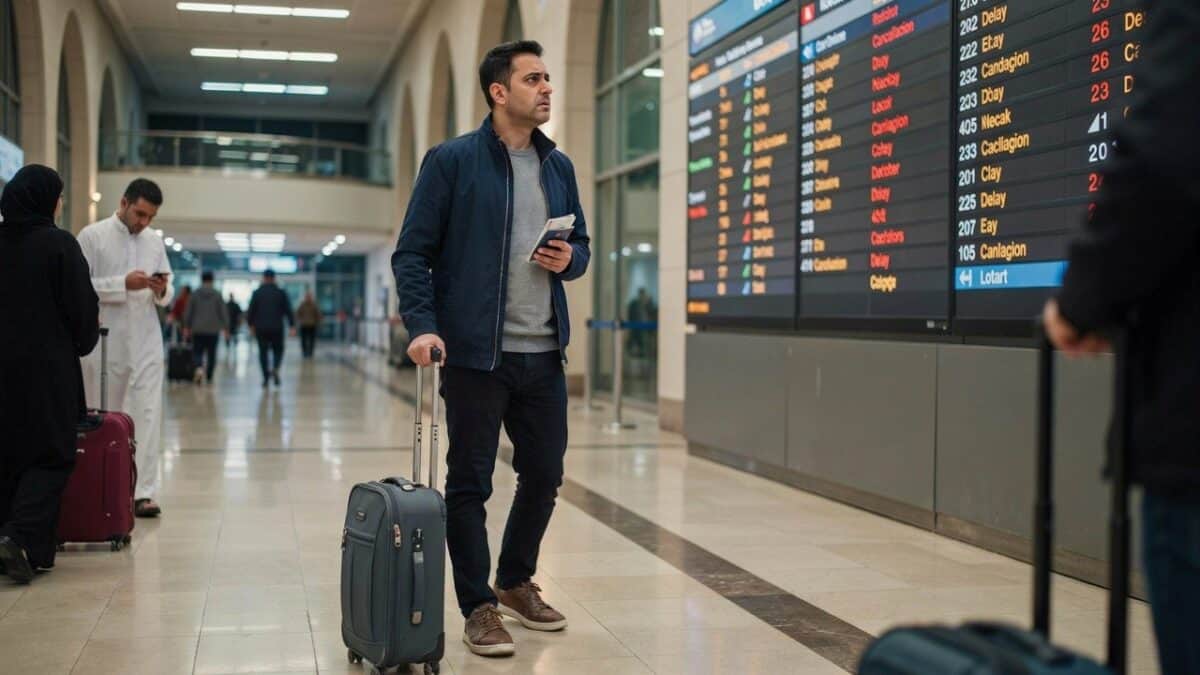
The Middle East is facing more travel disruption, with 52 delays and 18 cancellations affecting passengers across Dubai and other Gulf airports amid ongoing operational challenges. Airlines adjust schedules, move aircraft and operate airports as major aviation hubs come under pressure. Dubai continues to be one of the most affected locations, with other Gulf airports also being disrupted, impacting passengers traveling to the region and beyond. The disruptions are creating problems for passengers with onward journeys, business trips and holiday plans. Airlines and airport authorities are trying to handle the situation by modifying operations and helping affected travelers. Travelers are reminded to check the latest travel information before going to airports and to be prepared for possible changes to their journey plans.
Gulf Aviation Network Faces Widespread Delays as Major Airports Experience Pressure
The Middle East remains one of the world’s most important aviation regions, connecting Europe, Asia, Africa and the Americas through major transit hubs. Any disruption at these airports can quickly affect thousands of passengers because many travellers depend on Gulf airports for connecting journeys.
Advertisement
Advertisement
According to the provided airport data, the region recorded:
| Airport | Country | Delays | Cancellations |
|---|---|---|---|
| Dubai International Airport | UAE | 368 | 7 |
| Hamad International Airport | Qatar | 143 | 1 |
| King Khalid International Airport | Saudi Arabia | 90 | 2 |
| Sharjah International Airport | UAE | 87 | 5 |
| Kuwait International Airport | Kuwait | 48 | 1 |
| Abha Regional Airport | Saudi Arabia | 16 | 2 |
The combined impact across these Middle Eastern airports reached 770 disrupted operations, including 752 delays and 18 cancellations.
Advertisement
Advertisement
Dubai International Airport emerged as the most affected aviation hub in the data, accounting for nearly half of all reported delays. As one of the busiest international airports globally, delays at Dubai can create a wider ripple effect for passengers connecting through the UAE.
Dubai, Doha, Riyadh and Sharjah Airports See Highest Passenger Impact
Dubai International Airport Leads Regional Disruption With 368 Delays
Dubai International Airport recorded 368 delays and seven cancellations, making it the most affected airport among the listed Middle Eastern hubs.
Advertisement
Advertisement
Dubai serves as a major global transfer point, and even short operational delays can affect passengers travelling across multiple continents. Delays at the airport can influence onward connections, baggage transfers and scheduled travel plans.
The high number of delays also affected FlyDubai, which recorded 118 delays and four cancellations. As a Dubai-based airline with an extensive regional network, operational challenges can impact passengers travelling between Gulf cities and international destinations.
Hamad International Airport Reports 143 Delays in Qatar
Qatar’s Hamad International Airport recorded 143 delays and one cancellation.
The Doha hub plays a critical role in connecting passengers through Qatar Airways’ global network. Delays at Hamad International Airport can affect passengers transferring between Asia, Europe, Africa and the Middle East.
Although cancellations remained limited compared with other airports, the number of delays indicates continued pressure on airport operations and passenger movement.
Saudi Arabian Airports Face Delays Across Riyadh and Abha
Saudi Arabia also experienced disruption across its airports.
Advertisement
Advertisement
King Khalid International Airport in Riyadh recorded 90 delays and two cancellations, while Abha Regional Airport reported 16 delays and two cancellations.
The impact highlights how disruption is not limited only to major international hubs. Regional airports can also experience operational challenges when aircraft rotations and airline schedules are affected.
UAE and Saudi Airlines Experience Operational Challenges
Airlines operating across the Middle East were also affected by the disruption.
| Airline | Country | Cancellations | Delays |
|---|---|---|---|
| FlyDubai | UAE (Dubai) | 4 | 118 |
| Air Arabia | UAE (Sharjah) | 5 | 67 |
| Saudia | Saudi Arabia | 2 | 56 |
FlyDubai Records Highest Airline Delays
FlyDubai experienced the highest number of delays among the listed airlines, with 118 delayed operations and four cancellations.
The airline’s extensive regional and international network means delays can affect passengers travelling across Gulf destinations and beyond.
Air Arabia Sees Five Cancellations at Sharjah
Air Arabia recorded 67 delays and five cancellations, the highest cancellation figure among the listed airlines.
Advertisement
Advertisement
Operating from Sharjah International Airport, the airline connects many regional and international destinations, meaning disruptions can directly affect holidaymakers, business travellers and connecting passengers.
Saudia Operations Affected With 56 Delays
Saudi Arabia’s national carrier Saudia reported 56 delays and two cancellations.
As one of the region’s largest airlines, delays can impact passengers travelling between Saudi cities and international destinations.
What Affected Passengers Should Do Now
Passengers facing delays or cancellations should take immediate steps to protect their travel plans.
Check Airline Updates Before Travelling
Travellers should regularly check airline websites, mobile applications and airport information systems for the latest updates. Airline notifications often provide the fastest information about schedule changes, rebooking options and revised departure times.
Arrive Early and Prepare for Longer Waiting Times
Passengers travelling through affected airports should arrive earlier than usual. Longer queues at check-in counters, security areas and customer service desks may occur during periods of disruption.
Advertisement
Advertisement
Contact Airlines for Rebooking Options
Passengers affected by cancellations should contact their airline directly to understand available alternatives. Airlines may offer rebooking, refunds or travel adjustments depending on the circumstances.
Keep Travel Documents and Receipts
Travellers should keep boarding passes, booking confirmations and receipts for additional expenses such as food, transport or accommodation. These records may be required for future claims or reimbursement requests.
Middle East Travel Disruption Highlights Growing Pressure on Gulf Aviation Hubs
The latest disruption figures underline the importance of Gulf airports within global aviation. Dubai, Doha, Riyadh, Sharjah and Kuwait are not only regional airports but also major international gateways connecting millions of passengers every year.
With 752 delays and 18 cancellations recorded across the affected airports, passengers across the Middle East should remain prepared for possible schedule changes. Airlines and airports are continuing to manage operational pressures while travellers are advised to stay informed and maintain flexible travel arrangements.
Data Verification Notice
The data has been extensively curated by our editorial team using real-time aviation figures recorded on 28 August 2026 at 4:59 pm ET USA (29 August 2026, 1:00 am GST).
Primary Source: FlightAware.
Verification Protocol: All statistics have been independently reviewed and cross-checked by our human editorial desk. Timestamped records, data logs and feed snapshots are securely archived internally to support historical accuracy and editorial transparency.
Note: Real-time flight-tracking figures reflect active airspace and operational data. Minor variations may occur when compared with information displayed at individual airport terminals or airline departure gates.
You can also read our earlier published articles on flight disruptions. Click here.
.
Advertisement
