
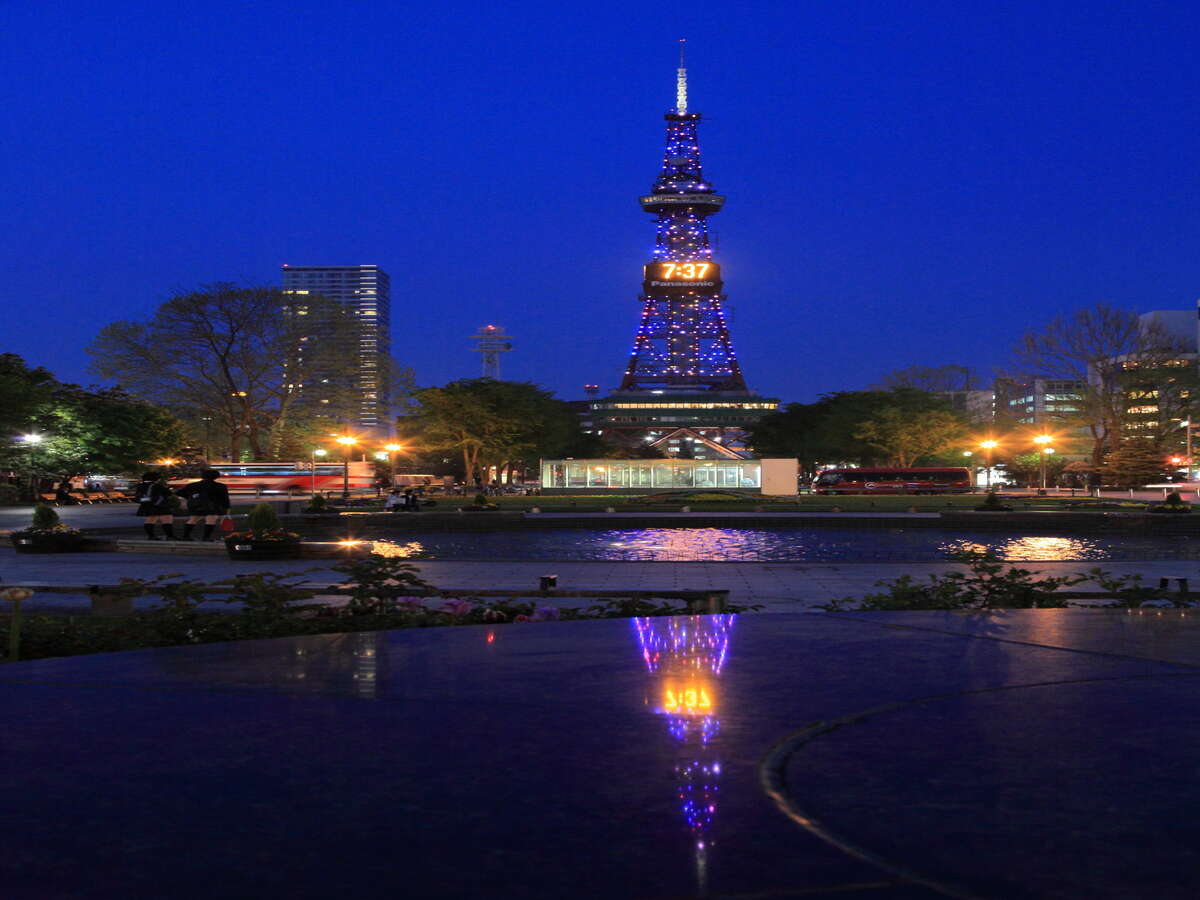
Image generated with Ai
Joining Greece and many other countries, Japan introduces overtourism regulations and tourist fees in its efforts to foster sustainable tourism. A revolution in global tourism is being witnessed in 2026 as Japan follows in the footsteps of Greece, Italy, Spain, Thailand, Indonesia, and other tourist hotspots by introducing overtourism regulations. Rather than concentrating merely on growing the number of tourists, governments are beginning to introduce tourist fees and regulations for their safety.
The rapid recovery of international tourism has brought enormous economic benefits, but it has also created new challenges. Famous destinations are facing crowded streets, pressure on public infrastructure, environmental damage, rising housing costs and disruption to local lifestyles. As a result, tourism authorities worldwide are adopting a new approach — encouraging responsible travel while ensuring destinations remain protected for future generations.
Tourist taxes are becoming one of the most widely adopted tools in this transformation. These charges are designed not simply to collect revenue but to fund conservation projects, improve infrastructure, manage visitor flows and reduce the negative effects of excessive tourism.
Japan has emerged as one of the leading countries introducing stronger tourism management measures. The country has experienced a surge in international visitors, creating pressure on destinations including Kyoto, Mount Fuji and Fujikawaguchiko.
Advertisement
Advertisement
One of the biggest concerns has been Mount Fuji, where increasing visitor numbers have created challenges including littering, congestion and unsafe climbing behaviour. Authorities have introduced climbing controls, environmental fees and visitor management systems to protect the mountain’s fragile ecosystem.
The Yoshida Trail on Mount Fuji has introduced measures including:Japan Tourism Measure Details Sustainability Purpose Mount Fuji climbing fee Visitor contribution for access Supports conservation and safety management Daily visitor management Controls overcrowding during peak periods Protects natural environment Transport management around Fujikawaguchiko New pickup arrangements and congestion controls Reduces traffic pressure Visitor etiquette campaigns Promotes responsible behaviour Protects local communities
Japan is also increasing tourism-related charges in major cities. Kyoto has expanded accommodation tax measures, with higher charges for visitors staying in premium hotels. The revenue is directed towards infrastructure improvements, cultural preservation and managing tourism pressure.
The partnership between Uber Japan and Fujikawaguchiko municipality represents another stage of Japan’s strategy. Instead of restricting tourism completely, authorities are using technology to manage tourist movement. Uber will support designated pickup locations away from crowded areas and use app-based messaging to encourage respectful travel behaviour.
Advertisement
Advertisement
This reflects Japan’s wider goal — allowing travellers to experience iconic destinations while reducing the impact on residents.
Greece has become another major destination confronting overtourism, particularly on islands such as Santorini and Mykonos. These destinations have welcomed millions of visitors, but peak-season crowds have placed significant pressure on infrastructure, beaches and local communities.
The government has introduced new measures focusing on cruise tourism management.Greece Measure Details Sustainability Goal Cruise passenger fee Charges applied depending on destination and season Funds island infrastructure Visitor management Controls extreme peak-season pressure Protects local quality of life Port improvements Revenue supports facilities Handles tourism demand sustainably
Cruise tourism has been a particular concern because thousands of visitors can arrive within a few hours, creating sudden pressure on small island communities.
The introduction of cruise-related charges allows Greece to collect funds directly from high-volume tourism activities and reinvest them into destination protection.
Santorini, with its limited space and fragile environment, represents the challenge facing many Mediterranean destinations: tourism provides vital income, but uncontrolled growth can damage the very landscapes attracting visitors.
Italy’s Venice has become one of the most recognised examples of overtourism management worldwide.
The historic city has faced enormous pressure from day visitors, cruise passengers and overcrowded streets. Concerns over damage to heritage structures and the fragile lagoon ecosystem have pushed authorities to introduce stricter controls.
Venice introduced a day-trip entry fee during busy periods.Italy Measure Details Sustainability Benefit Venice access fee €5–€10 depending on conditions Helps manage visitor numbers Visitor registration Requires planning before arrival Improves crowd monitoring Cruise restrictions Limits pressure on fragile areas Protects lagoon ecosystem
The objective is not to stop tourism but to encourage more balanced travel patterns. Overnight visitors, who generally contribute more to the local economy, remain a priority compared with short day trips that create congestion.
Venice’s model has influenced other destinations considering similar tourism contribution systems.
Spain continues to attract record-breaking numbers of international visitors, but popular destinations including Barcelona, Mallorca and the Canary Islands are facing growing concerns about overcrowding and housing pressure.
Authorities have responded with multiple measures:Spain Measure Details Sustainability Impact Tourist accommodation taxes Charges applied in several regions Funds destination management Short-term rental restrictions Limits excessive tourist housing conversion Protects local communities Cruise tourism management Controls high-volume arrivals Reduces congestion
Barcelona has focused particularly on controlling tourist accommodation growth, aiming to protect housing availability for residents while maintaining tourism benefits.
The Balearic Islands also use sustainable tourism taxes to support environmental projects, water management and heritage protection.
Spain’s approach highlights a wider debate: destinations must balance tourism revenue with residents’ ability to live comfortably in popular locations.
Thailand has long been one of Asia’s most visited countries, with destinations such as Phuket, Maya Bay and Phi Phi Islands experiencing intense visitor pressure.
The country has introduced measures focused on sustainable tourism management.Thailand Measure Details Sustainability Purpose International visitor fee Around 300 baht planned entry charge Supports tourism infrastructure National park controls Visitor management and closures Allows environmental recovery Destination protection rules Limits damage in sensitive areas Preserves ecosystems
Maya Bay became a global example of overtourism damage after authorities temporarily closed the attraction to allow marine ecosystems to recover.
Thailand’s strategy focuses on ensuring natural attractions are not sacrificed for short-term visitor growth.
Bali remains one of Asia’s most popular destinations, but rapid tourism expansion has created challenges including waste management problems, traffic congestion and environmental pressure.
To address these issues, Bali introduced a foreign tourist levy.Indonesia Measure Details Sustainability Benefit Foreign visitor tax IDR 150,000 (around US$10) Supports cultural and environmental protection Waste management initiatives Tourism funding support Reduces environmental impact Cultural preservation Supports local heritage Protects Balinese traditions
The levy represents Bali’s attempt to move away from uncontrolled mass tourism towards a higher-value and more responsible tourism model.
Other European destinations are also strengthening overtourism policies.
Amsterdam has introduced higher tourism taxes and restrictions aimed at reducing excessive visitor concentration and managing disruptive tourism patterns.
Norway is focusing on protecting fragile natural landscapes, including fjords and rural destinations affected by increasing visitor numbers.Country Main Challenge Response Netherlands Mass tourism in Amsterdam Higher visitor taxes and tourism controls Norway Pressure on natural attractions Local tourism levies and conservation funding
These measures reflect a common global trend: destinations want tourism revenue but need systems that prevent environmental and social damage.
The tourism industry is entering a new phase where destinations are no longer measuring success only through visitor numbers.
Countries introducing new restrictions and tourist fees are attempting to create a more sustainable balance between economic growth, environmental protection and community wellbeing.Country Main Rule Or Fee Main Sustainability Goal Japan Mount Fuji fees, accommodation taxes, visitor management Protect heritage and natural sites Greece Cruise visitor charges Manage island pressure Italy Venice entry fee Preserve historic city Spain Tourist taxes and rental controls Protect communities Thailand Visitor fee and nature controls Restore ecosystems Indonesia Bali tourism levy Protect culture and environment Netherlands Higher tourism taxes Reduce mass tourism pressure Norway Local tourism charges Protect natural landscapes
For travellers, the future may involve more fees, registrations and planning requirements. However, these changes are designed to ensure that iconic destinations remain accessible, authentic and sustainable.
Japan becomes one of several countries that use new regulations, fees for tourists and sustainability practices to tackle overtourism at its tourist locations.
Global reaction to overtourism signals one of the biggest changes that the travel industry faces as we change from bringing unlimited tourists into better managed experiences.
Image Source : https://www.japan.travel/en/japan-photo-and-video-library/#hokkaido
Advertisement
Advertisement
Advertisement













Saturday, September 5, 2026
Saturday, September 5, 2026

Saturday, September 5, 2026

Saturday, September 5, 2026

Saturday, September 5, 2026

Saturday, September 5, 2026
Saturday, September 5, 2026

Saturday, September 5, 2026



