
Canadian Tourists Are Deserting US: You Need to Know The Shocking Reason

Published
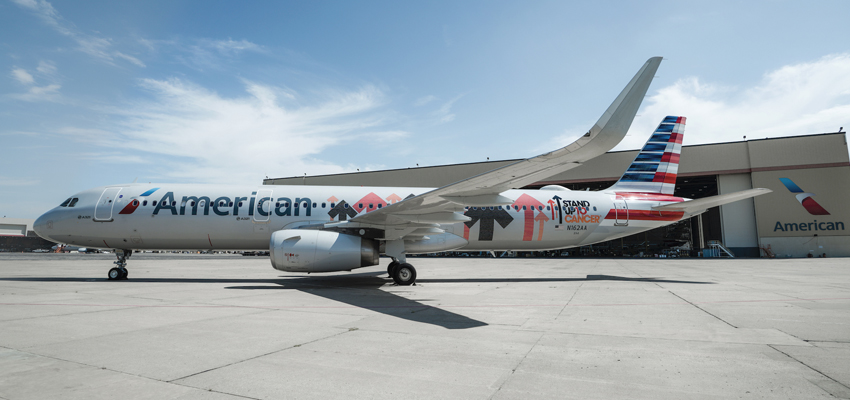 Image generated with Ai
A profound transformation is currently being observed within the North American travel market as geopolitical tensions reshape traditional movement patterns between neighboring nations. It has been noted that tourism from Canada to the U.S. experienced a sharp nosedive that has persisted for over a year, largely attributed to the imposition of tariffs and recurring diplomatic friction. During this period, the aviation industry has been forced to adapt to a cooling climate in transborder travel, with a pivotal reduction in the number of Canadians returning home from American destinations. Specifically, in the final months of 2025, air travel volume saw a decline of approximately 20%. Consequently, Canadian airlines have been observed reducing their flight capacity by 10% for the first quarter of 2026. This downward trend in international visitor numbers has prompted major carriers to re-evaluate their route networks and cross-border connectivity strategies.
Quantitative Analysis of Airline Capacity Reductions
The impact of the current political climate is clearly reflected in the data provided by flight log tracking services. According to information gathered by OAG Aviation, a substantial decrease in available seats has been implemented by several key players in the Canadian market. It was observed that WestJet enacted a 19% reduction in capacity, while the low-cost carrier Flair Airlines saw a much more drastic decrease of 58%. Even the national flag carrier, Air Canada, was forced to implement a 7% reduction in its transborder offerings.
These cuts have primarily affected routes to smaller cities in the United States where high demand was previously forecasted for the tourist season. The strategic withdrawal of these flights suggests a broader shift in consumer behavior, as Canadian travelers appear to be avoiding the United States in response to the administrative actions of President Donald Trump. This period of lower demand has created a vacuum in the market, leading to a significant reorganization of scheduled services for the early months of 2026.
Strategic Counter-Movements by American Carriers
While Canadian airlines have focused on contraction, certain American entities are adopting a more opportunistic stance. A calculated risk is being taken by some carriers who anticipate an eventual stabilization of relations or seek to capitalize on a burgeoning trend of liberal Americans choosing to spend their tourism dollars in Canada as a form of protest. American Airlines, in particular, has emerged as a dominant force in this regard.
Advertisement
Advertisement
In September 2025, a landmark codeshare partnership was signed between the Dallas-based airline and Porter Airlines, a Toronto-based low-cost carrier. This agreement was designed to bridge the gap for travelers seeking access to smaller Canadian cities that were previously underserved by direct international flights. Through this collaboration, passengers can now more easily reach destinations such as Edmonton, Thunder Bay, Fort McMurray, and Moncton. This partnership represents a milestone in American Airlines’ expansion strategy, positioning it to capture a larger share of the evolving North American travel landscape.
The Expansion of New Routes to Quebec and Calgary
Further evidence of this strategic pivot was provided this week with the announcement of two new year-round routes from New York’s JFK airport. These services are slated to begin in the summer of 2026, targeting iconic Canadian destinations. Daily service to Jean Lesage International Airport (YQB) in Quebec City is scheduled to commence on August 5. This route will be operated using a 76-seat Embraer E175 aircraft, providing a direct link for East Coast residents to a city frequently described as the most European destination in North America.
Advertisement
Advertisement
Following closely, a thrice-weekly service to Calgary International Airport (YYC) is planned for launch on August 6. Due to the anticipated volume of passengers and the distance involved, this route will utilize the larger 172-seat Boeing 737 MAX 8. Unlike seasonal offerings that often fluctuate based on holiday demand, these flights are intended to operate throughout the year. The commitment to permanent scheduling indicates a high level of confidence in the long-term viability of the Canadian market, despite the volatility seen in the opposite direction.
Competitive Dynamics in the Canadian Gateway Cities
The entry of American Airlines into the JFK-to-Quebec City market places it in direct competition with established regional players. It is noted that Quebec City has historically been a highly popular summer destination for Americans, particularly those residing on the East Coast. While Air Canada already serves the region from Newark Liberty International Airport (EWR), and WestJet has operated the JFK-to-Quebec route for several years, the addition of American Airlines adds a new layer of competition to the corridor.
Calgary has also become a focal point for American Airlines’ massive push into Western Canada. Recent route launches have connected Calgary with Charlotte Douglas International Airport (CLT) and New York’s LaGuardia Airport (LGA). This concentration of resources in the Alberta region suggests that the airline is banking on the city’s status as a gateway to the Canadian Rockies and a hub for business and energy sectors. By diversifying its entry points into Canada, the carrier is effectively insulating itself from the nosedive in southward tourism.
The Influence of Political Protest on Tourism Dollars
A unique factor in the current market shift is the emergence of the protest traveler. It has been observed that a growing number of Americans are intentionally redirecting their vacation spending toward Canada to express dissatisfaction with the Trump administration’s policies. This influx of American visitors is being actively courted by the Canadian hospitality sector. Some hotels have even introduced specific discounts and marketing campaigns aimed at this demographic, often referred to as anti-Trump discounts.
This social and political phenomenon is creating a stabilizing effect for Canadian tourism. While the loss of Canadian visitors to the U.S. remains a significant blow to American resorts and theme parks, the reciprocal growth of American interest in Canada provides a necessary buffer for the northern economy. The strategic alliance between American Airlines and Porter Airlines is perfectly timed to facilitate this shift, making it easier for American travelers to explore deep into the Canadian interior.
Futuristic View for the Aviation Industry in 2026
As 2026 progresses, the aviation industry remains in a state of flux. The disparity between Canadian and American airline strategies highlights the complexity of modern transborder relations. While capacity is being slashed by national flag carriers in the north to mitigate losses, the expansion of year-round routes from New York suggests that the demand for Canadian experiences remains robust among the American public.
Advertisement
Advertisement
The successful implementation of the codeshare partnership between American Airlines and Porter Airlines will likely be watched closely by other industry stakeholders. If the bet on Canadian growth pays off, further expansions into cities like Quebec and Calgary may be expected. For now, the narrative is one of divergence: a cooling interest in the United States from its northern neighbor, countered by a vibrant and politically motivated surge of American travel into the heart of Canada.
Image Courtesy: American Airlines Newsroom
Advertisement
