
Bogotá Beat All Expectations As Unstoppable Corporate Travel Trends Sparked A Massive Hotel Room Shocker

Published
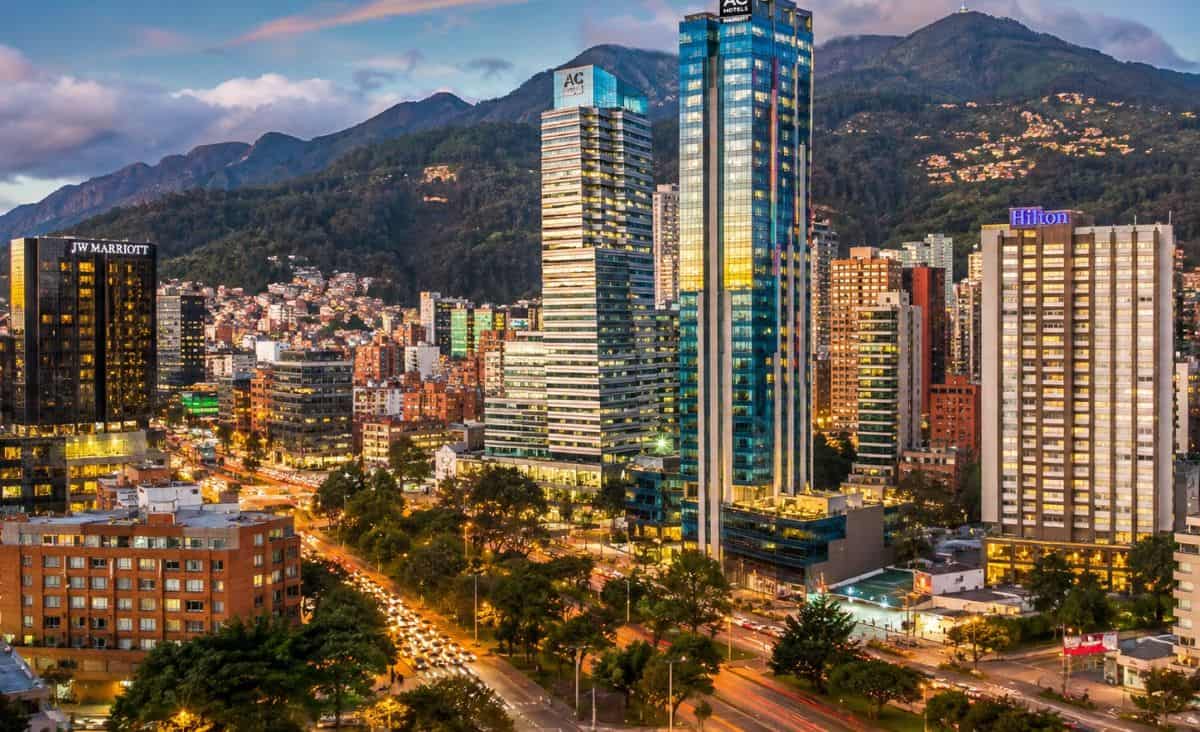
Image generated with Ai
Among the clouds of the Andes, Bogota, Colombia, performs a miraculous feat by maintaining an impressive level of hotel occupancy. While the Caribbean coast sees empty hotel rooms as a result of fewer travelers, Bogota sets a record for an occupancy rate of 64.4% during both June and July of 2026. This is a tale of grit and dissatisfaction. Despite consistent corporate travel in the business districts of Calle 26 and Chicó, hotel managers had a difficult time. A combination of rapidly rising minimum wages, utility costs, and inflation caused many hotel managers to suffer a loss of room yield (RevPAR). Hotel managers from La Candelaria to the Santa Fe and USAQUÉN business districts fought hard to sustain their incomes. Under pressure of new economic conditions, Bogotá’s El Dorado International Airport (BOG) experienced a considerable increase in international travel, and provided a 10% increase in the demand for labor from travel executives. This resulted in an improvement in the City’s employment rate for travel executives, showing that even under the challenges of the economy, the spirit of Bogota was steadfast.
How Did Bogotá Achieve a 64.4% Hotel Occupancy Rate During the Mid-Year 2026 Season in Colombia?
During June and July 2026, Bogotá demonstrated a remarkably resilient hospitality performance by reaching a 64.4% hotel occupancy rate. This sector stability highlighted the capital’s unique economic structure compared to coastal holiday destinations, which struggled with shifting domestic travel patterns. Industry figures from Cotelco confirmed that business travel and executive delegates contributed 30.1 percentage points directly to total urban bookings. Corporate hubs like Calle 26, Corferias, and Chicó maintained high check-in volumes throughout the mid-year window.
Furthermore, regional tourism provided a steady influx of short-stay visitors during five national long weekends. Travellers from Cundinamarca, Boyacá, and Tolima visited cultural centers in Teusaquillo and Chapinero. This consistent demand allowed Bogotá to outperform Colombia’s overall national average occupancy of 55.9%.
Advertisement
Advertisement
Why Did Real RevPAR and Pricing Margins Face Pressure Despite Strong Physical Occupancy Across Bogotá, Colombia?
Advertisement
Advertisement
Although room bookings remained high across Bogotá, real financial yields for hoteliers encountered substantial underlying pressure. Data from DANE’s Encuesta Mensual de Alojamiento revealed national real lodging revenues contracted between 5.1% and 13.0% year-on-year. Hoteliers in Santa Fe, La Candelaria, and Usaquén increased nominal Average Daily Rates to cushion national inflation, but rising operational expenses severely eroded profit margins.
Escalating utility tariffs, mandatory minimum wage hikes, and elevated food supply costs squeezed hotel operations across Cundinamarca. While luxury hotels in Parque 93 leveraged foreign currency spending from international guests to maintain pricing power, mid-scale properties absorbed heavy overheads without proportional rate increases. Consequently, real Revenue Per Available Room yields remained flat.
What Impact Did Travel and Tourism Have on Bogotá’s Broader Urban Economy in Colombia During 2026?
Advertisement
Advertisement
The travel sector functioned as an indispensable economic stabilizer for Bogotá during the mid-year period. Official reports from the Instituto Distrital de Turismo recorded a 10% surge in tourism-related employment across the capital. This job expansion supported service staff, tour guides, and culinary workers in Zona G and Zona T, directly counteracting national employment contractions in traditional lodging.
Additionally, international arrivals at El Dorado International Airport generated vital economic spillovers into local retail and transport networks. Foreign delegates attending summits across Bogotá injected hard currency into the regional ecosystem. This continuous capital flow offset conservative domestic consumer spending and reinforced urban development throughout the capital.
Advertisement
Advertisement
How Are Formal Hotels in Bogotá, Colombia Navigating Competition From Short-Term Rental Platforms?
Formal hoteliers in Bogotá faced mounting market pressure from unregulated short-term holiday rentals. Residential properties in Chapinero Alto, Rosales, and El Retiro expanded their market share rapidly, capturing overnight bookings that previously belonged to traditional commercial establishments.
In response, Cotelco petitioned Colombia’s Ministry of Commerce, Industry, and Tourism to strictly enforce National Tourism Registry mandates. Establishing regulatory parity ensures that tax-paying hotels in Bogotá can preserve RevPAR stability while competing fairly against informal accommodation providers.
Corporate Travel Powers Capital Ahead of Coastal Hotspots
During June and July 2026, Bogotá demonstrated a remarkably resilient hospitality performance. While leisure destinations across Colombia struggled with shifting travel patterns, business travel provided a robust anchor for the capital. Cotelco figures confirm corporate travel contributed 30.1 percentage points to total bookings. High-density corridors like Calle 26, Corferias, and Chicó maintained high check-in volumes.
Advertisement
Advertisement
Additionally, regional short-stay visitors from Cundinamarca, Boyacá, and Tolima took advantage of five national long weekends (puentes festivos). Regional travellers filled hotels in Teusaquillo and Chapinero, comfortably keeping urban check-in rates well above the national average.
Inflationary Pressure Squeezes Real Hotel Profit Margins
Despite impressive physical occupancy rates, real hotel revenue per available room (RevPAR) faced sharp headwinds across Bogotá. DANE’s monthly accommodation survey highlighted that real lodging revenues nationwide contracted between 5.1% and 13.0%. Hoteliers in Santa Fe, La Candelaria, and Usaquén raised Average Daily Rates to cushion national inflation, but escalating overhead costs eroded profit margins.
Mandatory minimum wage hikes, surging utility tariffs, and increased food supply costs hit properties across Cundinamarca. While luxury hotels in Parque 93 leveraged foreign currency spending from international visitors to protect pricing power, mid-scale and budget establishments absorbed elevated operational costs without proportional rate increases.
Key Bogotá Hotel Metrics by Sector (Mid-Year 2026)
Advertisement
Advertisement
| Sector / Corridor | Primary Traveler Profile | Occupancy Resilience | RevPAR Impact & Pricing Power |
| Calle 26 & Corferias | Business, MICE & International Delegates | Very High (Driven by corporate check-ins) | Stable (High volume cushions rate pressures) |
| Parque 93 & Chicó | Executive, High-End & Foreign Tourists | High (Supported by international visitors) | Strong (Foreign currency spending buffers inflation) |
| Teusaquillo & Chapinero | Regional Leisure & Cultural Travelers | Moderate–High (Boosted by puentes festivos) | Moderate (Absorbed increased operational costs) |
| Santa Fe & La Candelaria | Budget, Cultural & Domestic Leisure | Moderate (Sustained steady footfall) | Compressed (Price sensitivity limited rate hikes) |
Tourism Engine Drives Urban Employment and Airport Arrivals
The travel sector functioned as an essential economic stabilizer for Bogotá during the mid-year window. IDT records show a 10% surge in tourism-related employment across the capital, benefiting service staff, tour operators, and culinary hubs in Zona G and Zona T. International arrivals at El Dorado International Airport generated vital economic spillovers into retail and transport, offsetting conservative domestic consumer spending.
Meanwhile, formal hoteliers faced mounting competition from unregulated short-term holiday rentals in Chapinero Alto, Rosales, and El Retiro. Cotelco petitioned Colombia’s Ministry of Commerce, Industry, and Tourism (MINCIT) to strictly enforce National Tourism Registry (RNT) compliance to ensure fair tax and operational parity.
Strategic Priorities for Bogotá Hoteliers Navigating 2026 Headwinds
- M.I.C.E. & Corporate Event Diversification: Expanding partnership packages for international summits and regional business expos along Calle 26 to maintain mid-week occupancy floors.
- Foreign Currency Revenue Optimization: Leveraging international booking channels in premium districts like Parque 93 to capture high-margin foreign expenditure that offsets local peso inflation.
- Energy & Operational Efficiency Audits: Implementing sustainability and utility-reduction measures across properties in Teusaquillo and Chapinero to counter sharp municipal tariff increases.
- Regulatory Advocacy via Cotelco: Campaigning for strict enforcement of National Tourism Registry compliance to protect formal establishments against unfair competition from unregulated short-term rentals.
The Final Horizon
Advertisement
Advertisement
When the numbers are removed, Bogotá’s situation is much more than sheer survival. Bogotá has an impressive level of dedication and exemplifies fighting Spirit. The situation on the coast of the country has other areas losing occupancy, and Bogotá proudy boasts 64.4% occupancy of its hotels. This is not a lucky break. It took a lot of deals, many late nights in Chicó, and the hard work of the staff in Zona G and La Candelaria. Behind the scenes, hoteliers engage in a lot more than is visible. The front line they fight against the increasing utility costs, and growing wages, coupled with an unregulated formal and informal short-term rental market has made RevPAR even more challenged.
However, Bogotá remains a growing destination and manages a 10% increase in city tourism employment, particularly because of the international travelers arriving through El Dorado International Airport (BOG). Even when things are difficult, the Bogotá region has shown the world that the spirit to welcome travelers will always be prosperous.
Frequently Asked Questions
- What was Bogotá’s recorded hotel occupancy rate in June and July 2026?
Bogotá achieved a 64.4% hotel occupancy rate, surpassing Colombia’s national average of 55.9%.
- Why did real RevPAR remain compressed despite strong room bookings in Bogotá?
High national inflation, increased minimum wages, elevated utility bills, and rising operational costs narrowed real profit margins.
- Which districts in Bogotá maintained the highest pricing power?
Upscale business and commercial corridors such as Parque 93, Chicó, Calle 26, and Corferias retained strong pricing margins.
Advertisement
