
Brazil Joins Argentina, Chile and Colombia as Peru’s New Machu Picchu Rules Affect Travel Planning Across Cusco and Lima

Published
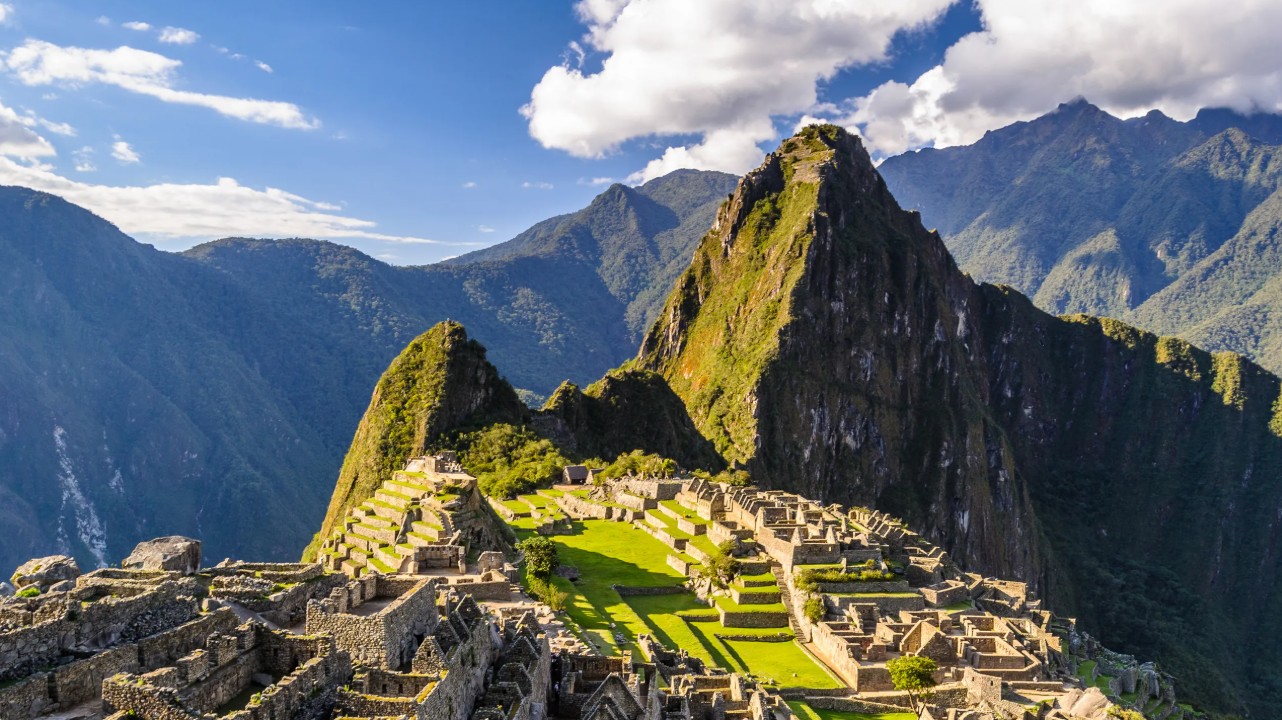
The sudden implementation of the new Machu Picchu travel rules has dramatically altered the tourism landscape across South America, prompting visitors from Brazil, Argentina, Chile, and Colombia to rapidly adjust their itineraries. As of late 2026, the Peruvian Ministry of Culture and the Ministry of Foreign Trade and Tourism (MINCETUR) have enforced stringent regulations to preserve the historic Inca citadel, shifting from open exploration to highly structured, time-limited visits. These operational changes not only impact the archaeological site itself but also send operational ripples through flight schedules in Lima and accommodation bookings in Cusco, forever changing Andean tourism.
Background: Why Peru Overhauled the Machu Picchu Experience
For decades, Machu Picchu operated as a relatively flexible destination, allowing international visitors to wander the ancient megalithic terraces with minimal restrictions. However, escalating foot traffic and the physical degradation of the UNESCO World Heritage site forced the Peruvian government to intervene. Backed by technical reports from the Decentralized Directorate of Culture of Cusco, the government officially instituted the comprehensive Machu Picchu travel rules in 2026.
Advertisement
Advertisement
The primary objective is the long-term conservation of the sanctuary. The structural integrity of the 15th-century Inca architecture was increasingly compromised by the sheer volume of daily visitors, unsanctioned climbing on ruins, and the environmental impact of single-use plastics. The new regulatory framework aims to disperse crowds, eliminate bottlenecks at critical archaeological nodes like the Temple of the Sun, and ensure that the site remains viable for future generations.
Latest Official Developments: The 10 Sub-Routes
The most significant structural change under the new Machu Picchu travel rules is the absolute elimination of free roaming. The sanctuary has been mathematically divided into three primary circuits, which are further segmented into 10 distinct, colour-coded sub-routes.
Advertisement
Advertisement
Circuit 1: Panoramic Circuit (Red)
Designed primarily for visitors seeking the iconic elevated photographs of the citadel without navigating the steep lower terraces.
- Route 1-A: Upper Terrace and Machu Picchu Mountain (4–6 hours duration).
- Route 1-B: Upper Terrace main viewpoint only (2.5 hours duration).
- Route 1-C: Upper Terrace and Intipunku (Sun Gate) (3 hours duration).
- Route 1-D: Upper Terrace and Inca Bridge (2 hours duration).
Circuit 2: Inca City Circuit (Blue)
This represents the classic archaeological experience, guiding visitors through the primary urban and religious sectors.
Advertisement
Advertisement
- Route 2-A: Classic Designed Route (2.5 hours duration).
- Route 2-B: Lower Terrace Route (2.5 hours duration).
Circuit 3: Royalty Circuit (Yellow)
Focused on the lower sections of the site and access to the famous Huayna Picchu peak.
- Route 3-A: Archaeological Center and Huayna Picchu Mountain (adds 3 hours for the mountain climb).
- Route 3-B: Archaeological Center Designed Route (2.5 hours duration).
Visitors must select their exact circuit at the time of purchase. Straying from the assigned colour-coded path results in immediate removal from the sanctuary by park wardens.
Strict Capacity Limits and the 4-Hour Mandate
To mitigate congestion, the Ministry has established hard daily capacity caps. During the regular season, the limit is strictly set at 4,500 visitors per day. During defined high-season periods—such as June 1 to November 2, the Easter period, and December 30–31—the capacity is temporarily increased to 5,600 visitors per day, and all 10 sub-routes become active.
Furthermore, the new Machu Picchu travel rules impose a strict four-hour maximum stay for standard circuit tickets. The timer begins the moment a visitor crosses the main entrance turnstiles. Re-entry is strictly prohibited. Once a visitor exits the site—whether to use the restroom facilities located outside the gates or for any other reason—they cannot return.
Government Announcements: Banned Items and Behaviour
The official gazette outlines an extensive list of prohibited items and behaviours designed to protect the fragile ecosystem and archaeological integrity.
- Single-Use Plastics: Absolutely banned. Visitors must bring reusable water bottles.
- Umbrellas: Prohibited, as they obstruct pathways and can scrape against ancient stonework. Visitors are advised to pack lightweight rain ponchos.
- Trekking Poles: Only walking sticks with rubber tips are permitted, and generally only for elderly visitors or those with physical disabilities. Metal-tipped poles are banned as they erode the stone paths.
- Camera Equipment: Tripods, monopods, selfie sticks, and drones are strictly prohibited.
- Footwear: Heels or hard-soled shoes are banned.
- Behaviour: Climbing on walls, touching the megalithic blocks, walking backward on the one-way circuits, smoking, vaping, and playing music are all subject to immediate expulsion.
Policy Implications: Mandatory Guides and Ticket Segregation
Another monumental shift is the mandatory requirement for certified Peruvian tour guides. No foreign visitor may enter the site without a registered guide, and the maximum group size is capped at 16 individuals per guide.
Advertisement
Advertisement
Additionally, the integration between the Inca Trail and Machu Picchu citadel entry has been severed. Historically, an Inca Trail permit included full access to the ruins. Under the new regime, an Inca Trail permit only grants access to Circuit 3-B upon arrival. Trekkers wishing to experience the classic panoramic views must purchase a separate Circuit 1 or 2 ticket for the following day.
Industry Impact: How Regional Travel is Adjusting
The ripple effects of these regulations have heavily impacted regional travel hubs, particularly in neighbouring South American nations. Brazil, Argentina, Chile, and Colombia represent some of Peru’s strongest inbound tourism markets. Travel agencies in São Paulo, Buenos Aires, Santiago, and Bogotá are aggressively restructuring their package tours.
Because tickets now sell out over 60 days in advance—and walk-up ticket sales at the gate have been entirely abolished—spontaneous travel is no longer feasible. Regional airlines like LATAM and Avianca are seeing a shift in booking windows, as South American tourists are forced to lock in their flight dates to Lima and Cusco only after securing their highly coveted Machu Picchu entry slot.
Economic Implications for Cusco and Lima
Cusco’s economy, deeply reliant on tourism, is undergoing a rapid transition. The elimination of same-day ticket sales means visitors spend more time planning and less time lingering in Aguas Calientes hoping for cancellations. Conversely, hotel operators in Cusco and the Sacred Valley are reporting longer average stays as tourists build buffer days into their itineraries to align with their specific circuit entry times (which are strictly enforced with only a 30-minute grace period for late arrivals).
In Lima, Jorge Chávez International Airport is experiencing smoothed-out transit peaks. Because the Ministry of Culture dictates exactly how many people can enter Machu Picchu at any given hour (e.g., 6:00 AM, 7:00 AM), tour operators are staggering domestic flights from Lima to Cusco to match these precise entry windows, creating a more regulated, albeit rigid, economic flow.
Future Outlook
The Peruvian government maintains that these measures are non-negotiable and permanent. While the initial adjustment phase has caused friction for unstructured travellers, the long-term outlook points to a more sustainable, premium tourism model. The Machu Picchu travel rules ensure that the site will not suffer the fate of other over-touristed global landmarks, preserving the architectural marvel of the Andes for centuries to come.
Advertisement
