
UK Travel Uncovers Seven Haunted Destinations From Pluckley, Bodmin, Stirling, Chester, Manningtree, Canterbury and Conwy

Published
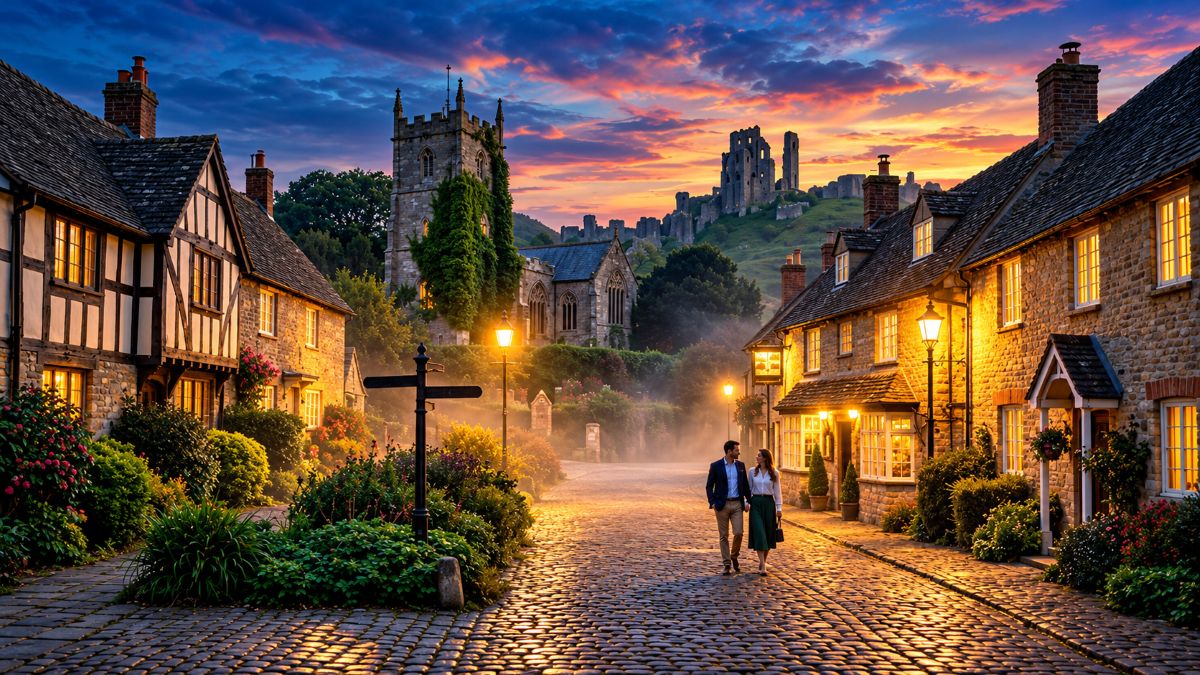
The United Kingdom offers travellers a distinctive mix of historic architecture, atmospheric countryside and centuries-old ghost stories, with seven towns and villages attracting attention for their paranormal folklore. From Canterbury in England to Conwy in Wales, these destinations combine cultural heritage with tales of unexplained sightings, mysterious sounds and tragic historical events. Pluckley in Kent is particularly famous for its haunted reputation, while Bodmin, Stirling, Chester and Manningtree offer further opportunities to explore Britain’s darker past. Although supernatural claims remain unverified, these locations provide compelling options for travellers seeking unusual heritage experiences and atmospheric autumn escapes.
Ghost tourism is gaining attention as visitors look beyond conventional sightseeing towards local legends, historic prisons, ancient castles and guided evening walks. Figures cited in the supplied report suggest that global ghost tourism expenditure reached $2.9 billion, approximately £2.2 billion, in 2025, while a survey found that some Britons remain open to the possibility of ghosts. These figures highlight the appeal of paranormal storytelling, although their methodologies and underlying definitions require independent verification. For travellers, the seven destinations offer a combination of documented history, folklore and distinctive local character rather than guaranteed supernatural encounters.
Advertisement
Advertisement
Seven Haunted UK Destinations Offering Unusual Travel Experiences
Britain’s haunted destinations span historic cities, medieval settlements, remote countryside and former centres of criminal justice. Each location has its own stories, allowing visitors to combine ghost walks with architecture, museums, traditional pubs and rural exploration.
| Destination | Location | Main Haunted Attraction | Travel Appeal |
|---|---|---|---|
| Canterbury | Kent, England | Cathedral legends and reported apparitions | Medieval heritage and historic streets |
| Bodmin | Cornwall, England | Bodmin Jail and Beast of Bodmin Moor folklore | Prison history and moorland scenery |
| Stirling | Scotland | Stirling Castle and the Green Lady legend | Scottish history and castle visits |
| Pluckley | Kent, England | Reported sightings of numerous ghosts | Rural walks and traditional village character |
| Chester | Cheshire, England | Historic pubs and unexplained nighttime sounds | Roman heritage and medieval architecture |
| Conwy | North Wales | Conwy Castle and stories of spectral monks | Castle exploration and coastal scenery |
| Manningtree | Essex, England | Witchcraft persecution associated with Matthew Hopkins | Local history and heritage walks |
Canterbury Combines Medieval Heritage With Ghostly Legends
Canterbury offers a compelling destination for travellers interested in religious history, medieval architecture and supernatural folklore. Its cathedral and historic streets provide the setting for stories involving Thomas Becket, the Archbishop of Canterbury murdered in 1170, and Simon Sudbury, another archbishop killed during the Peasants’ Revolt in 1381.
Advertisement
Advertisement
Local legends associate both historical figures with reported apparitions, although these accounts should be understood as folklore rather than established fact. Visitors can explore the city’s historic centre during daylight before joining an organised evening walk that introduces its ghost stories and architectural landmarks.
The surrounding streets also feature traditional hospitality venues associated with local paranormal tales. Canterbury’s broader appeal extends beyond ghost tourism, with its religious heritage, independent cafés and historic buildings making it suitable for cultural weekends throughout the year.
Advertisement
Advertisement
Bodmin Brings Prison History and Moorland Mysteries Together
Bodmin, in Cornwall, offers a different type of haunted travel experience, combining the history of imprisonment with legends surrounding the expansive Bodmin Moor. Bodmin Jail was established in the late eighteenth century and is associated with the criminal justice system of its period. Stories of former prisoners and unexplained sounds contribute to its reputation as a paranormal attraction.
The nearby moorland is linked to the legend of the Beast of Bodmin Moor, a mysterious large feline reportedly seen by residents and visitors over several decades. Proposed explanations have ranged from escaped animals to mistaken sightings, while supernatural interpretations remain part of local storytelling.
Visitors can combine a heritage-focused visit to the former prison with walks across the surrounding countryside. Weather conditions on the moor can change quickly, so appropriate footwear, suitable clothing and attention to local safety advice are important when exploring rural areas.
Stirling Castle Preserves Scotland’s Eerie Historical Traditions
Stirling is an important destination for understanding Scotland’s political and military history. Its castle has strong associations with the country’s royal past, while the historic Tolbooth reflects the town’s former role in criminal justice and public punishment.
Among the best-known local legends is the Green Lady of Stirling Castle. According to the story, the spectral figure was a servant connected with Mary, Queen of Scots, and is associated with a warning about a fire. The account forms part of the castle’s supernatural folklore, rather than a verified historical explanation of an apparition.
Visitors can explore the castle’s architecture, historical exhibitions and surrounding streets before joining a guided ghost walk. Stirling also works well as part of a wider Scottish itinerary, with rail and road connections supporting excursions to other historic towns and cities.
Advertisement
Advertisement
Pluckley Attracts Visitors With Its Haunted Village Reputation
Pluckley, a rural village in Kent, is widely promoted in popular culture as one of Britain’s most haunted settlements. Its reputation rests on numerous reported ghost stories associated with village lanes, historic buildings and the churchyard.
One particularly dramatic tale concerns the Watercress Lady, a woman whose reported death by fire is linked to accounts of a mysterious pink glow. Other stories describe wandering monks and a headless highwayman. These narratives contribute to the village’s identity as a destination for visitors interested in folklore and traditional ghost stories.
Pluckley’s countryside setting also provides opportunities for quieter walks and exploration of the surrounding Kent landscape. Visitors should respect private property, residents and access restrictions, particularly when visiting small rural communities after dark.
Chester Offers Ghost Stories Amid Roman and Medieval Landmarks
Chester’s long history creates a distinctive setting for paranormal tourism. Roman remains, medieval streets and historic buildings provide the backdrop for stories associated with former taverns and traditional inns.
Some local accounts describe unexplained noises and ghostly figures in buildings along Watergate Street and Lower Bridge Street. Ye Olde King’s Head is among the historic establishments associated with paranormal investigations and stories involving objects discovered beneath its floorboards.
Such accounts are part of Chester’s wider folklore and should not be confused with independently verified supernatural evidence. The city remains attractive to visitors regardless of their interest in ghosts, thanks to its historic walls, distinctive shopping rows, riverside setting and archaeological heritage.
Advertisement
Advertisement
Conwy Castle Adds Welsh Folklore to Coastal Travel
Conwy, in North Wales, combines a medieval walled town with striking coastal scenery and one of the country’s most recognisable fortifications. Conwy Castle was constructed during the reign of Edward I in the late thirteenth century and remains central to the town’s historical identity.
Local legends describe shadowy figures in the castle’s towers and a hooded monk said to wander its corridors. Paranormal investigators have also reported unusual recordings during investigations, although such material does not establish the existence of ghosts.
The castle and surrounding town offer a rewarding visit for travellers interested in military architecture, Welsh heritage and atmospheric photography. Visitors should check access arrangements and opening times before travelling, as conditions and availability may vary seasonally.
Manningtree Reflects the Darker History of Witchcraft Persecution
Manningtree and the neighbouring Essex settlements are associated with Matthew Hopkins, the seventeenth-century figure commonly known as the Witchfinder General. During the English Civil War period, Hopkins and his associates participated in the prosecution of people accused of witchcraft, contributing to a deeply troubling chapter in British history.
Stories connect Hopkins with Mistley Pond and nearby locations where accused women were subjected to cruel examinations. The historical record demonstrates the dangers of superstition, prejudice and abuses of authority, making this destination particularly relevant to visitors interested in social history.
Modern heritage visits should approach these accounts with sensitivity. The victims were real people whose suffering deserves recognition beyond the sensational appeal of ghost stories.
Advertisement
Advertisement
How to Plan a Haunted Travel Break in Britain
Travellers can explore these destinations through guided walks, castle visits, historic attractions and independent countryside excursions. Autumn and Halloween can provide an atmospheric setting, but visitors should check local conditions, opening arrangements and tour availability before setting out.
| Planning Consideration | Practical Advice |
|---|---|
| Best time to visit | Autumn offers a seasonal atmosphere, although destinations operate throughout the year where facilities permit |
| Transport | Check rail, bus and road connections for each destination before booking |
| Accommodation | Consider established hotels, historic inns and licensed guest accommodation |
| Guided experiences | Confirm tour schedules, meeting points, prices and accessibility |
| Safety | Use public paths, carry suitable clothing and avoid entering closed or unsafe buildings |
| Expectations | Treat ghost sightings as folklore and reported experiences, not proven supernatural events |
A multi-stop itinerary could combine Canterbury and Pluckley in Kent, or pair Conwy with other North Wales heritage attractions. Bodmin suits travellers exploring Cornwall, while Stirling can form part of a broader Scottish history trip. Choosing destinations by region can reduce unnecessary travel time and allow visitors to experience the cultural attractions alongside their paranormal reputations.
Frequently Asked Questions
1. What Is the Most Haunted Village in Britain?
Pluckley in Kent is widely described in popular accounts as one of Britain’s most haunted villages. Its reputation is based on numerous local ghost stories rather than scientifically verified paranormal evidence.
2. Which Haunted Places Can Travellers Visit in England?
Canterbury, Bodmin, Pluckley, Chester and Manningtree are five English destinations associated with ghost stories, historic buildings and dark tourism.
Advertisement
Advertisement
3. Is Conwy Castle Considered Haunted?
Conwy Castle features in Welsh ghost folklore, including stories about shadowy figures and a hooded monk. These accounts remain unverified.
4. What Is Bodmin Jail Famous For?
Bodmin Jail is a historic former prison in Cornwall, known for its criminal justice history and its modern reputation as a paranormal attraction.
5. Can Visitors Join Ghost Tours in Canterbury?
Canterbury has been associated with guided ghost walks and historical storytelling experiences. Visitors should check current tour availability before travelling.
Advertisement
Advertisement
6. What Is the Green Lady Legend at Stirling Castle?
The Green Lady is a reported spectral figure connected with a local story involving Mary, Queen of Scots, and a fire warning. The legend is part of the castle’s folklore.
7. Why Is Chester Popular With Ghost Enthusiasts?
Chester’s Roman and medieval heritage, historic inns and local tales of unexplained sounds make it an appealing destination for ghost-themed walks.
8. Who Was Matthew Hopkins?
Matthew Hopkins was a seventeenth-century witchcraft accuser associated with prosecutions across parts of eastern England. His activities are remembered as part of Britain’s history of witchcraft persecution.
Advertisement
Advertisement
9. Is Ghost Tourism Suitable for Families?
Many historic towns and castle attractions can suit families, but some evening tours include frightening stories or mature themes. Check age guidance and tour content before booking.
10. Are Ghost Sightings at These Destinations Scientifically Proven?
No. The reported sightings and supernatural experiences described in local legends have not established that ghosts exist. Visitors can enjoy the folklore while distinguishing it from documented history.
Advertisement
