
Maasai Mara Tightens Safari Vehicle Rules as the Big Migration Season Winds Down

Published
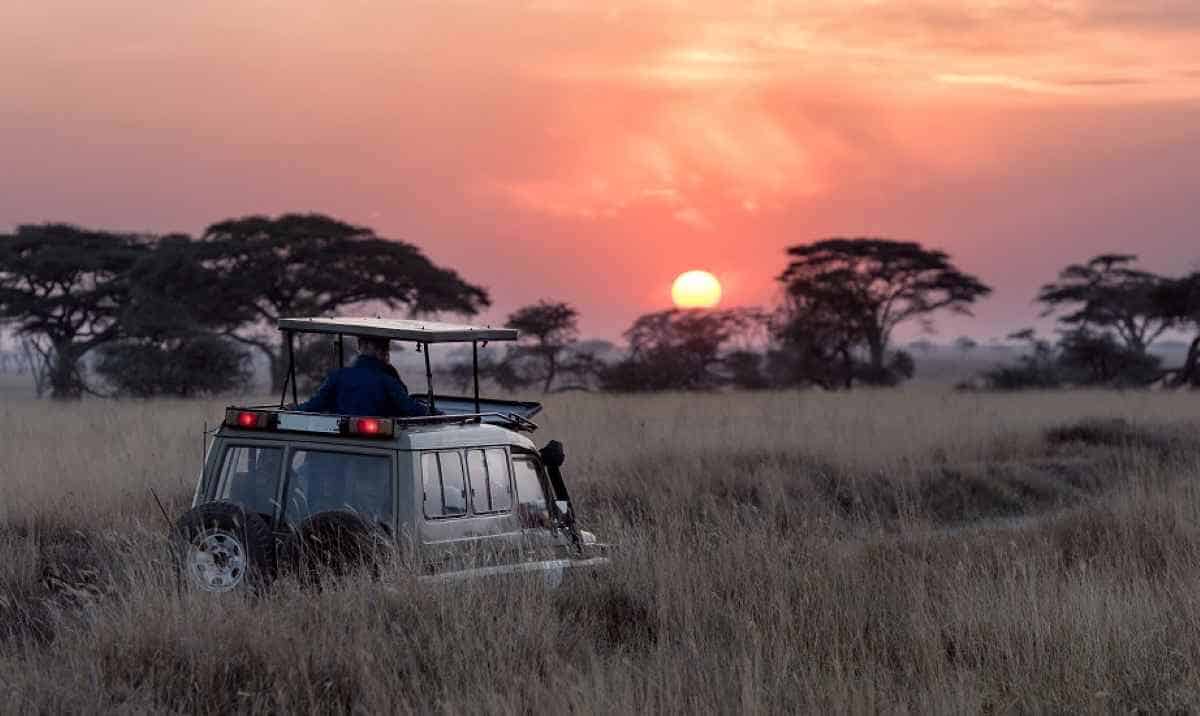
There has been a lot of interest in the issue of management of the safari vehicles within the Maasai Mara and Narok County as the 2026 season draws to a close following the peak migration period. In light of this, the conservancies are putting measures in place to ensure control of the vehicle density among the wildlife and the accommodation areas. The September 23, 2026, update indicates that the Narok County Government, in collaboration with the community conservancies, has put into place an auditing measure that will limit the game drive vehicles to a ratio of one vehicle per luxury eco-lodge tent. The measure is aimed at addressing the problem of concentration of vehicles within the predator corridors at the end of the annual wildebeest migration.
Vehicle Density Moves Into Focus
Safari vehicles are central to the Maasai Mara visitor experience. Most travellers explore the ecosystem through guided game drives, with early-morning and late-afternoon excursions offering opportunities to see lions, leopards, cheetahs, elephants, buffaloes, giraffes and other wildlife.
The management challenge becomes more visible during the Great Migration, when large concentrations of wildebeest and zebra enter the Mara ecosystem. Narok County identifies July to September as the peak period associated with the migration and records more than 158,000 annual visitors to the reserve.
Advertisement
Advertisement
The Maasai Mara National Reserve management plan has previously documented severe vehicle congestion at some wildlife sightings and migration river crossings. The plan recorded instances in which more than 150 vehicles were present at a single river crossing, alongside concerns about off-road driving and pressure on wildlife habitats.
Conservancies Provide a Different Safari Model
Advertisement
Advertisement
The wider Maasai Mara ecosystem includes a network of community conservancies operating alongside the national reserve.
The Maasai Mara Wildlife Conservancies Association currently lists 24 conservancies within the greater Mara landscape. The organisation describes the conservancy model as a partnership involving landowners and tourism operators, with tourism revenue linked to community benefits and conservation activities.
Individual conservancies already operate with different accommodation and vehicle-management models.
Olare Motorogi Conservancy, for example, limits tourism accommodation to 94 beds across five light-footprint camps. Its published operating model includes one game-viewing vehicle for every 2,100 acres, with road planning designed to reduce the environmental impact of visitors.
The reported 2026 audit requirement would therefore add another layer of measurement to an ecosystem where several conservancies already manage visitor numbers, accommodation capacity and vehicle access through their own operating systems.
What the Rule Means for Safari Travellers
Advertisement
Advertisement
For visitors, the most immediate impact would be on how safari operators organise game drives.
A lower vehicle-to-accommodation ratio could mean that camps and lodges have to coordinate their safari schedules more carefully, particularly when several vehicles are seeking the same predator sighting or moving through sensitive wildlife areas.
The reported audit system would also make accommodation capacity more directly relevant to vehicle management. Instead of treating game-drive traffic independently, operators would have to account for the number of safari vehicles connected with their accommodation inventory.
Travellers staying in luxury tented camps or conservancies may therefore encounter more controlled vehicle movements during their safari programmes.
The change does not mean that visitors will lose access to the Mara’s principal wildlife experiences. Game drives remain the central tourism activity, while Kenya Tourism Board information also promotes walking and horseback experiences around the Maasai Mara ecosystem.
Migration Tourism Enters Its Final Phase
Advertisement
Advertisement
September traditionally marks an important point in the annual migration cycle. Kenya’s tourism information describes the Maasai Mara as a major destination for viewing the movement of wildebeest and zebra across the wider Serengeti-Mara ecosystem.
As the migration season progresses, wildlife movements become more dispersed, while predators continue to draw safari vehicles to particular locations.
This makes vehicle management relevant not only to the visitor experience but also to the protection of areas used by large carnivores and other wildlife.
The Mara Triangle already operates specific rules for wildlife sightings. Its regulations state that when more than five vehicles are waiting to see an animal, viewing time is restricted to 10 minutes, while waiting vehicles must remain 100 metres away.
Travel Planning for Maasai Mara
Travellers considering a Maasai Mara safari must determine if their accommodation lies within the national reserve or the conservancies that surround it. Access methods also differ depending on which property travellers stay in. The Mara Conservancy describes the Sekenani route as the quickest way into Maasai Mara for travellers staying near Mara Serena. On the other hand, the Aitong route serves travellers who are staying at some properties outside the park. Travellers can access Maasai Mara through flights using various safari airstrips for different camps, saving on transfer time from Nairobi and other places in Kenya. With the development of the vehicle audit process, safari companies and accommodations will be required to adjust their game drive process in accordance with the regulations of the conservancy and county. The trend is already visible in the management of Maasai Mara through management plans that consider vehicle congestion and overcrowding as major problems in tourism management.
Advertisement
