
Mallorca Wants Affluent Travel Seekers And This Strategic Pivot Changes Everything For Everyone, Here’s The Update

Published
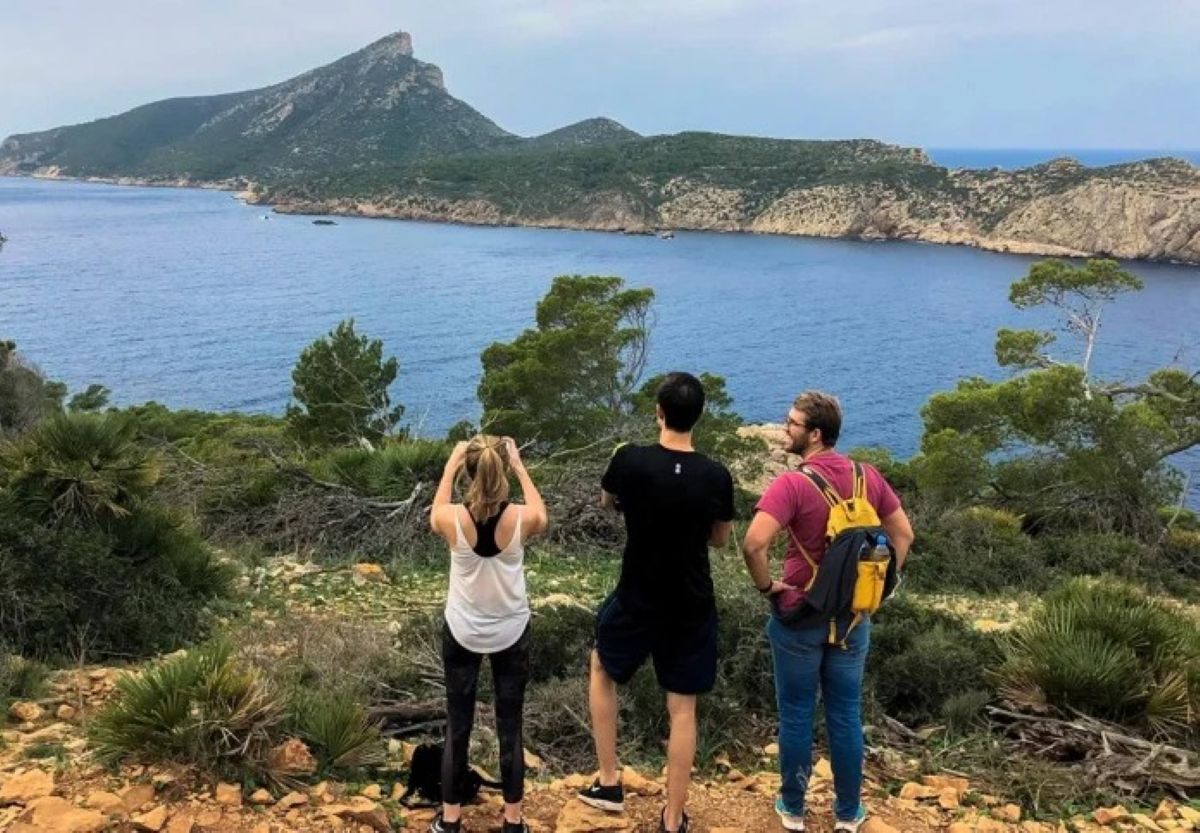
Image Credit seemallorca.com
It is heartbreaking to see the places you’ve come to love crushed by their own success. For a long time, the picture-perfect alleys of Mallorca became unrecognizable when flooded with unruly, mass market tourists who desecrated Mallorca’s enchanting magic. The historic sites of Mallorca were pushed to their limits, and new ones were created to house more visitors. It’s a numbers game that benefits no one local. But recent developments show promise. The leaders of Mallorca wish to replace the large, less valuable visitor spend with a smaller, more valuable visitor spend. They wish to promote Mallorca to families with a higher income who wish to take a more cultured and refined vacation. These families would appreciate and respect the beauty and culture of Mallorca. It is a new start, both for the travel industry and for how Mallorca can protect its natural areas and cultural values.
Exploring the Structural Shift Toward High-Value Visitor Economics and Sustainable Global Tourism Models
Modern global travel dynamics are shifting rapidly as prominent Mediterranean destinations rethink their long-term sustainability models. For a considerable duration, Mallorca has struggled with the mounting pressures of overtourism, dense resort configurations, and rowdy nightlife predominantly tailored to British and German holidaymakers. Consequently, local leaders have recognized that a profound operational restructuring is necessary to preserve the cultural and natural integrity of the region. Rather than relying on high-volume visitor metrics, the local tourism administration has publicly articulated a deliberate pivot toward prioritizing quality over quantity. This strategic transition aims to attract affluent, high-net-worth visitors, with a distinct emphasis on drawing wealthier American tourists who seek exclusive, immersive, and culturally rich vacation experiences.
Advertisement
Advertisement
The broader international travel industry is watching these developments closely, as similar European hotspots grapple with balancing local residents’ needs against economic dependence on seasonal visitors. By actively courting the North American luxury demographic, the destination hopes to mitigate environmental degradation while simultaneously boosting per-capita spending across the local economy. Market analysts suggest that this strategic shift could create a ripple effect globally, prompting other traditional European beach destinations to re-evaluate their marketing funnels and target high-value niche segments rather than mass-market tour groups. As international flight connectivity improves and luxury travelers increasingly demand authentic, unhurried cultural immersion, transitioning toward a high-value model serves as an essential blueprint for sustainable destination management worldwide.
Showcasing Unexplored Luxury and World-Class Active Experiences for Elite Travelers Seeking Unmatched Adventures
Advertisement
Advertisement
Despite its immense charm and upscale offerings, Mallorca remains remarkably under-the-radar for many travelers from the United States when compared to hyper-famous equivalents like the Amalfi Coast, Santorini, or the French Riviera. Observers note that the region possesses all the necessary elements to rival these prestigious counterparts, blending breathtaking natural landscapes with world-class hospitality, historic architecture, and refined Mediterranean elegance. To successfully capture the imagination of high-spending North American visitors, tourism strategists emphasize the importance of highlighting diverse experiential opportunities that move far beyond standard beach vacations. Visitors can seamlessly transition from a morning of professional-grade training to an afternoon of private yacht excursions across secluded coastal coves.
Active lifestyle tourism forms a cornerstone of this ambitious rebranding initiative, specifically through high-end offerings such as sailing, competitive cycling, and elite sports infrastructure. The world-renowned Rafa Nadal Academy located in Manacor stands out as a premier anchor for sports-oriented visitors, attracting tennis enthusiasts and athletes from across the globe. Furthermore, expansive network routes for cycling and mountain biking naturally encourage active travelers to venture beyond congested resort districts, driving economic growth directly into rural enterprises, boutique accommodations, and independent local cafés. This active approach not only elevates the perceived value of the destination but also disperses visitor traffic more evenly across the island, reducing localized congestion and fostering a more sustainable tourism ecosystem.
Advertisement
Advertisement
Celebrating Timeless Heritage, Picturesque Villages, and Exquisite Culinary Traditions Across Historic Mediterranean Settlements
Beyond active sports and coastal cruising, the cultural fabric of Mallorca offers an extraordinary array of picturesque landscapes and slow-living experiences that appeal deeply to discerning global travelers. Observers frequently highlight the tranquil allure of historic mountain and coastal settlements, including Valldemossa, Deià, Sóller, Pollença, and the breathtaking clifftop vistas found in Banyalbufar. Exploring these scenic locations via scooters or private transport allows visitors to uncover hidden architectural gems, centuries-old traditions, and an authentic way of life that mass-market tourism frequently overlooks. This emphasis on heritage preservation ensures that the destination retains its unique Mediterranean soul while catering to an increasingly sophisticated international clientele.
Culinary tourism also plays a vital role in reshaping the island’s international identity, moving beyond simple resort dining to celebrate authentic local gastronomy. A visit to vibrant traditional food hubs like the Mercat de Santa Catalina in Palma offers visitors an intimate connection with the region’s rich agricultural and maritime heritage through fresh seafood, artisanal cheeses, local olives, and native specialties. Industry experts believe that spotlighting this vibrant culinary scene will significantly enhance the appeal for food-focused American tourists who prioritize authentic epicurean adventures. By harmonizing luxury amenities with deep-rooted cultural traditions, the destination successfully positions itself as a premier, high-value haven for the next generation of global explorers.
Comprehensive Economic Re-Evaluation of Overtourism Pressures and Strategic Financial Metrics Driving Regional Growth
Advertisement
Advertisement
During recent seasonal cycles, Mallorca welcomed approximately 13.4 million total visitors, creating severe infrastructure bottlenecks across popular coastal sectors. Out of this massive volume, international arrivals accounted for roughly 87% (11.6 million), while domestic travelers made up the remaining 13% (1.8 million). These figures highlight the immense logistical burden placed on municipal services, water systems, and local neighborhoods during peak holiday months.
Despite record-breaking visitor arrivals generating over €16 billion in total annual spending, local municipal data indicates that traditional mass-market models generate high environmental strain with disproportionately low per-capita community retention. For instance, luxury tourism spending alone now accounts for 27.3% of total foreign tourist expenditures in Palma, proving that targeting fewer, higher-spending visitors can drastically optimize regional revenue without inflating crowd volumes.
Analyzing Detailed Comparative Spending Patterns Between North American Markets and Traditional European Visitor Segments
Market research highlights a striking economic contrast between visitor demographics across the Mediterranean basin. While traditional source markets like the United Kingdom and Germany send millions of holidaymakers—averaging daily expenditures around €110 to €180 per person—wealthier American travelers spend upwards of €2,500 per trip, roughly 100% more than standard European package tourists.
Long-haul North American visitors typically stay longer averaging 6 to 8 nights compared to shorter regional getaways and allocate significantly larger portions of their travel budgets toward luxury accommodations, private excursions, premium gastronomy, and high-end retail in municipalities like Palma and Calvià. This shift maximizes economic returns while minimizing physical visitor density.
Expanding Direct Transatlantic Aviation Routes and Comprehensive Long-Haul Connectivity Infrastructure Across Global Corridors
Advertisement
Advertisement
Facilitating a successful pivot toward affluent North American travelers requires robust flight connectivity and modernized airport infrastructure. Direct seasonal air routes linking major hubs like New York, Miami, and Atlanta directly to Palma de Mallorca Airport (PMI) have expanded exponentially, moving past historical reliance on intra-European charter flights.
Enhanced transatlantic connectivity allows international carriers to capture high-yield business and luxury leisure passengers, transforming regional airports into competitive global gateways and reducing the island’s historical vulnerability to single-market economic shifts. This improved aviation access ensures a steady influx of high-net-worth individuals throughout extended operating seasons.
Integrating Elite Sports Infrastructure and Active Lifestyle Tourism as Core Destination Anchors for Discerning Travelers
Active lifestyle management has become a crucial pillar for dispersing tourist density away from crowded coastal strips. The presence of world-class facilities, such as the Rafa Nadal Academy in Manacor, attracts thousands of international sports tourists and tennis enthusiasts annually.
Cycling tourism and mountain biking networks spanning the Serra de Tramuntana mountain range inject millions of euros directly into rural family-run guesthouses, boutique farm stays, and independent rural cafés, successfully bridging the economic gap between coastal resorts and interior heritage towns. This active tourism model diversifies the regional economy and appeals directly to health-conscious luxury travelers.
Preserving Heritage Architecture and Sustainable Slow Living Within Historic Mountain Settlements and Rural Communities
Advertisement
Advertisement
Protecting the authentic identity of picturesque architectural havens such as Valldemossa, Deià, Sóller, and Pollença is vital for appealing to sophisticated travelers who reject commercialized resort strips. These rural and mountain communities offer a peaceful counter-balance to bustling coastal cities.
By strictly regulating short-term rental licenses, capping new hotel developments, and promoting eco-conscious mobility options like coastal scooter trails through Banyalbufar, local planners are setting a sustainable preservation benchmark that other over-visited Mediterranean islands are eager to replicate. This protects cultural heritage while maintaining high aesthetic standards.
Elevating Gastronomic Excellence and High-End Culinary Tourism Through Regional Agricultural Integration and Local Markets
High-net-worth travelers increasingly prioritize authentic culinary exploration over generic all-inclusive resort dining. Iconic urban food hubs like the Mercat de Santa Catalina in Palma serve as focal points for farm-to-table dining experiences, artisanal cheese tastings, and native wine pairing tours.
By celebrating indigenous Mediterranean gastronomy and supporting local fishermen, olive oil producers, and regional winemakers, the destination ensures that tourist expenditures directly stimulate the island’s primary agricultural sector. This culinary integration creates a deeper, more meaningful connection between visitors and local producers.
Mitigating Severe Environmental Degradation and Implementing Strict Regulatory Frameworks for Carrying-Capacity Control
Advertisement
Advertisement
As the most tourist-intensive region in Europe relative to its resident population, the local administration has introduced strict regulatory caps, limiting cruise ship dockings and freezing hotel bed licenses to combat water scarcity and waste management strains. These measures are vital for long-term ecological balance.
This proactive regulatory framework serves as an essential case study for global tourism boards worldwide, proving that destinations can successfully choose sustainable long-term ecological preservation over short-term volume-driven profits. Global travelers increasingly favor destinations that prioritize environmental stewardship and sustainable management.
Capitalizing on Rare Astronomical Events and Niche Cultural Festivals to Drive Premium Luxury Bookings
Strategic tourism campaigns increasingly leverage rare calendar occurrences and high-profile cultural festivals to command premium pricing. For instance, high-end hospitality bookings across Palma surge significantly ahead of major astronomical phenomena, such as the total solar eclipse.
By curating exclusive, low-impact cultural events, classical music festivals, and elite maritime regattas, the destination successfully maintains year-round travel demand, insulating local hospitality businesses from extreme seasonal downturns. This creative event-driven approach attracts elite travelers seeking unique, once-in-a-lifetime cultural experiences.
Comprehensive Economic Evaluation of Regional Yields and Localized Tourism Expenditure Disparities Across Municipalities
Advertisement
Advertisement
Municipal consumption statistics demonstrate that international visitors inject more than €16.17 billion annually into the local economy, with average expenditures reaching approximately €1,205 per trip for international travelers compared to €715 for domestic visitors. Furthermore, accommodation accounts for 35% of total budgets, followed by 25% allocated to restaurants and bars, and 15% spent on retail goods. These figures underscore the vital importance of capturing high-yield visitor segments.
Despite record-breaking overall revenues, traditional mass-market zones capture low per-capita community value while placing immense stress on municipal utilities. In contrast, luxury spending concentrations in prime municipalities like Palma and Calvià demonstrate that attracting fewer, higher-spending visitors generates superior municipal revenue without aggravating overcrowding. This economic pivot ensures long-term financial stability for local communities.
Assessing Severe Seasonal Visitor Density Concentration and Critical Peak-Month Infrastructure Bottlenecks
Visitor arrivals peak dramatically during summer months, with July registering a record 2.1 million visitors, closely followed by August at 2.05 million, June at 2.0 million, and September at 1.75 million. This extreme concentration places extraordinary pressure on local infrastructure, transport networks, and public services during the hottest weeks of the year.
This extreme seasonal clustering creates severe infrastructure bottlenecks across transport networks and water supply systems. By targeting affluent, off-peak travelers and high-net-worth visitors, regional planners aim to smooth out occupancy curves, ensuring stable year-round employment and alleviating high-season strain. Managing these influxes effectively safeguards the island’s natural resources.
Evaluating the Regulatory Impact of Sustainable Tourism Taxes and Dedicated Environmental Fund Allocation
Advertisement
Advertisement
Governed by regional legislation, the Sustainable Tourism Tax levies nightly fees ranging from €1 to €4 (plus 10% VAT) depending on accommodation tiers during high season, generating millions ring-fenced specifically for ecological restoration. These mandatory contributions ensure that tourism directly contributes to the maintenance of the region.
These collected funds directly support natural habitat protection, water desalination plant upgrades, and cultural heritage preservation. For global tourism boards, implementing transparent, eco-focused levies provides a viable framework for balancing high-end visitor growth with strict environmental accountability. Such measures establish a new standard for responsible Mediterranean travel management.
Transforming Hospitality Infrastructure and Upgrading Boutique Hotel Real Estate Portfolios Across Coastal Enclaves
Over the past development cycle, hoteliers across Palma and coastal enclaves have invested heavily in upgrading mid-tier properties into luxury five-star boutique hotels, driving average daily room rates higher while reducing total bed counts. This strategic shift emphasizes exclusivity and superior service quality.
This deliberate reduction in overall bed density counteracts overtourism pressures by favoring low-impact, high-margin hospitality models. Global investors view this physical transformation as a masterclass in repositioning mature European destinations toward elite clientele. Consequently, the hospitality sector achieves higher financial returns with a fraction of the previous visitor volume.
Managing Carrying Capacities and Restricting Short-Term Rental Densities in Historic Urban Cores
Advertisement
Advertisement
To protect residential livability, municipal authorities have capped new tourist accommodation licenses and scrutinized short-term rentals, ensuring that historical districts preserve their authentic community fabric. These strict regulations prevent residential neighborhoods from being completely overwhelmed by commercial holiday lets.
As urban centers across Europe battle housing shortages driven by unregulated holiday lets, the strict zoning and density controls implemented across Mallorca serve as an essential blueprint for global destination management, proving that community preservation must precede volume-driven expansion. Protecting the daily lives of residents remains paramount for sustainable tourism success.
The Final Verdict
The sun setting over Palma foreshadows the demise of Mallorca at the hands of mass tourism. Whenever the environment and culture of an area is threatened by mass tourism, counter measures are taken elsewhere. Restricting mass tourism is done to improve the area’s environment and culture and to enhance the quality of life of the citizens. Restricting mass tourism helps shift the focus of the tourism industry to the quality and type of tourism offered, instead of the quantity. The objective of such restriction is to guarantee that the tourism industry of an area offers tourism experiences that are worthwhile and of excellent quality. Exclusive and quality tourism experiences are available in Valldemossa and Banyalbufar. To achieve quality sustainable tourism, numerous destinations around the world have adjusted their tourism industry.
Advertisement
