
Maldives Explores How Four Seasons Resort At Landaa Giraavaru Redefines Authentic Luxury Travel Standards, Find Out Now

Published
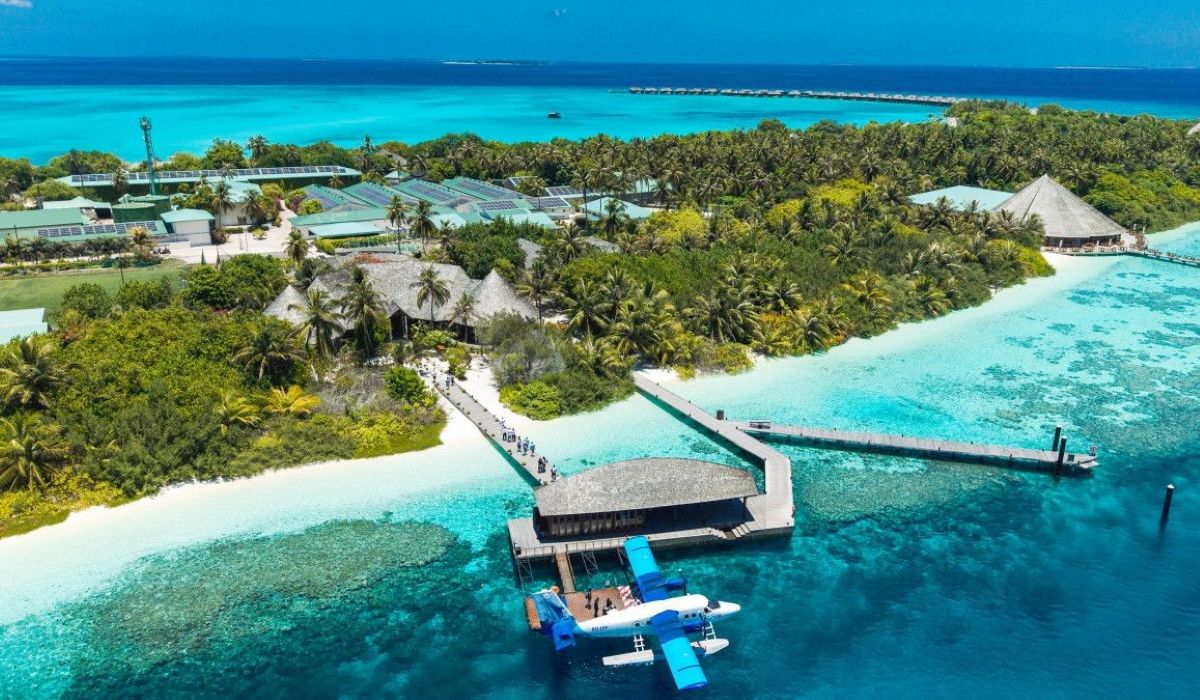
Image Credit visitmaldives.com
The Maldives’ amazing coral reefs and vibrant marine life attract tourists interested in different kinds of water activities. Because of this, many resorts use seaplanes and speedboats to transport their clients to the resorts. Seaplanes provide guests the experience of landing on water and flying over the atolls and coral reefs. Speedboats, on the other hand, only provide guests a scenic view of the atolls on their way to the resort. The Four Seasons Resort provides plenty of activities to their guests as well as provides them an opportunity to see stunning Maldivian sunsets. It also provides a water spa and has water bungalows.
Navigating Pristine Habitats and Extraordinary Aquatic Conservation Initiatives
The foundational identity of Four Seasons Resort Maldives at Landaa Giraavaru is inextricably linked to its groundbreaking marine conservation efforts, which captivate conservationists and leisure seekers alike. Located near the world-famous Hanifaru Bay, the resort benefits from seasonal currents that attract massive, awe-inspiring gatherings of manta rays. To capitalize on this natural wonder without disrupting wildlife, the establishment introduced the exclusive Manta-on-Call program, operating typically from May to December. This initiative notifies registered guests the moment manta sightings occur, dispatching them via high-speed boats accompanied by professional marine experts. Such innovative guest-engagement models are currently reshaping the global adventure travel sector, encouraging tour operators and hospitality brands worldwide to design dynamic, wildlife-respecting excursion models that prioritize animal welfare alongside guest satisfaction.
Advertisement
Advertisement
Complementing these seasonal aquatic spectacles is the prestigious Marine Discovery Centre, a dedicated facility housing intensive sea turtle rehabilitation initiatives and advanced coral propagation projects. By maintaining a transparent, tangible record of rescued and rehabilitated marine creatures, the center fosters a profound emotional connection between visitors and the fragile oceanic environment. This approach is having a transformative ripple effect across the global hospitality landscape, inspiring luxury hotels from the Indian Ocean to the Caribbean to establish on-site research laboratories and educational hubs. Modern travelers are actively shifting their spending toward brands that demonstrate measurable environmental stewardship, compelling international tourism boards to integrate conservation metrics into their official marketing and accreditation standards.
Seamless Aerial Journeys and Distinct Island Logistics for Global Explorers
Advertisement
Advertisement
Logistics and arrival experiences play a critical role in shaping high-end travel narratives, and the journey to Four Seasons Resort Maldives at Landaa Giraavaru exemplifies sophisticated transit innovation. International visitors typically land at Velana International Airport before embarking on a breathtaking 35 to 40 minute seaplane flight across turquoise waters. Elevating this transit experience even further, the resort offers exclusive access to its custom marine-inspired aircraft, namely the Flying Triggerfish and the Flying Boxfish. Furthermore, discerning travelers frequently choose to curate multi-destination itineraries by combining their stay at this retreat with a visit to its esteemed sister property, Four Seasons Kuda Huraa. This seamless multi-island travel model provides valuable insights for global hospitality conglomerates looking to enhance regional syndication and cross-promote properties within distinct archipelago settings.
The internal operational layout of the island further redefines resort mobility and guest autonomy on a global scale. Spanning a generously sized terrain, the resort encourages visitors to utilize complimentary bicycles to navigate effortlessly between private villas, gourmet dining venues, and the holistic AyurMa wellness spa. Accommodations are thoughtfully divided across two distinct sides of the island: one protected by robust sea defences offering a calm, serene ambiance, and the other opening wide toward the open ocean with dramatic, unobstructed horizon views. Ranging from intimate one-bedroom beach sanctuaries to the palatial four-bedroom Landaa Estate, these diverse lodging configurations offer profound lessons for global resort architects. By demonstrating how varied geographical micro-environments can be successfully leveraged within a single island, this property continues to inspire luxury resort planners worldwide to optimize spatial layout for maximum guest satisfaction.
Analyzing the Comprehensive Economic Impact of High-End Eco-Tourism on Local Island Communities and Regional Infrastructure
The rapid expansion of sustainable luxury hospitality in remote archipelagos generates profound economic reverberations throughout local and regional markets. At properties like Four Seasons Resort Maldives at Landaa Giraavaru, substantial financial investments flow directly into community-based employment, marine research funding, and regional supply chain development. Industry data indicates that premier eco-resorts allocate approximately 35% to 40% of their operational expenditure toward local sourcing, supporting regional artisans, organic agricultural initiatives, and sustainable fisheries across the Baa Atoll. For the broader travel industry, this economic model proves that luxury tourism can successfully transcend traditional consumption, transforming into a vital catalyst for regional economic self-sufficiency and long-term infrastructure enhancement.
Furthermore, employment metrics within these high-end sanctuaries reveal a strong commitment to specialized vocational training and career advancement for local residents. Reports show that establishments operating within protected biosphere reserves maintain local workforce participation rates exceeding 50%, particularly in specialized sectors such as marine biology, hospitality management, and sustainable engineering. This deliberate focus not only empowers indigenous populations with world-class professional credentials but also elevates the overall standard of service excellence across the global tourism sector. Consequently, international hospitality educators and policymakers are closely examining these workforce development models to replicate their success in other vulnerable island destinations worldwide.
Evaluating Advanced Renewable Energy Integration and Zero-Waste Engineering Innovations in Tropical Island Resorts
Advertisement
Advertisement
Operating a sprawling luxury retreat in a delicate marine ecosystem requires cutting-edge environmental engineering and rigorous resource management strategies. The infrastructure of Four Seasons Resort Maldives at Landaa Giraavaru incorporates sophisticated solar energy farms, advanced desalination plants, and comprehensive wastewater recycling systems designed to minimize ecological footprints. Recent sustainability audits reveal that modern island resorts aiming for net-zero carbon status typically invest upwards of $2.5 million to $5 million in advanced green technologies, including solar photovoltaic arrays capable of generating over 1 megawatt of clean power daily. This technological pivot sets a transformative benchmark for the global hospitality industry, proving that uncompromising guest luxury can harmoniously coexist with aggressive decarbonization and circular economy principles.
In addition to power generation, waste management innovations play an indispensable role in maintaining the pristine beauty of the Maldives. Leading properties have successfully implemented comprehensive glass-crushing, composting, and plastic-elimination protocols, achieving diversion rates where over 85% of solid waste is recycled or repurposed on-site. For international hotel groups and resort developers, these rigorous metrics highlight an urgent industry-wide shift: eco-friendly engineering is no longer an optional marketing add-on, but a fundamental operational prerequisite. As global travelers become increasingly discerning, properties that transparently showcase their carbon-neutral metrics and waste-reduction achievements capture a distinct competitive advantage in the luxury booking market.
Investigating the Specialized Science of Coral Reef Restoration and Marine Biodiversity Monitoring Protocols
The long-term viability of tropical island tourism is intrinsically tied to the health of surrounding coral reef networks and pelagic habitats. Situated within the Baa Atoll, Four Seasons Resort Maldives at Landaa Giraavaru employs dedicated teams of resident marine biologists who utilize advanced coral propagation techniques, such as mineral accretion and frame-based reef restoration. Scientific metrics published by marine research institutions indicate that active reef restoration projects can increase local fish population densities by up to 300% within a span of 3 to 5 years. For the global travel industry, integrating hands-on scientific conservation into guest itineraries redefines the boundaries of experiential tourism, transforming passive vacationers into active participants in global marine preservation.
Moreover, biodiversity monitoring programs—such as tracking manta ray populations near Hanifaru Bay—provide invaluable empirical data for international marine conservation bodies. Research collaborations between luxury resorts and global environmental foundations generate thousands of hours of observational data annually, helping scientists map migratory corridors and assess the impacts of global climate shifts. This symbiotic relationship between high-end tourism and scientific research establishes a compelling precedent for destinations across the Indian Ocean and the Pacific Ocean. By funding critical conservation research through tourism revenue, properties demonstrate that commercial luxury can actively defend the fragile natural assets upon which its entire business model relies.
Assessing the Global Wellness Tourism Boom Through Ancient Ayurvedic Healing and Holistic Spa Integration
Advertisement
Advertisement
The modern wellness tourism sector is experiencing unprecedented global expansion, with travelers increasingly seeking transformative health retreats over conventional leisure getaways. At the heart of Four Seasons Resort Maldives at Landaa Giraavaru, the specialized AyurMa wellness sanctuary merges ancient Ayurvedic traditions, yoga therapy, and modern planetary health practices into a cohesive guest journey. Market research estimates that global wellness tourism expenditures exceed $800 billion annually, driven by high-net-worth consumers prioritizing mental rejuvenation, longevity medicine, and holistic physical restoration. This macro-trend encourages premier international resorts to elevate their spa offerings from basic amenity services into comprehensive, medically grounded wellness destinations.
Furthermore, the integration of locally sourced botanical ingredients and marine-based therapies creates a deeply authentic wellness experience that resonates strongly with conscious travelers. Statistical analysis of luxury booking preferences reveals that over 65% of affluent tourists actively seek out resorts offering structured wellness and stress-reduction programs during their travels. By pioneering integrative wellness models that honor indigenous healing arts while maintaining five-star luxury standards, properties in the Maldives continue to shape the strategic investment priorities of global spa developers and hospitality wellness brands worldwide.
Exploring the Economics of Ultra-Luxury Private Estate Rentals and Multi-Generational Family Travel Trends
Shifting demographics within the high-net-worth travel market have triggered a massive surge in demand for ultra-exclusive accommodations and multi-generational family compounds. Accommodations such as the four-bedroom Landaa Estate at Four Seasons Resort Maldives at Landaa Giraavaru cater to affluent families seeking ultimate privacy, personalized butler service, and bespoke spatial layouts. Industry reports indicate that private estate and villa bookings have surged by over 40% globally over the past five years, as high-net-worth individuals increasingly prioritize secure, secluded environments for family gatherings and celebrations. This structural shift prompts luxury resort developers worldwide to expand their inventories of ultra-spacious, multi-bedroom private compounds rather than focusing solely on standard one-bedroom guest rooms.
Additionally, servicing these expansive private estates requires a high staff-to-guest ratio, often averaging 3 to 1, which significantly drives employment and service customization standards across the hospitality sector. Guests booking these high-tier properties expect hyper-personalized itineraries, private culinary experiences, and exclusive access to marine excursions. For international travel conglomerates, understanding the nuanced operational requirements of ultra-luxury family compounds is essential for capturing the lucrative top tier of the global tourism market, influencing everything from architectural design briefs to bespoke guest service training modules.
Analyzing the Strategic Importance of Multi-Island Twin-Center Itineraries in Regional Tourism Marketing
Advertisement
Advertisement
Modern luxury travelers are increasingly rejecting static, single-destination vacations in favor of dynamic, multi-faceted itineraries that offer diverse geographical and cultural experiences within a single trip. The strategic pairing of Four Seasons Resort Maldives at Landaa Giraavaru with its sister property, Four Seasons Kuda Huraa, exemplifies the highly effective twin-center travel model. Tourism analytics show that multi-destination regional packages increase average length-of-stay metrics by 35% to 50%, while simultaneously maximizing per-guest economic yield for regional airlines, transfer operators, and local vendors. This operational synergy provides a powerful blueprint for hospitality brands operating multiple properties within a single island nation or regional archipelago.
Furthermore, cross-promoting distinct island properties allows hotel groups to showcase contrasting facets of a destination—such as combining an intimate surf-centric island vibe near Velana International Airport with a remote, conservation-focused biosphere retreat in the northern atolls. For global destination marketing organizations, encouraging multi-island itineraries helps distribute tourist traffic more evenly across regional provinces, reducing environmental congestion in overcrowded hotspots while boosting local economies in lesser-known areas. Travel industry experts predict that customized, multi-property archipelago journeys will remain a dominant trend in high-end international tourism for the foreseeable future.
Investigating the Future of Aviation Innovation and Low-Impact Seaplane Logistics in Remote Archipelagos
Seamless, premium transit logistics represent a cornerstone of the ultra-luxury travel experience, particularly in island nations where remote geography requires specialized aviation solutions. The utilization of custom marine-inspired aircraft, such as the Flying Triggerfish and the Flying Boxfish servicing Four Seasons Resort Maldives at Landaa Giraavaru, highlights the evolving intersection of aviation design and luxury hospitality. Industry forecasts project that global investments in sustainable regional aviation and hybrid-electric seaplane technologies will expand significantly, driven by corporate net-zero mandates and increasing consumer demand for low-impact transit. For remote island resorts, maintaining dedicated, high-end transfer fleets ensures absolute control over service quality and punctuality, which are critical factors for affluent international travelers.
Moreover, managing complex seaplane logistics across vast tropical archipelagos requires sophisticated meteorological tracking, advanced air-traffic coordination, and rigorous maintenance standards. Operational metrics demonstrate that efficient transfer coordination reduces average airport transit waiting times to under 60 minutes, drastically enhancing overall guest satisfaction scores upon arrival at Velana International Airport. As global aviation standards evolve toward greater environmental accountability, the integration of fuel-efficient, aesthetically bespoke transit aircraft will become an essential benchmark for luxury resort operations worldwide, heavily influencing future equipment acquisitions across the island tourism sector.
Assessing the Evolution of Digital Guest Integration and Hyper-Personalized Concierge Technology in Luxury Resorts
Advertisement
Advertisement
The technological architecture supporting modern luxury resorts has undergone a profound transformation, moving away from intrusive gadgetry toward seamless, intuitive, and hyper-personalized digital concierge services. At elite properties like Four Seasons Resort Maldives at Landaa Giraavaru, sophisticated guest-engagement applications manage everything from real-time activity bookings and dining reservations to specialized wildlife alert notifications like the Manta-on-Call program. Market research indicates that over 70% of luxury travelers prefer utilizing integrated mobile platforms to curate their daily resort itineraries, expecting instant communication with dedicated personal attendants and marine experts. This technological shift compels hospitality brands globally to invest heavily in proprietary guest-management software and secure cloud infrastructure.
Additionally, data-driven personalization allows resort staff to anticipate guest preferences before arrival, tailoring room temperatures, dietary options, and recreational excursions based on historical stay data and expressed interests. Industry analysts note that this high level of digital customization drives remarkable brand loyalty, with repeat-guest rates at premier luxury resorts frequently exceeding 40%. For the broader international travel industry, mastering the delicate balance between high-tech convenience and warm, human-centric hospitality represents the ultimate competitive frontier in attracting and retaining today’s sophisticated global explorer.
The Final Verdict
Leaving the Maldives is hard knowing it may be your last time. From Landaa Giraavaru, boats head out across the Indian Ocean and roll with the swells for many, many miles. You have come to know the meaning of luxury staying on these Maldives islands. You take a vow, promise, to return and explore the underwater world and surrounds of this amazing island archipelago. You take your new found appreciation of true luxury and your crazy adventures back to the folks at home along with the wonderful staff of the Landaa Giraavaru Resort.
Advertisement
