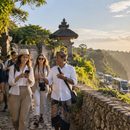
Image generated with Ai
Nicaragua Reveals Five Hidden Slow Travel Escapes Where Islands, Volcanoes and Villages Promise an Unforgettable Journey, and there are good reasons why. Nicaragua reveals five hidden slow travel escapes where islands, volcanoes and villages promise an unforgettable journey through authentic culture, breathtaking landscapes and peaceful communities. Moreover, these destinations encourage travellers to slow down instead of rushing from one attraction to another. As a result, visitors experience local traditions, nature and everyday life more deeply. This guide answers all you need to know about why Nicaragua reveals five hidden slow travel escapes where islands, volcanoes and villages promise an unforgettable journey for modern explorers.
The pace of modern travel often revolves around packed itineraries, crowded attractions and constant movement. Yet a different style of tourism is steadily gaining popularity among travellers seeking meaningful experiences instead of rushed sightseeing. Slow travel encourages visitors to spend more time in one destination, connect with local communities and appreciate nature, culture and daily life at a relaxed pace.
Nicaragua is emerging as one of Central America’s most rewarding destinations for this growing travel trend. Rather than chasing famous landmarks in a few hours, visitors can explore peaceful islands, historic riverside towns, mountain communities and Caribbean beaches where life unfolds naturally.
According to official tourism promotion by the Nicaraguan tourism authorities, these destinations invite visitors to experience the country’s landscapes, traditions and hospitality through authentic encounters rather than fast-paced tourism. From volcanic islands rising from Central America’s largest lake to quiet Caribbean hideaways with no motor traffic, Nicaragua offers remarkable places where slowing down becomes part of the journey itself.
Advertisement
Advertisement
Slow travel is no longer simply a tourism trend. It has become a different philosophy of exploring the world. Instead of rushing between attractions, travellers choose to remain longer in fewer places, allowing them to discover local traditions, regional cuisine and everyday culture.
Nicaragua naturally suits this style of travel. Across the country, visitors find destinations where nature remains largely untouched, communities continue long-standing traditions and tourism develops alongside local culture rather than replacing it.
Travelling slowly also creates opportunities to support small businesses, family-run accommodation providers, local restaurants and artisan workshops. Instead of measuring a holiday by the number of places visited, travellers focus on meaningful experiences that create lasting memories.
For visitors seeking authenticity rather than crowded tourist hotspots, Nicaragua provides an environment where every destination encourages exploration without pressure.
Unlike destinations dominated by mass tourism, many of Nicaragua’s most rewarding locations remain relatively undiscovered by international visitors. This allows travellers to experience landscapes and communities that continue to preserve their traditional identity.
The country’s volcanic scenery, freshwater lakes, colonial heritage, tropical forests and Caribbean coastline create exceptional geographical diversity within a relatively compact area. Each region offers its own pace of life and distinct cultural traditions.
Government tourism promotion increasingly highlights these lesser-known destinations because they showcase Nicaragua’s authentic identity while supporting sustainable tourism development across local communities.
Rather than following crowded tourist routes, visitors have the opportunity to discover villages where artisan traditions continue, islands where wildlife flourishes and riverside settlements where history remains part of everyday life.
These quieter destinations demonstrate that Nicaragua’s greatest travel experiences are often found away from the busiest visitor centres.
Among Nicaragua’s most distinctive destinations is the Solentiname Archipelago, located within the vast waters of Lake Cocibolca. This peaceful collection of islands has earned recognition for combining natural beauty with a rich artistic tradition.
Instead of busy resorts or commercial attractions, visitors encounter tranquil villages where creativity forms part of daily life. Local artists continue producing colourful primitive art that has become closely associated with the islands, welcoming visitors into workshops where craftsmanship remains a family tradition.
The surrounding landscape creates an atmosphere of complete relaxation. Gentle lake waters, abundant birdlife and quiet walking paths replace traffic noise and crowded streets.
Many travellers come simply to disconnect from modern routines, spending their days observing wildlife, meeting local residents, reading, painting or enjoying uninterrupted views across Central America’s largest freshwater lake.
For visitors looking to experience Nicaragua beyond conventional tourism, Solentiname represents one of the country’s most peaceful and culturally rewarding destinations.
Further south, along the historic San Juan River, El Castillo presents another example of Nicaragua’s slower rhythm of life.
The small riverside settlement is best known for the Fortress of the Immaculate Conception, an important colonial landmark overlooking the river that once played a strategic role in defending trade routes through Central America.
Today, the town offers visitors a very different experience. Wooden houses line peaceful streets while boats travel steadily along the river, creating a relaxed atmosphere that encourages exploration on foot.
The surrounding rainforest adds another layer to the destination, with opportunities to observe tropical wildlife and appreciate the region’s biodiversity.
Instead of busy urban tourism, El Castillo invites travellers to spend time discovering local history, enjoying riverside scenery and experiencing one of Nicaragua’s most atmospheric heritage destinations.
High in the mountains of Estelí lies La Garnacha, a rural community that showcases another side of Nicaragua rarely experienced by international visitors.
Agriculture, sustainable farming and traditional food production shape everyday life here. Visitors can learn about locally produced cheeses, explore organic gardens and enjoy panoramic mountain landscapes where fresh air and peaceful surroundings dominate the experience.
Walking trails connect scenic viewpoints overlooking rolling hills, while local families welcome guests interested in understanding rural Nicaraguan culture.
Unlike destinations built primarily around tourism infrastructure, La Garnacha remains rooted in community life. Visitors become participants rather than spectators, discovering how agriculture, craftsmanship and hospitality combine to create meaningful travel experiences.
For travellers seeking authenticity instead of luxury resorts, this mountain destination offers an ideal opportunity to slow down and appreciate Nicaragua’s countryside.
Among Nicaragua’s most celebrated destinations, Ometepe Island perfectly reflects the essence of slow travel. Rising from the vast waters of Lake Cocibolca, the island is formed by two impressive volcanoes—Concepción and Maderas—which create one of Central America’s most recognisable landscapes.
Life on Ometepe moves at a comfortable pace. Visitors often explore the island by bicycle or scooter, stopping at small villages, family-owned cafés, archaeological sites and scenic viewpoints along quiet rural roads. Every journey reveals a different perspective of the island’s volcanic beauty, while the surrounding lake creates a peaceful atmosphere throughout the day.
Nature lovers can hike forest trails, discover waterfalls, observe native wildlife or simply relax beside the lake while enjoying traditional Nicaraguan cuisine. Instead of rushing from one attraction to another, travellers are encouraged to spend several days experiencing the island’s relaxed lifestyle, friendly communities and spectacular sunsets.
Ometepe demonstrates that unforgettable travel experiences do not depend on busy schedules. Sometimes, slowing down allows visitors to appreciate a destination far more deeply.
Far from busy cities and commercial resorts, Little Corn Island delivers one of the Caribbean’s most peaceful travel experiences. Located off Nicaragua’s eastern coast, this small tropical island has become a favourite among travellers looking to disconnect from modern distractions.
One of the island’s most distinctive features is the absence of motor vehicles. People move around on foot along shaded paths lined with palm trees, while the sound of waves replaces traffic and city noise. This simple way of life immediately creates a sense of calm rarely found in today’s fast-moving world.
Crystal-clear waters surround the island, making it an outstanding destination for snorkelling, diving and marine life observation. Colourful coral reefs, tropical fish and warm Caribbean waters attract visitors who appreciate nature rather than crowded beach resorts.
Accommodation is largely made up of small guesthouses, eco-lodges and locally owned businesses, allowing tourism to remain closely connected with the island’s community. Visitors often spend their days reading beneath palm trees, exploring quiet beaches or watching spectacular sunsets over the Caribbean Sea.
Little Corn Island perfectly captures the spirit of slow tourism by encouraging visitors to leave behind busy routines and embrace a simpler rhythm of life.
Across the world, travellers are increasingly choosing experiences that prioritise sustainability, authenticity and meaningful connections over fast-paced sightseeing. Nicaragua is well positioned to benefit from this shift because many of its destinations have naturally preserved these qualities for generations.
Unlike destinations shaped by large-scale tourism development, Nicaragua continues to offer communities where traditional lifestyles remain central to everyday life. Visitors are welcomed into artisan workshops, family farms, local restaurants and rural villages where tourism supports rather than replaces local culture.
The country’s remarkable geographical diversity also strengthens its appeal. Within a single journey, travellers can experience volcanic islands, colonial towns, cloud forests, freshwater lakes, mountain communities and Caribbean beaches. Each destination offers a different perspective on Nicaragua while maintaining the peaceful atmosphere that defines slow travel.
Government tourism promotion increasingly highlights these experiences because they align with growing global demand for responsible tourism that benefits local communities while protecting natural and cultural heritage.
For international visitors seeking destinations that feel genuine rather than commercialised, Nicaragua offers an alternative that is becoming increasingly rare across many parts of the world.
A successful slow travel experience begins with thoughtful planning. Rather than trying to visit every attraction in a single holiday, travellers benefit from selecting fewer destinations and allowing enough time to fully experience each location.
Combining Solentiname, El Castillo, La Garnacha, Ometepe Island and Little Corn Island creates a journey that showcases Nicaragua’s extraordinary diversity. Each destination offers its own landscape, traditions and pace of life, making every stop feel completely different from the previous one.
Travellers should also consider supporting locally owned accommodation, community tourism initiatives, independent guides and regional restaurants. Doing so not only enriches the visitor experience but also contributes directly to local economies and sustainable tourism development.
Flexibility remains another important part of slow travel. Allowing time for unexpected discoveries, conversations with local residents and spontaneous experiences often leads to the most memorable moments of any journey.
Nicaragua reveals five hidden slow travel escapes where islands, volcanoes and villages promise an unforgettable journey because the country offers experiences built around nature, culture and genuine local hospitality rather than crowded tourist attractions. Destinations including Solentiname, El Castillo, La Garnacha, Ometepe Island and Little Corn Island allow travellers to explore at a relaxed pace while discovering Nicaragua’s artistic traditions, volcanic landscapes, rural communities and Caribbean beauty. The growing appeal of slow tourism makes these destinations ideal for visitors seeking meaningful holidays. By choosing quality experiences over busy itineraries, travellers gain a deeper connection with Nicaragua and its authentic way of life.
Advertisement
Tags: Authentic Nicaragua travel, Best places to visit in Nicaragua, Central America travel, El Castillo Nicaragua, Hidden gems Nicaragua
Advertisement
Advertisement













Friday, September 4, 2026

Friday, September 4, 2026
Friday, September 4, 2026

Friday, September 4, 2026

Thursday, September 3, 2026

Wednesday, September 2, 2026

Friday, September 4, 2026