
Spain Unites with France, Italy and More as Global Travel Destinations Face Rising Tourist Fraud and Digital Scam Risks: All You Need to Know

Published
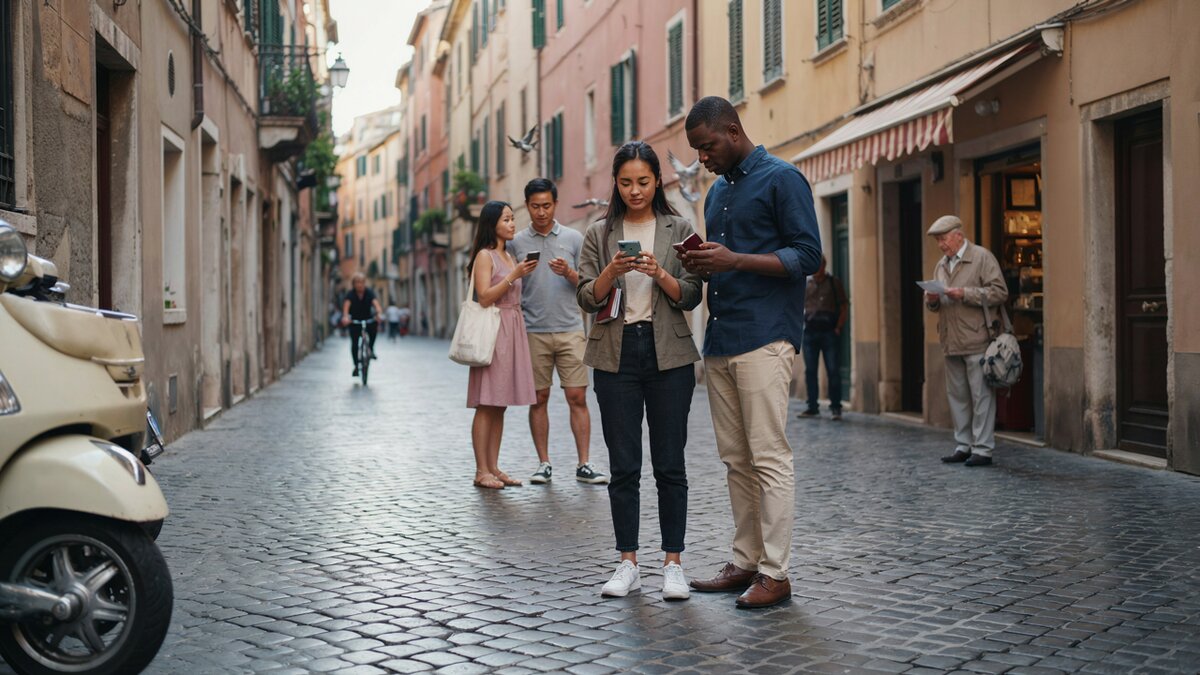
International travel has entered a new security landscape where traditional street scams now exist alongside sophisticated digital fraud schemes. Millions of travellers explore global destinations every year, but governments and law enforcement agencies continue to warn visitors about risks linked to fake bookings, online payment fraud, identity theft, counterfeit services and misleading travel offers.
Popular tourism markets across Europe, Asia, North America and other regions have strengthened consumer protection systems and introduced dedicated reporting platforms. However, the growth of online transactions, mobile payments and social media travel planning has created new opportunities for criminals targeting visitors.
Advertisement
Advertisement
Fraud exposure does not mean a destination is unsafe for tourists. Many countries with high visitor numbers also record more fraud reports because of stronger reporting systems, advanced digital economies and larger volumes of international transactions.
For travellers, awareness remains one of the most important tools. Understanding common scams, using official booking platforms and verifying services before payment can significantly reduce financial risks during overseas journeys.
Advertisement
Advertisement
Countries Where Travellers Should Understand Changing Fraud Patterns
Fraud trends vary widely between countries. Government agencies generally classify incidents based on domestic laws, reporting methods and enforcement priorities. A higher number of recorded cases may reflect better reporting rather than a higher danger level for visitors.
The following destinations represent major tourism markets where authorities have highlighted consumer, cyber or financial fraud concerns.
Advertisement
Advertisement
| Country | Common Fraud Concerns Reported by Authorities | Travel Areas Where Awareness Helps |
|---|---|---|
| Spain | Online scams, accommodation fraud, payment-related crimes | Holiday rentals, tourist purchases, digital bookings |
| Italy | Fake services, ticket scams, counterfeit goods | Historic attractions, transport, tourist markets |
| France | Payment fraud, identity-related scams, tourist-targeted theft | Major cities, online travel transactions |
| Singapore | Digital scams, impersonation fraud, online financial crimes | Mobile payments and online communication |
| Germany | Cyber-enabled fraud, online marketplace scams | Digital bookings and financial transactions |
| Austria | Online fraud and consumer deception | Travel services and accommodation platforms |
| Canada | Digital fraud, identity theft and financial scams | Online travel purchases and payment security |
| United States | Cybercrime, identity theft and financial fraud | Digital payments and online travel services |
Spain Sees Growing Attention on Digital and Tourist-Related Scams
Spain remains one of the world’s most visited countries, attracting travellers to destinations such as Barcelona, Madrid, the Balearic Islands and coastal regions. Alongside tourism growth, authorities have increased awareness campaigns around cybercrime, online fraud and consumer protection.
Travellers commonly encounter risks involving fake accommodation listings, fraudulent websites, unofficial ticket sellers and payment scams.
Advertisement
Advertisement
Visitors searching for holiday rentals should verify property listings carefully. Criminal networks sometimes advertise properties that do not exist or request payments through unofficial channels.
Tourists are advised to:
- Book accommodation through trusted platforms.
- Avoid transferring money outside official systems.
- Check website security before entering payment information.
- Be cautious of unusually low prices.
Spain’s tourism infrastructure remains highly developed, but travellers increasingly need digital awareness when planning and paying for trips.
Italy Warns Visitors About Fake Services and Tourist Payment Risks
Italy attracts millions of international visitors every year with destinations including Rome, Venice, Florence and Milan. The country’s popularity also makes tourist areas attractive targets for individuals attempting fraudulent activities.
Advertisement
Advertisement
Common risks include fake attraction tickets, unofficial tour operators, counterfeit products and misleading online offers.
Travellers should confirm that tickets, guides and experiences are purchased through authorised providers. Major attractions often recommend using official channels rather than unknown sellers offering discounted access.
A small saving from an unofficial provider can sometimes result in losing money or receiving invalid services.
Tourists should also remain cautious when using public Wi-Fi networks, especially while accessing banking applications or entering personal information.
France Highlights Importance of Cyber Awareness for International Visitors
France remains a global tourism leader with millions of visitors travelling to Paris, the French Riviera, the Alps and cultural destinations each year.
Government agencies and cybersecurity organisations continue to highlight the growing importance of protecting personal information as digital fraud becomes more advanced.
Advertisement
Advertisement
Travellers may face risks including:
| Scam Type | How It Can Affect Visitors |
|---|---|
| Fake online bookings | Loss of accommodation payments |
| Phishing messages | Theft of passwords or banking information |
| Payment fraud | Unauthorised transactions |
| Identity scams | Misuse of personal documents |
Visitors should avoid clicking suspicious links, especially messages claiming to represent airlines, hotels or government agencies.
Singapore Shows How Advanced Digital Economies Face New Fraud Challenges
Singapore is recognised globally for its technology-driven economy and strong security infrastructure. However, the country has also experienced increasing concerns around online scams.
Authorities have introduced public awareness campaigns encouraging residents and visitors to identify impersonation scams, fraudulent investment offers and phishing attempts.
For travellers, digital safety is increasingly important because many tourism services rely on online payments, mobile applications and electronic transactions.
Visitors should:
Advertisement
Advertisement
- Download applications only from official stores.
- Avoid sharing verification codes.
- Confirm payment requests before approval.
- Ignore messages demanding urgent action.
Singapore demonstrates that even highly connected destinations must continuously adapt to evolving cyber threats.
Germany and Austria Strengthen Consumer Protection Against Online Fraud
Germany and Austria attract visitors through heritage cities, mountain regions and cultural tourism experiences. As digital travel booking becomes more common, online fraud prevention has become an important part of consumer protection.
Travellers booking hotels, flights, rail tickets or holiday packages should check whether providers are legitimate.
Fake websites can imitate established companies by copying logos, designs and booking processes.
Before completing transactions, visitors should verify:
- Website addresses.
- Company contact details.
- Payment security systems.
- Customer reviews from reliable sources.
Digital caution is becoming as important as traditional travel safety.
Advertisement
Advertisement
North American Travellers and Visitors Face Expanding Cybercrime Risks
Canada and the United States remain among the world’s largest travel markets. Both countries have extensive tourism infrastructure, but authorities continue to warn about identity theft, online scams and financial fraud.
International visitors are often targeted because they may be unfamiliar with local systems.
Common risks include:
- Fake immigration messages.
- Fraudulent travel offers.
- Cryptocurrency investment scams.
- Payment card theft.
- Fake customer service contacts.
Travellers should never provide passport details, banking information or personal identification documents unless they are dealing with verified organisations.
Why Fraud Statistics Should Not Automatically Define a Destination
Recorded fraud numbers can create misleading impressions when viewed without context.
A country may report more cases because:
Advertisement
Advertisement
- More people report incidents.
- Authorities have better detection systems.
- Digital payments are widely used.
- The country receives more visitors.
- Cybercrime reporting mechanisms are stronger.
Tourism safety depends on many factors, including law enforcement capacity, infrastructure, traveller behaviour and awareness.
A destination with reported fraud cases can still provide millions of visitors with safe and successful travel experiences every year.
How Tourists Can Protect Themselves From Fraud Worldwide
Modern travellers can reduce risks by following practical safety measures.
| Safety Step | Why It Matters |
|---|---|
| Use official booking platforms | Reduces fake reservation risks |
| Avoid suspicious discounts | Prevents fraudulent offers |
| Protect personal documents | Reduces identity theft |
| Use secure payment methods | Limits financial exposure |
| Enable banking alerts | Helps detect unusual activity |
| Research before booking | Identifies unreliable providers |
Travellers should also keep digital copies of important documents and avoid sharing sensitive information through unknown channels.
Frequently Asked Questions
1. Which countries have the highest travel scam risks?
There is no single universal government ranking of countries with the highest travel fraud risk. Fraud reporting differs because of population size, tourism numbers, legal definitions and reporting systems.
2. Does a high fraud report mean a country is unsafe for tourists?
No. High reported numbers can also reflect strong reporting systems, greater internet usage and higher transaction volumes.
Advertisement
Advertisement
3. What are the most common scams affecting international travellers?
Accommodation fraud, fake tickets, phishing messages, payment scams, identity theft and unofficial travel services are among the common risks.
4. How can tourists identify fake travel websites?
Travellers should check official website addresses, verify company information, avoid unusual payment requests and use trusted booking platforms.
5. Should tourists avoid destinations because of fraud concerns?
Fraud awareness should be part of travel planning, but visitors should consider official travel guidance, local regulations and personal safety practices before making decisions.
Conclusion
Global tourism continues to expand, but the way criminals target travellers is changing rapidly. Fraud is no longer limited to street-level scams. Digital deception, fake bookings and online payment threats have become major concerns worldwide.
Popular destinations across Europe, Asia and North America continue strengthening consumer protection and cybersecurity measures. For travellers, preparation remains the strongest defence.
By choosing verified services, protecting personal information and understanding common fraud methods, visitors can enjoy international journeys with greater confidence while navigating the modern travel environment safely.
Advertisement
