
Antarctica Cruise Innovation Expands as AI Technology Protects Whales During Polar Travel Adventures

Published
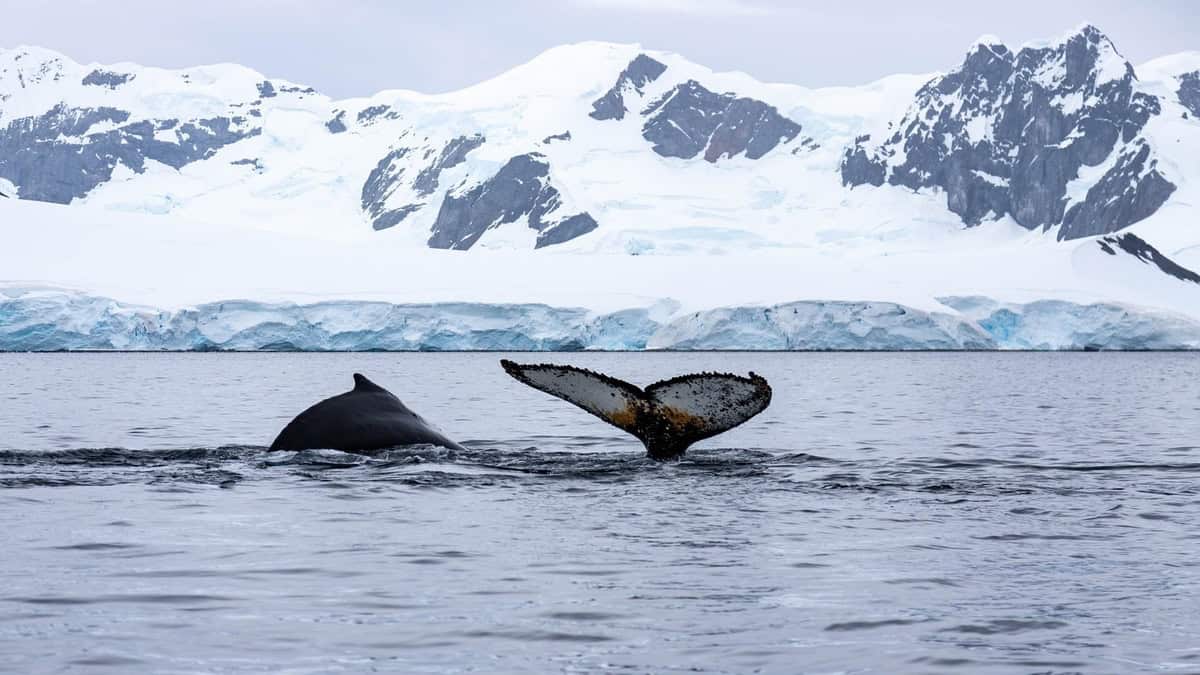
Antarctic expedition cruising is entering a new conservation-focused phase as AI-powered whale detection technology is introduced aboard PONANT’s polar vessel Le Commandant Charcot. The development gives travellers a new reason to choose science-led voyages, where wildlife encounters are supported by advanced monitoring systems and research partnerships. The technology is part of a wider shift in expedition cruising, where ships are becoming platforms for marine research, environmental observation and responsible tourism rather than only transportation to remote destinations.
Antarctic Cruises Move Beyond Sightseeing as AI Technology Supports Wildlife Protection
The latest evolution in Antarctic expedition cruising is not simply about adding artificial intelligence onboard. It represents a broader change in how travellers experience remote destinations.
For decades, Antarctic cruises have been built around access to rare landscapes, ice-covered coastlines and wildlife encounters. The next stage of growth is increasingly connected with scientific participation, conservation technology and responsible exploration.
PONANT’s Le Commandant Charcot has become a leading example of this changing model. The vessel combines luxury expedition travel with dedicated scientific infrastructure, allowing researchers to conduct field studies while passengers experience polar environments.
Advertisement
Advertisement
According to Woods Hole Oceanographic Institution, the partnership between WHOI and PONANT allows scientists to join selected expeditions, test emerging technologies and conduct research in some of the planet’s most remote marine regions.
For cruise travellers, this creates a new category of Antarctic journey: a voyage where the ship itself contributes to understanding and protecting the destination.
Advertisement
Advertisement
AI Whale Detection Creates a New Passenger Value Proposition in Antarctic Expeditions
The most important traveller-focused development is the introduction of AI-enabled whale detection technology through the WhaleSpotter Camera system.
The technology uses artificial intelligence and advanced imaging to help detect whales and support safer navigation decisions. PONANT and WHOI identify the system as one of the next-generation technologies connected with their ocean science partnership.
Advertisement
Advertisement
The travel significance is clear. Antarctic cruise passengers often choose these voyages because of the possibility of seeing whales, seals and seabirds in their natural environment. However, wildlife observation requires careful management to reduce disturbance to marine species.
AI monitoring provides expedition teams with additional information before wildlife encounters occur. This can help crews better understand animal presence around the vessel and improve decision-making during navigation.
The technology therefore changes the passenger experience in three ways:
| Traveller Benefit | Impact on Antarctic Cruise Experience |
|---|---|
| Safer wildlife encounters | Helps expedition teams monitor marine animals more effectively |
| Science-based travel | Connects passengers with real conservation activity |
| Responsible exploration | Supports lower-impact tourism practices in fragile ecosystems |
Le Commandant Charcot Connects Ushuaia Departures with Science-Led Antarctic Travel
The city of Ushuaia in Argentina remains one of the most important gateways for Antarctic expedition cruises. Located at the southern tip of South America, the city serves as a major departure point for vessels travelling towards the Antarctic Peninsula and surrounding regions.
Advertisement
Advertisement
For travellers, the connection between Ushuaia and Antarctica is becoming more than a traditional embarkation route. It is increasingly the starting point for technology-supported exploration.
Le Commandant Charcot operates voyages into extreme polar environments, including the Weddell Sea, one of Antarctica’s most remote and scientifically significant marine regions. PONANT describes the Weddell Sea as a destination where guests can encounter major Antarctic wildlife species, including whales, seals and penguins, while travelling aboard its polar exploration vessel.
The growing importance of Ushuaia-based expedition travel also highlights how gateway destinations are becoming part of the sustainability conversation. Travellers are not only choosing where they go, but also how their journey contributes to protecting the environment they visit.
Buenos Aires Link Strengthens Argentina’s Role in Antarctic Cruise Networks
Buenos Aires is another important city connected with Antarctic travel because many international visitors use Argentina’s capital as an arrival and connection point before continuing south towards Ushuaia.
The growth of science-based Antarctic tourism strengthens Argentina’s wider role in the polar travel supply chain. Hotels, transport providers, tour operators and aviation services connected with Buenos Aires and Ushuaia benefit from the expanding demand for premium expedition experiences.
The Antarctic cruise sector increasingly depends on a complete travel ecosystem:
Advertisement
Advertisement
| Travel Segment | Role in Antarctic Cruise Growth |
|---|---|
| Buenos Aires | International arrival and pre-cruise travel hub |
| Ushuaia | Primary expedition cruise gateway |
| Antarctic vessels | Science and exploration platforms |
| Research partnerships | Conservation and knowledge development |
This creates opportunities for travel businesses to develop higher-value packages combining city stays, expedition voyages and educational experiences.
Antarctic Expedition Ships Are Becoming Floating Research Platforms
The strongest long-term cruise trend behind this development is the transformation of expedition ships into mobile scientific platforms.
WHOI research highlights how Le Commandant Charcot provides access for scientists studying Antarctic glaciers, sea ice and ocean conditions. The vessel includes dedicated scientific spaces and enables researchers to collect data from areas that are difficult to reach using conventional methods.
This model creates a new relationship between cruise operators and scientific institutions.
Traditional cruise tourism focuses mainly on passenger experience. Expedition cruising increasingly combines:
- Exploration
- Research
- Environmental monitoring
- Education
- Conservation technology
For travellers, this means the value of an Antarctic cruise is no longer measured only by scenery or wildlife sightings. The scientific contribution of the voyage is becoming part of the overall travel experience.
Advertisement
Advertisement
Why This Matters for Luxury Expedition Cruise Demand
Luxury expedition travellers are increasingly seeking meaningful experiences rather than simple destination visits.
Antarctica represents one of the most sensitive tourism environments in the world. The introduction of AI monitoring technology addresses a key challenge for operators: allowing visitors to experience wildlife while improving environmental responsibility.
The development may influence future cruise competition as operators look beyond accommodation standards and onboard luxury. Technology, research partnerships and conservation credentials could become important factors in how travellers compare expedition cruise products.
The next generation of polar cruising is likely to focus on:
| Emerging Cruise Trend | Future Impact |
|---|---|
| AI wildlife monitoring | Better understanding of marine environments |
| Scientific partnerships | Stronger educational experiences |
| Low-impact operations | Improved sustainability positioning |
| Data collection | Greater contribution to marine research |
Operational Takeaways for Travel Agents and Tour Operators
- Promote Antarctic expedition cruises as science-led experiences, not only luxury adventure products.
- Highlight conservation technology as an added passenger benefit.
- Educate travellers about responsible wildlife observation practices.
- Include Ushuaia and Buenos Aires as important parts of the wider Antarctic travel journey.
- Explain the difference between conventional cruising and expedition cruising when advising customers.
- Focus marketing on education, sustainability and rare access rather than only destination imagery.
- Monitor future developments in AI, robotics and marine research partnerships affecting polar tourism.
Future Outlook: AI Could Become a Defining Feature of Responsible Polar Tourism
The introduction of AI-powered whale detection technology aboard Antarctic expedition cruises signals a wider transformation in global travel. The future of polar tourism is moving towards experiences that combine discovery with environmental responsibility.
As more travellers seek meaningful and sustainable journeys, expedition cruise operators that integrate research, conservation and technology may create a new standard for remote destination travel.
Antarctica’s future tourism growth will depend not only on reaching untouched landscapes but also on protecting them. AI-powered marine monitoring represents an important step towards making expedition cruising a more informed, responsible and science-connected form of international travel.
Advertisement
