

Singapore Unites with China and Other Leading Destinations as Malaysia Tourism Hits 29 million Foreign Tourist Arrivals

Published
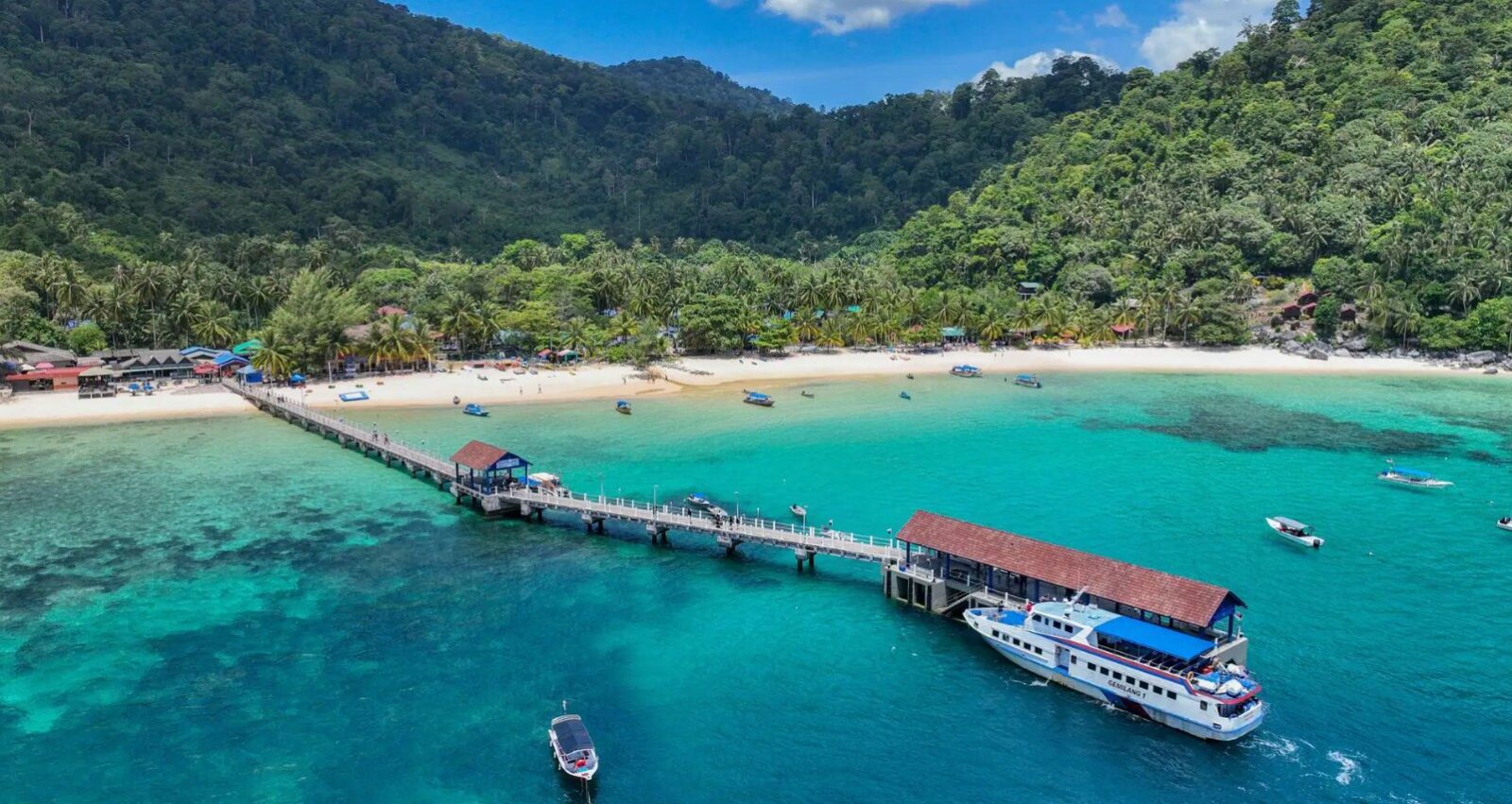
The global travel landscape has witnessed a remarkable paradigm shift in 2026, as Malaysia 29 million foreign tourist arrivals mark a historic milestone ahead of year-end projections. Anchored by the highly anticipated Visit Malaysia 2026 campaign, the nation has successfully positioned itself as Southeast Asia’s premier destination. Singapore unites with China and other leading destinations to propel this extraordinary tourism resurgence, injecting billions into the local economy. This achievement underscores the efficacy of strategic visa policies, sustainable travel initiatives, and enhanced regional connectivity. Understanding the mechanics behind this phenomenal growth is essential for industry stakeholders observing Malaysia’s unprecedented economic triumph.
The Monumental Resurgence of Malaysian Tourism in 2026
The year 2026 has unequivocally cemented Malaysia’s status as a formidable titan within the global tourism sector. Official statistics released in early October 2026 reveal a staggering accomplishment: the country has successfully welcomed 29 million international visitors in just the first eight months of the year. This exceptional milestone not only represents a complete recovery from the macroeconomic disruptions of previous years but also highlights a transformative leap forward in destination management and international appeal. Driven heavily by the ambitious Visit Malaysia 2026 initiative, the nation has successfully captivated the global imagination, drawing millions to its diverse cultural heritage, pristine natural landscapes, and dynamic urban centres.
Breaking Down the 29 Million Milestone
To comprehend the sheer magnitude of the Malaysia 29 million foreign tourist arrivals, one must contextualise these figures within the broader historical performance of the nation’s tourism industry. Before the pandemic, the highest recorded influx occurred in 2014 with 27.4 million arrivals, followed closely by 26.1 million in 2019. The fact that Malaysia has surpassed these historical peaks in merely eight months underscores an unprecedented acceleration in inbound travel. During the first half of 2026 alone, the nation recorded 21.2 million international arrivals. The subsequent influx of nearly eight million visitors throughout July and August effectively pushed the aggregate past the 29 million mark. This sustained momentum demonstrates that Malaysia is not merely experiencing a seasonal spike, but rather a permanent elevation in its global tourism standing.
The Economic Weight of the Tourism Boom
The economic implications of this unprecedented influx cannot be overstated. The Ministry of Tourism, Arts and Culture (MOTAC) has set an overarching objective for the year: generating RM147.1 billion in tourism receipts while targeting a cumulative 35.6 million arrivals by December 2026. Reaching the 29 million threshold by August signals that the financial targets are well within reach, if not entirely assured. International tourist expenditures are flowing dynamically into multiple sectors, ranging from aviation and hospitality to local retail and community-based enterprises. This extraordinary capital injection is serving as a vital catalyst for the broader Malaysian economy, stabilising the Ringgit, creating hundreds of thousands of jobs, and stimulating infrastructural development across the Peninsula and Borneo.
Advertisement
Advertisement
Singapore: The Undisputed Catalyst for Malaysia’s Tourism Success
While Malaysia’s appeal is indisputably global, its immediate neighbour remains the most critical engine driving its tourism machinery. Singapore unites with other regional powerhouses to dominate the arrival statistics, but the island nation’s contribution is uniquely profound. In the first half of 2026 alone, Malaysia recorded over 10.74 million Singaporean tourist arrivals, meaning nearly one in two international visitors originated from across the Causeway.
Unpacking the 10.74 Million Singaporean Arrivals
The staggering volume of Singaporean tourists is facilitated by a convergence of favourable economic and geographical factors. The robust strength of the Singapore Dollar (SGD) against the Malaysian Ringgit (MYR) continues to incentivise frequent cross-border travel. For Singaporeans, Malaysia represents an easily accessible haven for premium dining, retail therapy, wellness retreats, and family holidays at a fraction of the domestic cost. However, the nature of this travel has evolved. It is no longer restricted to brief weekend grocery runs in Johor Bahru; Singaporean tourists are increasingly embarking on extended itineraries, exploring the rich heritage enclaves of Penang, the highlands of Pahang, and the pristine islands of Terengganu.
Advertisement
Advertisement
Cross-Border Infrastructure and Seamless Connectivity
The facilitation of these massive arrival numbers is heavily reliant on sustained governmental efforts to streamline cross-border infrastructure. The historical congestion at the Johor-Singapore Causeway and the Tuas Second Link has been aggressively addressed through the implementation of automated clearance systems, increased staffing during peak holiday seasons, and the integration of digital immigration profiling. Furthermore, the anticipation surrounding the forthcoming Rapid Transit System (RTS) Link has already stimulated cross-border investments and tourism real estate development. These infrastructural enhancements ensure that the friction of travel is minimised, encouraging repeat visitation and solidifying Singapore’s position as the bedrock of Malaysia’s inbound tourism market.
Beyond Kuala Lumpur: Singaporeans Exploring the Peninsula
One of the most encouraging trends emerging from the 2026 data is the geographical dispersion of Singaporean tourists. While Kuala Lumpur remains a premier destination for luxury shopping and corporate travel, secondary cities are experiencing a renaissance. Destinations such as Ipoh in Perak and Malacca City are capitalising on their UNESCO heritage status and vibrant culinary scenes to attract affluent Singaporean weekenders. This widespread distribution of tourist footfall is crucial for equitable economic development, ensuring that the financial benefits of the Malaysia 29 million foreign tourist arrivals are felt far beyond the traditional metropolitan hubs.
Advertisement
Advertisement
China’s Resurgence and Its Crucial Role in the Arrival Matrix
If Singapore provides the consistent baseload of tourist arrivals, China represents the explosive growth engine that has propelled Malaysia past its historical records. The resurgence of Chinese outbound travel in 2026 has been nothing short of phenomenal, with Malaysia emerging as one of the most favoured destinations for mainland tourists seeking both leisure and cultural affinity.
The Impact of Reciprocal Visa-Free Travel Policies
The cornerstone of this success with the Chinese market lies in the strategic diplomatic foresight of the Malaysian government. The implementation and subsequent extension of the reciprocal 30-day visa exemption policy for Chinese nationals have systematically dismantled the primary barrier to entry. This frictionless travel arrangement has unlocked a tidal wave of spontaneous travel, corporate incentive trips, and family holidays. Chinese tourists, who traditionally required lengthy visa processing times, can now seamlessly book flights and arrive in Kuala Lumpur or Kota Kinabalu within days. This policy has proven to be a masterstroke in competitive destination marketing, allowing Malaysia to outpace regional rivals who maintain more stringent entry requirements.
Strategic Aviation Partnerships and Increased Flight Frequencies
To accommodate the surging demand facilitated by the visa exemptions, the aviation sector has rapidly expanded its capacity. Tourism Malaysia has worked in close concert with international airlines and charter operators to significantly increase flight frequencies from key Chinese hubs, including Beijing, Shanghai, Guangzhou, and Chengdu. Crucially, 2026 has witnessed a strategic expansion into secondary and tertiary Chinese cities, opening entirely new demographic markets. Direct routes to destinations like Penang and Sabah have been particularly successful, catering to Chinese tourists who prioritise pristine marine environments, world-class seafood, and the comfort of widespread Mandarin-speaking local populations.
Other Leading Destinations Fuelling the Malaysian Boom
While Singapore and China dominate the headlines, the achievement of the Malaysia 29 million foreign tourist arrivals is a testament to a highly diversified source market portfolio. A resilient tourism sector relies on a broad demographic base, and Malaysia has successfully courted visitors from across the Asian continent and beyond.
Advertisement
Advertisement
Indonesia and Thailand: Neighbourly Contributions
Indonesia continues to be a crucial pillar of Malaysia’s tourism architecture, contributing millions of arrivals annually. The deep-rooted linguistic, cultural, and familial ties between the two nations generate substantial Visiting Friends and Relatives (VFR) traffic. Moreover, Malaysia has successfully positioned itself as a premier destination for Indonesian medical tourism. World-class healthcare facilities in Kuala Lumpur, Penang, and Malacca attract hundreds of thousands of Indonesian patients seeking specialised treatments, thereby generating exceptionally high-yield tourism receipts. Similarly, cross-border travel from Thailand has surged, driven by bilateral trade, culinary tourism, and enhanced rail connectivity linking the northern Malaysian states with southern Thai provinces.
India’s Growing Middle Class Seeks Malaysian Shores
Mirroring the success of the Chinese visa waiver, the Malaysian government’s decision to extend visa-free entry to Indian nationals has yielded spectacular dividends. India’s rapidly expanding middle class, possessing rising disposable incomes and a fervent appetite for international travel, has enthusiastically embraced Malaysia. The country is increasingly preferred for grand destination weddings, large-scale corporate Meetings, Incentives, Conferences, and Exhibitions (MICE), and family vacations. The cultural familiarity, abundant vegetarian culinary options, and extensive flight connectivity via carriers like Malaysia Airlines and AirAsia have firmly established Malaysia as a top-tier choice for the Indian outbound market.
The Rebound of Long-Haul Markets: UK, Europe, and Australia
While intra-ASEAN and Asian travel constitute the bulk of the arrival figures, 2026 has also witnessed a robust recovery in long-haul markets. Tourists from the United Kingdom, the European Union, and Australia have returned in remarkable numbers. For these demographics, the appeal lies primarily in Malaysia’s unparalleled biodiversity and eco-tourism offerings. The ancient rainforests of Taman Negara, the orangutan sanctuaries of Borneo, and the dive sites of Sipadan Island hold immense allure for Western tourists seeking adventure and ecological preservation. Furthermore, the favourable exchange rates make extended stays highly economical, encouraging long-haul travellers to explore the country extensively over several weeks.
Government Initiatives and “Visit Malaysia 2026”
The monumental success of achieving Malaysia 29 million foreign tourist arrivals within eight months is not accidental; it is the direct result of meticulous central planning, aggressive international marketing, and cohesive government policy encapsulated within the Visit Malaysia 2026 campaign.
MOTAC’s Masterplan and the 35.6 Million Target
The Ministry of Tourism, Arts and Culture (MOTAC), operating in tandem with Tourism Malaysia, deployed a comprehensive masterplan designed to revitalise the sector post-pandemic. Setting an audacious target of 35.6 million visitors and RM147.1 billion in revenue required a paradigm shift in promotional strategies. The government invested heavily in digital marketing, leveraging global social media influencers, international travel expos, and targeted digital advertising to showcase a reimagined Malaysia. This proactive stance ensured that Malaysia remained at the forefront of global travellers’ minds as international borders fully reopened and travel confidence returned.
Cultivating High-Yield Tourism Over Mass Footfall
A defining characteristic of the 2026 strategy has been the deliberate pivot towards high-yield tourism. While the aggregate number of arrivals is historically high, the government’s focus has increasingly shifted toward maximising the economic value of each visitor. This involves promoting premium niche segments such as luxury ecotourism, medical travel, international golf tourism, and educational travel. By attracting tourists who stay longer and spend more locally, the government is ensuring that the economic impact outpaces the sheer volume of arrivals, thereby maximising revenue while mitigating the infrastructural strain often associated with mass tourism.
Advertisement
Advertisement
Strategic Alignment with the United Nations Sustainable Development Goals (SDGs)
A crucial, yet frequently overlooked, element of MOTAC’s broader strategy is its strict adherence to the United Nations Sustainable Development Goals (SDGs). As the volume of tourists approaches record-breaking numbers, the Malaysian government has instituted stringent guidelines to ensure that this growth does not come at the expense of environmental degradation or the marginalisation of indigenous communities. Policies have been enacted to mandate eco-friendly practices across major hotel chains, significantly reduce single-use plastics within the hospitality sector, and ensure that the expansion of tourism infrastructure strictly bypasses protected national parks and crucial marine habitats. By weaving these global sustainability metrics into the core of the Visit Malaysia 2026 campaign, the administration is successfully future-proofing the industry. This foresight ensures that the natural beauty and cultural integrity that attract millions of visitors today remain entirely unspoiled and vibrantly intact for generations of future travellers to experience.
Deep Dive: Industry Impact Across Key Sectors
The ripple effects of welcoming 29 million international tourists in eight months are visibly transforming the operational dynamics of multiple domestic industries. This unprecedented influx has necessitated rapid adaptation and expansion across the entire hospitality and service spectrum.
Hospitality, Accommodation, and the Hotel Sector
The Malaysian hotel sector is experiencing a golden era in 2026. Occupancy rates across major cities and resort islands have surged past pre-pandemic levels. International hotel chains are aggressively expanding their portfolios, launching new luxury properties and bespoke boutique hotels. In response to changing consumer preferences, there has been a notable rise in demand for heritage accommodations—restored colonial mansions in Penang and traditional Malay villas in Langkawi—which offer authentic cultural immersion alongside modern luxury. Simultaneously, the government has moved to properly regulate short-term rental accommodations (such as Airbnb) to ensure fair competition, safety standards, and harmonious coexistence with local residential communities.
Aviation and Domestic Transport Networks
The aviation industry stands as one of the primary beneficiaries of the tourism boom. National carrier Malaysia Airlines, alongside low-cost giants AirAsia and Batik Air, have reported record-breaking passenger volumes. To sustain this momentum, significant capital has been injected into upgrading domestic transport infrastructure. The ongoing modernisation of the Kuala Lumpur International Airport (KLIA), including the highly publicised Aerotrain replacements and terminal expansions, is critical to managing the vast human logistics. Furthermore, the regeneration of the Sultan Abdul Aziz Shah Airport (Subang Airport) into a premium city airport has provided a vital secondary gateway for affluent regional travellers and business executives.
Food, Beverage, and the Retail Sector
Tourism is inextricably linked to gastronomy and retail, both of which have seen exponential revenue growth in 2026. Malaysia’s reputation as a global food capital has been a massive drawcard. From the bustling hawker centres of George Town to the Michelin-starred dining establishments of Kuala Lumpur, the food and beverage sector is thriving. Similarly, the retail industry, encompassing massive shopping conglomerates in Bukit Bintang and traditional craft markets, has reported a surge in foreign spending. Tourists are increasingly seeking locally produced artisanal goods, batik textiles, and indigenous crafts, thereby channelling international capital directly into the hands of local artisans and small-scale entrepreneurs.
The Drive for Sustainable and Meaningful Tourism
As the volume of tourists reaches record highs, the conversation within Malaysia has intelligently shifted toward the sustainability and socio-cultural impact of this boom. The contemporary traveller of 2026 is fundamentally different from the tourist of the past decade.
Advertisement
Advertisement
Shifting from Sightseeing to Experiential Travel
Recent studies and official statistics from Tourism Malaysia indicate a profound shift in traveller motivations. Modern tourists are moving away from superficial sightseeing and are demanding deep, meaningful, and experiential travel. They seek to understand the destinations they visit through local cuisine, immersive cultural activities, and genuine community interaction. A visitor today is less likely to simply photograph the Petronas Twin Towers and more likely to participate in a traditional cooking class, embark on a guided heritage walk with local historians, or volunteer in wildlife conservation efforts. This shift is highly beneficial for Malaysia, as it aligns perfectly with the country’s diverse cultural tapestry and natural heritage.
Empowering Rural Communities and Homestays
To ensure the equitable distribution of the wealth generated by the Malaysia 29 million foreign tourist arrivals, the government has heavily promoted community-based tourism (CBT). The Malaysian Homestay Programme has been revitalised, allowing tourists to reside in traditional villages (kampungs), participate in agricultural activities, and experience the authentic daily life of rural Malaysians. This initiative not only provides an unforgettable experience for the visitor but also empowers rural communities, providing them with a sustainable supplementary income stream, discouraging rural-urban migration, and incentivising the preservation of traditional customs and architecture.
Medical and Wellness Tourism Expansion
Medical tourism represents one of the most lucrative and rapidly expanding sub-sectors of the 2026 boom. The Malaysia Healthcare Travel Council (MHTC) has successfully positioned the nation as the premier healthcare destination in Asia. Offering a compelling combination of internationally accredited medical facilities, highly trained multilingual medical professionals, and highly competitive pricing, Malaysia is drawing vast numbers of patients seeking cardiology, oncology, fertility treatments, and cosmetic surgery. Complementing the medical sector is the booming wellness industry, with luxury spa retreats and holistic healing centres hidden within the rainforests attracting tourists seeking mental and physical rejuvenation.
Economic Implications and GDP Contributions
The intersection of millions of tourists and targeted government policy has culminated in an economic windfall of staggering proportions. Tourism has reasserted itself as a primary pillar of the Malaysian Gross Domestic Product (GDP).
Reaching the RM 147.1 Billion Revenue Target
With 29 million arrivals secured by August, the trajectory suggests that the official target of RM147.1 billion in tourism receipts for 2026 will not only be met but likely exceeded. This revenue is critical for national economic health. It generates vital foreign exchange reserves, strengthens the balance of payments, and provides the government with increased tax revenues. These funds are subsequently being reinvested into public services, infrastructure development, and environmental conservation, creating a virtuous cycle of economic growth and national improvement.
Job Creation and Workforce Reskilling
The employment implications of the tourism boom are profoundly positive. The sector currently supports an estimated 3.5 million jobs across the country, encompassing direct employment in hotels and airlines, as well as indirect employment in agriculture, transport, and retail. However, the rapid expansion has necessitated a massive drive for workforce reskilling. Recognising that modern tourists demand high-quality, personalised services, the government and private sector are collaborating to enhance hospitality training, language proficiency, and digital literacy among tourism workers, ensuring the workforce remains globally competitive.
Advertisement
Advertisement
The Role of the Digital Economy in Boosting Tourism Revenues
Beyond traditional hospitality sectors, the modern tourism boom is intrinsically linked to the rapid expansion of Malaysia’s digital economy. The seamless integration of digital payment gateways, mobile applications, and smart tourism platforms has fundamentally altered how international visitors consume services. Tourists from tech-forward nations like China and Singapore expect frictionless, cashless transactions. In response, Malaysian financial institutions and local businesses have almost universally adopted interoperable QR code payment systems, digital wallets, and e-commerce platforms. This digital ubiquity encourages impulse spending, simplifies the purchasing of local artisanal goods, and provides the government with highly accurate, real-time data on tourist consumption patterns. Consequently, this data-driven approach allows Tourism Malaysia to continually refine its marketing strategies, offering hyper-personalised travel recommendations and ensuring that the economic yield of each visitor is maximised through technological convenience.
Policy Implications and Future Outlook
While the celebrations surrounding the Malaysia 29 million foreign tourist arrivals are entirely justified, industry leaders and policymakers are acutely aware that sustaining this momentum requires continuous innovation and vigilant management.
Easing Border Congestion and Immigration Efficiency
As arrival numbers escalate, the pressure on border control points—both at international airports and land crossings—has intensified. The government recognises that the first impression of a country is formed at immigration. Consequently, there is an ongoing, massive deployment of biometric scanning technologies, autogates for low-risk nationalities, and expanded customs facilities to ensure that the processing of millions of tourists remains swift, secure, and welcoming.
Can Malaysia Reach 35.6 Million by Year-End?
With 29 million arrivals secured by the end of August, achieving the 35.6 million target for 2026 is mathematically highly probable. Historically, the final quarter of the year—encompassing the global winter holiday season, major festivals, and year-end corporate travel—is a peak period for inbound tourism. Provided there are no unforeseen global disruptions, industry analysts confidently project that Malaysia will easily surpass its ambitious 35.6 million target, likely setting an all-time historical record for the nation.
Preparing for 2027 and the ASEAN Chairmanship
Looking beyond the immediate triumphs of 2026, Malaysia is strategically positioning itself for the future. The country is slated to assume the Chairmanship of ASEAN in 2027, a prestigious role that will bring thousands of international delegates, politicians, and global media to its shores. The infrastructural upgrades, service quality improvements, and international goodwill generated during the Visit Malaysia 2026 campaign will serve as the perfect foundation for a highly successful ASEAN Chairmanship. By maintaining its commitment to sustainable, high-yield, and culturally authentic tourism, Malaysia is ensuring that its current boom is not a fleeting moment, but rather the dawn of a new, enduring era of global tourism dominance.
Advertisement
