

China’s Great Wall Captivates First-Time Travellers With Ancient Wonders and Stunning Spring Blossoms

Published
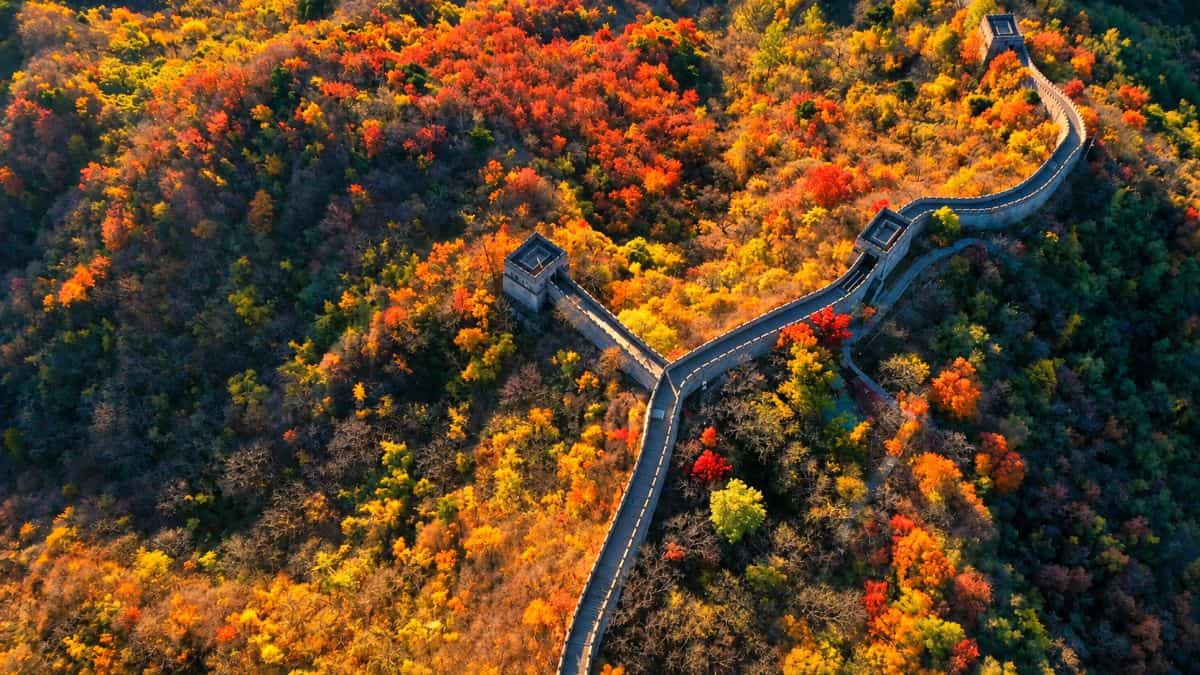
Standing atop the ancient granite bastions of Beijing, travellers encounter one of humanity’s most breathtaking architectural legacies. Visiting the Great Wall of China offers an unmatched immersion into global heritage, proving especially captivating for first-time adventurers seeking meaningful milestones. Arriving at dawn reveals a serene fortress untouched by midday tourist crowds.
Spring transforms the surrounding Huairou ridges into a vibrant spectacle of pale pink apricot blooms and ivory peach blossoms. For an eighteen-year-old embarking on an inaugural expedition across the New Seven Wonders of the World, this remarkable vantage point provides both formidable physical terrain and immense historical reverence.
Advertisement
Advertisement
Stepping Onto Beijing’s Serene Fortress
Beginning the ascent at the renowned Mutianyu section rewards early risers with uninterrupted vistas across undulating ridges. While other restored stretches draw dense crowds, Mutianyu maintains a dignified balance of accessible infrastructure, preserved masonry, and peaceful mountain scenery. Entering the grounds at sunrise allows visitors to traverse stone flagstones in comparative solitude. The crisp morning atmosphere carries the scent of mountain orchards, framing an ascending staircase that appears to climb straight into the heavens. Facing these ancient flights of granite steps proves exhilarating, encouraging active explorers to embrace the demanding vertical challenge with unbridled youthful enthusiasm.
Centuries of military architecture reveal themselves across every parapet, watchtower, and parapet slit encountered along the route. Spanning more than twenty thousand kilometres across northern frontiers, the monumental ramparts functioned as both defensive barricades and high-speed communication conduits for dynastic empires. Although completing the entire trans-continental route requires roughly five hundred and twenty days of rigorous trekking, walking even a modest portion conveys the sheer ambition of its imperial builders. Passing beneath arched stone doorways constructed centuries ago instils genuine reverence for the millions of stonemasons and soldiers who constructed these continuous tactical defensive lines.
Advertisement
Advertisement
Ascending the Winding Ridges of Mutianyu
Navigating the steeper gradients tests stamina as the path snakes across sharp ridges and high mountain promontories. Travellers frequently pause beside crenellated parapets to steady their footing and admire panoramic valley vistas unfolding beneath them. While trekking companions might choose to rest at intermediate guard stations, proceeding independently uphill reveals dramatic changes in elevation and perspective. Each successive tower presents distinct sightlines across the Beijing highlands, accentuating the strategic genius behind imperial border fortifications. The physical exertion required to scale these uneven stone inclines reinforces profound respect for the historical sentries stationed continuously along these windswept northern frontiers.
The subsequent descent introduces a distinct perspective, demanding careful balance along steep, winding steps overlooking deep valleys. Gazing down from elevated watchtowers highlights the sheer drop flanking the stone foundations, adding a thrilling edge to the return journey. Meeting companions at the lower staging base marks the completion of a challenging personal milestone that lingers long after leaving the site. Rather than satisfying an appetite for global exploration, conquering this formidable ancient fortress sparks an enduring ambition to seek out and traverse the remaining six architectural masterpieces celebrating extraordinary human achievement across diverse global landscapes.
Advertisement
Advertisement
| Wonder Site | Primary Location | Construction Era | Defining Architectural Characteristic |
| Great Wall of China | Beijing, China | 700 BC to 1644 AD | Extensive stone fortifications and strategic watchtowers spanning mountain ridgelines |
| Machu Picchu | Andes Mountains, Peru | 15th Century AD | Intricate dry-stone terrace engineering situated high above the Urubamba Valley |
| Petra | Ma’an Governorate, Jordan | 4th Century BC | Monumental facades hand-carved directly into vibrant rose-red sandstone desert canyons |
Setting Sights on South American Summits
Traversing China’s dynastic ramparts naturally directs wanderlust toward South America, where the legendary Inca citadel of Machu Picchu crowns the Peruvian Andes. Perched over two thousand four hundred metres above sea level, this fifteenth-century royal estate represents the pinnacle of indigenous urban planning and dry-stone masonry. Preserved temples, royal residences, and agricultural terraces integrate seamlessly with rugged peaks, leaving observers mesmerised by ancient Andean ingenuity. Whether arriving via the arduous multi-day Inca Trail or travelling by scenic expedition train through the Sacred Valley, encountering this highland sanctuary promises an architectural and cultural revelation mirroring the majestic heights of imperial China.
Uncovering Jordan’s Desert Architectural Treasure
Continuing the quest across the globe leads adventurers to the ancient desert kingdom of Petra, secluded within southern Jordan’s arid canyons. Chiseled directly into towering red sandstone cliffs by Nabataean artisans more than two millennia ago, this desert crossroads thrived as an indispensable regional trading hub. Hidden from Western awareness until Swiss explorer Johann Ludwig Burckhardt visited during the early nineteenth century, Petra features spellbinding facades like the Treasury and the Monastery. Exploring this rose-hued canyon entirely on foot offers a compelling contrast to China’s mountain fortifications, affirming that every ancient wonder possesses a captivating narrative etched directly into stone.
Advertisement
Advertisement
FAQs
What is the best time of year to visit the Mutianyu Great Wall?
Spring and autumn provide the finest conditions, featuring mild temperatures, clear visibility, and either blooming peach blossoms or vibrant autumn foliage across the surrounding mountains.
Why is the Mutianyu section preferred over other portions near Beijing?
Mutianyu offers fully restored masonry, convenient cable car access, and scenic ridgeline views while experiencing considerably smaller crowds than the heavily congested Badaling section.
Advertisement
Advertisement
How long does an average hike take along the Mutianyu portion?
Most leisure hikers spend between two and three hours exploring the central towers, though active walkers can extend their route further toward the western watchtowers.
Is visiting the Great Wall suitable for travellers with limited mobility?
Yes, Mutianyu features cable cars, a chairlift, and an accessibility ramp leading to Tower 14, allowing individuals with reduced mobility to experience panoramic fortress views comfortably.
How does one travel from central Beijing to Mutianyu independently?
Visitors can take tourist shuttle buses departing from downtown subway hubs, hire private drivers, or book organized day excursions directly to the scenic area entrance.
Advertisement
Advertisement
What makes Machu Picchu an essential stop among the New Seven Wonders?
Its dramatic position amidst cloud forests, combined with mortarless dry-stone architecture and advanced terracing systems, makes it an unrivaled testament to Inca civil engineering.
Which trekking route is the most famous for reaching Machu Picchu?
The Classic Inca Trail is the most celebrated hiking route, typically requiring four days of guided trekking through high mountain passes and subtropical cloud forests.
How was the ancient city of Petra constructed?
Skilled Nabataean craftsmen chiseled monumental facades, tombs, and water conduits directly into vertical sandstone canyon walls rather than erecting freestanding masonry buildings.
Advertisement
Advertisement
How much walking is required to properly explore the ruins of Petra?
Exploring the main trail from the Siq gorge to the Monastery requires walking at least fifteen to twenty kilometres across hard-packed sand, stone paths, and carved stairs.
What are the official New Seven Wonders of the World?
The list comprises the Great Wall of China, Machu Picchu, Petra, Christ the Redeemer, the Colosseum, Chichén Itzá, and the Taj Mahal, alongside the honorary ancient wonder, the Great Pyramid of Giza.
Advertisement
