
Germany Unites with Saudi Arabia and Others as Dubai FHS World 2026 in UAE Drives Major Investments and Reshapes Middle East Hospitality Industry

Published
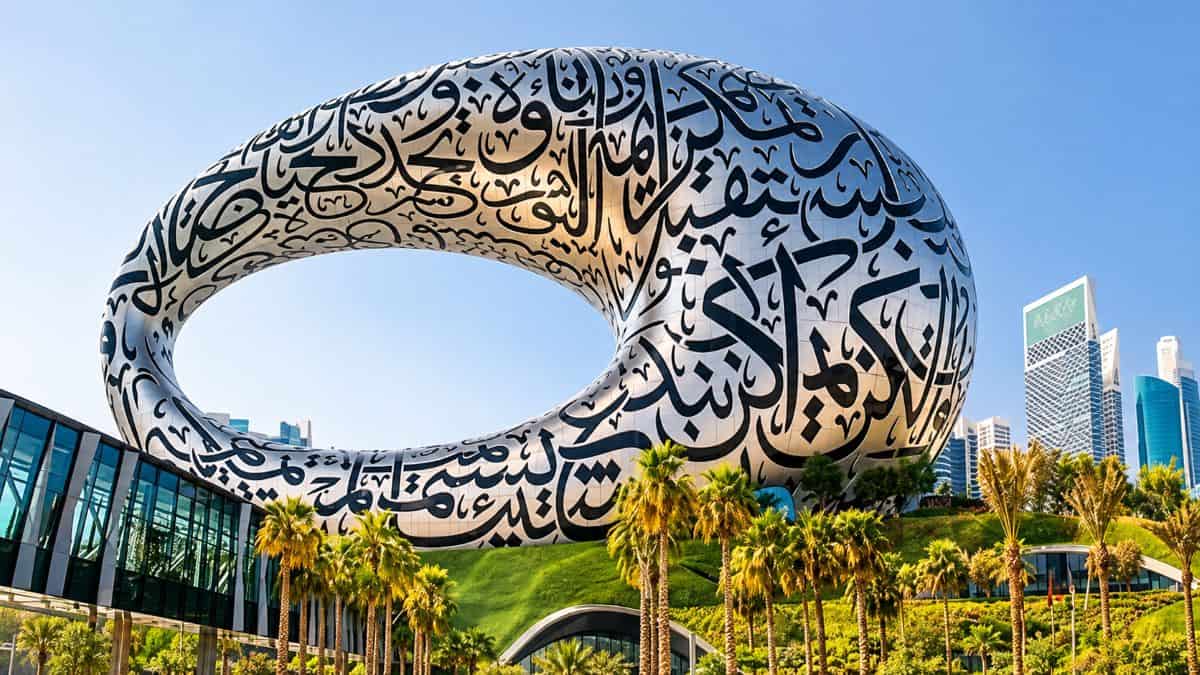
Dubai is becoming an increasingly important meeting point for global hospitality capital as FHS World 2026 in the UAE brings together about 1,000 delegates from 50 countries. Germany-linked tourism companies, Saudi Arabian developers, Gulf investors, hotel operators and financial institutions are examining new projects, management contracts and hospitality opportunities across the Middle East.
More than 200 investors representing over US$6 trillion in assets under management are participating, alongside more than 170 speakers.
The figure does not mean US$6 trillion has been committed to regional hotels. It shows the financial scale of the organisations represented at the summit.
For travellers, the long-term impact is more practical: more hotel rooms, stronger competition, greater destination capacity and wider accommodation choice.
Advertisement
Advertisement
FHS World 2026 in Dubai Brings Global Hospitality Capital Into One Market
FHS World 2026 is taking place at Madinat Jumeirah, Dubai, from 29 September to 1 October 2026.
The gathering connects investors, hotel owners, developers, tourism authorities, banks and global operators at a time when Middle East tourism is expanding rapidly.
Advertisement
Advertisement
FHS World 2026 at a glance
| Indicator | 2026 figure | Why it matters |
|---|---|---|
| Delegates | Around 1,000 | Shows strong industry participation |
| Countries represented | 50 | Gives the summit global reach |
| Speakers | 170+ | Brings together senior hospitality leadership |
| Investors | 200+ | Expands access to financing and partnerships |
| Represented AUM | US$6 trillion+ | Signals major institutional capital presence |
| Opening-day activities | 30+ | Shows the breadth of investment discussions |
According to official FHS material and Emirates News Agency, the event includes a dedicated Dealroom, Investors Lounge and Investor Breakfast.
That matters because FHS is not structured only around speeches. It is increasingly designed to connect capital with actual hotel assets and development opportunities.
Dubai Hotel Deals Show Investment Is Moving Beyond Conference Talk
The most important signal from the opening day came from actual hotel-management activity.
Aleph Hospitality confirmed its management of the Mövenpick Grand Al Bustan Dubai. The company also said it had signed agreements covering more than 1,300 rooms across nine hotels since the beginning of 2026.
WAM separately reported that Accor signed two agreements during the opening day of FHS World 2026.
These developments highlight an important shift in Middle East hospitality.
Advertisement
Advertisement
Expansion is no longer driven only by building hotels from the ground up. Growth can also come through:
- Rebranding existing properties
- Changing hotel operators
- Renovating established assets
- Converting buildings into hospitality use
- Adding serviced residences
- Introducing new international brands
This route can affect hotel competition faster than long construction projects because an existing property can often be repositioned more quickly than a new hotel can be built.
Germany Strengthens FHS World Through TUI’s Global Hotel Network
Germany’s connection to FHS World 2026 is supported by the participation of senior executives from TUI Hotels & Resorts.
Germany-headquartered TUI operates one of the world’s largest integrated tourism businesses, spanning airlines, hotels, cruises, package holidays and destination experiences.
TUI Group says its global portfolio includes more than 460 hotels.
Its presence matters because large integrated travel companies can influence both sides of the tourism economy. They can help generate demand through distribution and tour operations while also expanding hotel supply through management, ownership and partnership structures.
Advertisement
Advertisement
For Middle Eastern destinations, that creates another route to European travellers while increasing competition among hotel brands.
Saudi Arabia Emerges as One of the Biggest Hospitality Growth Markets
Saudi Arabia gives FHS World 2026 a very different investment story.
Dubai already has a large and mature hotel market. Saudi Arabia is still rapidly expanding its tourism capacity.
Official Saudi Ministry of Tourism figures show the Kingdom recorded 122.6 million domestic and international tourists in 2025, up 5.8% year on year.
Combined tourism spending reached SAR303.7 billion, while Saudi Arabia continues to work towards its target of 150 million annual domestic and international tourists by 2030.
Licensed accommodation capacity also exceeded 596,000 rooms in 2025, according to Saudi Vision 2030 reporting.
Advertisement
Advertisement
Saudi organisations connected with the FHS ecosystem include Jabal Omar Development Company, Knowledge Economic City and Taiba Investments.
The key issue is simple: rising visitor numbers require new rooms.
That creates demand for hotels across religious tourism centres, leisure destinations, business cities and emerging tourism regions.
UAE, Saudi Arabia, Germany and Other Markets Shape the FHS Investment Map
FHS confirms participation from 50 countries, although it has not published a complete official list of every national delegation.
Verified organisations and programme participation still show the summit’s broad international reach.
| Market | Verified link to FHS World 2026 | Hospitality significance |
|---|---|---|
| UAE | Government, developers, banks and hotel groups | Host market and regional investment hub |
| Saudi Arabia | Major developers and hospitality groups | Rapid room and destination expansion |
| Germany | TUI Hotels & Resorts leadership | Major European tourism and hotel network |
| Qatar | Katara Hospitality and investment representation | Cross-border Gulf hospitality capital |
| Egypt | Dedicated investment discussions | Expanding North African hotel opportunity |
| India | IHCL and SAMHI-linked participation | Major tourism and hotel investment market |
| China | Travel trends and investment sessions | Important visitor and capital source |
| Uganda | Tourism and investment organisations | Growing Africa–Gulf investment links |
This mix reveals a wider trend: Dubai is acting as a bridge between Middle Eastern projects and capital from Europe, Asia and Africa.
Advertisement
Advertisement
Dubai’s 149,000 Hotel Rooms Explain Why Competition Still Matters
Dubai already has one of the region’s deepest accommodation markets.
Dubai Department of Economy and Tourism data shows the emirate had close to 149,000 hotel rooms by the end of August 2026.
During January to August, Dubai welcomed around 6.97 million international overnight visitors and recorded 21.61 million occupied room nights.
August alone brought approximately 869,000 international overnight visitors.
Demand is geographically diverse. Western Europe accounted for about 20% of international visitation, followed by South Asia, the GCC and CIS and Eastern European markets.
The scale creates an important investment challenge.
Advertisement
Advertisement
Dubai does not simply need more rooms. New accommodation must compete on price, location, experience, brand, service and value.
That pressure can benefit travellers by creating more differentiated choices across luxury hotels, resorts, lifestyle brands, serviced apartments and value-focused accommodation.
New Hotel Investment Can Directly Change the Traveller Experience
Hospitality investment can appear removed from ordinary travellers, but the connection is direct.
More capital can increase room supply. New operators can introduce different service standards. Renovations can upgrade older properties. Additional brands can create more loyalty and pricing options.
The impact is especially visible during major events and peak travel seasons.
When a destination has limited accommodation, high demand can put pressure on prices and availability. Expanding hotel capacity gives cities more room to absorb conferences, festivals, exhibitions and international visitor growth.
Advertisement
Advertisement
More supply does not automatically make hotels cheaper. Rates still depend on seasonality, demand, events and operating costs.
However, greater competition generally gives travellers more options to compare.
Branded Residences and Mixed-Use Projects Expand the Definition of Hospitality
Another major FHS World 2026 trend is the expansion of hospitality beyond traditional hotels.
The programme includes branded residences, mixed-use developments and long-stay hospitality concepts through FHS Living.
This is important because travellers increasingly move between conventional hotels, serviced apartments and extended-stay accommodation.
Developers also see value in combining hotels with residential, retail and lifestyle components.
Advertisement
Advertisement
For destinations, mixed-use development can spread commercial risk while creating larger tourism districts rather than isolated hotel properties.
FHS sessions are also examining Chinese travel trends and investment opportunities in Egypt and Africa, showing that the summit’s investment reach extends far beyond Dubai.
Germany unites with Saudi Arabia and others as Dubai FHS World 2026 in UAE drives major investments, reshaping Middle East hospitality industry.
In conclusion, Germany unites with Saudi Arabia and others as Dubai FHS World 2026 in UAE drives major investments and reshapes Middle East hospitality industry through fresh hotel deals, expanding room inventory and stronger international capital participation. The summit is helping connect developers, operators and investors across key markets, supporting greater destination capacity, sharper competition and wider accommodation choice for travellers. As new projects and management agreements move forward, Dubai is reinforcing its role as a regional hub for hospitality growth, investment and future tourism expansion.
Advertisement
