
Portugal Partners with Italy, Croatia and More as Europe’s Hidden Coastal Towns Attract Global Travellers: All You Need to Know

Published
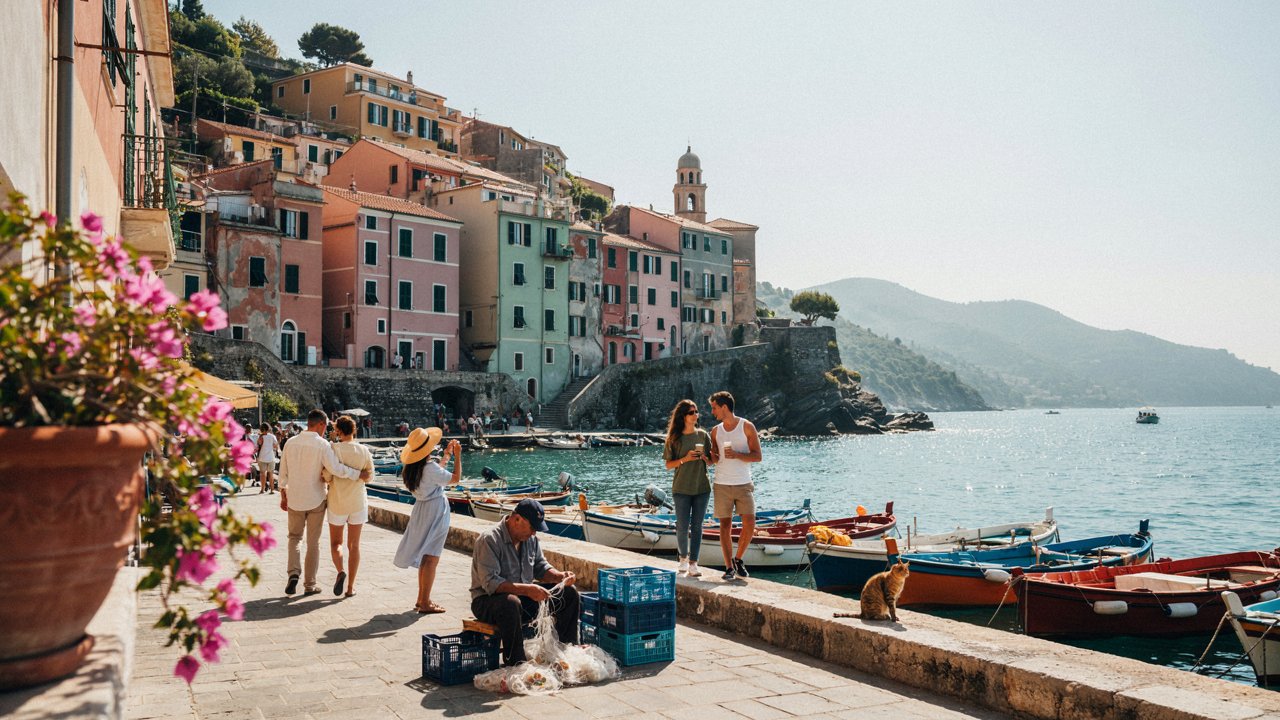
Image generated with Ai
The coast of Europe contains thousands of kilometres worth of different features, including huge cliffs from the Atlantic Ocean as well as many various beaches that belong to the Mediterranean Sea. Popular locations like the French Riviera, Amalfi Coast and Santorini are still on the list of millions of tourists every year; however, more and more people tend to find new destinations and enjoy something different.
The smaller coastal towns do come to the forefront of tourist attention. Their offerings are significantly different from those found in already widely known locations. Tourists coming to those towns can count on good food, great views and amazing traditional cultures without getting lost in the large crowds.
Apart from that, the villages along the coasts present very interesting vacation styles from the point of view of travelling experience, making travelling more pleasant and interesting.
Why Travellers Are Looking Beyond Europe’s Famous Beach Destinations
The rise of alternative coastal tourism reflects changing traveller priorities. Many visitors now prefer destinations that offer more than just sun and sand.
Advertisement
Advertisement
Modern coastal travellers increasingly seek:
| Travel Preference | Coastal Experience |
| Authentic culture | Traditional villages and local lifestyles |
| Nature | Protected landscapes and scenic beaches |
| Food tourism | Seafood, regional cuisine and markets |
| Peaceful holidays | Smaller towns with fewer crowds |
| Sustainable travel | Community-focused tourism |
Smaller coastal destinations allow travellers to experience local traditions while supporting communities outside Europe’s busiest tourism centres.
Advertisement
Advertisement
Portugal’s Coastal Villages Combine Atlantic Beauty With Traditional Charm
Portugal continues attracting coastal travellers beyond its famous Algarve resorts. The country’s Atlantic coastline offers charming towns where dramatic landscapes meet fishing traditions and relaxed seaside living.
Vila Nova de Milfontes Offers Wild Beaches and Natural Landscapes
Located along Portugal’s Alentejo coast, Vila Nova de Milfontes is known for its beaches, river landscapes and connection with nature.
Advertisement
Advertisement
The destination attracts visitors looking for:
- Atlantic beaches
- Surfing experiences
- Walking trails
- Fresh seafood
- Peaceful coastal scenery
The surrounding coastline combines sandy beaches with protected natural areas, making it attractive for travellers seeking outdoor experiences.
Zambujeira do Mar Creates a Peaceful Coastal Escape
Zambujeira do Mar offers dramatic cliffs, ocean views and traditional Portuguese charm. The destination has become popular among travellers searching for quieter alternatives to busier European beach resorts.
| Feature | Experience |
| Beaches | Atlantic coastline and scenic views |
| Culture | Fishing village atmosphere |
| Activities | Hiking, surfing and coastal exploration |
Spain’s Alternative Coastal Towns Showcase Authentic Mediterranean Experiences
Spain’s coastline is famous worldwide, but many travellers are discovering destinations beyond Barcelona, Mallorca and Costa del Sol.
Advertisement
Advertisement
Cadaqués Blends Art, History and Mediterranean Beauty
Located on Spain’s Costa Brava, Cadaqués is a whitewashed coastal town surrounded by rugged landscapes.
Visitors are attracted by:
- Historic streets
- Mediterranean views
- Artistic heritage
- Scenic walking routes
- Traditional restaurants
The town offers a slower coastal experience compared with larger Spanish resort areas.
Costa de la Luz Provides Spain’s Quieter Beach Experience
Spain’s Costa de la Luz offers golden beaches, natural landscapes and smaller coastal communities. Areas such as El Palmar, Barbate and Zahara de los Atunes attract travellers seeking less-developed seaside environments.
The region is known for:
- Surfing beaches
- Seafood traditions
- Natural parks
- Local villages
Italy’s Coastal Villages Deliver Beauty Beyond Famous Riviera Locations
Italy’s coastline is filled with charming seaside towns that combine history, cuisine and dramatic landscapes.
Advertisement
Advertisement
Tropea Brings Calabrian Coastal Beauty to Global Attention
Tropea, located in Calabria, offers visitors:
- Cliffside views
- Historic architecture
- Turquoise waters
- Traditional Italian cuisine
The town provides an alternative to more expensive and crowded Italian coastal destinations.
Camogli Offers Authentic Ligurian Seaside Life
Near the famous Cinque Terre region, Camogli provides a more relaxed coastal atmosphere with colourful buildings, fishing traditions and waterfront dining.
| Italian Coastal Town | Main Appeal |
| Tropea | Beaches and historic charm |
| Camogli | Fishing village culture |
| Procida | Island life and authenticity |
| Cilento | Nature, beaches and heritage |
Croatia’s Adriatic Coast Reveals Beautiful Towns Away From Mass Tourism
Croatia has become one of Europe’s most popular coastal destinations, but many travellers are now exploring smaller Adriatic towns and islands.
Primošten Offers Island-Like Beauty and Traditional Charm
Primošten combines clear waters, stone streets and traditional Mediterranean architecture.
Visitors can enjoy:
Advertisement
Advertisement
- Swimming areas
- Seafood restaurants
- Historic streets
- Sunset views
Korčula Creates a Cultural Island Experience
Korčula attracts travellers through its medieval character, beaches and island lifestyle.
The destination combines:
- Heritage tourism
- Coastal relaxation
- Local cuisine
- Outdoor activities
Croatia’s smaller coastal communities offer a balance between natural beauty and cultural experiences.
Greece’s Lesser-Known Coastal Escapes Provide Authentic Island Experiences
Greece is famous for destinations such as Santorini and Mykonos, but smaller islands and coastal towns offer quieter alternatives.
Patmos Combines Spiritual Heritage with Seaside Beauty
Patmos provides visitors with:
- Beautiful beaches
- Historic sites
- Traditional villages
- Relaxed island atmosphere
The island appeals to travellers seeking culture combined with coastal scenery.
Advertisement
Advertisement
Limeni Offers Traditional Greek Coastal Charm
Located in the Mani region, Limeni features stone architecture, clear waters and a peaceful waterfront environment.
It represents a different side of Greece focused on authenticity rather than mass tourism.
Montenegro’s Coastal Towns Offer Adriatic Adventures
Montenegro’s coastline is becoming increasingly popular among travellers looking for scenic alternatives in the Adriatic region.
Visitors can discover:
| Destination | Experience |
| Perast | Historic waterfront village |
| Herceg Novi | Coastal culture and gardens |
| Ulcinj | Beaches and diverse heritage |
| Budva surroundings | Coastal scenery and history |
Montenegro combines mountains, beaches and historic towns within a compact destination.
Northern Europe Brings Unique Coastal Experiences Beyond Mediterranean Beaches
Europe’s coastal diversity extends far beyond warm-weather destinations.
Advertisement
Advertisement
Northern coastal towns offer:
- Dramatic landscapes
- Wildlife experiences
- Bird watching
- Peaceful beaches
- Unique seasonal travel
Norway’s Coastal Villages Connect Nature and Adventure
Norwegian coastal destinations provide fjords, fishing communities and spectacular scenery.
Visitors can experience:
- Boat trips
- Hiking
- Wildlife watching
- Arctic landscapes
The Netherlands Offers Coastal Nature near Urban Centres
The Hague’s coastal areas and islands such as Texel provide sandy beaches, dunes and nature experiences.
These destinations show that European coastal travel can include nature, culture and outdoor exploration.
Best Hidden Coastal Towns in Europe for Different Travellers
| Traveller Type | Recommended Destination |
| Nature lovers | Norway, Portugal, Spain’s Costa de la Luz |
| Food travellers | Italy, Croatia, Portugal |
| History enthusiasts | Greece, Montenegro, Spain |
| Peace seekers | Finland, Netherlands, smaller Croatian islands |
| Adventure travellers | Norway, Portugal, Iceland |
Sustainable Coastal Tourism Becomes More Important Across Europe
As visitor numbers increase, many coastal destinations are focusing on sustainable tourism.
Advertisement
Advertisement
Key approaches include:
| Sustainability Action | Benefit |
| Protecting beaches | Preserves natural landscapes |
| Supporting local businesses | Strengthens communities |
| Managing visitor numbers | Reduces pressure |
| Promoting public transport | Lowers environmental impact |
| Protecting marine areas | Supports biodiversity |
Smaller coastal towns often provide opportunities for responsible travel because tourism growth can be managed more carefully.
Frequently Asked Questions
1. Why are travellers choosing lesser-known coastal towns in Europe?
Many visitors want quieter holidays, authentic culture and unique experiences away from overcrowded tourist centres.
2. Are hidden coastal towns cheaper than famous European destinations?
Advertisement
Advertisement
Many smaller towns can offer more affordable accommodation and dining options, although prices vary by season and location.
3. Which European country has the best coastal villages?
Portugal, Italy, Croatia, Greece and Spain all offer diverse coastal towns with unique landscapes and cultural experiences.
4. Are these coastal towns suitable for families?
Yes. Many smaller coastal destinations offer safe beaches, outdoor activities and relaxed environments suitable for families.
5. What is the best time to visit European coastal towns?
Advertisement
Advertisement
Late spring, early summer and early autumn often provide pleasant weather with fewer crowds than peak summer months.
Conclusion
The upcoming coastal future in Europe goes beyond the popular seaside destinations and develops smaller towns where visitors get real and memorable experiences. Starting with the Atlantic villages of Portugal, moving to the Adriatic settlements of Croatia and the serene islands of Greece, it looks like the greatest coastal jewels of Europe were not found in the commonly visited places.
They provide for a combination of natural beauty, cultural history and a slow pace of life creating a new type of holiday destinations.
Advertisement
