
Mendoza Aligns with Bolivia and More Places in Ecuador as Falling Hotel Prices Bring New Tourism Opportunities and Relief

Published
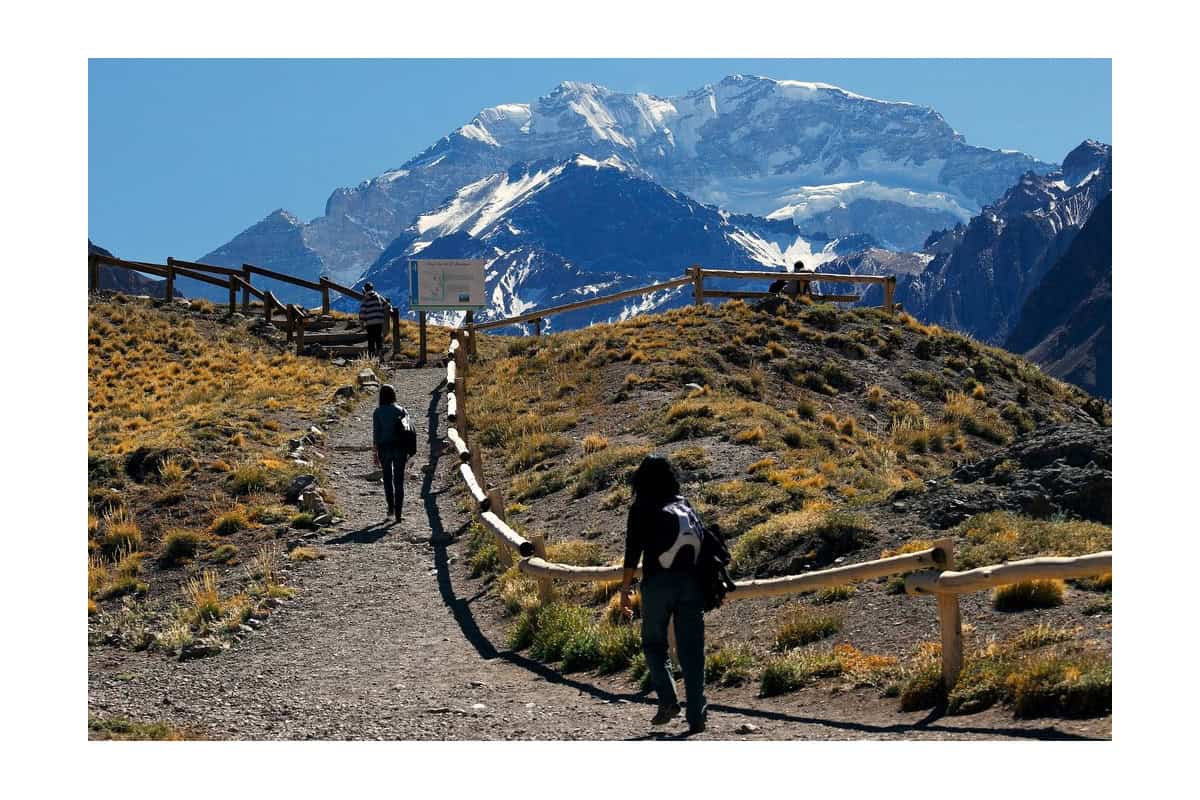
South America’s travel industry is undergoing a major transformation, and Mendoza has joined forces with Bolivia and Ecuador to attract travelers with affordable culturally-rich opportunities. As other areas around the world become too expensive to visit because of inflation, South America is starting to look like a better opportunity. Many South American countries have heavily subsidized their hotel prices to promote tourism, offering travelers a chance to visit at a lower cost while giving their country a chance to improve their economy. Argentina is known for its wine country, and Bolivia and Ecuador are also starting to improve their tourism infrastructures. This focus on tourism gives South America the potential to improve its economy and give travelers more affordable options.
Background: The South American Tourism Resurgence in Late 2026
The global tourism landscape has undergone a profound recalibration over the past several years, with late 2026 marking a definitive pivot towards the Southern Hemisphere. For decades, traditional European and North American markets dominated international itineraries, but escalating living costs and persistent inflation have forced a dramatic shift in consumer behaviour. Travellers are increasingly prioritising destinations that offer robust cultural experiences alongside genuine financial viability. In this rapidly evolving macroeconomic climate, South America has emerged as an undisputed haven for the value-conscious explorer, primarily driven by favourable exchange rates and aggressively competitive hospitality sectors.
Advertisement
Advertisement
At the forefront of this regional resurgence is an implicit yet powerful geographical alignment. As Mendoza aligns with Bolivia and Ecuador tourism trajectories, a new multi-national travel corridor has organically materialised. This corridor caters directly to the modern tourist’s desire for authenticity without exorbitant expense. Official data from national statistics offices and international aviation bodies indicates a significant uptick in cross-border travel within these specific Latin American territories. The phenomenon is largely underpinned by a sweeping trend of falling hotel prices and subsidised travel initiatives, which collectively bring vital economic relief to both international visitors seeking affordable adventures and local businesses desperate for foreign capital injection.
Post-Pandemic Recovery and the Shift in Traveller Preferences
Following the normalisation of global travel, the initial surge of “revenge tourism” rapidly gave way to a more calculated, budget-conscious approach. Tourists are no longer willing to absorb exorbitant accommodation costs that compromise their ability to experience local gastronomy, heritage tours, and community-based activities. Consequently, the hospitality industry across Argentina, Bolivia, and Ecuador has adapted with remarkable agility. By optimising operational efficiencies and embracing dynamic pricing models, hoteliers have managed to lower their nightly rates significantly, thereby capturing a much larger market share of the international tourism demographic.
Advertisement
Advertisement
The Role of Inflation and Exchange Rates in Shaping Travel
The structural economics of this tourism boom cannot be understated. In regions where local currencies have experienced volatility, the purchasing power of the US Dollar, the Euro, and the British Pound has amplified substantially. This currency advantage is heavily pronounced in Argentina, where the economic landscape heavily favours foreign visitors. Similarly, Ecuador’s dollarised economy provides unparalleled pricing transparency, while Bolivia remains historically insulated from the high costs associated with mass commercial tourism. Together, these economic realities have forged a highly attractive proposition for the international market, ensuring that world-class destinations remain accessible to the broadest possible audience.
Mendoza, Argentina: Unprecedented Affordability and Viticultural Excellence
Mendoza, the universally acclaimed epicentre of Argentine viticulture, has historically been perceived as a premium, luxury-tier destination. Nestled against the dramatic backdrop of the snow-capped Andes, the region is synonymous with high-end Malbec, exclusive boutique lodges, and gourmet culinary experiences. However, verified hospitality data from late 2026 reveals a transformative shift in the region’s pricing architecture. Falling hotel prices have rapidly democratised access to this prestigious province, allowing a wider demographic of visitors to experience its renowned offerings.
Advertisement
Advertisement
Recent market analyses indicate that the average price for a standard double room in Mendoza has stabilised at approximately $151 per night, but this figure masks the extraordinary volume of budget-friendly inventory now available. Aggregated booking data from September 2026 highlights an abundance of high-quality accommodations offering rates as low as $34 per night. Establishments such as the ibis Mendoza are offering highly competitive rates around $57, while even luxury properties like the Diplomatic Hotel, the Sheraton Mendoza Hotel, and the Park Hyatt Mendoza have introduced promotional tiers to maintain high occupancy levels. This aggressive pricing strategy is a direct response to changing global economic conditions, designed to stimulate sustained visitor influxes throughout the shoulder and high seasons.
Falling Hotel Prices Bring Relief to Mendoza Visitors
For the international traveller, the reduction in baseline accommodation costs represents a profound financial relief. When lodging expenses are slashed by up to thirty or forty percent, the surplus travel budget is immediately redirected into the local economy. Visitors are extending their stays, upgrading their dining experiences, and participating in a higher volume of paid excursions. This redistribution of tourist expenditure is vital for the micro-economies of Mendoza, supporting independent tour guides, local artisans, and family-owned vineyards that rely heavily on consistent footfall. The falling hotel prices have thus transitioned from a mere consumer benefit to a critical engine for regional economic sustainability.
Exploring the Uco Valley and Lujan de Cuyo on a Budget
The newfound affordability of Mendoza has unlocked the legendary Uco Valley and Lujan de Cuyo for the budget-conscious demographic. Previously, comprehensive wine tours in these high-altitude terroirs were often cost-prohibitive for backpackers and mid-range travellers. Today, streamlined transport logistics and highly competitive local tour operators have integrated these iconic regions into affordable daily itineraries. Furthermore, adventure tourism surrounding Mount Aconcagua—the highest peak in the Americas—has seen a surge in participation, as climbers and trekkers take advantage of lowered base camp and regional lodging costs.
Bolivia’s Strategic Realignment: Institutional Restructuring for Global Reach
While Mendoza capitalises on dynamic pricing, Bolivia has undertaken a sweeping institutional reorganisation to solidify its position as the ultimate budget-friendly destination in South America. On the 5th of August 2026, President Rodrigo Paz announced a landmark restructuring of the national government, strategically reducing the total number of state ministries from fourteen to twelve. A cornerstone of this political manoeuvre was the transformation of the Ministry of Sustainable Tourism, Cultures, Folklore and Gastronomy into a highly streamlined National Agency for Tourism, Folklore and Gastronomy.
This newly minted agency represents a paradigm shift in how Bolivia interacts with the global travel market. By removing bureaucratic redundancies and fostering direct dialogue between the public and private sectors, the government aims to accelerate promotional campaigns and infrastructure development. The integration of tourism, folklore, and gastronomy under a single, agile agency reflects a deep understanding of Bolivia’s unique market appeal. The country’s primary assets are fundamentally intertwined; a journey across the Salar de Uyuni or the shores of Lake Titicaca is inseparable from the indigenous heritage, local markets, and regional culinary traditions that define the Bolivian experience.
Success at FITUR 2026 and the Sustainable Tourism Master Plan
Bolivia’s proactive stance was prominently displayed at the FITUR 2026 international tourism trade fair in Madrid. Led by Minister Cinthia Martha Yáñez and Vice Minister Andrés A., the Bolivian delegation executed a highly successful campaign to position the nation as a premier destination for sustainable and culturally immersive travel. The agenda included high-level negotiations with international airlines, global hotel chains, and leading technology consultancies. A notable outcome of these discussions was the strategic partnership formed with TRABITAT and the Global Journey Consulting Group, aimed at implementing smart destination management frameworks across Bolivia’s primary tourist hubs.
Advertisement
Advertisement
This international outreach is heavily supported by the country’s comprehensive Sustainable Tourism Master Plan, developed in close collaboration with the United Nations Development Programme (UNDP). This master plan ensures that the rapid influx of budget travellers does not compromise the ecological integrity or cultural heritage of the nation’s nine departments. By establishing clear sustainability metrics and community-based operational guidelines, Bolivia is future-proofing its tourism sector against the detrimental impacts of unregulated overtourism.
Unmatched Affordability: The Ultimate Budget Destination
Statistically, Bolivia remains the most affordable country to visit in South America in 2026. Official travel analyses indicate that daily budgets can easily be maintained between $25 and $30. Accommodation costs are phenomenally low, with high-quality hostel beds available from $6 to $20 per night, and private budget hotel rooms capping at around $35. Local transport is equally cost-effective, and deeply authentic culinary experiences can be secured for under $5 per meal. This extreme affordability, coupled with newly streamlined state promotion, positions Bolivia as a vital cornerstone of the continent’s tourism revival, offering unmatched economic relief for the adventurous global traveller.
Ecuador 2026: Capitalising on Global Fervour and Infrastructure
Parallel to the developments in Argentina and Bolivia, Ecuador has launched a highly ambitious, state-sponsored initiative designed to capture a massive segment of the international travel market. The Ministry of Tourism officially rolled out the “Ecuador 2026” campaign in July 2026. This strategic marketing manoeuvre was brilliantly timed to leverage the global media focus on the summer’s international football tournaments, specifically inviting audiences and high-profile figures to explore Ecuador’s diverse landscapes as an alternative to the crowded sporting venues of North America.
The “Ecuador 2026” campaign is not merely a promotional exercise; it is backed by substantial governmental investment in domestic infrastructure and logistical accessibility. Major entry points, particularly the primary cruise ship terminals located in Guayaquil and Manta, have undergone targeted upgrades to streamline visitor processing and enhance the initial tourist experience. For international arrivals stepping off luxury maritime expeditions, these coastal hubs now serve as highly efficient transit points for immediate transit into the lush interior of the country.
The Rise of the Andean Highlands and Ingapirca
A primary objective of the new tourism campaign is to decentralise the tourist footprint, drawing visitors away from the heavily trafficked coastal zones and into the historically rich Andean highlands. The government has prioritised the maintenance of inland routes, specifically those leading into the Cañar province. This region is home to the Ingapirca archaeological complex, the most significant pre-Columbian ruin in Ecuador.
Ingapirca offers unparalleled insights into the architectural synthesis of the Inca and the indigenous Cañari civilisations. The site is dominated by the Temple of the Sun, an elliptical structure constructed using the mortarless, meticulously carved andesite stone technique that defines imperial Inca expansion. The “Ecuador 2026” initiative has ensured that these high-altitude historical zones are now supported by specialised, multi-lingual guides capable of interpreting the complex astronomical alignments of the ruins. Furthermore, routes continuing south towards the renowned Valley of Longevity in Vilcabamba have been heavily promoted, catering to wellness tourists and long-term expatriate visitors.
Advertisement
Advertisement
Addressing Logistical Challenges in the Galápagos and Beyond
While mainland Ecuador offers exceptional value—with daily budgets averaging between $30 and $40—the government is actively working to resolve lingering logistical hurdles in its premium destinations. The Galápagos Islands, while globally revered, have historically presented challenges regarding physical currency. Despite Ecuador operating on the US Dollar, recent official reports have highlighted the scarcity of ATMs and cash facilities outside major urban centres, occasionally catching maritime tourists off guard during port excursions. The new national campaign includes directives to improve banking infrastructure in these remote ecological reserves, ensuring a seamless experience for premium travellers.
Additionally, Ecuador’s commitment to ecotourism has been bolstered by a newly ratified coalition of Amazonian nations aimed at protecting endangered migratory catfish. These remarkable species, which navigate up to 11,000 kilometres from the high-altitude Andean watersheds to the Atlantic Ocean, represent a crucial component of the region’s biodiversity. By aligning legislative environmental protection with ecotourism promotion, Ecuador is establishing a highly responsible, sustainable framework that appeals directly to the environmentally conscious demographic of 2026.
When Mendoza Aligns with Bolivia and Ecuador Tourism
The true strength of the South American travel sector in late 2026 lies in the uncoordinated yet highly complementary alignment of these three distinct regions. When Mendoza aligns with Bolivia and Ecuador tourism models, the continent presents a unified, comprehensive travel portfolio that caters to every conceivable demographic. A traveller can seamlessly transition from the sophisticated, aggressively discounted luxury of an Argentine wine estate, to the deeply authentic, state-supported cultural immersion of the Bolivian Andes, and finally to the well-oiled, infrastructurally sound historical expeditions of the Ecuadorian highlands.
This regional synergy is heavily dependent on the overarching trend of falling hotel prices and competitive local economies. The economic relief provided to the tourist acts as a direct catalyst for increased regional mobility. Because travellers are spending significantly less on their primary accommodations across all three nations, they possess the discretionary income required to book cross-border flights, engage in multi-country overland tours, and invest heavily in local artisanal economies.
Boosting Local Businesses Through Competitive Pricing
The macroeconomic benefits of this tourism alignment are profound for the local populations. In Mendoza, the hospitality sector’s decision to lower room rates has effectively prevented the seasonal lulls that historically plagued the region, ensuring year-round employment for hotel staff, agricultural workers in the vineyards, and the broader service industry. In Bolivia, the structural efficiency of the new National Agency for Tourism guarantees that international marketing funds are spent effectively, drawing direct foreign investment into rural communities surrounding Lake Titicaca and the salt flats. In Ecuador, the infrastructure spending tied to the “Ecuador 2026” campaign has generated thousands of construction and logistical jobs in Guayaquil, Manta, and the Cañar province.
The Impact on Aviation and Regional Connectivity
This surge in multi-destination travel has fundamentally impacted the South American aviation sector. Recognising the demand generated by falling hotel prices and strategic state campaigns, international and regional airlines have aggressively expanded their route networks. Direct connectivity between hubs like Buenos Aires, La Paz, and Quito has improved drastically. Budget carriers are increasingly facilitating the “Andean corridor” route, allowing tourists to exploit the economic advantages of all three nations within a single, cohesive holiday itinerary. This increased air traffic not only lowers transport costs through sheer competition but also ensures a steady, reliable flow of international capital into the region’s airports and transit services.
Advertisement
Advertisement
Policy Updates and Industry Impact Across the Andes
The rapid evolution of the tourism sector across Mendoza, Bolivia, and Ecuador has necessitated swift and decisive policy updates from local and national governments. The traditional, laissez-faire approach to international arrivals has been completely replaced by data-driven, highly regulated frameworks designed to maximise economic yield while strictly protecting natural and cultural assets.
Streamlining Bureaucracy for Sustainable Growth
Bolivia’s reduction of state ministries is the most visible example of this bureaucratic streamlining, but similar administrative evolutions are occurring regionally. In Argentina, local tourism boards in the Mendoza province have simplified the licensing processes for independent tour operators and boutique hoteliers, fostering a highly competitive, free-market environment that naturally drives down consumer prices. Ecuador’s Ministry of Tourism has collaborated intimately with national heritage organisations to ensure that increased footfall at sites like Ingapirca does not result in structural degradation, implementing strict daily visitor caps and mandatory guided pathways.
Collaborative Governance and Technological Integration
The industry impact of this regional boom is perhaps most evident in the rapid technological integration occurring across South American hospitality. Driven by the strategic meetings at FITUR 2026, there is a massive regional push towards smart destination management. Digital platforms that facilitate business cooperation, scalable booking systems, and open-source local guides are becoming standard. This digital revolution ensures that the economic relief experienced by the tourist is matched by operational relief for the vendor, as local businesses can now seamlessly interface with the global digital economy, bypass exploitative third-party commissions, and retain a much higher percentage of the tourist dollar.
Economic Implications of the Regional Tourism Shift
The economic implications of this unprecedented alignment stretch far beyond the immediate hospitality sector. According to baseline projections aligned with UN Tourism frameworks, the influx of budget-conscious, long-stay travellers acts as a highly effective mechanism for wealth redistribution. Foreign currency entering Mendoza, Bolivia, and Ecuador is rapidly dispersed through the lowest levels of the socioeconomic pyramid.
When a tourist secures a highly discounted hotel room in Mendoza, the savings are often spent on local transport, independent restaurants, and artisanal crafts. This micro-economic stimulation is vital for communities recovering from the broader inflationary pressures of the early 2020s. Furthermore, the reliance on sustainable master plans—such as Bolivia’s UNDP-backed initiative—ensures that this economic growth is not strictly extractive. A significant portion of tourism revenue is being systematically reinvested into community healthcare, rural education, and the preservation of indigenous cultural practices, proving that mass tourism, when managed with precision and foresight, can be a profound force for national development.
Future Outlook: Towards 2027 and Beyond
As the final quarter of 2026 approaches, the future outlook for South American tourism is exceptionally robust. The strategic alignment of Mendoza’s affordable luxury, Bolivia’s newly streamlined cultural promotion, and Ecuador’s ambitious infrastructure and marketing campaigns has created a highly resilient regional tourism ecosystem.
Advertisement
Advertisement
Looking ahead to 2027, industry analysts predict that the trend of falling hotel prices will stabilise into a permanent model of highly competitive, dynamic pricing. As global inflation eventually normalises, the South American corridor will have firmly established itself not merely as a budget alternative, but as a premier, first-choice destination offering unmatched cultural density and infrastructural reliability. The continued integration of smart tourism technologies, coupled with unwavering commitments to ecological and historical preservation, ensures that Mendoza, Bolivia, and Ecuador will remain at the absolute vanguard of the global travel industry for the foreseeable future.
Advertisement
