
Ireland Puts Autumn Tourism in the Spotlight with Halloween Celebrations

Published
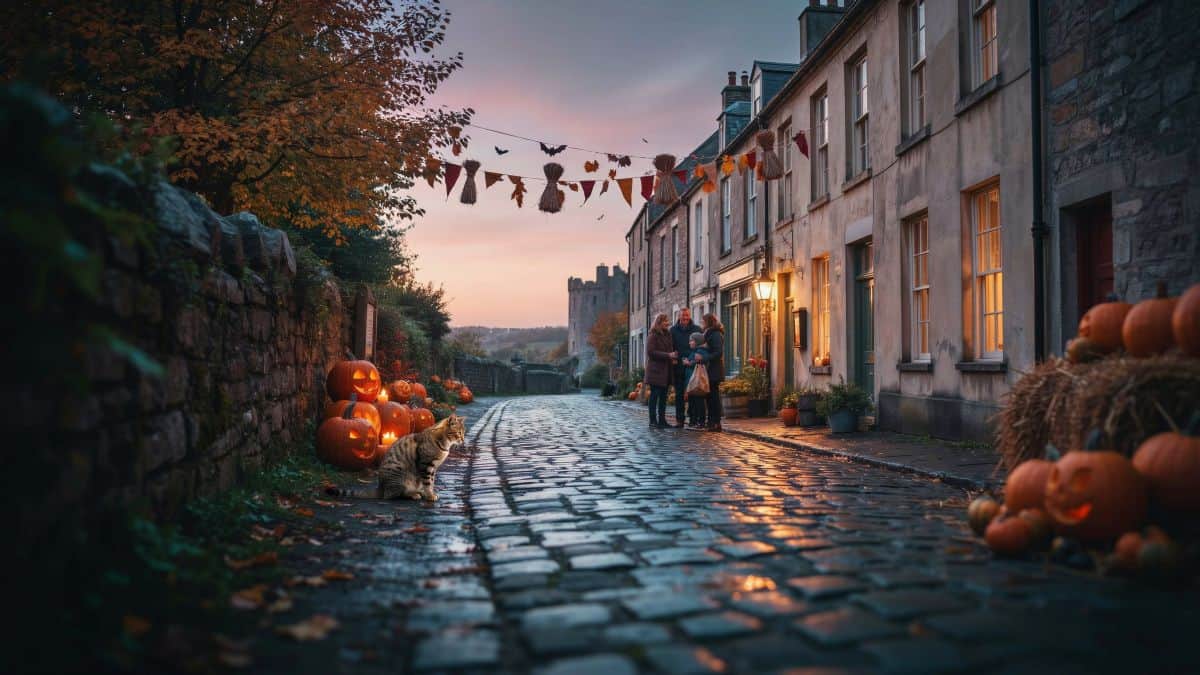
For Ireland, autumn tourism is represented by Halloween festivities designed to attract tourists to visit the country outside summer holidays. This year, festivals include various events such as stories, music, food and performances that revolve around Samhain. Halloween in Derry celebrates its fortieth year anniversary, whereas the Púca Festival is scheduled in Trim and Athboy in County Meath. Overall, these festivals should provide additional motivation to stay in the country longer than just one day. They may contribute to tourists spending money on accommodation, catering, shopping and local artworks. Nevertheless, even the abundance of festivals and cultural events does not necessarily mean an improvement in the amount of money spent on tourism. Last year’s statistics revealed that visitor flows increased, but their stay became shorter and expenditures were lower. Thus, Ireland faces the challenge of developing autumn tourism through Halloween. It is essential to encourage tourists to make overnight visits and spend time and money in Ireland outside the holiday period.
Europe’s Tourism Growth Hides a Tougher Spending Question
European tourism is not simply in decline. During the first six months of 2026, tourist accommodation across the European Union recorded 1.321 billion overnight stays. That was 1.7% more than in the same period of 2025. Yet nine EU countries still saw their overnight stays fall. The overall rise hides very different results from one country to another.
Europe also has a long-running seasonal challenge. In 2025, almost one in three EU accommodation nights took place in July and August. In Croatia, those two months accounted for more than half of all overnight stays. Greece also recorded a strong summer concentration. This matters because many tourism businesses must earn much of their yearly income during a short period. An autumn festival can give visitors another reason to travel after summer ends.
But visitor numbers alone do not tell the full story. Ireland’s August 2026 figures offer a striking example. The country welcomed 788,700 foreign overnight visitors, 2% more than a year earlier. Yet visitor nights fell by 2%. Spending, excluding fares, also fell by 2%, to about €729 million. The average stay shortened from 8.6 nights to 8.3 nights.
Advertisement
Advertisement
That gap sharpens the question for autumn. Can seasonal events turn a visit into a longer stay? Can visitors spend at local restaurants, shops and attractions? Europe’s challenge is not just to bring in a crowd. It is to help that crowd support local businesses.
Ireland Turns Halloween Heritage into a Multi-Region Tourism Offer
Ireland has a strong story to tell at Halloween. Its 2026 Home of Halloween programme links festivals and visitor experiences to Samhain, the ancient seasonal tradition that has shaped the island’s Halloween identity. The programme is led by Fáilte Ireland, Tourism Ireland and Tourism Northern Ireland. It includes seven destination hubs, alongside major festivals in Meath and Derry.
Advertisement
Advertisement
The programme spreads activity across the island. Its seven hubs include Fingal, Galway, Kerry, Kilkenny, Limerick, Longford and Westmeath, and Meath and Louth. This gives visitors reasons to look beyond one city or one event. The programme includes performances, trails, food experiences and community celebrations. It also gives local areas a chance to share in the autumn travel season.
The plan builds on reported 2025 results. Fáilte Ireland says the initiative supported more than 830 events and attracted over 322,000 domestic and international visitors. It estimates that activity generated more than €43 million in economic impact. These are figures from the previous year. They do not prove what the 2026 programme will earn, but they offer a benchmark for future results.
Meath’s Púca Festival runs from 29 October to 1 November in Trim and Athboy. Visitors can find music, comedy, circus shows, storytelling, heritage tours and a harvest market. The festival also includes a Samhain fire and a procession through Trim. Its programme gives families and other visitors several ways to take part over the long weekend.
The economic test will be whether those activities encourage people to stay nearby, travel between towns and spend with local businesses. A successful festival could help more than event organisers. But the results for 2026 are not yet known.
Derry’s Anniversary Puts a Regional City in the Spotlight
Derry Halloween offers another Irish story, with a clear focus on one city. The 2026 event runs from 28 October to 1 November. It marks the festival’s 40th anniversary. The event began as a local celebration in 1986. This year’s programme brings together local performers, artists, musicians and community groups.
Derry City and Strabane District Council reports that the festival attracts around 120,000 visitors each year and contributes about £7.4 million to the local economy. These are annual estimates reported by the council. They should not be described as confirmed results for the 2026 festival. Still, they show why the event matters to the region.
Advertisement
Advertisement
The city is also creating a permanent mural to celebrate four decades of Halloween festivities. Unlike a parade or performance, the mural can remain after the festival ends. It may help keep the event visible to visitors throughout the year. The council describes it as a lasting attraction, although its impact on future visitor numbers is not yet known.
Derry’s approach raises an important question for other destinations. Can a major event help a city build a lasting tourism identity? A festival can draw visitors for a few days. Local art, cultural spaces and heritage experiences can give them reasons to return. To assess the full value of the anniversary, reporters should look for visitor numbers, overnight stays and local spending after the event.
England Looks to the Coast as Autumn Breaks Face Pressure
England’s tourism story adds a different concern. VisitEngland has launched a national campaign called All on England’s Coast. It aims to encourage more domestic trips to coastal destinations during autumn and into 2027. The campaign groups coastal activities under five themes: creative, nature, outdoor, historic and classic.
VisitEngland says domestic coastal breaks were down 18% year on year. It also reports that travellers were taking shorter trips, booking later and spending less. Those figures point to a clear challenge for coastal businesses. A campaign may raise awareness, but its success will depend on whether people book trips and spend money in seaside towns.
Blackpool’s Lightpool Festival gives the autumn campaign a specific event to highlight. It runs from 21 to 31 October and celebrates its tenth anniversary in 2026. The programme features 30 artworks, including light installations, projection shows and interactive displays. The light trail and community activities are free. Some performances have a small charge.
A free event can make a destination more accessible and bring people into town. Those visitors may then spend on food, hotels, transport or other attractions. That is a possible route to wider economic value, but it is not guaranteed. The useful measure will be how many people stay overnight and what they spend during their visit.
Advertisement
Advertisement
Britain’s inbound tourism forecast also calls for care when reading the figures. VisitBritain projects 44.2 million inbound visits and £33.9 billion in visitor spending in 2026. Both figures would be 2% higher than in 2025 in cash terms. But spending is forecast to fall 1% after inflation. More visits and higher cash totals do not automatically mean greater real value.
France’s School Break Creates a Clear Autumn Travel Window
France shows how the school calendar can shape the autumn season. In metropolitan France, the Toussaint school holiday begins after classes on 17 October 2026. Schools reopen on 2 November. The main school zones share the same dates.
That window overlaps with Halloween events in Ireland and festivals elsewhere in Europe. Families may use the break to take a short trip, visit relatives or explore attractions closer to home. The calendar itself does not prove that families will book holidays. It does show when many households have time to travel.
This gives tourism businesses a planning opportunity. Hotels, museums, heritage sites and transport providers can prepare family offers around the school break. Destinations can also promote visits for different budgets and travel times. France provides a useful comparison with Ireland: Ireland relies heavily on a strong Halloween identity, while France has a shared holiday period that can support several kinds of trip.
The wider lesson is that autumn demand does not need to depend on one famous festival. School holidays, food events, local heritage and seasonal landscapes can all give people a reason to travel. The article should not treat timing as proof of economic growth. Booking data and spending figures are needed to show whether the holiday window produces a measurable rise in tourism activity.
Italy and Portugal Use Harvest Food to Draw Visitors Inland
Italy’s International Alba White Truffle Fair runs from 10 October to 6 December 2026. Its market is scheduled on Saturdays and Sundays during that period. The long calendar gives visitors repeated chances to travel to Alba and the surrounding Piedmont region. It also offers a different rhythm from a festival that lasts only a few days.
Advertisement
Advertisement
The fair creates a strong food tourism angle. Travellers may combine market visits with meals, accommodation and excursions in the surrounding area. But the fair’s dates do not prove that local businesses will earn more this year. The article should look for official attendance and spending results once they become available.
Portugal offers two more rural examples. Vinhais hosts its Rural Castanea chestnut festival from 23 to 25 October. The programme highlights chestnuts alongside honey, wine, mushrooms and local handicrafts. Marvão’s chestnut festival follows on 14 and 15 November, with roasted chestnuts, regional wine, food stalls and crafts.
These events connect tourism with local products. Visitors can experience the harvest and buy food or crafts directly from regional sellers. That opens a useful question for the article: who benefits when a festival attracts visitors? Hotels and restaurants may gain, but so may growers, makers and small shops.
This local focus helps distinguish the European story. It is not only about large cities or international attractions. Small towns can offer seasonal reasons to visit and promote local culture. The next step is to establish whether visitors stay overnight and how much business reaches local producers.
Slovenia’s Wine Festival Extends the Season Beyond Halloween
Slovenia adds a November event with a strong village and food identity. Šmartno in the Brda Hills holds its St Martin’s Festival on 7 and 8 November 2026. The programme celebrates wine and local food among the village’s lanes and squares.
Its timing is important. The festival takes place after Halloween, showing that Europe’s autumn calendar can continue into November. It also gives smaller destinations a chance to draw visitors through local traditions, food and landscape. This is a different tourism offer from Derry’s large public festival or Blackpool’s light trail.
Advertisement
Advertisement
The European Travel Commission’s 2026 survey found that 81% of Europeans planned to travel between June and November. It also found that safety, affordability and climate considerations shaped destination choices. This suggests that autumn travel demand is not limited to international visitors or one kind of event. Travellers are making choices across a broad season and weighing practical concerns.
Nearby and home-country visitors matter too. In 2025, 92% of trips made by EU residents stayed within the EU. Most were domestic trips, while another 22% crossed into a different EU country. This makes regional travellers an important audience for destinations planning autumn events.
Slovenia’s example helps raise a wider question: can locally rooted events help smaller places gain a share of regional travel? The festival is confirmed. Its final attendance and economic impact remain to be measured.
Autumn Festivals Are an Opportunity, Not Proof of Recovery
Europe’s autumn tourism season is no longer limited to summer fun with countries such as Ireland, England, Italy and Portugal leveraging the Halloween holiday and harvest festivals to bring in tourists each offering a unique angle. For instance, Ireland combines its heritage and Samhain with several regions hosting festivals in addition to the Derry Halloween Festival turning forty years old. In contrast, England is marketing its coastal holidays, and Blackpool is incorporating light art. In France, it is the school holidays which can be used as an opportunity for families to travel. Italy is stretching its season through culinary events, whereas Portugal and Slovenia are focusing on their harvest and wine festivals. All of these initiatives have shown the role that local cultures play in providing incentives for tourism after summer. Yet, the success of tourism cannot be measured by just the events hosted. Tourists have to stay in the region and spend money there. Thus, the true test of autumn’s success will come after the festivities.
Advertisement
