

Greece Travel Guide Reveals 16 Essential Experiences From Ancient Ruins to Idyllic Islands and Coastal Escapes

Published
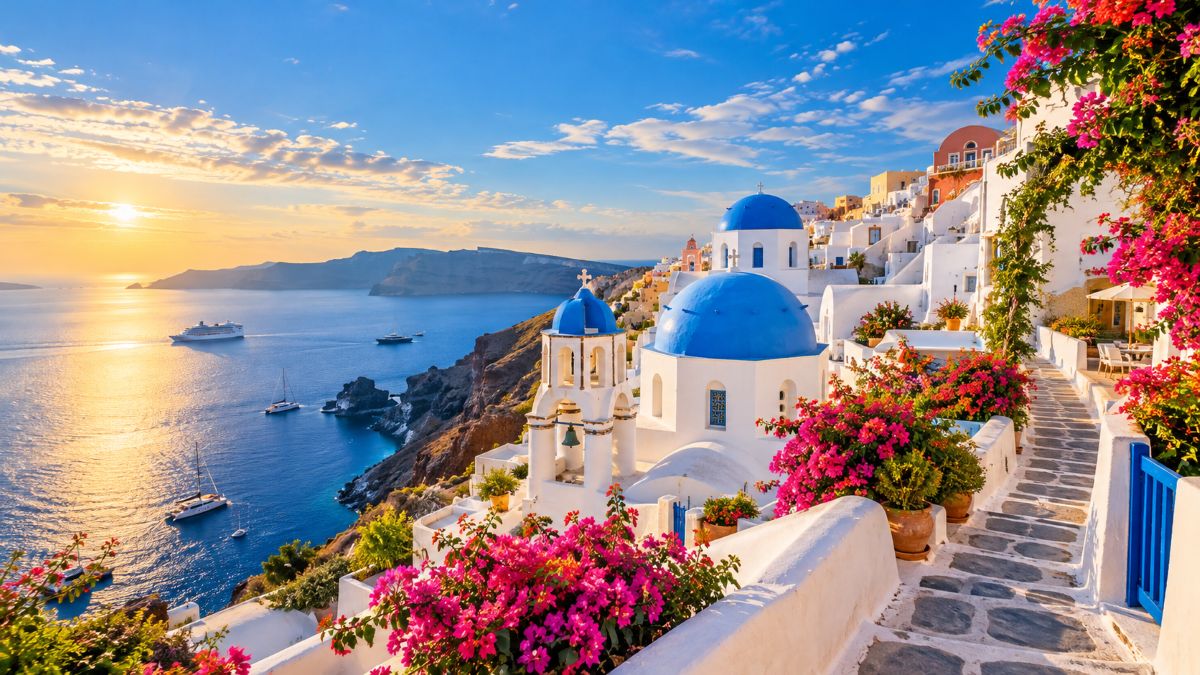
Greece continues to offer travellers an exceptional mix of ancient history, island scenery, Mediterranean cuisine and outdoor adventure, with 16 experiences highlighting the country’s appeal across the mainland and Aegean coastline. From Athens’ historic Acropolis to the dramatic monasteries of Meteora, the destinations provide opportunities to explore classical heritage alongside contemporary Greek culture. Coastal villages, archaeological landmarks, mountain trails and traditional food experiences also make Greece attractive to visitors seeking varied itineraries. Planning ferry connections, choosing suitable travel seasons and exploring beyond the busiest resorts can help travellers experience the country’s diversity while balancing sightseeing, relaxation and meaningful cultural encounters.
The country’s attractions extend well beyond internationally recognised islands such as Santorini, Mykonos and Crete. Northern mountain villages, Byzantine architecture, ancient sanctuaries and historic settlements across the Peloponnese offer alternatives for visitors interested in nature and heritage. Greece has 227 inhabited islands, creating numerous possibilities for island-hopping holidays, although ferry schedules and seasonal demand require advance planning. Travellers can also experience local traditions through regional cuisine, Orthodox Easter celebrations and everyday café culture. Together, these experiences demonstrate why Greece remains a compelling Mediterranean destination for holidays combining archaeological discovery, outdoor activities, seaside relaxation and authentic encounters with local life.
Greece Travel Highlights Ancient Heritage and Island Adventures
Greece’s appeal rests on the variety of experiences available within one destination. Athens introduces visitors to the foundations of ancient Greek civilisation, while the islands provide beaches, picturesque settlements and opportunities for sailing. Inland destinations offer mountain landscapes, religious heritage and archaeological sites that reveal different chapters of the country’s history.
For travellers planning a first visit, combining a major city with an island or mainland excursion can create a balanced itinerary. Those returning to Greece may prefer lesser-visited villages, regional food traditions and hiking routes. The choice depends on available time, transport connections, seasonal conditions and individual interests.
Advertisement
Advertisement
Athens Offers a Journey Through Classical History
The Acropolis remains one of Greece’s most recognisable landmarks, overlooking the capital from its elevated rocky setting. Visitors can explore the surrounding historic districts, including Plaka, and discover additional archaeological remains at the Ancient Agora and Roman Agora. These locations provide insight into the political, religious and commercial life of earlier civilisations.
Athens also offers museums dedicated to archaeology, Byzantine culture and Cycladic art. Travellers should allocate sufficient time to explore these collections rather than treating the capital solely as a transit point for island holidays. Walking through the historic centre provides a broader understanding of how ancient monuments coexist with modern urban life.
Advertisement
Advertisement
Greek Islands Provide Diverse Coastal Experiences
Island-hopping remains a defining feature of Greek tourism. Santorini is known for its volcanic landscape and sunset views, while Mykonos and Ios attract visitors interested in lively social scenes. Crete combines archaeological heritage with extensive beaches, and Corfu offers distinctive architecture shaped by Venetian influences.
The best island itinerary depends on travel priorities. Visitors seeking quieter surroundings can consider Milos, Andros or Kefalonia, while those interested in combining swimming with cultural sightseeing may prefer Crete or Corfu. Ferry services connect many destinations, but departure points and journey durations vary considerably.
Advertisement
Advertisement
Travellers should check seasonal timetables before confirming accommodation, particularly during the busy summer months. Booking transport in advance can reduce uncertainty when connecting several islands within a limited holiday period.
Delphi and Meteora Showcase Greece’s Historic Landscapes
The Sanctuary of Apollo at Delphi occupies a dramatic hillside overlooking the Gulf of Corinth. In antiquity, pilgrims travelled there to consult the famous oracle. Today, its archaeological remains, surrounding mountains and nearby museums make it an important destination for visitors interested in Greek mythology and religious history.
Meteora presents a different experience, with historic Orthodox monasteries positioned on towering rock formations. The landscape combines architectural achievement with remarkable natural scenery. Visitors can explore designated monastery areas and appreciate the engineering challenges involved in constructing religious communities in such elevated locations.
Staying near Meteora allows travellers to explore before the busiest tour groups arrive. Comfortable footwear and attention to local access rules are advisable when visiting steep paths and monastery stairways.
Advertisement
Advertisement
Greek Cuisine Adds Cultural Depth to Travel
Food provides another way to understand Greece’s regional diversity. Traditional meals can include souvlaki, calamari, local cheeses, seasonal salads, olive oil-based dishes and baklava. Breakfast specialities such as bougatsa introduce visitors to regional pastry traditions, while Greek coffee remains central to everyday social life.
Travellers can discover different flavours by asking residents about regional specialities and visiting established local tavernas away from the busiest waterfront areas. Culinary preferences vary between islands and mainland regions, reflecting local ingredients, agricultural traditions and coastal access.
A food-focused itinerary can complement visits to archaeological sites and beaches. Allowing time for relaxed meals and neighbourhood cafés also offers opportunities to observe everyday Greek culture beyond the main tourist attractions.
Thessaloniki and Corfu Reveal Distinctive Urban Heritage
Thessaloniki combines a lively waterfront setting with Byzantine history, markets, dining and cultural attractions. Its upper town preserves historic streets and architecture, while nearby archaeological destinations provide opportunities to explore Macedonia’s ancient past. The city also serves as a potential base for excursions towards Mount Olympus and the Halkidiki peninsula.
Corfu Town offers a different architectural character, with Venetian fortifications, narrow streets, traditional squares and arcaded terraces. Its food culture includes regional preparations such as pastitsada and sofrito. Visitors may find the historic centre particularly busy during peak daytime hours, making early mornings or overnight stays useful options for a more relaxed visit.
Crete Combines Minoan Archaeology With Beaches
Crete offers a combination of ancient civilisation, coastal scenery and traditional village life. The Palace of Knossos provides an introduction to Minoan culture, while the Archaeological Museum in Heraklion houses important artefacts associated with the island’s past.
Advertisement
Advertisement
The island’s beaches also appeal to visitors seeking relaxation. Falasarna, Elafonisi and Preveli offer different landscapes, from pale sand and distinctive coastal colours to palm-lined surroundings. Because Crete is extensive, travellers should allow enough time for journeys between archaeological attractions, towns and beaches.
Sun protection, suitable footwear and checking local transport options can help visitors plan comfortable days outdoors. Combining cultural attractions with coastal stays allows travellers to experience more than one side of the island.
Mountain Villages and the Peloponnese Offer Alternatives
Zagorohoria, a group of traditional stone villages in northern Greece, provides access to mountain scenery and walking routes around Vikos Gorge. The area suits visitors seeking outdoor activities and quieter surroundings away from major resort centres. Hiking plans should reflect the season, trail difficulty and personal fitness.
The Peloponnese offers another extensive area for exploration, including Nafplio, Mystras, Mycenae, Epidaurus and the fortified settlement of Monemvasia. Ancient Olympia, associated with the earliest recorded Olympic Games in 776 BCE, adds another important historical stop.
Travelling by hire car can provide flexibility across the peninsula, although public transport serves some larger towns. Visitors should allow sufficient time between destinations rather than attempting to cover the entire region in a rushed itinerary.
Essential Greece Travel Planning Information
The following overview summarises the principal destinations and practical considerations for planning a varied Greek holiday.
Advertisement
Advertisement
| Destination | Main Experience | Travel Consideration |
|---|---|---|
| Athens | Acropolis, archaeological sites and museums | Allow time for the historic centre |
| Santorini | Volcanic scenery and sunset views | Check ferry connections in advance |
| Delphi | Ancient sanctuary and mountain landscapes | Consider an early or late visit |
| Meteora | Historic monasteries and rock formations | Check monastery access arrangements |
| Crete | Knossos, museums and beaches | Plan for longer island journeys |
| Thessaloniki | Byzantine heritage and urban culture | Consider nearby archaeological excursions |
| Corfu | Venetian architecture and regional cuisine | Explore the old town early |
| Zagorohoria | Stone villages and mountain hiking | Check trail conditions |
| Peloponnese | Ancient ruins and fortified towns | Allow time for travel between sites |
| Ancient Olympia | Archaeological remains of the Olympic Games | Consider an overnight stay nearby |
Seasonal Events and Practical Transport Considerations
Greek Orthodox Easter offers an opportunity to experience religious traditions, candlelit processions, communal meals and local celebrations. Because it is a major annual observance, visitors planning to attend should arrange accommodation and transport early. Travellers should also approach religious events respectfully and follow local guidance.
Ferries remain essential for reaching many islands, while buses, trains and hire cars serve different parts of the mainland. Transport availability and journey durations depend on the route and season. Checking schedules before booking accommodation helps avoid unrealistic connections.
A successful Greece itinerary should balance well-known landmarks with time for local food, coastal relaxation and spontaneous exploration. Visitors who travel beyond the most famous resorts can discover a wider range of landscapes and cultural experiences.
Frequently Asked Questions
1. What Are The Best Things To Do In Greece?
Explore the Acropolis in Athens, visit Delphi and Meteora, discover Greek islands, enjoy regional cuisine and relax on Crete’s beaches.
2. Which Greek Destinations Are Best For First-Time Visitors?
Advertisement
Advertisement
Athens offers classical history, while Santorini, Crete and Corfu provide island scenery, beaches and cultural attractions.
3. How Many Inhabited Islands Does Greece Have?
Greece has 227 inhabited islands, each offering different landscapes, communities and visitor experiences.
4. Is Island-Hopping In Greece Easy?
Island-hopping is possible using ferry services, but routes, journey times and seasonal schedules should be checked before booking.
5. What Can Travellers See In Athens?
Advertisement
Advertisement
Visitors can explore the Acropolis, the Ancient Agora, the Roman Agora, Plaka and major archaeological museums.
6. Why Is Meteora Famous?
Meteora is renowned for its historic Orthodox monasteries built on dramatic rock formations.
7. What Food Should Visitors Try In Greece?
Popular options include souvlaki, calamari, bougatsa, local cheeses, Greek salads and baklava.
8. What Can Visitors Explore In Crete?
Advertisement
Advertisement
Crete offers the Palace of Knossos, the Archaeological Museum in Heraklion, traditional villages and beaches such as Falasarna and Elafonisi.
9. Is The Peloponnese Worth Visiting?
Yes. The region features important archaeological sites, historic towns, traditional communities and coastal scenery.
10. How Can Travellers Plan A Better Greece Holiday?
Choose destinations according to personal interests, check transport schedules, reserve accommodation during busy periods and allow enough time to explore each location.
Advertisement
