
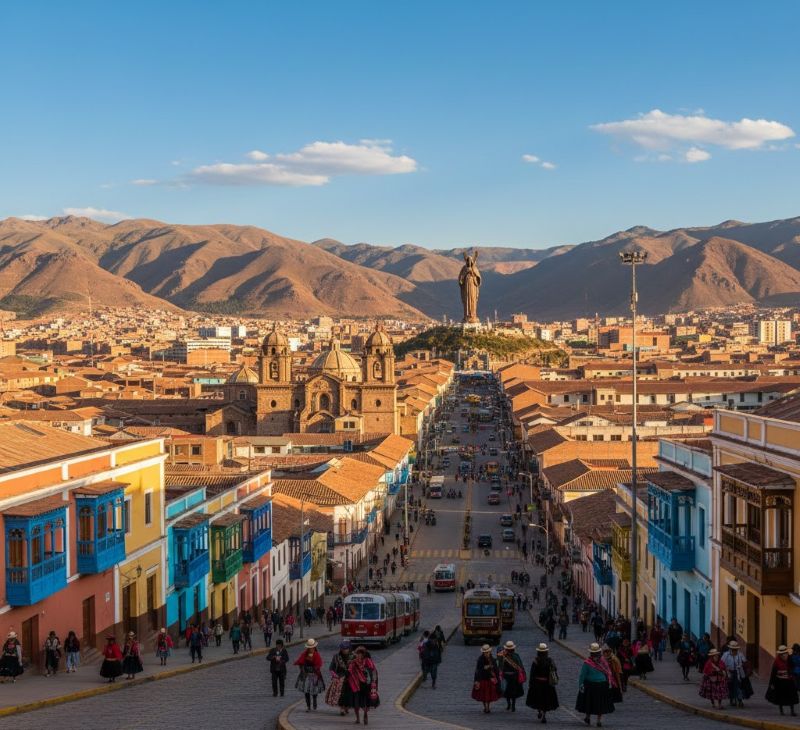
Image generated with Ai
Cochabamba Unites La Paz, Potosí, Santa Cruz, Chuquisaca, Beni, Oruro, Pando, and Tarija, The Unexpected Bolivia Travel Gems You’ve Been Waiting for That Will Completely Flip Your Plans. Bolivia has long been a hidden gem in South America, often overshadowed by its more famous neighbors. But now, Bolivia’s lesser-known destinations are ready to shine. Cochabamba, La Paz, Potosí, Santa Cruz, Chuquisaca, Beni, Oruro, Pando, and Tarija have all emerged as the unexpected travel gems you’ve been waiting for. Each of these departments offers something truly unique, from the towering Andean mountains to the lush Amazonian lowlands.
For years, travelers have flocked to the well-trodden paths of Peru and Brazil, but Bolivia’s most remarkable destinations remain relatively untouched, offering authentic experiences far removed from mass tourism. Cochabamba, known as Bolivia’s “Garden City,” and La Paz, the world’s highest capital, are just the beginning. Potosí, with its rich colonial history and the mesmerizing Salar de Uyuni, is a must-visit for those seeking both adventure and cultural immersion. Similarly, Santa Cruz and Chuquisaca offer a blend of tropical beauty and colonial charm, while Beni, Oruro, Pando, and Tarija invite travelers into Bolivia’s untouched wilderness, bursting with wildlife and hidden wonders.
Advertisement
These destinations are not only a feast for the eyes but also a chance to experience the country’s vibrant indigenous culture and rich heritage. Bolivia’s travel scene is on the cusp of a revolution, and now is the perfect time to explore these untouched gems before they become the next big thing in South American tourism. Pack your bags, because Bolivia is waiting to flip your travel plans upside down!
Bolivia: A Journey Through Extreme Geographical Diversity
Advertisement
Bolivia is a country defined by its extreme geographical contrasts. From the world’s highest navigable lake, Lake Titicaca, to the vast salt flats of Salar de Uyuni and the Amazonian rainforests in the lowlands, Bolivia is a true natural wonder. The country’s vast landscapes include snow-capped mountains, desert salt flats, lush valleys, and tropical jungles, all of which offer a diverse range of experiences for nature lovers, culture seekers, and adventure enthusiasts alike.
The country’s capital city La Paz, one of the highest cities in the world, sits at an altitude of over 3,600 meters (11,800 feet) above sea level, offering stunning views of the surrounding mountains. La Paz is a vibrant hub for culture, history, and adventure, making it the perfect starting point for exploring Bolivia’s many treasures.
The Role of Local Authorities in Reviving Tourism
Bolivia has undergone significant changes in its approach to tourism over the past few years. The country’s decentralized management of tourism, laid out in the General Tourism Law “Bolivia Te Espera,” has empowered local authorities to play a more prominent role in the development of the tourism sector. This shift has allowed local communities to directly benefit from tourism, particularly in rural and indigenous areas, and ensures that the benefits of tourism are distributed equitably.
Advertisement
Advertisement
The creation of the Ministry of Tourism and Gastronomy in November 2025, under the leadership of Cinthia Martha Yáñez, highlights the Bolivian government’s commitment to further developing the tourism sector. The new ministry is focused on expanding Bolivia’s tourism infrastructure and increasing international visibility. The move is part of a broader effort to align local development with the United Nations Sustainable Development Goals (SDGs), promoting responsible tourism that benefits both the local population and the environment.
Local authorities are also working to create more sustainable, community-driven tourism projects. By focusing on indigenous cultures and traditions, Bolivia is ensuring that tourism revenue stays within local communities, helping to support economic development and protect the country’s natural and cultural heritage. Image generated with Ai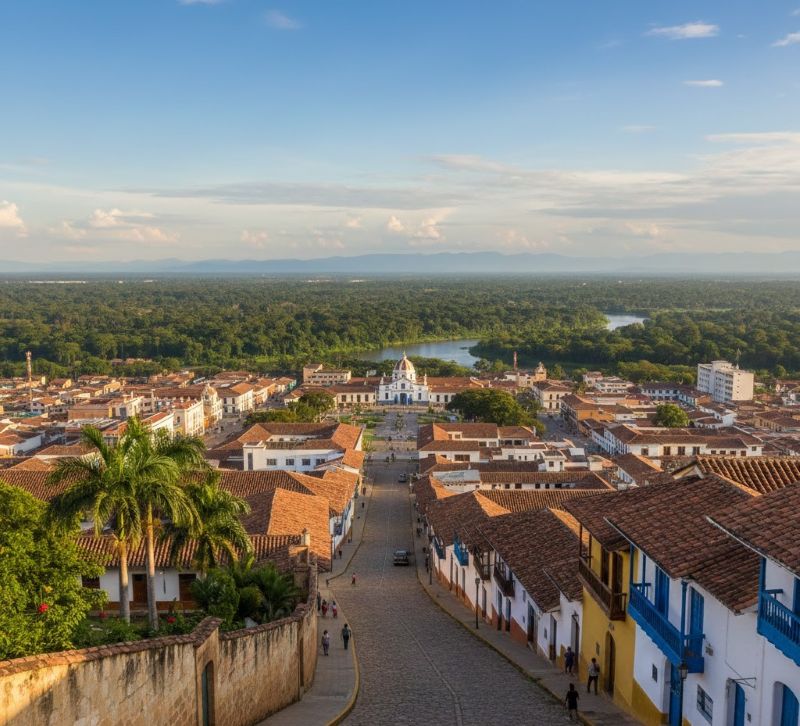
“Marca País 2026”: Bolivia’s Vision for Sustainable Tourism
Bolivia’s future tourism strategy is encapsulated in the “Marca País 2026” initiative, a long-term plan aimed at making Bolivia a leading sustainable tourism destination. This initiative focuses on developing infrastructure, promoting eco-friendly tourism, and diversifying the country’s tourism offerings.
One of the key goals of Marca País 2026 is to improve digital connectivity in remote areas, particularly in places like Madidi National Park and the Uyuni Salt Flats. The Agenda Digital 2030 project aims to provide satellite internet access to these off-the-grid regions, making them more accessible to modern travelers while preserving their pristine nature. This digital infrastructure will appeal to a growing number of digital nomads and remote workers looking to explore Bolivia’s untouched landscapes without sacrificing the conveniences of modern technology.
In addition to enhancing connectivity, Bolivia’s tourism strategy is also shifting its focus from just the well-known destinations, such as Uyuni and Potosí, to new, unexplored offerings. One of the key areas of focus is gastronomic tourism, which will highlight the country’s rich agricultural heritage, including its 200+ varieties of potatoes, as well as high-altitude wines. With Bolivia’s Bicentennial celebrations in 2025/2026, the country is set to see a significant increase in international visitors, with projections estimating that Bolivia will attract 1.76 million visitors by 2028.
Exploring Bolivia’s 9 Departments: Hidden Gems and Must-See Spots
Bolivia is divided into nine departments, each offering its own unique landscapes and hidden gems. From the high-altitude plains to the dense Amazonian jungles, Bolivia’s departments provide visitors with a vast range of experiences. Let’s take a closer look at these remarkable regions and the treasures they hold:
1. La Paz: The Heart of Bolivia
Perched high in the Andean mountains at an altitude of 3,650 meters (11,975 feet), La Paz is an awe-inspiring city that captivates visitors with its stunning views, vibrant culture, and rich history. As the administrative capital of Bolivia, it is the beating heart of the country, offering an authentic glimpse into the diverse traditions and bustling energy of urban Bolivian life.
La Paz is set in a deep valley surrounded by jagged peaks, with the towering Mount Illimani providing a breathtaking backdrop. The city’s natural landscape is complemented by its unique geography, where streets spiral up the hillsides, leading to sweeping vistas of the city below. Mi Teleférico, the world’s highest cable car system, provides an unforgettable experience with panoramic views of the city and its surrounding mountain ranges. This modern marvel connects the various neighborhoods of La Paz, allowing visitors to traverse the city while admiring its striking scenery.
Outside the city, Valle de las Ánimas (Valley of Souls) is a must-see natural wonder. This eerie, otherworldly valley, with its jagged rock formations and dramatic landscapes, creates a surreal and ethereal atmosphere that is perfect for photography and hiking. The valley’s geological beauty and the sense of solitude it offers make it a hidden gem, allowing for an intimate connection with nature.
2. Santa Cruz: Bolivia’s Economic Powerhouse
As Bolivia’s largest city and its economic hub, Santa Cruz serves as the gateway to the country’s tropical lowlands. Situated in the eastern part of Bolivia, this region is characterized by a lush, verdant landscape, which contrasts sharply with the more arid highlands of the western Andes. Santa Cruz is not only Bolivia’s economic engine but also a vibrant cultural melting pot that is rapidly evolving as a modern metropolis.
One of the region’s standout attractions is the Chiquitania Missions, a series of Jesuit missions that were established in the 17th and 18th centuries. These missions, which have earned a UNESCO World Heritage designation, offer a fascinating glimpse into Bolivia’s colonial history. The missions’ architectural beauty and serene surroundings make them a peaceful retreat, far removed from the typical tourist crowds. The missions’ role in shaping the local culture and architecture provides visitors with a deeper understanding of Bolivia’s heritage and the Jesuit influence in the region.
3. Potosí: A Rich History and Surreal Landscapes
The city of Potosí is one of the most historically significant cities in Bolivia, steeped in colonial history and once a global center for silver mining. Potosí was once considered the richest city in the world, thanks to the wealth generated by the Cerro Rico (Rich Mountain), which was home to vast silver deposits. Visitors to Potosí can still explore the remnants of its mining past, including the Casa de la Moneda (Mint House), where silver coins were once minted.
The region around Potosí also boasts some of Bolivia’s most surreal natural wonders. Laguna Colorada, or the Red Lagoon, is an exceptional site in Eduardo Avaroa National Reserve. The lagoon’s bright red waters are fringed by snow-capped mountains, creating a landscape that seems almost otherworldly. Visitors can enjoy this striking sight while observing flamingos that migrate to the area. Salar de Uyuni, located near Potosí, is the world’s largest salt flat, stretching over 10,000 square kilometers. During the rainy season, the salt flats transform into a giant mirror, offering a visual spectacle unlike any other on earth.
4. Chuquisaca: Bolivia’s Colonial Heart
Chuquisaca, with its colonial charm and historical significance, is one of Bolivia’s most culturally rich regions. The city of Sucre, located within Chuquisaca, holds the prestigious title of Bolivia’s constitutional capital and is a UNESCO World Heritage site. Sucre is often referred to as the “White City” due to its pristine colonial architecture, which remains well-preserved throughout the city.
Sucre is also home to the Cal Orck’o, a remarkable site where over 5,000 dinosaur footprints have been preserved for millions of years. These footprints, which date back to the Late Cretaceous period, offer visitors a fascinating glimpse into the prehistoric past of the region. The combination of Sucre’s colonial heritage and Cal Orck’o’s paleontological significance makes Chuquisaca an exceptional destination for history and culture lovers.
5. Cochabamba: Bolivia’s Garden City
Known as Bolivia’s Garden City, Cochabamba is a fertile and picturesque region nestled in a high valley. Surrounded by lush valleys, fertile farmland, and towering mountains, it is a place where nature and culture are deeply intertwined. The city itself is known for its vibrant markets, delicious cuisine, and warm, welcoming atmosphere, making it a favorite among both locals and visitors.
Nearby, Torotoro National Park offers adventurers the chance to explore deep canyons, caves, and impressive dinosaur footprints. The park’s natural beauty is complemented by its remarkable geological formations, including The City of Stones (La Ciudad de Piedra), a unique landscape of towering rock spires and labyrinthine pathways. Cochabamba’s natural and cultural offerings make it a must-visit for travelers seeking a blend of outdoor adventure and cultural immersion.
6. Beni: A Biodiverse Wonderland
Beni is a wild and untamed region that lies at the heart of Bolivia’s Amazonian lowlands. This remote area is a paradise for wildlife enthusiasts and ecotourists, offering some of the country’s most biodiverse and pristine landscapes. Lomas de Casarabe, a series of mysterious Pre-Columbian earthworks, are located deep in the rainforest and offer a rare glimpse into Bolivia’s ancient past. These earthworks, whose origins are still debated by archaeologists, are a testament to the region’s rich and untold history.
Beni is also home to a wealth of wildlife, including jaguars, capybaras, and hundreds of species of birds. The region’s dense forests and expansive wetlands provide an untouched sanctuary for some of South America’s most elusive and endangered species. This natural wonderland offers an unparalleled opportunity for eco-tourism and wildlife observation. Image generated with Ai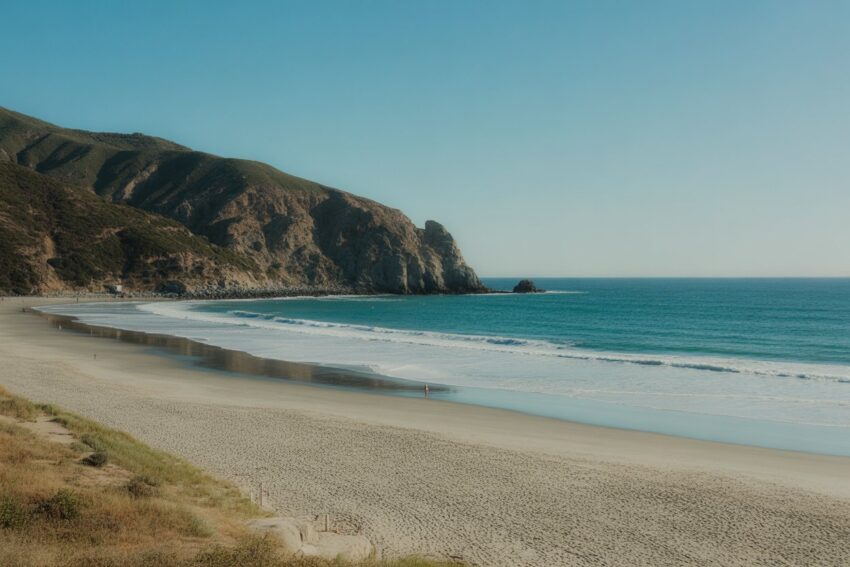
7. Oruro: The Cultural Heart of Bolivia
Oruro is often referred to as Bolivia’s cultural capital due to its rich traditions and historical significance. The city is famous for hosting the Oruro Carnival, one of the most vibrant and culturally important festivals in South America. Recognized by UNESCO for its cultural value, the carnival is a celebration of Bolivia’s indigenous heritage, with traditional dances, colorful costumes, and music filling the streets for days. It’s a must-see for anyone interested in Bolivia’s cultural history and vibrant festivals.
Oruro is also home to Sajama National Park, a beautiful region that features Mount Sajama, Bolivia’s highest peak. The park is a haven for hikers and nature lovers, with its ancient forests, thermal springs, and rare wildlife, including the Andean condor and Vicuñas. Oruro’s combination of cultural vibrancy and natural beauty makes it a unique and rewarding destination.
8. Tarija: Bolivia’s Wine Region
Located in southern Bolivia, Tarija is best known for its high-altitude vineyards, which produce some of the country’s finest wines. The Valle de Concepción, a fertile valley surrounded by mountains, is home to Bolivia’s burgeoning wine industry. The region’s vineyards are cultivated at over 2,000 meters above sea level, where the cooler climate and pure mountain air create the perfect conditions for producing high-quality wines. Visitors can tour the wineries, sample wines, and enjoy the stunning views of the vineyards against the backdrop of the surrounding mountains.
Tarija is also famous for its unique blend of wine culture and Bolivian cuisine, which visitors can experience while enjoying local delicacies paired with exquisite wines. It’s a region that offers an enriching blend of sensory experiences for those seeking a quieter, more relaxed destination.
9. Pando: Bolivia’s Amazonian Frontier
Pando, located in the northernmost region of Bolivia, is a remote and largely unexplored corner of the country, offering unparalleled opportunities for adventure and wildlife exploration. The region is home to the Manuripi Reserve, an immense area of untouched Amazonian rainforest that is teeming with biodiversity. The reserve is one of the most biodiverse regions in Bolivia and is home to giant otters, river dolphins, and a variety of bird species that are rare to find elsewhere in the world.
Pando remains one of Bolivia’s best-kept secrets, attracting only the most adventurous travelers willing to venture into this wild, pristine environment. The reserve’s remoteness and lack of infrastructure make it a true wilderness experience for those seeking to disconnect and immerse themselves in nature.
Why Visit Bolivia Before It Becomes Too Popular?
Bolivia is currently at a critical “sweet spot” in its tourism development. As the country begins to modernize its tourism infrastructure and attract more international visitors, there is still an opportunity to experience the country’s most pristine natural wonders before they are overwhelmed by the crowds seen in neighboring countries like Peru and Brazil.
Authenticity at Its Best
Bolivia offers an authenticity that is difficult to find in other South American countries. Indigenous traditions, such as the Aymara and Quechua cultures, remain alive and vibrant, with local markets like the Witches’ Market in La Paz providing an authentic glimpse into the lives of Bolivia’s indigenous peoples.
Bolivia’s 9 Departments – Key Highlights for TravelersDepartment Key Characteristics Key Hidden Spot Notable Attractions for Travelers La Paz High-altitude city, Andean mountains, vibrant culture Valle de las Ánimas Mi Teleférico, Mount Illimani, Valle de las Ánimas, Witches’ Market Santa Cruz Economic hub, tropical lowlands, colonial history Chiquitania Missions Jesuit Missions, Amboró National Park, El Fuerte de Samaipata Potosí Colonial mining town, rich history, surreal landscapes Laguna Colorada Salar de Uyuni, Laguna Colorada, Potosí’s mining heritage Chuquisaca Colonial architecture, constitutional capital Cal Orck’o Sucre’s colonial city, dinosaur footprints at Cal Orck’o Cochabamba Fertile valleys, culinary delights, warm climate Torotoro National Park Torotoro National Park, deep canyons, dinosaur tracks Beni Amazonian lowlands, biodiversity, remote wilderness Lomas de Casarabe Madidi National Park, wildlife, Lomas de Casarabe earthworks Oruro Cultural heart, traditional festivals, high-altitude Sajama National Park Oruro Carnival, Mount Sajama, Andean condors Tarija Wine-producing region, scenic valleys Valle de Concepción High-altitude vineyards, wine tasting, scenic mountain views Pando Amazonian frontier, remote wilderness, biodiversity Manuripi Reserve Giant otters, river dolphins, Amazonian wildlife
Brief Overview: Bolivia’s Nine Departments for Travelers
Each of Bolivia’s nine departments offers something truly unique for travelers, with diverse landscapes ranging from Andean peaks to Amazonian rainforests. La Paz is a cultural epicenter with panoramic cable car rides and historic markets, while Santa Cruz boasts colonial missions and tropical jungles. Potosí offers the famous Salar de Uyuni and historical mining tours, and Sucre in Chuquisaca draws visitors with its UNESCO heritage and dinosaur footprints. Cochabamba, with its lush valleys, and Tarija’s wine regions offer relaxation, while Oruro is famous for vibrant carnivals. Beni, Oruro, and Pando remain unspoiled by mass tourism, providing Amazonian biodiversity and untouched wilderness. Image generated with Ai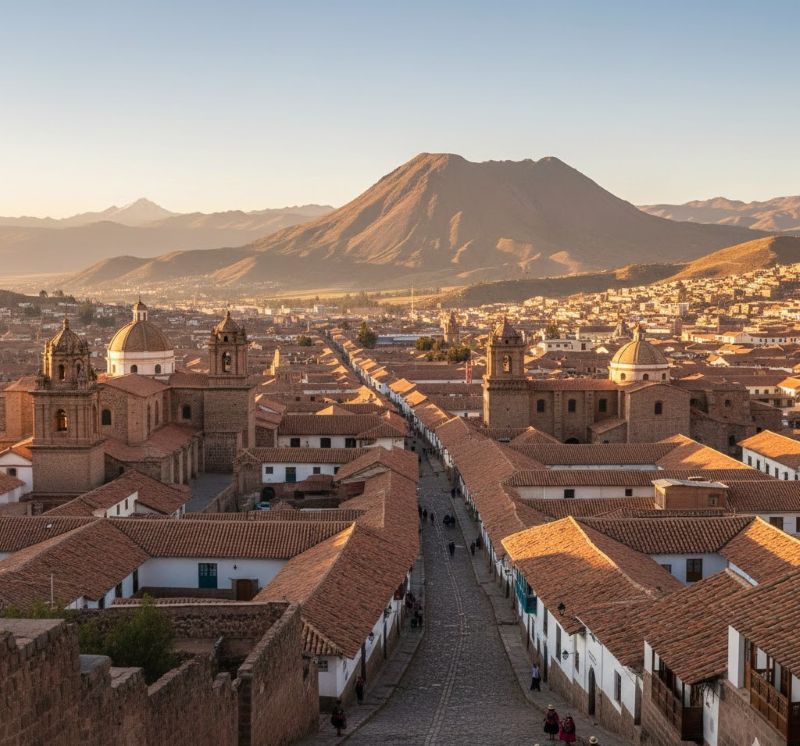
Pristine Nature Awaits
Bolivia’s national parks and natural reserves, like Madidi National Park, are teeming with biodiversity but remain relatively unexplored by tourists. Madidi, in particular, is home to 11% of the world’s bird species and offers an unparalleled wildlife experience. With fewer visitors than Costa Rica or Brazil, these natural jewels offer a unique opportunity for those seeking unspoiled landscapes.
Closing the Digital Gap
Bolivia’s ongoing digital transformation, under the Agenda Digital 2030, will make remote and off-grid areas more accessible to travelers. As satellite internet becomes available in remote regions like the Uyuni Salt Flats and Madidi National Park, digital nomads and travelers will be able to explore the country’s natural beauty without feeling disconnected.
The Future of Bolivian Tourism
Bolivia’s future in tourism looks bright. With the country’s unique blend of indigenous culture, natural beauty, and ongoing government efforts to modernize its tourism infrastructure, Bolivia is on the verge of becoming one of South America’s most sought-after destinations. However, for now, it remains a hidden gem, waiting for those adventurous enough to explore its treasures before the world catches on.
So, whether you’re looking to explore the world’s largest salt flat, experience vibrant indigenous culture, or discover remote Amazonian jungles, Bolivia offers something for every traveler. Don’t miss the chance to experience this incredible destination before it becomes too popular.
Advertisement
Advertisement
Advertisement













Saturday, September 5, 2026

Friday, September 4, 2026

Saturday, September 5, 2026
Saturday, September 5, 2026

Thursday, September 3, 2026

Wednesday, September 2, 2026

Saturday, September 5, 2026

Saturday, September 5, 2026


