
Bolivia Unites Chile, Argentina, Peru, Ecuador, Colombia, Uruguay, and Paraguay as Travel Leaps Into the Stratosphere with South America’s Stellar Escapes Transforming Into the World’s Must-See Night-Sky Destination

Published
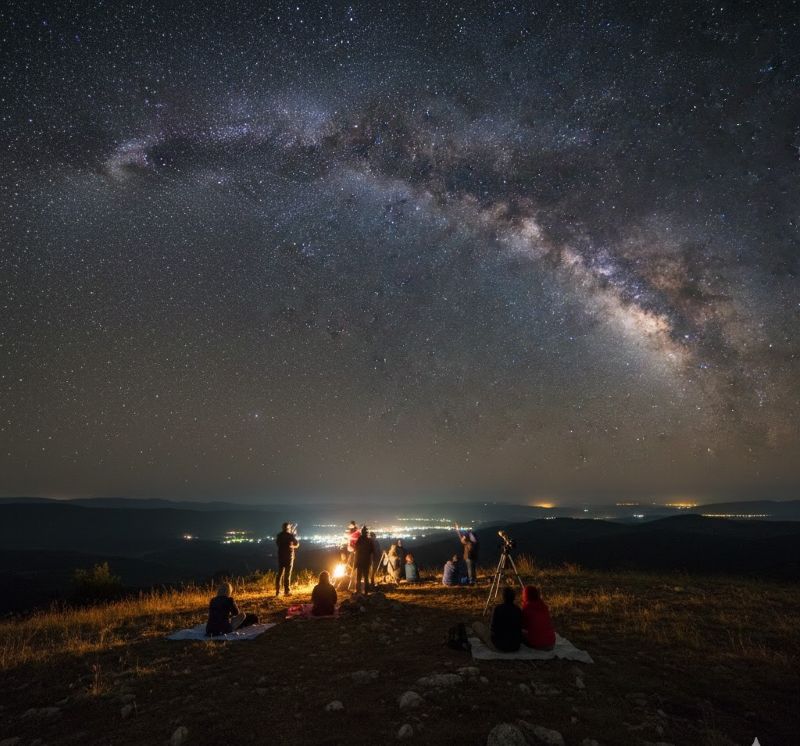
Image generated with Ai
Bolivia Unites Chile, Argentina, Peru, Ecuador, Colombia, Uruguay, and Paraguay as Travel Leaps Into the Stratosphere with South America’s Stellar Escapes Transforming Into the World’s Must-See Night-Sky Destination. South America is quickly becoming the go-to destination for those seeking extraordinary stargazing experiences, and Bolivia has just stepped into the spotlight. As travel continues to soar to new heights, countries like Chile, Argentina, Peru, Ecuador, Colombia, Uruguay, and Paraguay have already been leading the way with their stunning night-sky destinations. Now, Bolivia joins these nations in offering unforgettable stellar escapes that are transforming the continent into the world’s must-see for cosmic adventures.
The allure of South America’s dark skies is undeniable. The clear, high-altitude regions across the continent provide a unique window into the universe, making it the perfect location for astronomy tourism. Whether it’s the Atacama Desert in Chile, the Andean foothills of Argentina, or the Tatacoa Desert in Colombia, stargazers from all over the globe are flocking to these untouched landscapes for the best views of the cosmos. And now, with Bolivia’s entrance, travelers can access even more awe-inspiring destinations that provide uninterrupted views of the stars.
Advertisement
Advertisement
The rise of night-sky tourism has become a major economic force across South America. Local communities are embracing the influx of tourists, developing sustainable tourism programs, and eco-friendly initiatives. These developments not only boost the economy but also foster scientific research, all while preserving the natural beauty of these regions. Bolivia’s inclusion in this cosmic movement brings with it a new level of excitement and growth, ensuring South America will remain at the forefront of the astronomical tourism scene for years to come.
Chile: The Astronomy Capital of the World
Advertisement
Advertisement
Chile is, without a doubt, the epicenter of astronomical tourism in South America, if not the world. Its high-altitude deserts, clear skies, and world-class observatories make it the ultimate destination for stargazers. The Atacama Desert is globally known for its pristine sky conditions, offering exceptionally low humidity, clear air, and minimal light pollution, making it the perfect location for astronomical research and tourism alike.
Atacama Desert: A Stargazer’s Paradise
Advertisement
Advertisement
The Atacama Desert is often referred to as one of the best places on Earth for stargazing. This desert region in northern Chile offers world-class conditions for astronomy due to its extremely dry air, high altitude, and lack of light pollution. Visitors can witness spectacular views of stars, galaxies, and other celestial objects. The Chajnantor Plateau, located at 5,000 metres above sea level, is home to the ALMA Observatory—the most advanced array of radio telescopes in the world. The desert’s thin air and minimal cloud cover make it one of the best places for infrared astronomy.
Paranal Observatory & VLT
Advertisement
Advertisement
Chile’s Paranal Observatory is another iconic destination for stargazing. Situated at 2,635 metres above sea level in the Atacama Desert, it is home to the Very Large Telescope (VLT). Operated by the European Southern Observatory (ESO), the VLT is one of the world’s most advanced optical telescopes. It provides a unique opportunity for tourists to witness astronomical observations and see the universe through the lenses of cutting-edge technology. The observatory offers guided tours, making it accessible to anyone interested in understanding the mysteries of the cosmos.
Impact on Chile’s Dark-Sky Tourism
Chile’s prominence as a leader in astronomical tourism has had a substantial economic impact. The development of observatories like Paranal, La Silla, and ALMA has transformed the country into a hub for both scientific research and tourism. Local economies in the northern regions have benefited from the tourism boom, creating employment opportunities, supporting the hospitality industry, and fostering scientific collaborations. Moreover, the Chilean government’s commitment to preserving its dark skies has made the country an attractive destination for ecotourism and educational tourism. As a result, Chile continues to solidify its position as the world’s leading astronomy destination.
Argentina: Dark Skies and High Altitudes
Advertisement
Advertisement
While Chile dominates the astronomical tourism scene in South America, Argentina is increasingly becoming a key player due to its own high-altitude regions and pristine skies. The Andean provinces of Salta and Jujuy are particularly renowned for their clear skies and low levels of light pollution. Argentina may not boast the large observatories seen in Chile, but its unique landscapes offer incredible stargazing experiences.
Stargazing in the Andes
The Andes Mountains in northern Argentina offer some of the best stargazing conditions in the world. The Puna Desert, with its high-altitude terrain and dry air, makes it an ideal location for observing the night sky. The lack of light pollution in these rural regions allows for a clear, unbroken view of the stars. The Puna Plateau and surrounding areas are increasingly popular for astronomical tourism, offering guided tours and educational programs focused on the night sky.
Collaborative Research and Dark-Sky Networks
Argentina has also become an important player in astronomical research, collaborating with Chile and Bolivia through the Observatorio Andino network. This network aims to improve atmospheric data quality, making it easier for astronomers to find the best locations for astronomical observations. This collaboration also brings attention to Argentina’s growing importance as a dark-sky tourism destination.
Impact on Argentina’s Tourism
Advertisement
Advertisement
Although Argentina has not yet reached the level of astronomical infrastructure seen in Chile, the country’s stargazing potential is undeniable. Rural Andean communities are starting to see the benefits of dark-sky tourism, with tourism infrastructure slowly developing to accommodate visitors seeking unique stargazing experiences. As more tourists flock to Argentina’s mountainous regions, the local economy is expected to benefit significantly from the growing interest in astrophysical research and stargazing tourism.
Peru: Clear Skies Over Lake Titicaca
Peru, known for its cultural and historical treasures, also boasts some of the clearest night skies in South America. The Altiplano Plateau, which spans southern Peru and western Bolivia, offers exceptional conditions for stargazing, with minimal light pollution and vast, unspoiled terrain.
Clear Skies Over Lake Titicaca
Puno, located near Lake Titicaca, is one of the best places to experience Peru’s dark skies. Sitting at an altitude of 3,800 metres, Puno provides a unique stargazing experience, where the night sky is free from the interference of urban light. The city is fast becoming a popular stargazing destination, offering both tours and educational programs for visitors to learn more about the universe.
Astronomy Tours in Peru
Advertisement
Advertisement
While Peru does not yet have large-scale observatories like those in Chile, the country is increasingly focused on developing astronomy tourism. Local communities have been promoting stargazing tours and scientific outreach programs, where visitors can explore the Andean landscapes and enjoy the dark skies. Local astronomers often accompany these tours, sharing their knowledge of the night sky and guiding tourists through the celestial wonders visible from the Altiplano.
Impact on Peru’s Tourism
The growth of dark-sky tourism in Peru is expected to have a significant impact on the local economy. As more tourists seek out stargazing experiences, local communities in the Andean foothills are benefiting from the increase in ecotourism. The promotion of astro-tourism in Peru is helping to preserve natural landscapes while also providing economic opportunities for rural regions.
Bolivia: A Stargazing Haven in the Heart of the Andes
Bolivia, often overshadowed by its neighbors, offers some of the most undisturbed night skies in South America. The Altiplano region in western Bolivia, particularly near Lake Titicaca, offers incredible stargazing opportunities for those willing to venture into the high Andes.
Bolivia’s Dark-Sky Regions
Advertisement
Advertisement
Like Peru, Bolivia is home to the Altiplano, a high plateau that provides excellent conditions for astronomical observation. La Paz, sitting at over 3,600 metres above sea level, offers clear skies and low humidity, making it an ideal spot for stargazing. The region has yet to develop large-scale observatories, but its natural conditions and remote location make it a fascinating destination for astronomy enthusiasts.
Astronomy Tourism in Bolivia
Bolivia’s dark-sky regions are gaining attention from astronomy clubs and tour operators, who are keen to introduce visitors to the country’s stellar landscapes. These tours allow visitors to experience the southern hemisphere’s skies, with unique views of the Milky Way, planetary systems, and distant nebulae.
Impact on Bolivia’s Tourism
As Bolivia becomes a more prominent destination for dark-sky tourism, local economies are beginning to benefit from the influx of stargazing enthusiasts. While the infrastructure is still in its early stages, Bolivia’s dark-sky tourism has the potential to grow into a major sector, with a focus on sustainable and eco-friendly travel.
Ecuador: The Equator’s Stargazing Advantage
Advertisement
Advertisement
Situated on the equator, Ecuador offers a unique vantage point for stargazing. The country’s high-altitude observatories and historical astronomy sites provide visitors with an opportunity to experience the night sky in a way that few other places can offer.
Quito Astronomical Observatory
The Quito Astronomical Observatory, founded in 1873, is one of the oldest in South America. Located in the capital city, Quito, it provides an opportunity for visitors to not only explore Ecuador’s astronomical history but also participate in stargazing sessions using modern telescopes. Ecuador’s equatorial location gives it an advantage, as it offers views of both northern and southern hemisphere constellations.
Equatorial Stargazing Tours
Quito’s observatory is becoming a popular tourist attraction, offering telescope tours where visitors can observe the moon, planets, and stars. Ecuador’s unique equatorial location allows tourists to experience both southern and northern hemisphere constellations, a rare opportunity for stargazing.
Impact on Ecuador’s Tourism
Advertisement
Advertisement
Ecuador’s combination of historical astronomy and modern observatories positions it as an attractive destination for astro-tourism. The Quito Astronomical Observatory is a key player in educating the public about the night sky, enhancing the country’s reputation as a growing destination in the field of astronomy tourism.
Colombia: Emerging Stargazing Destination
Though better known for its tropical landscapes, Colombia has several dark-sky regions, with the Tatacoa Desert in the Huila Department being one of the best stargazing destinations in the country. Located in the Andean foothills, the desert offers clear, unobstructed views of the night sky, making it a prime location for astronomical observation.
Tatacoa Desert
The Tatacoa Desert is one of the most fascinating stargazing destinations in Colombia. It is located far from the light pollution of major cities, offering visitors a chance to observe planets, stars, and galaxies with ease. The remote location and clear skies make it an ideal spot for night-sky tourism. The desert is fast becoming a popular destination for both amateur astronomers and tourists who wish to witness the wonders of the cosmos.
Astronomy Research and Tourism Development
Advertisement
Advertisement
Although Colombia is still in the early stages of developing astronomy tourism, the country is making strides to protect its dark-sky regions and develop more stargazing experiences. The growing interest in night-sky tourism is likely to shape Colombia’s future in the astronomical tourism sector.
Impact on Travel & Tourism
As Colombia develops its dark-sky tourism infrastructure, local communities around the Tatacoa Desert and other rural areas are beginning to see the benefits. Astronomical tourism has created new economic opportunities and is contributing to the growth of educational tourism in these regions.

Image generated with Ai
Uruguay: Untapped Potential for Stargazing
While Uruguay may not be known for its astronomical infrastructure, the country’s vast open plains and low light pollution create an ideal environment for stargazing enthusiasts. Uruguay’s rural areas, particularly those away from the capital Montevideo, offer some of the clearest, uninterrupted views of the night sky in South America, making it a hidden gem for dark-sky tourism.
Stargazing in Uruguay’s Rural Regions
Advertisement
Advertisement
Uruguay’s rural regions—with their wide, expansive plains and minimal light pollution—are perfect for travelers who want to escape the artificial lights of the city and immerse themselves in the stars. The country’s open landscapes, away from urban centers, provide clear and dark skies, offering a unique opportunity for both stargazing and astronomy tourism.
The lack of light pollution outside the major cities means that the stars can be seen with remarkable clarity, making Uruguay an attractive destination for amateur astronomers and those interested in the natural beauty of the night sky. Despite being in the early stages of development, the potential for astronomical tourism in Uruguay is considerable, with vast regions of unspoiled nature offering perfect conditions for stargazing.
Developing Stargazing Tourism in Uruguay
Currently, stargazing tourism in Uruguay is still in its infancy. The country’s astronomical infrastructure is not yet as developed as some of its South American counterparts, like Chile or Argentina. However, the country’s natural landscape holds immense potential for dark-sky tourism. As the global interest in astro-tourism grows, Uruguay can capitalize on its vast rural expanses to create new tourism opportunities, particularly for those seeking solitude and pristine views of the stars.
Impact on Tourism and Local Communities
Though stargazing tourism in Uruguay is not yet mainstream, the growing interest in eco-tourism and dark-sky experiences could have a significant impact on local communities. As tourism infrastructure develops in rural areas, more local jobs could be created, ranging from guides to hospitality services. Uruguay has the opportunity to attract a new wave of international travelers, contributing to economic growth while preserving its natural beauty.
Advertisement
Advertisement
Paraguay: Emerging Stargazing Potential
Paraguay, much like Uruguay, has limited astronomical infrastructure at present but offers significant potential for the development of stargazing tourism. Known for its low light pollution and vast, unspoiled landscapes, Paraguay presents an exciting opportunity for those interested in dark-sky tourism. Regions such as Encarnación, located near the Iguazú River, provide excellent conditions for observing the night sky, with minimal urban interference.
Stargazing in Paraguay’s Interior
The interior regions of Paraguay, particularly the southern and eastern areas like Encarnación, offer vast, open landscapes with little to no artificial light. This makes them perfect for stargazing, as the night sky is unobstructed by the bright lights typically found in urban areas. The area is ideal for observing planets, stars, and the Milky Way in all its glory. Visitors to Paraguay can experience uninterrupted celestial views, offering a peaceful and unique stargazing experience.
Limited but Growing Astronomy Tourism
While Paraguay does not yet have significant astronomical tourism infrastructure, the potential for stargazing tourism is high. The country has vast areas of natural beauty, far removed from light pollution, which makes it a perfect location for night-sky exploration. In recent years, there has been a growing interest in dark-sky tourism across South America, and Paraguay is well-positioned to take advantage of this trend.
Advertisement
Advertisement
As dark-sky initiatives gain momentum globally, Paraguay’s remote and rural areas could become major destinations for those seeking to experience the beauty of the night sky without the interference of light pollution. With careful development and investment, Paraguay could become a prominent player in the astronomical tourism sector.
Impact on Paraguay’s Tourism and Economy
The potential for astro-tourism in Paraguay is significant. By capitalizing on the country’s unspoiled landscapes and low-light pollution, Paraguay can attract a growing number of stargazing tourists looking for a remote and peaceful experience. As the country continues to develop its tourism infrastructure, local communities in rural areas can benefit from the economic growth driven by astro-tourism. Investment in tourism facilities, including accommodation, guided stargazing tours, and educational programs, will help to boost the local economy and foster sustainable tourism practices.
Stargazing Tourism in South America: Observatory Presence, Clear-Sky Factors, and Growth Potential
South America offers a diverse range of destinations for astronomy tourism, each with its unique observatory presence, clear-sky conditions, and tourism potential. The following table highlights the key regions in South America, their astronomical infrastructure, the quality of night-sky visibility, and their growth in stargazing tourism arrivals as expected in 2025. This data reflects the continued development of dark-sky tourism in these countries, helping to boost their local economies and attract astronomy tourists from across the globe.
| Country/State | Observatory Presence | Clear-Sky Factors | Tourism / Outreach Potential | Stargazing Tourism Arrival Growth (2025) |
| Chile | Home to ALMA, Paranal Observatory, La Silla | Atacama Desert: extremely low humidity and high altitudes | World leader in dark-sky tourism, attracting astronomers and tourists | +15% growth, major astronomical events driving tourism |
| Argentina | Observatorio Andino network, local observatories in Salta, Jujuy | Andes Mountains: high altitudes, clear skies | Growing sector with tourist-friendly observatories | +12% growth, increasing interest in rural stargazing |
| Peru | Limited, but local observatories in Puno, Lake Titicaca | Altiplano Plateau: low humidity, high altitudes | Increasing interest, guided astronomy tours in rural regions | +8% growth, rise in eco-tourism and stargazing initiatives |
| Bolivia | Observatorio Andino network, local observatories | Altiplano: clear, dark skies, minimal light pollution | Emerging dark-sky destinations around La Paz and Oruro | +10% growth, growth of rural and scientific tourism |
| Ecuador | Quito Astronomical Observatory (1873) | Equator location: dual hemisphere view, clear skies | Strong historical significance; growing stargazing tours | +9% growth, rise in educational and research tourism |
| Colombia | Tatacoa Desert: informal astronomy initiatives | Tatacoa Desert: remote, clear skies | Rising awareness, scientific tours, emerging as a key destination | +6% growth, gaining popularity for remote stargazing |
| Uruguay | No major observatories, rural stargazing spots | Plains: low light pollution, wide open spaces | Early stages, potential for growth in dark-sky tourism | +5% growth, rural areas becoming alternative destinations |
| Paraguay | No major observatories, rural stargazing | Interior regions: minimal light pollution, vast plains | Untapped potential, future growth in astronomy tourism | +7% growth, slow but steady interest in dark-sky tourism |
Brief Overview
Advertisement
Advertisement
This table outlines the state of astronomical tourism across key South American countries in 2025. Chile remains the leader with its high-profile observatories and clear skies, experiencing the highest growth in stargazing tourism arrivals. Argentina, Peru, and Bolivia are emerging destinations, with high-altitude regions and low light pollution offering fantastic stargazing experiences. Meanwhile, Colombia, Uruguay, and Paraguay are still developing their astronomy tourism infrastructure, but significant growth is expected as these regions tap into their dark-sky potential.

Image generated with Ai
South America’s Cosmic Tourism Landscape
In conclusion, South America’s cosmic tourism landscape offers a wealth of opportunities for both astronomers and amateur stargazers. The continent’s unique geography, high altitudes, and dark-sky regions make it a global leader in astronomical tourism. Countries like Chile, Argentina, Peru, Bolivia, and Ecuador have already established themselves as top destinations for stargazing, each offering its own distinct conditions and experiences.
Chile, known as the astronomy capital of the world, continues to lead in the field with its exceptional observatories and dry, clear skies. The Atacama Desert, particularly, is a stargazer’s paradise, attracting tourists seeking the clearest skies on Earth. Argentina also stands out, with its high-altitude regions and growing astronomy tourism sector, offering visitors remarkable views of the stars in places like Salta and Jujuy.
Peru and Bolivia, with their Altiplano plateaus and low humidity, offer pristine stargazing conditions. Though their observatories are fewer in number, these regions offer raw, untouched beauty, making them increasingly popular for astronomy enthusiasts. Meanwhile, Ecuador’s equatorial location provides unique access to both northern and southern hemisphere constellations, further elevating its appeal as a destination for stargazing tourism.
Lastly, Colombia, Uruguay, and Paraguay hold significant untapped potential, offering vast open spaces and minimal light pollution, which makes them upcoming stars in the world of dark-sky tourism.
As astronomy tourism continues to grow, these countries will benefit from the economic and educational opportunities it brings. South America’s cosmic tourism landscape is indeed shining brightly, and it is only set to grow brighter in the years to come.
Advertisement
