
Cuba’s New Travel Regulations Require U.S. Travelers From Miami To Apply For Visa Before Flying

Published
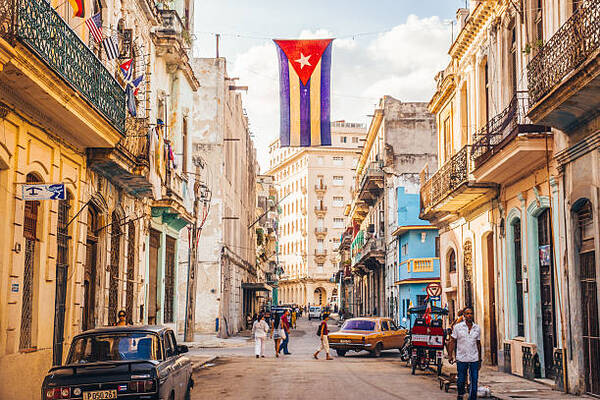 Image generated with Ai
Cuba’s new travel visa requirements, effective July 2025, will impact Miami residents with family ties to the island, requiring them to apply for a visa before flying.
Cuba’s New Travel Regulations: What Miami Residents and Travelers Need to Know
Advertisement
Advertisement
In recent months, the Cuban government has been implementing significant changes to its travel procedures, which are set to impact thousands of passengers. These updates to the country’s travel requirements are part of a broader effort to enhance border security and control the flow of travelers, particularly those with familial connections to Cuba.
The newly confirmed regulations will take effect in less than two months, and passengers flying to Cuba will be required to follow additional procedures before boarding their flights. While not everyone will be affected by these changes, many people, particularly those with ties to Cuba, will face new requirements when traveling to the island. This has caused widespread confusion and raised questions, especially among Miami residents who hold dual citizenship or have children born outside of Cuba.
Advertisement
Advertisement
What’s Changing?
The biggest change coming into effect on July 1, 2025, is the introduction of a new Single Entry eVisa requirement for travelers heading to Cuba. This will affect a large number of passengers, particularly those who previously only needed a tourist card to enter Cuba. The eVisa will be required for many individuals who don’t meet the existing criteria for a tourist card.
Advertisement
Advertisement
This new regulation is already stirring up confusion, especially within the Cuban-American community in Miami, where many people have long-standing familial ties to the island. For example, individuals with U.S. passports who are related to Cuban nationals will now be required to apply for the eVisa, even if they have visited Cuba without issues in the past.
Single Entry eVisa: How It Will Function
Advertisement
Advertisement
Starting on July 1, 2025, the new Single Entry eVisa regulation will be implemented. This new digital visa will be valid for 90 days (three months), with the possibility of extension. The visa will cost $50, and travelers must apply for it at least 72 business hours before their scheduled flight to Cuba.
The application process will be entirely online, and applicants will need a valid passport and a working email address in order to submit their application. Once approved, the eVisa will be sent directly to the provided email address.
This eVisa system does not replace the traditional tourist card, which will continue to be valid for most travelers from countries that do not have additional restrictions. Only those who do not qualify for the tourist card will be required to apply for the new eVisa.
Who Will Be Affected by the New Rule?
Advertisement
Advertisement
While Cuban citizens holding a Cuban passport, as well as travelers from countries that have visa-exempt agreements with Cuba, will not need to apply for this new visa, the regulation will significantly impact many U.S. residents, especially those in Miami.
The new eVisa rule will primarily affect individuals holding foreign passports, such as U.S. passports, who do not have a Cuban passport. Even those with familial connections to Cuba or those who have previously traveled to the island without issues will now be required to apply for the new visa.
This includes, for example, children of Cuban nationals who were born abroad and have not registered as Cuban citizens or applied for a Cuban passport. These individuals will now be required to follow the same procedure as other foreign nationals, meaning they must obtain the new eVisa before traveling to Cuba.
The Rationale Behind the Changes
The introduction of the eVisa is part of Cuba’s broader strategy to modernize its immigration procedures, improve border control, and increase revenue from consular services. This move comes in the context of an ongoing economic crisis and a sharp decline in international tourism to Cuba.
Countries like Canada and Russia have seen some recovery in terms of the number of travelers visiting Cuba, but the overall volume of international visitors remains far below the levels seen prior to the pandemic. Official data from 2023 revealed that Cubans living abroad were the second largest group of visitors to the island, surpassing even tourists from Russia. The Cuban government has now decided to implement these stricter regulations on this group of travelers in order to better manage immigration flows and increase control over the tourism industry.
Advertisement
Advertisement
What Happens if You Don’t Apply for the Visa?
As part of the new regulation, airlines will be responsible for verifying the validity of the eVisa before boarding. Travelers who do not have the proper visa will be denied entry onto their flight to Cuba. This new rule has raised concerns, particularly among Cuban families, as many will need to reorganize their travel plans in order to comply with the new requirements.
In anticipation of the new rule, several Cuban consulates abroad are already preparing to implement the eVisa system. However, there are still unanswered questions about the logistics of the application process, such as which digital platform will be used for submitting applications and whether payments for the eVisa will be accepted from within Cuba or only from abroad.
When Will This New Requirement Take Effect?
The new eVisa requirement is set to officially take effect on July 1, 2025. Starting on this date, certain travelers will need to apply for and receive approval for the electronic visa before traveling to Cuba.
Who Must Apply for the eVisa?
Advertisement
Advertisement
Any foreign national who does not have a Cuban passport or is not covered by a visa exemption agreement with Cuba must apply for the eVisa. This includes a large number of U.S. residents, particularly those in Miami, who hold U.S. passports but have Cuban familial ties. Even if they have previously traveled to Cuba without issue, they will now be required to go through this additional step.
What About Cuban-Americans in Miami?
For the large Cuban-American population in Miami, these new travel regulations represent a significant change. Many of them have long traveled freely to Cuba, often without the need for a visa. However, starting in July 2025, those without a Cuban passport—whether they are dual citizens or U.S. citizens—will now have to apply for the eVisa, a process that has generated confusion within the community.
Miami residents with children born abroad, who have not registered their children as Cuban citizens or applied for Cuban passports, will also need to apply for the eVisa for their children before traveling. This has led to widespread concern about the impact these new requirements will have on family reunifications and travel plans.
The Way Forward for Travelers to Cuba
As the implementation date of July 1, 2025 draws nearer, travelers planning to visit Cuba will need to familiarize themselves with the new requirements and prepare accordingly. While the introduction of the eVisa is aimed at improving immigration control and boosting revenue for Cuba, it will require significant adjustments for many travelers, particularly those with familial ties to the island.
Advertisement
Advertisement
For residents of Miami and other U.S. cities with large Cuban populations, this new regulation will require careful attention to the application process and timelines in order to avoid complications at the airport. Cuban consulates and embassies abroad are expected to provide further guidance, and it’s important to stay informed on how the digital platform for the eVisa application will work in the lead-up to the July 1 deadline.
In conclusion, the changes to Cuba’s travel requirements reflect a broader push for digitalization and better management of immigration flows. Travelers from the U.S. and other countries with family ties to Cuba should start planning ahead to ensure they comply with these new regulations when the eVisa requirement takes effect.
Advertisement
