
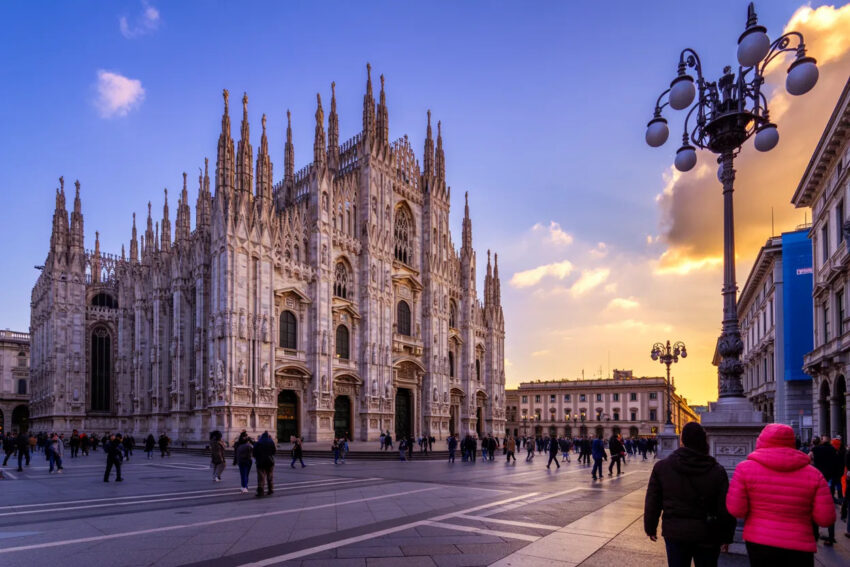
Image generated with Ai
Italy joins England, Germany, Poland, Austria, Czechia, Latvia, Lithuania, and more countries as Europe’s leading destination for slow travel and cultural tourism, offering travellers a rare chance to immerse themselves in history, nature, and heritage at an unhurried pace. With ancient walking routes winding through charming villages, historic pilgrimages tracing centuries-old spiritual paths, and scenic landscapes that blend mountains, rivers, and coastline, Italy has become a top choice for explorers seeking meaningful experiences. Heritage sites, from Roman ruins to Renaissance masterpieces, complement immersive local encounters, creating a holistic travel journey that combines cultural depth, authentic experiences, and the serenity of slow-paced exploration.
Europe’s heart beats along the ancient roads of Italy. For centuries, travellers, pilgrims, and explorers have journeyed through its valleys, mountains, and historic towns, tracing paths that carry the weight of history, culture, and tradition. Today, Italy stands as Europe’s premier slow travel and cultural tourism destination, uniting with England, Germany, Poland, Austria, Czechia, Latvia, Lithuania, and more countries to showcase a continent-spanning network of ancient walking routes, historic pilgrimages, and scenic landscapes that invite travellers to immerse themselves in a truly reflective journey.
Advertisement
Slow travel—the art of moving deliberately, soaking in every sight, sound, and story—has become one of the fastest-growing segments of cultural tourism. Italy, with its five certified transnational walking routes, offers a gateway to this immersive experience. From the Via Francigena to the Via Romea Germanica, each path is steeped in history and heritage, providing both challenge and contemplation for modern explorers.
Italy’s terrain offers diversity unmatched in Europe. Walkers traverse alpine passes, lush valleys, volcanic uplands, and coastal plains. The country’s five certified ancient walking routes include:
Advertisement
These routes bring Italy into a broader European context, connecting with England, Germany, Poland, Austria, Czechia, Latvia, Lithuania, and Estonia, providing a truly international slow travel corridor for cultural explorers.
England historically supplied countless pilgrims walking to Rome. Modern travellers can trace the ancient connections between English cathedral cities and Italian destinations, experiencing centuries of shared religious and cultural history. England’s landscapes—from cathedral towns to countryside villages—serve as the northern anchor of these European slow travel routes.
Germany’s medieval itineraries, including the Via Romea Germanica, highlight its significant role in European pilgrimage culture. Travellers from northern Germany follow routes recorded in the 13th century, descending through Austria into Italy. Germany offers forested valleys, historic towns, and UNESCO-listed sites that provide a rich context for slow travel tourism.
Poland connects the Baltic pilgrim routes to central Europe. Its historical towns, gothic architecture, and centuries-old churches provide scenic and cultural highlights for walkers. The Romea Strata passes through Poland, giving travellers the opportunity to engage with both natural beauty and deeply layered European history.
Advertisement
Advertisement
Austria’s alpine terrain, with its high passes and verdant valleys, forms a critical segment of the Romea Strata and other transnational routes. Walkers experience breathtaking landscapes while passing monasteries and heritage towns, blending adventure and culture seamlessly.
Czechia’s cobblestone streets, fortified towns, and gothic cathedrals offer a quintessential European slow travel experience. The country forms a natural corridor for pilgrims coming from the north before reaching Italy’s cultural heartlands.
The Baltic Arc—comprising Lithuania, Latvia, and Estonia—is emerging as a popular multi-country slow travel circuit. Visitors explore medieval architecture in Riga and Tallinn, vibrant art scenes in Vilnius, and the untouched natural beauty along the coastlines. These countries provide an authentic, reflective alternative to mass tourism in southern Europe. The ease of travel with a single visa across these three nations allows a seamless cultural and historical experience. Amber beaches, UNESCO heritage sites, and the Baltic Sea’s tranquility make the Arc an enriching addition to Europe’s walking routes.
What sets these routes apart is the coordinated European approach, blending multiple countries into interconnected cultural corridors. Walkers start in England or the Baltics, traverse Germany, Poland, Austria, Czechia, Latvia, Lithuania, and Estonia, before finally entering Italy. The result is a contiguous network of heritage sites, sacred pilgrimages, UNESCO landscapes, and immersive cultural experiences.
Slow travel and cultural tourism generate significant economic benefits. Visitors spend longer periods in regions, supporting local accommodations, restaurants, transport, and heritage site maintenance. Italy, along with its partner countries, leverages these routes to foster sustainable tourism, preserve local culture, and provide authentic experiences that appeal to international travellers seeking more than conventional sightseeing.
Italy remains the heart of this European network, offering:
Each region enriches the traveller’s experience, ensuring slow travel is both physically engaging and intellectually rewarding.
Travellers are encouraged to approach these routes with mindfulness. Slow travel emphasizes connection—walking, observing, and engaging with landscapes, heritage, and local communities. Italy and the surrounding countries provide maps, guided tours, and cultural itineraries to support immersive experiences, allowing travellers to enjoy every stage fully.
Italy joins England, Germany, Poland, Austria, Czechia, Latvia, Lithuania, and more countries as Europe’s top slow travel and cultural tourism destination, offering ancient walking routes, historic pilgrimages, scenic landscapes, heritage sites, and immersive experiences that let travellers explore history, culture, and nature at an unhurried, enriching pace.
Italy, in conjunction with England, Germany, Poland, Austria, Czechia, Latvia, Lithuania, and Estonia, leads Europe’s slow travel and cultural tourism movement. Its ancient walking routes, historic pilgrimages, scenic landscapes, and heritage sites offer travellers a chance to immerse themselves fully in Europe’s past and present. These trails are more than pathways—they are gateways to history, culture, and reflective exploration. For those seeking a meaningful journey, Italy’s ancient routes don’t just lead to Rome; they provide a profound reason to walk there.
Advertisement
Tags: European cultural tourism, Heritage and immersive experiences, Historic walking routes, Italy slow travel, Scenic landscapes Europe
Advertisement
Advertisement













Saturday, September 5, 2026

Friday, September 4, 2026

Saturday, September 5, 2026

Saturday, September 5, 2026

Thursday, September 3, 2026

Wednesday, September 2, 2026

Saturday, September 5, 2026

Saturday, September 5, 2026


