
Switzerland Joins Germany, France, Austria, Italy, Spain and the Netherlands as Uber Expands Commercial Robotaxi Service in Zurich, Redefining the Future of Smart Urban Travel Across Europe: Latest Update

Published
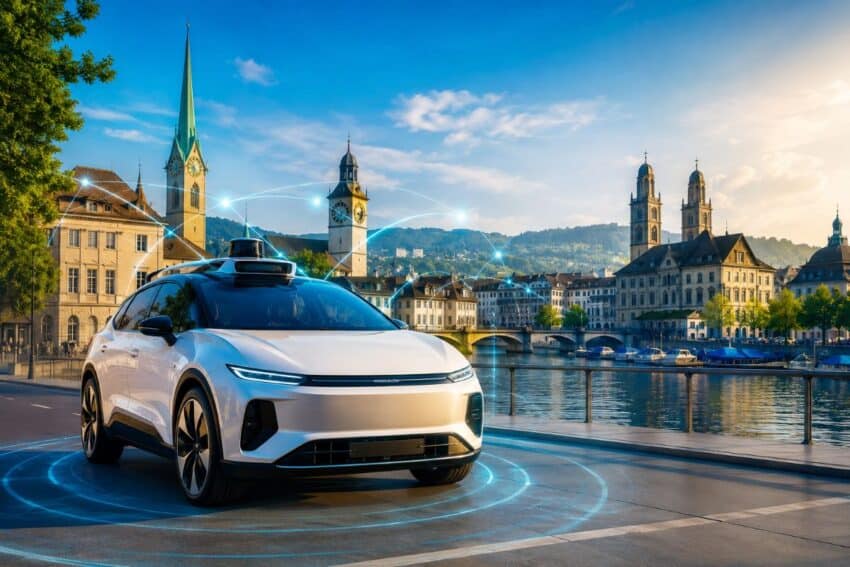
Switzerland is taking another major step toward the future of urban mobility as Uber announces plans to launch a commercial robotaxi service in Zurich, strengthening its autonomous vehicle footprint across Europe. The move places Switzerland alongside Germany, France, Austria, Italy, Spain, and the Netherlands in embracing next-generation transportation technologies that could reshape how both residents and international travelers navigate major European destinations. Zurich, one of Europe’s busiest financial and tourism hubs, is expected to become an important testing ground for safe, efficient, and sustainable autonomous ride-hailing services, enhancing the visitor experience while supporting smarter city transportation.
The expansion represents another milestone in Uber’s growing partnership with autonomous vehicle technology providers as the company accelerates commercialization beyond North America. For the travel industry, the development signals a future where airport transfers, hotel connections, sightseeing routes, and city mobility become increasingly automated, reliable, and available around the clock. As European tourism continues to recover and cities invest heavily in digital infrastructure and sustainable transport, autonomous robotaxis are emerging as an innovative solution that could reduce congestion, improve accessibility, and create seamless journeys for millions of business and leisure travelers visiting Europe’s leading destinations.
Uber Selects Zurich for Its European Robotaxi Expansion
Uber has announced plans to introduce a commercial robotaxi service in Zurich, marking one of its most significant autonomous mobility initiatives in Europe. The expansion reflects the company’s strategy to bring self-driving ride-hailing technology into cities known for advanced infrastructure, high public transport standards, and strong regulatory environments.
Zurich offers an ideal environment for autonomous mobility thanks to its modern road network, digital connectivity, and international reputation as both a financial center and a leading travel destination. Millions of tourists, business executives, and conference delegates visit the Swiss city annually, making efficient urban transportation increasingly important.
Advertisement
Advertisement
Why the Launch Matters for European Travel
For international travelers, autonomous ride-hailing services could significantly simplify local transportation. Visitors often face challenges such as unfamiliar public transport systems, language barriers, or limited taxi availability during peak travel periods.
Robotaxis could offer convenient airport transfers, hotel transportation, sightseeing routes, and business travel without requiring a human driver. The technology also promises improved service availability during late-night hours and major international events hosted in Zurich.
Advertisement
Advertisement
As autonomous mobility expands, travelers may experience shorter waiting times, enhanced route optimization, and digital trip management through familiar ride-hailing platforms.
Uber Strengthens Its European Autonomous Strategy
The Zurich launch forms part of Uber’s broader strategy to commercialize autonomous transportation across multiple global markets through partnerships with self-driving technology developers.
Advertisement
Advertisement
Rather than building autonomous vehicles independently, Uber continues collaborating with specialized companies that provide advanced self-driving systems while Uber manages customer bookings, fleet operations, and mobility services.
This partnership model allows Uber to scale robotaxi deployments more efficiently while adapting to local transportation regulations throughout Europe.
Zurich’s Smart City Vision Supports Future Mobility
Zurich has consistently invested in smart city initiatives that combine digital innovation with sustainable urban development.
Autonomous transportation aligns with Switzerland’s broader objectives of reducing congestion, improving traffic efficiency, and lowering transportation-related emissions. Robotaxis may also complement existing public transport rather than replace it, creating integrated mobility solutions for residents and visitors alike.
Advertisement
Advertisement
As cities worldwide compete to become leaders in intelligent transportation, Zurich’s participation strengthens its reputation as a pioneer in urban innovation.
Benefits for International Tourism
Tourism experts believe autonomous transportation could become an important competitive advantage for destinations seeking to improve visitor experiences.
Travelers arriving in Zurich could enjoy faster airport pickups, more predictable travel times, multilingual digital interfaces, and greater accessibility for elderly passengers or visitors with mobility challenges.
The technology may also support sustainable tourism by improving vehicle utilization and encouraging shared mobility options that reduce private car usage within city centers.
For business travelers attending conferences, exhibitions, and financial meetings, autonomous ride services may provide additional flexibility during busy schedules.
Challenges Before Commercial Deployment
Despite growing enthusiasm surrounding autonomous transportation, several challenges remain before widespread deployment becomes reality.
Advertisement
Advertisement
Regulatory approvals, passenger safety standards, cybersecurity requirements, insurance frameworks, and public trust will all influence the pace of expansion.
European regulators continue developing comprehensive legal frameworks governing autonomous vehicles, while technology providers must demonstrate consistent operational safety under varying weather and traffic conditions.
Successful implementation in Zurich could provide valuable lessons for additional European cities considering similar services.
What This Means for the Future of European Mobility
Uber’s planned commercial robotaxi service represents more than a technology upgrade—it reflects the ongoing transformation of urban transportation throughout Europe.
As artificial intelligence, autonomous driving systems, connected infrastructure, and digital mobility platforms continue evolving, future travelers may increasingly rely on driverless transportation during international trips.
If Zurich’s commercial rollout proves successful, similar deployments could gradually expand into other European tourism and business destinations, accelerating the continent’s transition toward smarter, cleaner, and more efficient mobility ecosystems.
Advertisement
Advertisement
Conclusion
Switzerland’s planned commercial robotaxi launch in Zurich demonstrates how autonomous transportation is becoming an integral part of Europe’s evolving travel landscape. Uber’s continued investment in self-driving mobility highlights growing confidence in advanced transportation technologies that promise safer, more efficient, and sustainable urban travel. For international visitors, business travelers, and local commuters alike, Zurich’s robotaxi initiative could become a model for future mobility across Europe, reinforcing the continent’s position at the forefront of transportation innovation.
Frequently Asked Questions
1. What is Uber planning in Zurich?
Uber plans to launch a commercial robotaxi service in Zurich using autonomous vehicle technology.
2. Why was Zurich selected?
Zurich offers advanced infrastructure, strong digital connectivity, and supportive smart city initiatives.
3. What is a robotaxi?
A robotaxi is an autonomous vehicle capable of transporting passengers without a human driver.
4. How could tourists benefit?
Visitors may enjoy convenient airport transfers, easier city travel, and improved mobility services.
5. Will robotaxis replace traditional taxis?
They are expected to complement existing transport options rather than completely replace them.
Advertisement
Advertisement
6. Is autonomous transportation safe?
Commercial deployment requires strict regulatory approvals and extensive safety testing.
7. Does Uber build autonomous vehicles?
Uber primarily partners with autonomous vehicle technology companies instead of manufacturing the vehicles itself.
8. Could other European cities follow Zurich?
Yes. A successful launch may encourage expansion into additional European destinations.
9. How does this support sustainable travel?
Autonomous mobility can improve traffic efficiency, encourage shared rides, and reduce congestion.
10. Why is this important for Europe’s travel industry?
The initiative showcases how emerging mobility technologies can enhance urban transportation, improve visitor experiences, and support smarter tourism infrastructure across Europe.
Advertisement
