
Venice in Italy Is Now Considering a Higher Tourism Fee as It Seeks Better Travel and Fewer Crowds in 2027

Published
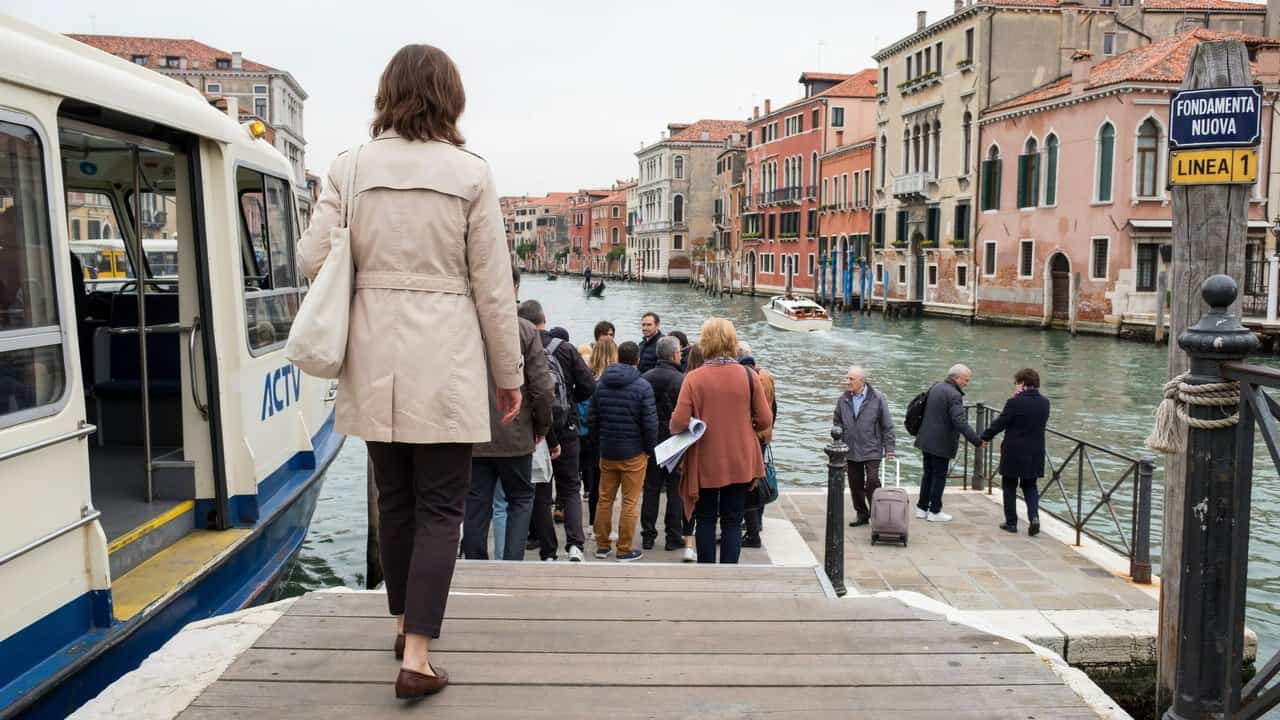
Image generated with Ai
Venice is considering raising its day-visitor charge to as much as €30 in 2027 and applying it across a longer period, as municipal authorities seek a stronger response to crowding in the historic centre. The Venice Higher Tourism Fee remains a proposal rather than an approved rule. The confirmed 2026 trial ended on 26 July after operating on 60 selected dates. Travellers currently face no confirmed 2027 price, calendar or booking requirement and should wait for formal municipal decisions before changing or paying for future plans.
Proposed Increase Is Primarily a Destination-Management Story
The evidence breakdown below separates the central public-policy proposal from its likely travel effects and unrelated immigration questions. The percentages are an editorial assessment based on the amount, strength and importance of the verified evidence; they are not official statistics. The Tourism Fee discussion is overwhelmingly about managing day-trip demand rather than changing national entry conditions.
| News Component | Share of Story | Officially Verified Finding | Relevance to Travellers |
|---|---|---|---|
| Destination management and public policy | 45% | The 2026 trial ended on 26 July, and any application after 2026 requires further municipal approval | A future scheme could determine which dates and hours require payment |
| Visitor costs and booking | 30% | The 2026 charge was €5 with earlier payment and €10 during the final three days before access | A proposed maximum of €30 could increase the cost of some day trips if approved |
| Tourism operations | 20% | Day visitors had to register and retain a QR-coded voucher on chargeable dates, subject to exclusions and exemptions | Excursion organisers, groups and independent visitors may need earlier planning |
| Visas and passports | 5% | No municipal announcement changes Italian visas, passports or Schengen admission rules | International border requirements remain separate from the local charge |
| Total | 100% | Editorial allocation of the verified story | The direct issue is local visitor management |
Current Situation Requires a Clear Proposal-versus-Policy Distinction
The official portal states that the 2026 trial is complete and that no payment or exemption procedure applies until new provisions enter into force. It also says the competent municipal bodies must approve any future scheme. Consequently, the Venice Higher Tourism Fee cannot yet be treated as an operating charge for 2027. Reports that present €30 as a settled admission price omit the most important qualification: the amount, calendar, hours, boundaries and eligibility rules remain unresolved.
For travellers, the immediate position is straightforward. No one should purchase a supposed 2027 access voucher through an unofficial seller or assume that a future trip automatically attracts the suggested maximum. Visitors should continue to budget for ordinary transport, accommodation and attraction costs while monitoring the official municipal portal. Once a formal decision is published, day visitors will need to check their date, entry time, destination area and exemption status.
Why the Proposed Change Matters to Travellers and Tourism
The Venice Higher Tourism Fee matters because it could materially change the economics and timing of short visits to one of Europe’s busiest historic destinations. A €30 ceiling would be three times the 2026 late-booking charge and six times its advance rate. For families, coach groups and shore excursions, that difference could influence whether a trip is booked, moved to a quieter date, scheduled outside chargeable hours or converted into an overnight stay.
Its significance is international even though the measure is municipal. Venice receives visitors from across the world, and any stronger system would affect tour packaging, excursion disclosures, group administration and advance planning. Accommodation providers could benefit if some day visitors stay overnight, while businesses dependent on daytime volume might see spending shift between dates. The measure could improve the visitor experience if it reduces severe congestion, but price alone cannot address transport capacity, waste, housing pressure and resident needs.
Advertisement
Advertisement
Chronology Shows How the Access-Charge Experiment Expanded
The access system began as a limited municipal experiment in 2024, when selected peak dates carried a €5 day-visitor charge. It continued in 2025 with more chargeable days and a two-level price that rewarded advance payment. The programme expanded again in 2026 to 60 dates from 3 April through 26 July. On those dates, the Tourism Fee applied from 8:30 a.m. until 4 p.m.; payment was €5 by the fourth-last day before entry and €10 during the final three days.
The 2026 framework required liable day visitors to register before entering the historic centre and retain a QR-coded voucher for possible checks. No charge applied after 4 p.m., before 8:30 a.m. or on dates outside the official calendar. The experiment concluded on 26 July. Subsequent discussion introduced a possible maximum of €30 and a longer seasonal application, but neither has completed the approval process needed to become a 2027 obligation.
Advertisement
Advertisement
How Crowding and Limited Price Deterrence Shaped the Proposal
The immediate trigger behind the Venice Higher Tourism Fee proposal is the municipal assessment that the existing €5 and €10 levels may be too low to discourage arrivals during periods of exceptional pressure. That explanation has been publicly reported from within the city administration, while the official portal confirms the lower 2026 structure and the need for new approval after the trial. The proposed higher ceiling is therefore connected to crowd management, but its exact design remains a policy question.
Peak Demand Is the Direct Policy Concern
Day visitors can place concentrated pressure on pedestrian routes, public transport, waste services and heritage areas within a few hours. The policy seeks to redistribute that demand rather than prohibit access. A stronger price could encourage earlier booking, quieter travel dates or entry outside the busiest period. Whether it works will depend on the selected dates, booking thresholds, enforcement and the sensitivity of travellers to additional cost.
The 2026 Model Provides the Operational Background
The previous system used advance-purchase incentives, specified hours, a mapped charging zone and digital evidence. It did not cover every part of the municipality. Travellers remaining within designated transport areas without entering the historic centre were outside the charge, while minor lagoon islands such as Murano, Burano, Torcello and the Lido were excluded from the 2026 trial. Future rules must state whether these boundaries will continue.
Exemptions Could Change the Real Impact
In 2026, tourists staying in registered accommodation within the municipality were exempt from the access charge because they were covered by the separate overnight-tax framework, although they generally needed exemption evidence. Children under 14 were excluded, and exemptions or exclusions covered Veneto residents and several qualifying groups connected with work, study, health, property or family visits. These provisions limited the measure mainly to chargeable day tourism.
None of those categories should be carried forward automatically. The city may retain the model, revise documentation or change individual exemptions. An exemption also did not always mean freedom from formalities: some visitors still needed a voucher or declaration. This distinction will matter to hotels, tour operators and travellers if the scheme returns with higher prices or more application dates.
What Happens Next Before Any 2027 Charge Takes Effect
The next step is a formal municipal decision setting the calendar, daily hours, geographical scope, price bands, advance-purchase deadlines, exemptions, registration system and controls. Coordination with the national government may also be required for elements that exceed the city’s existing authority. Officials must clarify whether €30 would be a standard late-booking amount or a ceiling activated only when reservations pass a defined threshold. Until those details are formally adopted, the Tourism Fee remains a proposal.
Travellers should rely on the updated municipal calendar and rules rather than preliminary reporting. The practical sequence will be to check whether the travel date is covered, determine whether the visitor is liable or exempt, complete the official procedure and retain the required evidence. The measure has no confirmed effect on visas, passport validity or Schengen admission. Its eventual success should be judged by whether it redistributes peak crowds and improves conditions for residents and visitors, not simply by the revenue collected.
Advertisement
