
Riyadh Aligns Dubai, and More in Boosting GCC Business Tourism Sector with Massive Investment in MICE Infrastructure, Events and Strategic Measures in 2026

Published
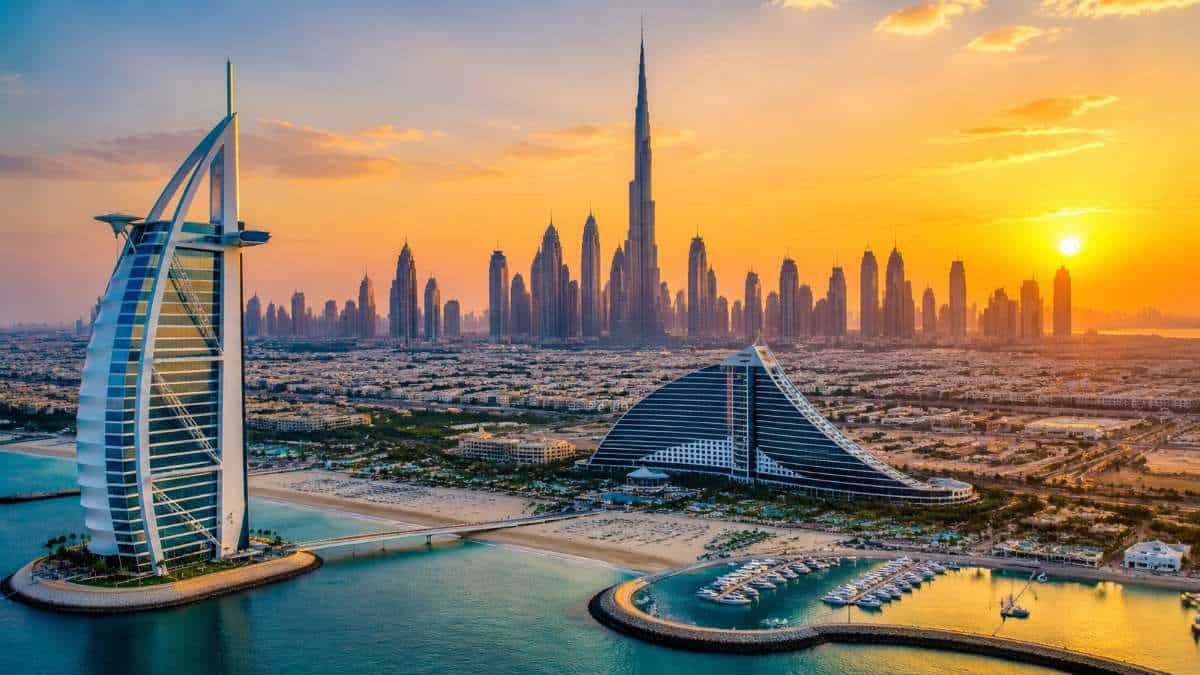
Image generated with Ai
The GCC Business Tourism Sector is undergoing a profound transformation in 2026, driven by unprecedented state-backed investments across Riyadh, Dubai, Abu Dhabi, and Doha. As the Middle East accelerates its post-oil economic diversification strategies, the Meetings, Incentives, Conferences, and Exhibitions (MICE) industry has emerged as a cornerstone of long-term sustainable growth. From colossal convention centres to the groundbreaking rollout of the unified Gulf tourist visa, regional governments are reshaping the global events landscape. This in-depth report explores how massive infrastructure projects, strategic policy overhauls, and fierce yet complementary rivalries are turning the Arabian Peninsula into the world’s premier corporate destination.
Background: The Strategic Pivot Towards the GCC Business Tourism Sector
For the better part of the late twentieth and early twenty-first centuries, the economic narrative of the Arabian Peninsula was inextricably linked to the exportation of hydrocarbons. The immense wealth generated by oil and gas reserves built modern metropolises from the desert sands, funding rapid urbanisation and establishing sovereign wealth funds of unprecedented scale. However, regional leadership has long recognised the inherent vulnerabilities of relying on finite resources subject to the volatile fluctuations of global commodities markets. This realisation birthed a series of ambitious, nation-redefining master plans—most notably Saudi Arabia’s Vision 2030, the Dubai Economic Agenda (D33), the Abu Dhabi Tourism Strategy 2030, and Qatar’s Third National Development Strategy (NDS3).
Central to all these visionary blueprints is the aggressive expansion of the GCC Business Tourism Sector. The Meetings, Incentives, Conferences, and Exhibitions (MICE) industry has been identified not merely as a lucrative revenue stream, but as a critical macroeconomic catalyst. Unlike leisure tourism, which can be seasonal and highly susceptible to discretionary spending shifts, business tourism offers a stable, high-yield demographic. Corporate delegates typically spend significantly more per capita than standard holidaymakers, and their presence stimulates a powerful multiplier effect across the aviation, hospitality, retail, food and beverage, and local transportation sectors.
By 2026, the region has definitively transitioned from the planning phase to the execution phase. The post-pandemic recovery has fully crystallised into a period of aggressive, structural expansion. Geographically blessed at the crossroads of Europe, Asia, and Africa, the Gulf states are leveraging their strategic location to intercept global corporate traffic. The massive investments pouring into the GCC Business Tourism Sector are designed to create a self-sustaining ecosystem where world-class venues, frictionless visa regimes, and cutting-edge digital infrastructure seamlessly integrate to host the world’s most significant commercial and political dialogues.
Advertisement
Advertisement
The Macroeconomic Imperative of MICE
The strategic pivot towards the MICE industry is fundamentally an exercise in future-proofing. As global momentum shifts towards renewable energy and net-zero emissions, the Gulf states are urgently building alternative economic engines. The GCC Business Tourism Sector facilitates foreign direct investment (FDI), fosters knowledge transfer, and accelerates the development of local human capital. When a major medical congress, a fintech summit, or an artificial intelligence exhibition is hosted in Riyadh or Dubai, it brings global thought leaders, cutting-edge technology, and venture capital directly to the region’s doorstep. This cross-pollination of ideas is essential for nurturing the domestic knowledge-based economies that regional governments are desperate to cultivate.
Furthermore, the MICE industry is highly labour-intensive, requiring a vast ecosystem of event organisers, logistics specialists, hospitality staff, audiovisual technicians, and marketing professionals. This aligns perfectly with the demographic realities of the GCC, where a large, youthful population requires the creation of millions of high-quality, private-sector jobs in the coming decades.
Advertisement
Advertisement
Latest Official Developments: 2026 as the Definitive Year of Expansion
The year 2026 stands as a monumental inflection point for the GCC Business Tourism Sector. This is the year when several multi-billion-dollar infrastructure projects have either come online or reached critical milestones, fundamentally altering the capacity and capability of the region to host mega-events. The competitive dynamics between the four primary hubs—Riyadh, Dubai, Abu Dhabi, and Doha—have created an environment of rapid innovation, where each city is pushing the boundaries of architectural design, sustainability, and delegate experience.
The concept of “venue density” has become a central strategic pillar. It is no longer sufficient to have a single large exhibition hall; modern business tourism requires integrated districts where convention centres, luxury accommodations, entertainment complexes, and rapid transit hubs exist in a cohesive, walkable environment. The massive investments witnessed in 2026 reflect this holistic approach to urban planning, ensuring that the Arabian Peninsula can comfortably accommodate the logistical complexities of multi-day, city-wide congresses that attract tens of thousands of international participants.
Advertisement
Advertisement
The United Arab Emirates: Unrivalled Dominance in the MICE Ecosystem
The United Arab Emirates continues to be the undisputed vanguard of the GCC Business Tourism Sector. Armed with a first-mover advantage and an internationally renowned aviation network, the UAE has cultivated a highly sophisticated events industry. As of 2026, the UAE MICE market has reached an estimated valuation of $6.69 billion, and it is confidently projected to grow at a compound annual growth rate (CAGR) of 8.9%, targeting an extraordinary $12.14 billion by 2033. This growth is heavily concentrated in the emirates of Dubai and Abu Dhabi, each pursuing distinct but complementary strategies.
Dubai’s Record-Breaking Performance and D33 Alignment
Dubai’s strategy is inextricably linked to the Dubai Economic Agenda (D33), which aims to double the size of the emirate’s economy and propel it into the ranks of the top three global cities over the next decade. The business events ecosystem is a vital engine for this ambition. The official statistics from the preceding year highlight the staggering scale of Dubai’s operations. In 2025, the Dubai World Trade Centre (DWTC) welcomed a record-breaking 2.97 million attendees across its venues, representing a 12% year-on-year increase. Specifically, within the MICE segment, DWTC hosted 134 major events that attracted 2.19 million participants, marking an 8% annual growth.
Crucially for the local economy, the international appeal of these events remains remarkably strong. Approximately 951,000 of the MICE participants travelled from abroad, reinforcing Dubai’s role as a truly global, cross-border business platform. The average direct spend per participant in the UAE model currently sits at an impressive $1,170, injecting massive liquidity directly into the hospitality and retail sectors.
To sustain this momentum, Dubai has heavily invested in physical expansion. A major milestone recently achieved was the completion of Phase 1 of the Dubai Exhibition Centre (DEC) at Expo City, which delivered a colossal 140,000 square metres of purpose-built event space. This expansion ensures Dubai possesses the sheer volumetric capacity to host the world’s largest industrial and technological exhibitions, such as the ever-expanding GITEX Global and Gulfood Manufacturing.
Advertisement
Advertisement
Abu Dhabi’s Tourism Strategy 2030 and Cultural Synergies
While Dubai focuses on sheer scale and commercial velocity, the UAE’s capital has adopted a highly curated approach via the Abu Dhabi Tourism Strategy 2030. Officially approved by the Crown Prince, this sweeping initiative aims to boost total visitor numbers to 39.3 million by 2030 and elevate the tourism sector’s contribution to the UAE’s GDP to a staggering AED 90 billion annually.
For the GCC Business Tourism Sector, Abu Dhabi’s investments are transformative. The strategy mandates the creation of 178,000 new jobs and plans to expand hotel room availability from 34,000 to 52,000 by the end of the decade,. The capital has already demonstrated massive momentum in this space, recently recording a 44% surge in MICE events, which brought 960,000 delegates to the emirate and drove a 21% revenue increase in the local food and beverage sector.
The Abu Dhabi National Exhibition Centre (ADNEC) remains the physical heart of this strategy, offering over 153,678 square metres of world-class facilities capable of hosting up to 6,000 participants simultaneously. However, Abu Dhabi’s unique selling proposition lies in its integration of business events with high-end cultural tourism. Delegates attending conferences in the capital are seamlessly funnelled towards world-class intellectual and cultural assets, including the Louvre Abu Dhabi and the Al Hosn Festival, creating a highly sophisticated “bleisure” (business and leisure) offering that few global cities can match.
Saudi Arabia: Riyadh’s Unprecedented Vision 2030 Ascension
If the UAE represents the established powerhouse of the GCC Business Tourism Sector, Saudi Arabia is undoubtedly its most aggressive and rapidly accelerating challenger. The Kingdom’s MICE market size was valued at $3.22 billion in 2025, rose to an estimated $3.54 billion in 2026, and is forecast to climb to $5.65 billion by 2031, representing a formidable 9.82% CAGR.
This explosive growth is the direct result of Vision 2030, a sweeping national transformation programme designed to open the traditionally conservative Kingdom to the world. The Saudi government, heavily backed by the immense capital of the Public Investment Fund (PIF), is constructing business tourism infrastructure on a scale never before seen in human history.
Giga-Projects and Aviation Milestones
The physical landscape of Saudi Arabia is being redrawn to accommodate the future of global business. The Kingdom’s famed giga-projects—including NEOM, Qiddiya, and the Red Sea Project—are not just luxury destinations; they are being purpose-built with integrated, world-class venues designed to host global summits, corporate retreats, and international exhibitions. In the capital, the redevelopment of the UNESCO heritage site at Diriyah is adding profound cultural depth to the Riyadh business ecosystem, providing culturally immersive pre- and post-conference experiences for high-level delegates.
Advertisement
Advertisement
Crucially, Saudi Arabia recognises that the GCC Business Tourism Sector relies entirely on seamless connectivity. To this end, the Kingdom has unleashed massive investments in aviation infrastructure. The master plan for the King Salman International Airport in Riyadh targets a staggering 120 million annual passengers by 2030, incorporating extensive meeting spaces directly within the terminals to facilitate frictionless corporate travel. Furthermore, 2026 marks the highly anticipated commercial launch of Riyadh Air, a new national carrier operating under a PIF mandate to dramatically enhance long-haul connectivity and position Riyadh as a premier hub for premium transfer traffic.
Corporate Stakeholders and the PIF’s Catalyst Role
The composition of the Saudi MICE market reflects its rapid corporate awakening. Within the Kingdom, conferences account for 39.05% of the market share, driven by a voracious appetite for knowledge exchange in sectors like fintech, gaming, and renewable energy. Corporate stakeholders command nearly 56% of the market, illustrating the massive influx of multinational companies establishing regional headquarters in Riyadh. The government’s mandate requiring foreign firms to base their regional operations in the Kingdom to secure state contracts has acted as a massive catalyst, guaranteeing a continuous, high-volume flow of corporate events, board meetings, and industry exhibitions.
Qatar: Doha’s NDS3 Ambitions and Post-World Cup Legacy
Qatar presents a fascinating case study within the GCC Business Tourism Sector. Having successfully hosted the 2022 FIFA World Cup, Doha inherited an extraordinary portfolio of state-of-the-art infrastructure, including a world-class metro system, expanded airport facilities, and a massively inflated inventory of luxury hotel rooms. The strategic challenge for 2026 and beyond has been transitioning this leisure and sports-centric infrastructure into a permanent magnet for global business events.
The Qatari MICE market is currently valued at $2.43 billion in 2026, with ambitious projections expecting it to more than double to $5.25 billion by 2033. These targets are enshrined within the Qatar National Tourism Sector Strategy 2030, which aims to grow total tourism spending to an astounding $11 billion by the end of the decade.
Transforming Infrastructure into MICE Dominance
Under the framework of the Third National Development Strategy 2024–2030 (NDS3), tourism has been officially designated as a vital “Growth Cluster” essential for the diversification of Qatar’s non-oil economy. To capture a larger share of the GCC Business Tourism Sector, Qatar Tourism has aggressively targeted the MICE industry by leveraging facilities like the Doha Exhibition and Convention Center (DECC).
The Qatari government has implemented several strategic measures to reduce friction for corporate event organisers. A notable initiative includes the relaunch of the Hayya platform—originally developed for World Cup fans—which now serves as a streamlined, user-friendly portal for international business travellers to secure fast-track visas. Coupled with an investor-friendly climate that features new e-licensing systems and incentives for foreign business owners, Doha is rapidly positioning itself as a boutique, ultra-premium alternative to the larger hubs of Dubai and Riyadh, specialising in high-level diplomatic, medical, and financial summits.
Advertisement
Advertisement
Strategic Measures: The Rollout of the Unified GCC Tourist Visa
While physical infrastructure and state-of-the-art venues are essential, the most revolutionary development for the GCC Business Tourism Sector in 2026 is undoubtedly the phased rollout of the unified GCC tourist visa. Functioning similarly to Europe’s Schengen system, this landmark policy allows travellers to move seamlessly across all six Gulf Cooperation Council countries—the UAE, Saudi Arabia, Bahrain, Kuwait, Oman, and Qatar—using a single electronic document.
For decades, the fragmented visa landscape was the primary friction point for international event organisers attempting to plan multi-country itineraries. The unified visa, expected to cost between $80 and $120 for a single entry, eliminates redundant bureaucratic hurdles, background checks, and prohibitive fees.
Fuelling the “Bleisure” Phenomenon
The implications for business tourism are profound. A corporate delegate attending a three-day fintech conference in Dubai can now seamlessly extend their trip to explore the cultural heritage of AlUla in Saudi Arabia, or attend a follow-up corporate retreat in the mountains of Oman, without requiring a second visa application. This unprecedented mobility is supercharging the “bleisure” phenomenon across the region. By encouraging extended stays and multi-destination itineraries, the unified visa ensures that the economic benefits of a single major MICE event are distributed across the broader Gulf economy. For international associations and corporate event planners, the ability to market an event that grants attendees access to six distinct sovereign nations dramatically increases delegate registration and overall event appeal.
Economic Implications and Industry Impact
The massive financial injections into the GCC Business Tourism Sector are fundamentally altering the economic architecture of the Middle East. The direct revenues generated by venue rentals, ticketing, and sponsorships represent only a fraction of the total economic footprint. The true value lies in the induced and indirect impacts—the economic multiplier effect.
The Multiplier Effect on Non-Oil GDP
Every international delegate arriving in Riyadh, Dubai, Abu Dhabi, or Doha sets off a chain reaction of localized spending. This capital flows directly into aviation (flights), hospitality (accommodation), ground transport (taxis, luxury transfers), and retail (dining, luxury goods). In the UAE, for example, accommodation alone accounts for a massive portion of the MICE revenue stream, with hotel occupancy rates remaining exceptionally high during major exhibition seasons.
Furthermore, this sector is driving rapid job creation and skills development. As Abu Dhabi’s target of 178,000 new tourism jobs illustrates, the industry requires a massive influx of specialised labour. This necessitates the establishment of local hospitality academies, event management institutes, and culinary schools, thereby uplifting the domestic skill base and providing high-paying, future-proof careers for the region’s youth.
Advertisement
Advertisement
Niche Segments and Technological Integration
As the GCC Business Tourism Sector matures in 2026, there is a distinct shift away from generic trade shows toward highly specialised, niche segments. Governments are actively subsidising and courting events aligned with their national economic visions. Consequently, the region has become a global epicentre for exhibitions focused on Artificial Intelligence, advanced healthcare, digital manufacturing, and green technology.
Additionally, the venues themselves have become showcases of technological integration. From AI-driven crowd management systems and biometric registration to fully immersive hybrid event broadcasting capabilities, the convention centres in the Gulf are establishing the gold standard for how global business will physically convene in the digital age. Sustainability is also no longer an afterthought; aligning with the region’s broader Net Zero targets, modern MICE venues are implementing aggressive waste reduction, solar power integration, and carbon-offsetting programmes to attract environmentally conscious European and North American corporate clients.
Future Outlook: A Collaborative Yet Competitive Era
As the calendar progresses through 2026, the trajectory of the GCC Business Tourism Sector points towards an era of unprecedented global dominance. The sheer scale of sovereign wealth being deployed ensures that the Middle East will possess the most modern, technologically advanced, and capacious events infrastructure on the planet.
While the rivalry between Riyadh, Dubai, Abu Dhabi, and Doha is fierce, it is ultimately complementary. Dubai offers unmatched commercial velocity and established global networks; Abu Dhabi provides sophisticated cultural integration; Riyadh presents the sheer scale and aggressive ambition of a massive, rapidly opening market; and Doha offers ultra-premium, boutique experiences backed by impeccable legacy infrastructure. Unified by the new GCC visa regime, these cities no longer operate as isolated silos but as a deeply interconnected, formidable megaregion.
For the global corporate world, the traditional MICE capitals of Europe and North America now face an incredibly well-funded, highly strategic competitor. By continually removing logistical friction, investing billions in physical and digital infrastructure, and aligning business events directly with national economic survival, the Gulf states are ensuring that the future of global commerce will be discussed, debated, and decided upon Arabian soil.
Advertisement
