
How Earthquake-Hit Regions in Colombia Are Transforming Into Ecotourism Paradigms

Published
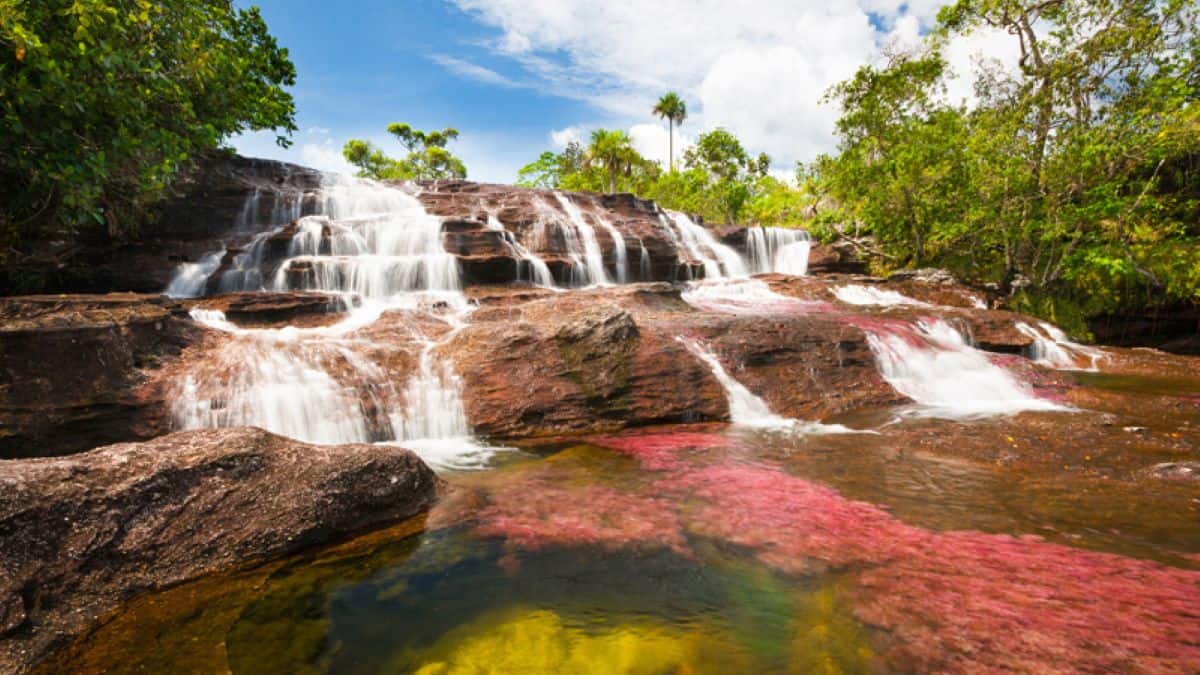
Colombia, a country known worldwide for its astounding biodiversity and dramatic topographic diversity, has been plagued historically by serious geological challenges. Historic devastating earthquakes have periodically fractured rural economies and vulnerable communities, especially along the Andean corridors and the iconic Coffee Cultural Landscape. But a radical socio-economic transformation is in progress. Nature tourism is now a strong engine of regional recovery, turning formerly vulnerable disaster zones into living examples of sustainable development, community resilience and active ecological stewardship.
Natural disasters can devastate rural landscapes for decades and traditional economic staples like coffee growing and subsistence farming are often hard-hit. Faced with these challenges, local cooperatives, regional governments and international conservation partnerships have strategically redirected their focus towards ecotourism. These areas are successfully rebuilding their financial bases by taking advantage of lush cloud forests, high levels of endemism and dramatic mountain topographies. Increasingly, travellers are seeking out places that offer the opportunity to experience unspoiled wilderness but also have a discernible ethical purpose. Every dollar spent by a visitor goes directly to community rehabilitation, habitat restoration and upgrading of critical local infrastructure.
Advertisement
Advertisement
Rebuilding Infrastructure and Empowering Communities
The revitalization of earthquake-affected territories depends heavily on the thoughtful integration of sustainable tourism master plans. Official data compiled by the Colombian Ministry of Commerce, Industry, and Tourism, alongside reports from the National Administrative Department of Statistics (DANE), highlight a steady, upward trajectory in visitor arrivals to regions historically impacted by seismic activity. Financial resources generated through tourism taxes and park fees are meticulously channelled into infrastructural projects. These include the construction of eco-lodges engineered with advanced, earthquake-resistant bamboo and timber frameworks, alongside the enhancement of rural access roads, bridges, and interpretive trail networks.
Community-based tourism initiatives have proven exceptionally effective in fostering long-term regional stability. Local residents, who were previously reliant on volatile agricultural yields, are now being trained as certified naturalist guides, conservation specialists, and hospitality operators. This professional diversification protects households against future economic shocks caused by natural hazards while simultaneously instilling a deep sense of civic pride. Furthermore, educational workshops focused on biodiversity monitoring, foreign languages, and sustainable waste management are regularly integrated into community programmes, ensuring that the local population remains at the forefront of the tourism economy.
Advertisement
Advertisement
Conservation as a Shield Against Vulnerability
Beyond immediate financial relief, nature tourism in seismic zones plays an indispensable role in broader ecological conservation. Reforestation projects, wildlife corridor creation, and watershed protection initiatives are largely financed through ecotourism revenue streams. Dense, healthy forests act as natural stabilizers for steep mountainous terrains, significantly mitigating the risks of secondary disasters such as destructive landslides following seismic tremors. By transforming fragile hillsides into protected ecological reserves and community-managed parks, regional stakeholders ensure that land use remains sustainable, protecting endemic flora and fauna while safeguarding human settlements situated in the valleys below.
Travelers who venture off the beaten path are also introduced to vital conservation narratives. Interpretation centres established in reconstructed villages educate visitors about regional geology, seismic safety architecture, and local biodiversity preservation. This immersive educational engagement cultivates a global community of conscious travelers and advocates who continue to support these vulnerable regions long after their vacation concludes. Consequently, conservation is no longer viewed merely as an environmental necessity but as a robust economic shield against future environmental uncertainties.
A Sustainable Future for Colombian Travel
The areas affected by the earthquake in Colombia are on the road to recovery; it’s a work in progress but it’s going in the right direction. Nature tourism has clearly shown that ecological conservation and economic benefits can be achieved together, even in areas that are prone to unpredictable geological activity. When travellers choose to visit these resilient ecosystems, they are joining a much larger movement based on global solidarity, climate adaptation and community-led restoration. The fertile hills of the Andes and the fertile valleys of the coffee zone are inspiring symbols of human resilience, inviting the international community to see firsthand how nature and mankind can heal, rebuild and prosper together.
Advertisement
Advertisement
Advertisement
