
Why the Strawberry Moon Captivates Us: Everything You Need To Know

Published
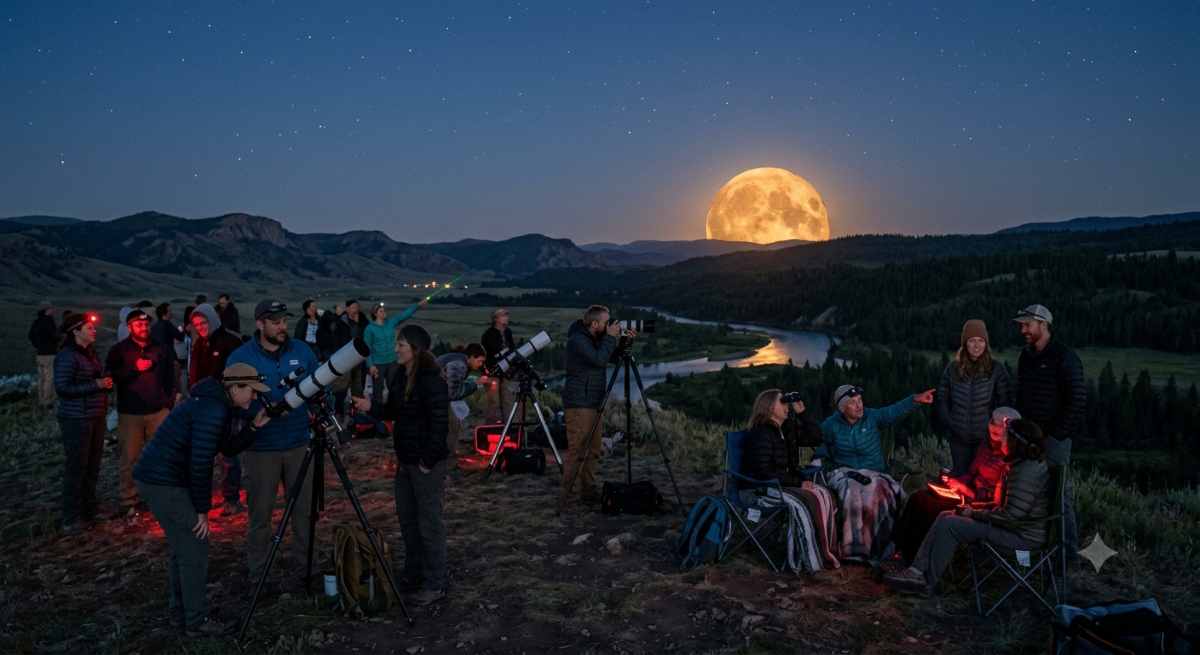
Image generated with Ai
The Strawberry Moon is the first full moon of summer in the Northern Hemisphere. It is observed annually by people across the globe. As this June full moon appears, it brings unique conditions. These conditions distinguish it from other lunar events. Many expect a pink hue. However, the appearance is much more subtle. The name is rooted in history. It connects to ancient traditions. It also relates to atmospheric science.
Background and Context of this Strawberry Moon
The term Strawberry Moon comes from history. Indigenous North American tribes created this name. Specifically, the Algonquian, Ojibwe, Dakota, and Lakota peoples used it. For them, it was a seasonal marker. It signaled when wild strawberries ripened.
Advertisement
Advertisement
In Europe, other names were used. It was often called the Honey Moon. Sometimes it was known as the Mead Moon or Rose Moon. These names reflected the seasonal shifts of early summer.
Astronomically, the 2026 Strawberry Moon peaked on June 29. It occurred shortly after the summer solstice. Therefore, the moon appeared low on the southern horizon. Its path mirrored the sun’s path from six months ago. Because of this, it traced a low arc across the sky. This creates a beautiful visual impact for viewers.
Advertisement
Advertisement
Impact on Travellers and Stargazing
Travelers often seek out natural phenomena. The Strawberry Moon provides a perfect reason for a night trip. Stargazers look for dark-sky locations. They move away from urban light pollution. This allows for a better view of the amber hues.
Advertisement
Advertisement
Because the moon stays low, certain spots are best. Coastal lookouts are excellent. Open prairies work well. Mountain ridges are also favored by enthusiasts.
In North America and Europe, local tourism often increases. Astronomy fans gather in parks. Some visit observatories to watch the event. Hotels in remote areas see more guests. People want to escape city lights. They desire a clear view of the horizon.
June Astronomy Trends
The 2026 event is officially classified by experts as a micromoon. This rare occurrence happens because the moon is positioned near apogee during its orbit. Apogee represents the farthest point from Earth in the moon’s elliptical path. Even though it is physically smaller in the sky, it remains visually significant for observers. This significance is driven primarily by the famous moon illusion. During this phenomenon, the human brain perceives the moon as significantly larger when it is positioned near the horizon. This effect occurs because the brain subconsciously compares the moon to terrestrial landmarks like trees, mountains, or buildings.
Market Trends and Retail Growth
Industry experts have observed distinct consumer trends during these annual June events. As interest in Astronomy reaches its yearly peak, retailers experience a notable surge in demand for specialized gear. The cultural excitement surrounding the Full Moon acts as a catalyst for hobbyist spending. Whether individuals are novice observers or seasoned experts, the desire to capture or study the celestial display drives the market forward.
Key areas where market growth is observed include:
Advertisement
Advertisement
- Optical Equipment Sales: There is a marked increase in the purchase of high-quality telescopes, which allow users to study lunar craters in greater detail during the Strawberry Moon.
- Binocular Demand: Many people opt for versatile binoculars, which provide a broader field of view for casual Stargazing sessions away from city lights.
- Photography Gear: Enthusiasts frequently invest in professional-grade camera bodies, telephoto lenses, and sturdy tripods to capture the perfect image of the moon as it rises.
- Outdoor Exploration Supplies: Retailers specializing in camping and outdoor gear report higher sales of headlamps, blankets, and portable chairs, as travelers prepare for long nights of observing the June events.
- Educational Resources: There is a rise in the acquisition of star charts, mobile astronomy applications, and educational books that help the public understand the science of the Full Moon.
This sustained interest provides a substantial seasonal boost to retailers specializing in optics and outdoor exploration. By aligning inventory with these peak Astronomy dates, businesses can effectively meet the needs of a growing community of skywatchers. Ultimately, the Strawberry Moon serves not only as a natural wonder but also as a significant driver for the recreational and scientific equipment industries.
Practical Information for Astronomy Fans
Watching the Strawberry Moon is quite simple. No expensive equipment is needed. However, these tips will improve the experience:
- Time it right: Watch within the first hour of moonrise. The atmosphere filters the light then. It creates gold or deep orange colors.
- Pick a spot: Find an unobstructed view of the southeastern horizon. Rooftops or hills work well.
- Understand the light: The moon’s light travels through more atmosphere. This scatters blue light. Only the warm colors reach your eyes.
- Capture the moment: Use a tripod for photos. Manual settings help with the light intensity.
The Strawberry Moon happens every year. However, 2026 is unique. It is a low-arc micromoon. In other years, it might coincide with perigee. This makes it a supermoon. The timing relative to the solstice also changes. Sometimes it sits higher in the sky.
Digital calendars have changed the experience. Social media helps spread the word. Once, this was a local harvest marker. Now, it is a global date for astronomy.
Agencies now provide better outreach. They explain the science to the public. They also dispel common myths. Many people used to believe the moon would change color. Now, the facts are widely known.
As the 2026 Strawberry Moon fades, we reflect on the cosmos. It reminds us of our connection to nature. Whether viewed for history or science, it serves a purpose. It grounds us in the rhythm of the year. This annual event continues to inspire wonder. It brings people together under the night sky.
Advertisement
