
New Orleans Tourism Shines as the City Delivers an All-Ages Family Travel Experience Across Historic French Quarter, Uptown, City Park and Exciting Day Trips Beyond City Limits

Published
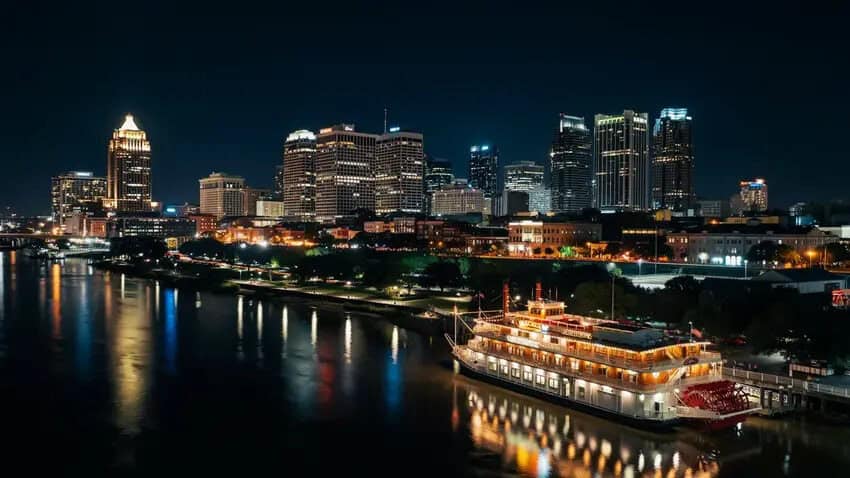
New Orleans is being positioned as a standout family tourism destination because it offers a rare, fully integrated travel experience where history, culture, nature, and adventure are seamlessly combined across multiple districts. The city delivers an all-ages journey that moves from the historic French Quarter and its cultural landmarks to the recreational landscapes of City Park, the vibrant Uptown entertainment and wildlife zones, and further into thrilling day trips beyond city limits. This layered tourism structure ensures that every generation finds something engaging at every stage of the visit, making New Orleans a complete and diverse travel destination rather than a single-attraction city.
A five-day family tourism framework across New Orleans reflects how the city has evolved into a layered cultural destination where heritage, leisure, nature, and interactive learning are embedded into a single urban experience. The destination is often described in tourism studies as a multi-generational environment, where different age groups are engaged simultaneously without requiring separate itineraries. Across historic quarters, riverfront corridors, museum districts, city parks, and surrounding eco-adventure zones, a continuous pattern of experiential travel is created. This structure allows visitors to move through the city in phases, each day contributing to a broader narrative of culture, history, and recreation.
Advertisement
Advertisement
Historic Core and Riverfront Identity as the Foundation of Visitor Engagement
The experience within the historic French Quarter is widely regarded as the foundational layer of tourism in the city, where cultural continuity is preserved through architecture, street life, and culinary tradition. Visitor movement in this district is shaped by pedestrian exploration, where public squares, heritage landmarks, and religious monuments are closely interconnected within walkable distance. The atmosphere is defined by constant public interaction, street performances, and visible cultural expression, which collectively reinforce the identity of the destination as a living heritage environment rather than a static historical site.
Along the riverfront, structured cruising experiences along the Mississippi River are integrated into tourism flows as interpretive journeys rather than simple transport-based excursions. These river routes are designed to connect urban spaces with historically significant battlegrounds and preserved national heritage zones. Onboard experiences often incorporate regional cuisine influenced by Creole traditions, allowing cultural identity to be communicated through food alongside landscape interpretation. Elevated viewing platforms and panoramic observation spaces further extend the visual framing of the city, reinforcing the relationship between geography, history, and urban development.
Advertisement
Advertisement
Museum Networks as Systems of Cultural Transmission
Within the second phase of the tourism experience, museum institutions operate as structured systems of cultural transmission. In community-based cultural centres, intangible heritage is preserved through material displays such as ceremonial attire, musical traditions, and oral storytelling formats. These institutions are designed to maintain continuity between historical practice and contemporary interpretation, ensuring that cultural identity remains visible and accessible to diverse audiences.
Large-scale historical museums within the city function as immersive educational environments where global and national narratives are reconstructed through multimedia installations, cinematic presentations, and interactive exhibits. These spaces are not designed solely for observation but for participation, where visitors are positioned within reconstructed historical contexts. The use of sensory engagement tools, including film-based environments and simulated scenarios, transforms historical learning into experiential interpretation.
Advertisement
Advertisement
Food heritage institutions contribute another layer of cultural documentation, where culinary evolution is presented as a historical process shaped by migration, trade, and regional adaptation. Demonstration-based learning environments and participatory cooking sessions allow culinary traditions to be examined as living cultural systems rather than static exhibits. Beverage heritage centres further expand this interpretation by tracing the historical development of regional drinks and social customs associated with them. These institutions collectively position gastronomy as an essential component of cultural identity formation.
Urban Green Infrastructure and Recreational Ecosystems
The third phase of the tourism structure is concentrated within New Orleans City Park, which functions as a hybrid space combining ecological preservation, recreational design, and cultural infrastructure. Within this environment, museums, sculpture gardens, botanical landscapes, and recreational zones are co-located, allowing multiple forms of engagement to occur within a single spatial framework.
Cultural institutions within the park environment provide contrasting experiences, where visual arts, natural sciences, and interactive learning coexist. This integration allows for parallel engagement between educational content and recreational activity. Outdoor installations and landscaped environments further reinforce the relationship between art and nature, where curated spaces are embedded within ecological settings.
Recreational systems within the park include movement-based experiences such as cycling networks, lake-based navigation, and miniature transport systems. These elements introduce kinetic engagement into the tourism experience, ensuring that visitors interact physically with the environment. Family-oriented leisure infrastructure is designed to distribute activity across multiple zones, reducing congestion while maintaining continuous engagement throughout the day.
Urban Lifestyle Districts as Expressions of Contemporary Cultural Identity
In the Uptown district, tourism transitions into a more contemporary urban framework where wildlife conservation, retail culture, transport heritage, and dining ecosystems intersect. Large-scale zoological environments are structured around habitat replication principles, where biodiversity is presented through immersive ecological design. Conservation messaging is integrated into visitor pathways, reinforcing environmental awareness alongside recreational observation.
Urban transport heritage is preserved through historic streetcar systems, which function as both mobility infrastructure and cultural artefacts. These transport routes provide a linear interpretation of the city’s urban development, linking residential, commercial, and cultural zones through a continuous corridor of movement.
Advertisement
Advertisement
Retail and dining corridors within the district represent contemporary cultural expression, where local and global influences merge in commercial environments. Culinary diversity is reflected through casual dining establishments and modern fusion concepts, while entertainment venues contribute to the city’s reputation as a live-performance destination. This district demonstrates how tourism and everyday urban life are interwoven rather than separated.
Peripheral Eco-Adventure Systems and Extended Regional Tourism
Beyond the urban core, tourism expands into surrounding ecological and regional systems where adventure-based and nature-oriented experiences dominate. Aerial adventure parks and zipline systems are integrated into natural landscapes, transforming geographical features into structured recreational environments. These installations are designed to provide controlled interaction with elevated terrain while maintaining environmental integration.
Wetland ecosystems surrounding the city form the basis for guided swamp-based tourism, where watercraft navigation is used to interpret biodiversity and ecological balance. These environments function as living laboratories where wildlife observation and environmental education are combined within a single experiential format.
Additional regional attractions, including science centres and state heritage institutions, extend the interpretive scope of tourism beyond leisure into educational and civic domains. These institutions provide broader context to the region’s scientific, industrial, and historical development, reinforcing the interconnected nature of tourism, education, and regional identity.
New Orleans stands out as a leading family tourism destination because it combines historic neighbourhoods, cultural museums, green parks and adventure day trips into one seamless travel experience that keeps all age groups engaged throughout the journey.
The structured tourism ecosystem associated with New Orleans demonstrates a model of integrated destination planning where cultural heritage, natural environments, urban infrastructure, and recreational systems operate as interconnected layers. Rather than functioning as isolated attractions, each component contributes to a continuous experiential framework that supports multi-generational engagement. This layered structure reflects a broader trend in contemporary tourism development, where destinations are increasingly evaluated not by individual landmarks but by the coherence of their overall experiential design.
Advertisement
