

Saudi Arabia Travel Disrupted as Houthi Airport Strikes Trigger Wider Airspace Warnings and Flight Cancellations

Published
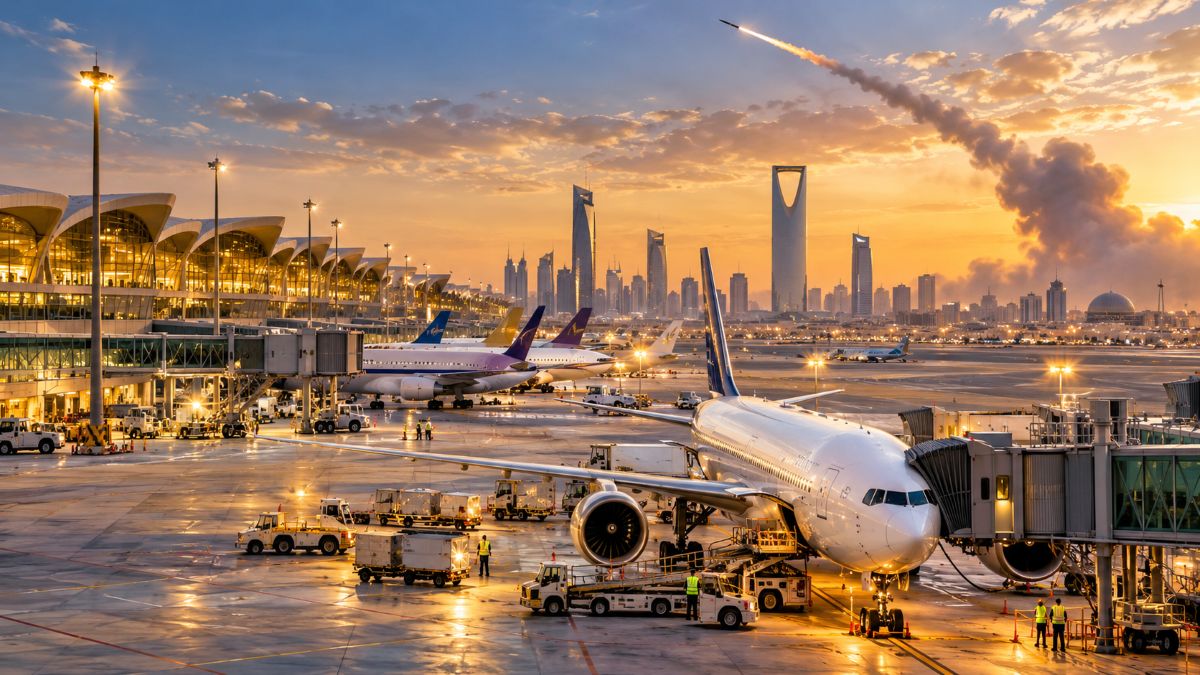
Saudi Arabia is facing heightened aviation security concerns after attacks attributed to Yemen’s Houthi rebels prompted European aviation authorities to expand warnings covering the kingdom’s airspace. The developments have raised fresh questions about airline operations, passenger safety and international connectivity across the Middle East. Riyadh’s King Khalid International Airport temporarily suspended operations following the reported attacks, forcing incoming flights to divert and airlines to cancel services. With missile threats, drone activity and air defence operations creating additional risks for commercial aircraft, travellers are being urged to monitor flight updates and follow official safety guidance before beginning their journeys.
The expanded warning has significant implications for international travel, particularly for passengers connecting through Saudi Arabia or travelling between the Gulf region, Europe and Asia. Several airlines have suspended services to Riyadh and other destinations as aviation operators reassess the risks. An aviation professional network has issued an even broader recommendation against operating flights within Saudi Arabia, including using its airports as emergency alternatives. These developments highlight the vulnerability of regional air transport to escalating security threats. However, restrictions and flight schedules may change rapidly as authorities assess conditions, making confirmation directly with airlines essential for passengers with upcoming bookings.
European Aviation Authorities Expand Saudi Arabia Airspace Warning
European aviation authorities have widened their warning for Saudi Arabian airspace to include northwestern areas following repeated attacks on Riyadh’s King Khalid International Airport. The advisory reflects concerns that the Houthis have demonstrated both the capability and willingness to strike locations deep inside Saudi territory, including the national capital.
The principal concern extends beyond the possibility of a direct strike against an airport. Missile launches, unmanned aerial vehicles and the activation of air defence systems can create hazards for aircraft operating nearby. Commercial pilots may face difficulties distinguishing civilian aircraft from potential threats in a rapidly changing security environment, while intercepted projectiles and falling debris introduce additional dangers.
Advertisement
Advertisement
The expanded advisory is therefore an important consideration for airlines planning routes across the region. Operators must assess changing threat levels, review flight paths and determine whether particular destinations or airspace corridors remain appropriate for commercial services.
OPSGROUP Issues Broader Warning Against Flights Across Saudi Arabia
An aviation professional network known as OPSGROUP has adopted a stricter position, advising its members against all flight operations in Saudi Arabia. Its recommendation also covers the use of Saudi airports as alternate landing locations along flight routes.
Advertisement
Advertisement
The distinction between the two warnings is important for travellers. An advisory covering specified airspace areas does not necessarily amount to a complete closure of an entire country’s airspace. A broader operational recommendation, meanwhile, reflects a more cautious assessment of potential hazards rather than automatically establishing a government-imposed prohibition on every flight.
For airlines, such assessments can influence dispatch decisions, fuel planning, diversion arrangements and the selection of alternative routes. Passengers may consequently experience cancellations or delays even when their intended destination is outside the immediate area affected by an attack.
Riyadh Airport Attacks Raise Serious Security Concerns
The reported attacks have intensified concerns about the safety of one of Saudi Arabia’s most important aviation gateways. Saudi authorities said the latest strike killed at least 12 people and injured 309, with some of the injured reported to be in serious condition.
Those reported killed included Saudi nationals, two Bangladeshi nationals and individuals from the United States, Jordan, Palestine, Syria, Sudan and Egypt. The reported casualties underline the wider human consequences of attacks affecting major transport infrastructure.
The strike reportedly occurred without a prior warning from Saudi Arabia’s alert system and marked the airport’s third attack within a week. Earlier attacks had also caused severe damage to a Saudi commercial aircraft parked on the airport apron.
The Houthis claimed responsibility for the latest strike and had previously acknowledged firing two cruise missiles at the airport. Their reported threats against airlines serving Saudi Arabia have added another layer of uncertainty for carriers, airport operators and passengers.
Advertisement
Advertisement
Flight Cancellations Disrupt International Travel
The suspension of airport operations in Riyadh resulted in incoming flights being diverted and widespread disruption to scheduled services. Several international carriers responded by cancelling flights while assessing the security situation.
Etihad Airways cancelled eight flights between Abu Dhabi and Riyadh. Flydubai suspended services to Riyadh and Yanbu through October 10 and to Abha through October 11, according to the reported announcements. The Lufthansa Group and three Indian airlines also announced immediate cancellations involving Riyadh services.
Flight-tracking data recorded at least 131 cancellations to and from Riyadh by Friday afternoon, following hundreds of cancellations on the preceding day. The figures illustrate how quickly a security incident can affect a major aviation hub and the wider network of connecting services.
| Travel and Aviation Development | Reported Impact |
|---|---|
| Expanded airspace warning | Northwestern Saudi Arabia included in the advisory |
| Riyadh airport operations | Temporarily suspended following attacks |
| Incoming flights | Diverted during the suspension |
| Etihad Airways | Eight Abu Dhabi–Riyadh flights cancelled |
| Flydubai | Services to selected Saudi destinations cancelled through specified dates |
| Flight cancellations | At least 131 recorded to and from Riyadh by Friday afternoon |
| Aviation safety guidance | OPSGROUP recommended avoiding all flight operations in Saudi Arabia |
These developments may affect passengers beyond those travelling directly to Riyadh. Missed connections, aircraft repositioning, altered schedules and reduced seat availability can influence journeys throughout the region. The exact consequences depend on each airline’s operational decisions and the duration of any restrictions.
What Travellers Should Know Before Flying to Saudi Arabia
Passengers travelling to Saudi Arabia should verify their flight status before leaving for the airport. A booking confirmation does not guarantee that a flight will operate when security conditions change, and schedules may be amended at short notice.
Travellers should contact their airline or booking provider to establish whether their service is operating, cancelled or rerouted. They should also check rebooking arrangements, refund eligibility and any accommodation assistance available under the applicable ticket conditions and regulations.
Advertisement
Advertisement
Passengers connecting through Riyadh should pay particular attention to onward flights, as disruption to an incoming service can affect the remainder of an itinerary. Travellers should avoid approaching affected airport areas when local authorities advise against doing so. The United States Embassy in Riyadh advised American citizens to avoid the airport and surrounding areas following the attacks.
Those travelling for business, religious visits, family commitments or tourism should allow for possible delays and retain access to essential travel documents. Official advisories and airline communications should take precedence over assumptions based on previously published schedules.
Regional Aviation Faces Uncertainty Amid Escalating Security Risks
The situation also raises broader questions about aviation resilience across the Middle East. Airports in the region play an important role in connecting international markets, supporting business travel and facilitating tourism. Disruption at a major hub can therefore affect airlines, passengers and associated travel services well beyond the immediate location.
Airlines must balance the need to maintain connectivity with their responsibility to protect passengers and crew. When missile or drone threats increase, operators may decide that cancellations, diversions or longer routes are necessary, even when these measures carry substantial financial and logistical costs.
US President Donald Trump said the United States might join Saudi Arabia in strikes against the Houthis and that he would assess the situation before making a decision. Any further escalation could influence regional security assessments and aviation planning, although the consequences would depend on subsequent developments.
For now, the central issue for travellers remains the reliability and safety of their planned journeys. Saudi Arabia’s airspace warnings, airport disruption and airline cancellations demonstrate how rapidly geopolitical developments can affect international travel. Passengers should continue to check official updates and confirm arrangements directly with their carriers before departure.
Advertisement
Advertisement
Frequently Asked Questions
1. Why has Saudi Arabia’s airspace warning been expanded?
The warning was expanded after attacks attributed to Yemen’s Houthi rebels targeted Riyadh’s King Khalid International Airport, increasing concerns about missile, drone and air defence-related risks to commercial aircraft.
2. Which Saudi Arabian airport has been affected?
King Khalid International Airport in Riyadh has been directly affected by the reported attacks and temporary suspension of airport operations.
3. Have flights to Riyadh been cancelled?
Yes. Several airlines cancelled services to Riyadh, and flight-tracking data recorded at least 131 cancellations to and from the airport by Friday afternoon.
Advertisement
Advertisement
4. Which airlines have announced cancellations?
The reported cancellations involved the Lufthansa Group, Etihad Airways, flydubai and three Indian airlines. The affected routes and operating dates vary by carrier.
5. Are all flights to Saudi Arabia prohibited?
The expanded airspace warning does not automatically mean that every flight is legally prohibited. However, OPSGROUP issued a broader recommendation advising against all flight operations in Saudi Arabia.
6. Are flights to Yanbu and Abha affected?
Flydubai announced cancellations affecting Yanbu through October 10 and Abha through October 11, according to the reported information. Passengers should confirm current schedules with their airline.
Advertisement
Advertisement
7. What should passengers do if their Riyadh flight is cancelled?
Passengers should contact their airline or booking provider to discuss rebooking, refunds and alternative routes. They should also check connecting reservations and avoid travelling to the airport without confirming their flight status.
8. Is it safe to travel to Saudi Arabia at present?
Safety conditions can change rapidly. Travellers should review current government travel advisories, airline notices and instructions from local authorities before deciding whether to proceed with their journeys.
9. Why do missile and drone attacks threaten commercial aviation?
Missiles, drones, air defence interceptions and falling debris can endanger aircraft. Confusion during military operations can also increase the risk of civilian aircraft being misidentified.
Advertisement
Advertisement
10. How could the attacks affect tourism and international travel?
The attacks may cause flight cancellations, delays, diversions and missed connections. Continued disruption could affect tourism, business travel and passenger confidence, depending on the duration and severity of the security situation.
Advertisement
