
Latvia Sets The Record Straight On Travel Charges And Social Media Review Myths Across Historic Riga And Coastal Jūrmala, Find Out Now

Published
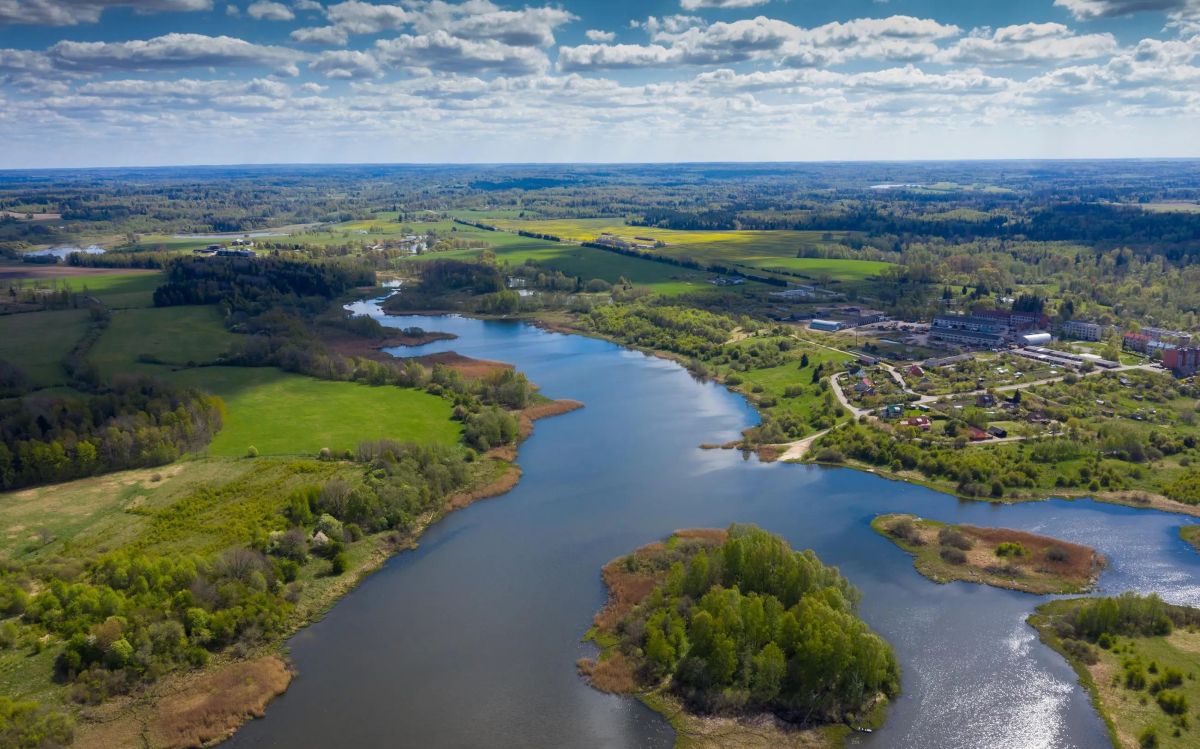
Image Credit latvia.travel
Making tourists write reviews of the 5 cities that Latvia’s government claims that users can then use to organize their travel around Europe sounds like a weird and unnecessary marketing scheme. This story needs to have a dystopian plot-line. There’s no evidence to claim that this was actually caused by the government, but 21st century almost-reality, almost fiction is pretty much a dystopia. It’s fun to see how creative people can be and how people use laws to innovatively fill gaps in society, and this is especially true with social media. These review systems are a creative way to fill the gap that Latvian cities have invented in a creative way. Those who have visited Latvia know about the €1 overnight City charge in Riga and the €5 Coastal Driving charge in Jūrmala. These charges have a system to protect and preserve the Baltic Coast. Behind internet myths, a country that looks practically and innovatively to protect its digital sovereignty and support its unique effort of eco-tourism is at work in Latvia.
Is the Viral Latvia Social Media Review Mandate True for Baltic Visitors?
Unfounded rumors circulating on fringe travel outlets suggest that foreign visitors entering Latvia must post positive online reviews to assist regional economic recovery. Official documentation from the Ministry of Economics and the Consumer Rights Protection Centre clarifies that no such law exists across the nation. Under European Union Directive 2019/2161 and the EU Code of Conduct for Online Ratings, coercive or misleading commercial consumer review mandates are illegal across all member states. Furthermore, attempting to force international tourists into generating artificial promotional content violates basic consumer rights principles designed to safeguard digital integrity online.
Advertisement
Advertisement
Instead of tracking social media platforms, Latvia relies on formal statutory guest safety requirements that have been in place for years. Amendments to the national Tourism Law mandate that hotels, hostels, and short-term rental operators collect standard foreign guest declarations during check-in. These administrative records capture essential details such as passport identity info, stay duration, and document identification numbers. These secure filings are processed physically or electronically via government portals solely for legitimate national security, emergency tracking, and administrative record-keeping purposes without infringing on personal visitor expression.
How Does the Capital City of Riga Collect Its Overnight Tourist Accommodation Charge?
Advertisement
Advertisement
The historic nation’s capital, Riga, introduced an overnight visitor fee to align its municipal funding model with major European travel hubs. Governed by Riga City Council Binding Regulations No. 132, all registered accommodation providers must maintain accurate property logs on the official state portal Latvija.lv and collect small visitor fees directly from staying guests upon arrival. This structured administrative framework ensures complete accounting transparency while preventing local lodging businesses from facing unfair compliance burdens or unrecorded guest levies during peak travel seasons across the capital.
Currently set at a flat €1 per night, the fee is capped at a maximum of €10 for continuous single stays, making long-term visits exceptionally affordable for international travelers. The charge applies universally across all hotels, serviced apartments, hostels, and short-term rentals within Riga’s administrative boundaries. Guests under 18 years of age remain fully exempt from the tax, ensuring family travel remains accessible. Revenue generated from this modest fee directly finances public infrastructure upgrades, historical building conservation in Old Riga, and targeted international marketing initiatives led by regional destination management agencies.
Advertisement
Advertisement
Why Does the Coastal Resort of Jūrmala Require a Special Zone Vehicle Entry Permit?
Located along the picturesque Gulf of Riga, the seaside resort city of Jūrmala operates a long-standing environmental control policy rather than a traditional room occupancy tax. Under municipal binding regulations, drivers operating motor vehicles into Jūrmala’s designated special regime zone must purchase a valid entry pass prior to crossing city lines. This low-emission management scheme prioritizes environmental preservation over room charges, focusing municipal conservation efforts directly on vehicular congestion and coastal habitat protection during high-traffic summer months.
Day permits currently cost €5, while flexible multi-day options range up to €270 for an annual pass, offering flexible terms for regular commuters and frequent coastal travelers. This targeted entry fee deters vehicle gridlock, preserves fragile seaside dune ecosystems, and maintains urban cleanliness throughout the busiest vacation periods. To actively encourage green mobility and accessible travel, zero-emission fully electric vehicles and certified disabled transport vehicles are granted complete exemption from all entry fees, keeping the coastal resort clean, quiet, and environmentally sustainable.
What Travel Charges Apply to Visitors in Sigulda, Liepāja, and Ventspils?
Advertisement
Advertisement
Beyond the capital city and Jūrmala, local visitor fees vary significantly depending on distinct municipal priorities and regional travel volumes. The scenic valley town of Sigulda does not levy a hotel room tax, but it carefully manages seasonal non-resident parking fees near high-demand nature trails, pristine river viewpoints, and historic medieval castles. These targeted parking revenues directly offset local public trail maintenance and infrastructure costs generated by heavy seasonal foot traffic without penalizing overnight hotel guests.
In contrast, the western coastal port cities of Liepāja and Ventspils choose not to impose standalone municipal tourist levies or driving entry fees on incoming travelers. Accommodations in these active Baltic coastal ports operate under standard national Value Added Tax rules without extra administrative layers. Revenues generated from general commercial business activity feed into local municipal budgets, supporting public urban spaces, expansive beach facilities, and cultural heritage sites while keeping overall lodging costs straightforward and low for visiting travelers.
How Do Official Travel Charges Impact the Broader Baltic Tourism Economy?
Modest municipal levies in Riga and Jūrmala contribute directly to sustainable regional growth without burdening domestic or international travelers with exorbitant fees. By avoiding the aggressive over-tourism taxes found in Western European destinations, Latvia remains an affordable Baltic destination while successfully generating dedicated funding for public transport networks, beach upkeep, and medieval building preservation. The balanced economic model ensures that incoming travel traffic actively supports host infrastructure rather than straining local municipal resources.
Furthermore, these clear financial policies ensure that economic returns directly benefit host communities across Sigulda, Liepāja, and Ventspils. Complete regulatory transparency regarding local travel fees helps preserve long-term visitor trust, reinforcing Latvia’s global reputation as an authentic, cost-effective, and welcoming Baltic destination. By protecting consumer rights online and maintaining clear public levies on the ground, the country continues to balance vibrant international tourism with local civic sustainability.
Macroeconomic Reality: How Much Revenue Does International Tourism Generate for Latvia’s Economy?
Advertisement
Advertisement
International tourism serves as a major economic pillar for Latvia, generating substantial cross-border revenue while supporting regional infrastructure. Accommodation providers across the nation logged over 2.8 million total guests, marking a robust rebound in mobility. Total economic output from the travel sector historically hovered near $1.057 billion (~€970 million), with steady post-recovery growth pushing annual travel-generated receipts back toward €1.1 billion.
Foreign visitors constitute the primary engine driving this economic output, particularly during the summer peak. Non-resident travelers account for 60.7% of all recorded tourist arrivals during peak months, filling hotels and boosting hospitality spending. This sustained inflow directly funds urban heritage conservation and helps maintain public services across the country.
Regional Breakdown: Which International Markets Drive Visitor Arrivals in Major Latvian Cities?
Inbound travel to major Latvian destinations remains heavily anchored by neighboring European nations and key Western European markets. Lithuania stands as the largest foreign source market, contributing approximately 46,600 visitors per month during peak summer periods. Germany follows closely with 29,300 monthly arrivals, while Estonia (28,400), Poland (13,600), and the United Kingdom (10,400) round out the top origin markets.
Western European markets demonstrate notable year-on-year expansion within Latvia’s main urban centers. Arrival growth from Italy jumped by +21.3%, while visitors from the United Kingdom increased by +18.7%. These inbound flows funnel directly into municipal tourism channels, concentrating primarily in hotel bookings throughout Riga and Jūrmala.
Length of Stay Analytics: How Many Nights Do Foreign Visitors Spend in Baltic Accommodations?
Advertisement
Advertisement
Despite high visitor volumes, foreign travelers generally maintain brief itineraries when exploring Latvia. Official accommodation data indicates that international guests record an average stay duration of 1.8 nights per trip. This short window keeps most guest stays well below the €10 cap imposed on Riga’s municipal lodging tax, ensuring low tax friction for brief visits.
Overnight stays remain highly concentrated within the national capital. Riga captures 59.2% of all foreign overnight stays, functioning as the primary gateway for regional travel. Coastal Jūrmala receives 11.0%, followed by Liepāja (3.6%), Mārupe (3.2%), and both Sigulda and Ventspils holding 3.0% each.
Digital Security Compliance: How Does Latvia’s Guest Registration System Protect Personal Visitor Data?
Updates to the national Tourism Law (Tūrisma likums) require accommodation providers to collect mandatory foreign guest declarations for state security purposes. Landlords, hotel operators, and short-term rental managers submit these electronic forms directly through Latvija.lv, the official state portal. This streamlined architecture channels data straight to national security registers, bypassing third-party monitoring or commercial tracking.
Personal information collected under this statutory requirement remains strictly governed by EU Regulation 2016/679 (GDPR). The law enforces strict retention caps on passport numbers, stay durations, and guest identities. All submitted files undergo automatic deletion once statutory audit windows expire, preventing commercial misuse or unauthorized surveillance.
Cruise Tourism & Maritime Revenues: How Do Sea Port Charges Impact Coastal Municipal Budgets?
Advertisement
Advertisement
Maritime cruise dockings in Riga and Liepāja deliver substantial single-day visitor inflows to coastal municipal economies. Cruise ship arrivals bring thousands of day-trippers who explore urban attractions, purchase local goods, and utilize city transport systems.
Because day-trip cruise passengers do not book overnight onshore rooms, they remain 100% exempt from municipal hotel taxes like Riga’s €1 per night levy. Instead, these visitors support public finances through harbor docking fees, maritime entry tariffs, and standard Value Added Tax (VAT) generated during onshore retail and dining activities.
Environmental Capital Reinvestment: Where Are Jūrmala’s €5 Vehicle Entry Fees Allocated?
Vehicle access into Jūrmala’s special regime zone requires purchasing an entry pass designed to manage environmental impacts. Drivers must obtain a €5 daily pass or opt for long-term permits scaling up to €270 for an annual pass. Revenue collected at automated entry gates funds the ongoing maintenance of 24 kilometers of white sand beaches, dune preservation, and civic sanitation.
To advance green transport goals across the urban corridor between Riga and Jūrmala, zero-emission battery electric vehicles receive a 100% automatic tariff exemption (€0 fee). Certified disabled transport vehicles are similarly exempt, supporting clean energy adoption and accessible mobility across the resort area.
Consumer Protection & Licensing Tariffs: How Does PTAC Regulate Travel Operators Across the Baltics?
Advertisement
Advertisement
The Consumer Rights Protection Centre (PTAC) oversees commercial travel operators in Latvia, maintaining market stability and financial safeguards for consumers. Local travel agencies pay a €40 state licensing fee, while major international tour operators pay €500 to maintain audited financial safety guarantees.
Beyond operator licensing, PTAC enforces strict regulations governing digital commercial transparency. Under EU Directive 2019/2161, the agency monitors consumer review integrity across digital travel channels. Businesses attempting to enforce mandatory social media posts or publish fabricated customer ratings face statutory financial penalties under national consumer law.
Comparative Baltic Benchmarking: How Do Latvia’s Travel Charges Compare to European Neighbors?
Local travel charges across Latvia remain highly competitive when benchmarked against European standards. Riga’s €1 per night lodging tax aligns directly with Vilnius (€1 per night) and stays well below Western European rates like Rome (€4–€10 per night) or Amsterdam (up to 12.5% of room rates).
These moderate municipal fees have helped sustain strong visitor growth. Eurostat figures reveal Latvia achieved an +8.6% increase in overnight stays during peak reporting periods—the second-highest growth rate in the European Union, outperforming major destinations such as Germany (-2.9%) and Ireland (-3.5%).
Transport Megaprojects: How Infrastructure Investments Are Expanding Tourist Accessibility
Advertisement
Advertisement
Behind municipal visitor charges lies a massive national effort to modernise Latvia’s primary entry points and regional transit networks. The ongoing development of Rail Baltica serves as a cornerstone of this transformation, establishing a dedicated high-speed rail network connecting Riga directly to Tallinn, Vilnius, and broader European rail corridors. Complementing this land-based expansion, Riga International Airport handles over six million passengers annually, maintaining its position as the premier aviation gateway across the Baltic region.
These extensive structural upgrades enable international travelers to move easily between urban centers like Riga, coastal hubs such as Liepāja, and resort areas like Jūrmala without relying on personal motor vehicles. By making regional public transit faster, more reliable, and widely accessible, Latvia effectively reduces highway congestion while seamlessly managing growing tourist volumes across its coastal and inland municipalities.
Eco-Certification and Green Tourism: How Accommodation Standards Offset Footprint Impacts
Rather than relying solely on visitor charges to offset environmental wear, Latvia actively encourages sustainable hospitality practices through national and international green certifications. Initiatives like the national Green Certificate (Zaļais sertifikāts) and the international Green Key accreditation are awarded to hotels, countryside guesthouses, and short-term accommodations that strictly adhere to energy efficiency, waste sorting, and local water conservation benchmarks.
Dozens of eco-certified properties operate across nature-focused regions like Sigulda and the surrounding Gauja National Park corridor. Furthermore, Latvia applies a reduced 12% Value Added Tax rate to compliant lodging services, balancing commercial hospitality growth with environmental stewardship that protects the country’s forests, river valleys, and coastlines.
Seasonal Economic Distribution: How Municipalities Manage Winter and Summer Visitor Shifts
Advertisement
Advertisement
Tourism in Latvia experiences distinct seasonal fluctuations, requiring local governments to adjust their revenue models and urban services throughout the calendar year. Peak summer months account for over half of all annual overnight stays, driving high occupancy across coastal destinations like Jūrmala and Ventspils.
To counter off-peak declines during colder months, cities such as Riga and Sigulda focus on cultural tourism, heritage travel, and seasonal events. Meanwhile, targeted municipal measures such as seasonal vehicle access fees in Jūrmala during high-demand months ensure that coastal communities collect adequate funds during peak travel windows to support public infrastructure and civic maintenance year-round.
The Final Verdict
It’s obvious why media loves a post with drama, but it is because of this nature that we see some of the best written posts that give us a glimpse of the most interesting of stories. For example, the pine scented shores of Riga to Jūrmala have truly amazing stories to tell, especially regarding the preservation of their natural resources and even the constructed ones. Slight fees or permits serve as a token of appreciation for the land in order to preserve their beaches, historic areas, and local communities. When you have the opportunity to travel to these areas, consider it gift preservation for your children and even your children’s children. Latvia has shown an excellent example of preserving its digital wealth while keeping its hospitality intact. This really brings us to the heart of this story. Pure heart is what defines one of the best examples we can have for preservation of our heritage.
Frequently Asked Questions
- Do I need to leave a social media review when traveling to Latvia?
No. Neither the national government nor municipal authorities require visitors to post social media reviews or rate local accommodations.
Advertisement
Advertisement
- How much is the tourist tax in Riga?
The current tourist tax in Riga is €1 per person per night, capped at a maximum of €10 for uninterrupted single stays, with children under 18 fully exempt.
- How do I pay the vehicle entry fee for Jūrmala?
Drivers can easily purchase the €5 daily vehicle permit online, through mobile parking apps, or at automated terminal pay stations located directly at entry checkpoints into Jūrmala.
Advertisement
