
Timișoara Links Heritage With Local Food as Banat Builds a New Tourism Route

Published
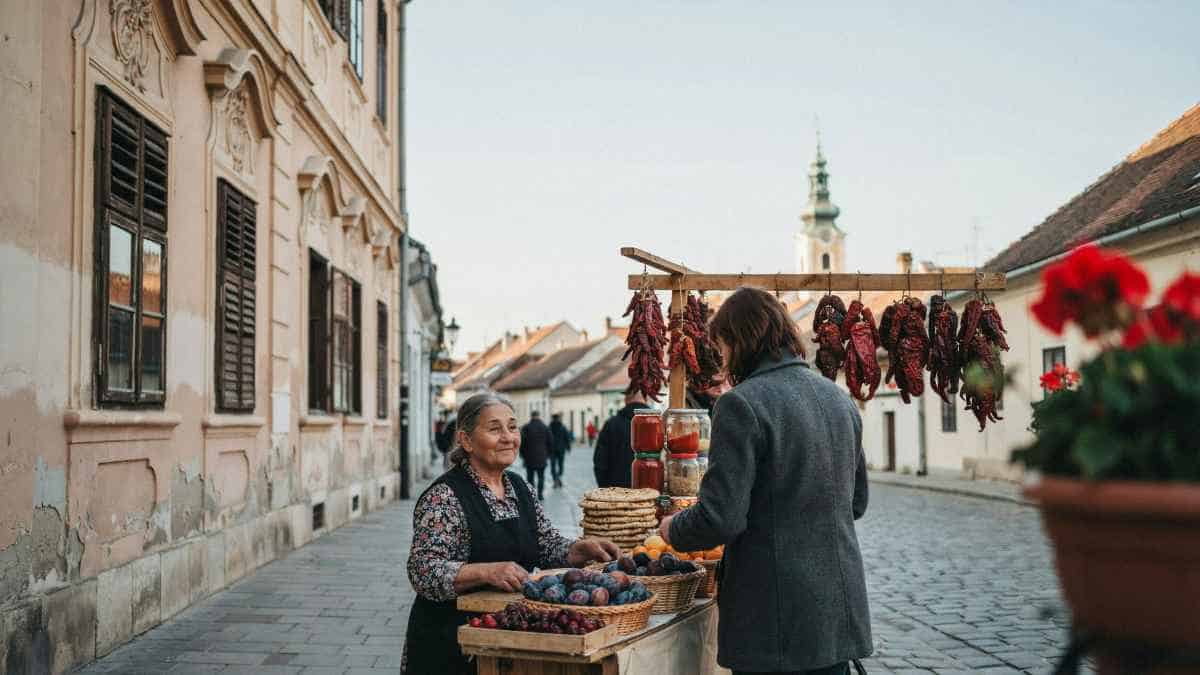
Timișoara is working to enhance the linkage between cultural heritage and gastronomy through tourism development in the city and the broader Banat area that takes tourists outside of the standard tourist attractions. The information received on September 26, 2026, regarding the new “Timișoara Tasting Tour” includes the involvement of volunteers, historical locations and rural food providers in the framework. The information further says that the program limits commercial tourism companies’ presence in historical areas and that the funds raised from gastronomic tourism are used for the preservation of the surrounding micro-farming communities. However, these specific steps on September 26 could not be verified from any of the recently available materials on the topic.
Banat Builds Its Gastronomic Identity
The wider region is already preparing for a major culinary tourism milestone.
Banat has been designated the European Region of Gastronomy for 2028, with Visit Timiș promoting food, traditions, crafts, wine and rural experiences as central parts of the region’s tourism offer.
Advertisement
Advertisement
That positioning allows Timișoara to act as an urban gateway to a much larger gastronomic landscape.
Travellers arriving in the city can explore historic neighbourhoods, restaurants and markets before continuing into smaller communities where food production remains closely connected to local farms and households.
Advertisement
Advertisement
The strategy is therefore broader than restaurant tourism. It links what visitors eat in Timișoara with the agricultural and cultural landscape surrounding the city.
Local Food Moves Beyond the Restaurant
One of the most distinctive elements already operating in Banat is the Local Gastronomic Point, or Punct Gastronomic Local.
These are small-scale food businesses generally operated from private households, family farms, holiday homes or shepherd holdings. Visitors are welcomed in limited numbers, with meals prepared by the hosts using seasonal ingredients from their own gardens or nearby producers.
The model creates a very different experience from conventional hospitality.
Instead of a large menu and high-volume dining room, travellers encounter a limited selection of dishes based on what is available locally. The food becomes part of the destination story, connecting visitors with farming traditions, household recipes and the rhythm of the seasons.
Advertisement
Advertisement
For rural communities, that can create an additional income stream without requiring the construction of large tourism facilities.
The Wine Road Already Connects Communities
Banat’s gastronomic tourism network is also being strengthened through wine.
Visit Timiș’s Wine Road combines vineyards, tastings, local producers, cultural attractions and landscapes. The route began in 2023 around Silagiu and Buziaș and later expanded towards the Recaș wine region and Nițchidorf community.
The route offers a useful template for the type of tourism development described in the supplied briefing.
Visitors can move between multiple small-scale destinations instead of concentrating their entire trip in Timișoara. Vineyard visits, food experiences, producer workshops and cultural sites can become parts of the same itinerary.
Advertisement
Advertisement
That approach also gives rural communities a reason to remain connected to tourism without turning every destination into a conventional resort.
Timișoara’s Historic Districts Add the Cultural Layer
The city itself provides the heritage foundation for this wider tourism network.
Timișoara has been investing in historic buildings and cultural attractions while promoting tourism across its neighbourhoods. In July 2026, the municipality announced the completion of restoration and conversion work at the Iosefin Water Tower, a landmark dating from 1914. The building has been prepared for public access, including a viewing platform around 50 metres above ground.
The city has also committed to using the restored monument for exhibitions, guided tours, educational activities and other public-interest programmes through the Destination Management Organisation.
For culinary travellers, these projects add context to the food experience.
Advertisement
Advertisement
A visitor can spend the morning walking through historic Timișoara, explore restored neighbourhood landmarks, dine on Banat cuisine and then continue towards rural producers or a vineyard outside the city.
Digital Tourism Is Part of the City’s Next Phase
Timișoara’s tourism department is also working towards a more connected visitor experience.
The municipality says its tourism strategy covers cultural, business, gastronomic and ecotourism, while its digital tourism platform is intended to bring together accommodation, transport, attractions, thematic routes, events and interactive maps. It also identifies technologies such as mobile applications, QR codes and augmented reality as tools for interactive tourism.
That infrastructure could make gastronomic micro-routes easier for international visitors to discover.
Instead of searching separately for restaurants, farms, vineyards and heritage sites, travellers can increasingly encounter them as connected parts of one destination.
Advertisement
Advertisement
From City Break to Regional Food Journey
The new framework provides a wider offer for tourists visiting Timișoara. A city break may start off with a visit to architectural sites, museums and historic areas, followed by a transition to the cuisine of the Banat region through culinary points, vineyards, farms and rural villages. The validated trend, therefore, is not the particular trend of restricting corporate franchises, as indicated in the brief, which has yet to be verified, but rather the wider trend of developing food tourism at the local level. In anticipation of the year of 2028, in which the Banat region will host the European Region of Gastronomy award, Timișoara is gradually becoming a city where tourism is built around local cuisine and rural areas connected to the heritage of the place.
Advertisement
