

Dubai International Airport Struck by Devastating Drone Attack: Fire Erupts as Tensions Soar in the Middle East – Global Security Threats Intensify as War Surges

Published
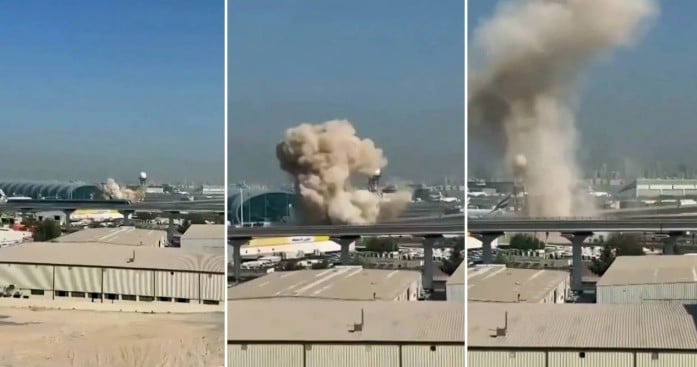 Image generated with Ai
Dubai International Airport, one of the busiest international airports globally, was rocked by a significant security breach when a drone strike triggered a fire near the airport’s facilities. This incident has heightened concerns over the safety of air travel in the region, which is already grappling with heightened tensions due to the ongoing conflicts in the Middle East.
Drone Attack on Dubai Airport Causes Fire and Disrupts Operations
On the morning of March 16, 2026, videos circulated on social media showing large columns of smoke rising from near Dubai International Airport, prompting immediate concern from both the public and authorities. The Dubai Media Office confirmed that a drone had struck an area near the airport, setting off a fire. While initial reports did not indicate any immediate casualties, the damage caused by the attack was significant enough to disrupt airport operations.
Impact on Airport Operations and Passenger Safety
The attack led to disruptions at Dubai International Airport, affecting both the daily operations of the airport and the passengers traveling through it. Airlines operating from DXB were forced to adjust their schedules, with some flights delayed or rerouted. The fire, which was reportedly contained after a brief but intense response from emergency services, caused delays for several flights, especially those arriving at the airport during the peak travel hours.
Although the full extent of the damage is still being assessed, local authorities took immediate steps to ensure the safety of travelers and staff within the airport’s premises. Civil crews worked tirelessly to bring the fire under control, and airport security measures were heightened. The airport’s ability to resume full operation depends on the results of an ongoing investigation into the origin and specifics of the drone attack.
Advertisement
Advertisement
Growing Tensions in the Middle East Escalate Airport Security Concerns
This attack comes amid rising tensions in the Middle East, particularly related to Iran’s ongoing conflict with the United States and its allies. The United States has been engaged in military operations targeting Iranian interests in the region, and several drone attacks have already occurred across Gulf states, with Saudi Arabia and the UAE being significant targets.
While the specific motives behind the Dubai drone strike have not been confirmed, analysts suspect that the attack could be related to the broader geopolitical tensions in the region. Previous incidents, such as the attacks on oil facilities and other critical infrastructure in the Middle East, have been linked to drone strikes, which have proven to be an increasingly viable tool for asymmetric warfare.
Advertisement
Advertisement
Drone Strikes: A Growing Threat to Critical Infrastructure
Drone technology has rapidly evolved in recent years, providing both state and non-state actors with an increasingly potent method of attack. These drones are often small and agile, making them difficult to detect and counter, even by advanced air defense systems. The growing use of drones to target high-profile locations, including oil refineries, military bases, and now civilian infrastructure like airports, is a clear indicator of the changing dynamics of warfare in the 21st century.
The attack on Dubai International Airport serves as a stark reminder of the vulnerabilities of critical infrastructure in the region, which has been under threat from both organized militant groups and rogue states. This incident has once again raised questions about the adequacy of current security measures at airports worldwide, especially in areas with heightened political instability.
International Responses and Security Measures Following the Attack
In response to the attack, several international governments and airlines have called for more stringent airport security measures to mitigate the growing risk posed by drones. Security agencies in Dubai and other Gulf states are already working closely with global aviation authorities to review and strengthen security protocols at major airports. Enhanced drone detection technology and other countermeasures are expected to be deployed to prevent future attacks.
Dubai authorities have also confirmed that they are working in close collaboration with their international partners to investigate the source and nature of the drone. A key focus of this investigation will be determining whether the attack was state-sponsored or carried out by an independent militant group. Experts suggest that it could be part of a larger series of drone strikes aimed at destabilizing the region and challenging the security of commercial air traffic.
Possible Links to Broader Regional Instability
The Middle East has long been a hotbed of geopolitical tension, and the recent series of drone attacks could be seen as part of a broader strategy to disrupt global trade and oil supply chains. The Strait of Hormuz, a critical waterway for global oil shipments, has already seen its share of military confrontations and disruptions. With the continued use of drones to target strategic locations, the region’s stability remains fragile.
As the UAE plays a significant role in the Gulf Cooperation Council (GCC) and serves as a major hub for international business, travel, and trade, the attack on its airport is a clear indication that the threats to its national security are far-reaching. The economic impact of such attacks, including damage to vital infrastructure and the resulting disruptions to global air travel, cannot be underestimated.
Advertisement
Advertisement
Long-term Impact on Dubai’s Reputation as a Global Hub
Dubai, with its world-renowned skyline, thriving business environment, and tourism attractions, has long been seen as a beacon of modernity and safety in the Middle East. The attack on Dubai International Airport could have long-term implications for the city’s reputation as a safe destination for both leisure and business travelers. In addition to the economic impact of the disruption, there is also the possibility that such incidents could deter future foreign investment in the region.
The city’s ability to recover from this incident will depend on how effectively it can enhance security measures while maintaining its position as a global business and tourism hub. Continued security enhancements and the development of more sophisticated counter-drone technologies will be critical in ensuring that such an attack does not tarnish Dubai’s standing in the international community.
Conclusion: The Need for Enhanced Security Measures in a Changing Threat Landscape
The drone strike at Dubai International Airport serves as a warning to aviation authorities worldwide about the evolving threats to airport security. While Dubai’s response to the attack was swift, the incident underscores the need for global collaboration and technological advancements to protect critical infrastructure from emerging threats.
As tensions in the Middle East continue to rise, it is crucial for international airports to adopt cutting-edge technologies and comprehensive security frameworks to safeguard both passengers and infrastructure. Dubai, as one of the most important aviation hubs, will likely continue to invest heavily in security, ensuring that its role in global air travel remains intact despite the growing risks posed by modern warfare tactics like drone attacks.
Advertisement
