

Arctic Norway Tourism Expands Winter Appeal With Northern Lights, Sami Culture, Wildlife Cruises and Snow Adventures

Published
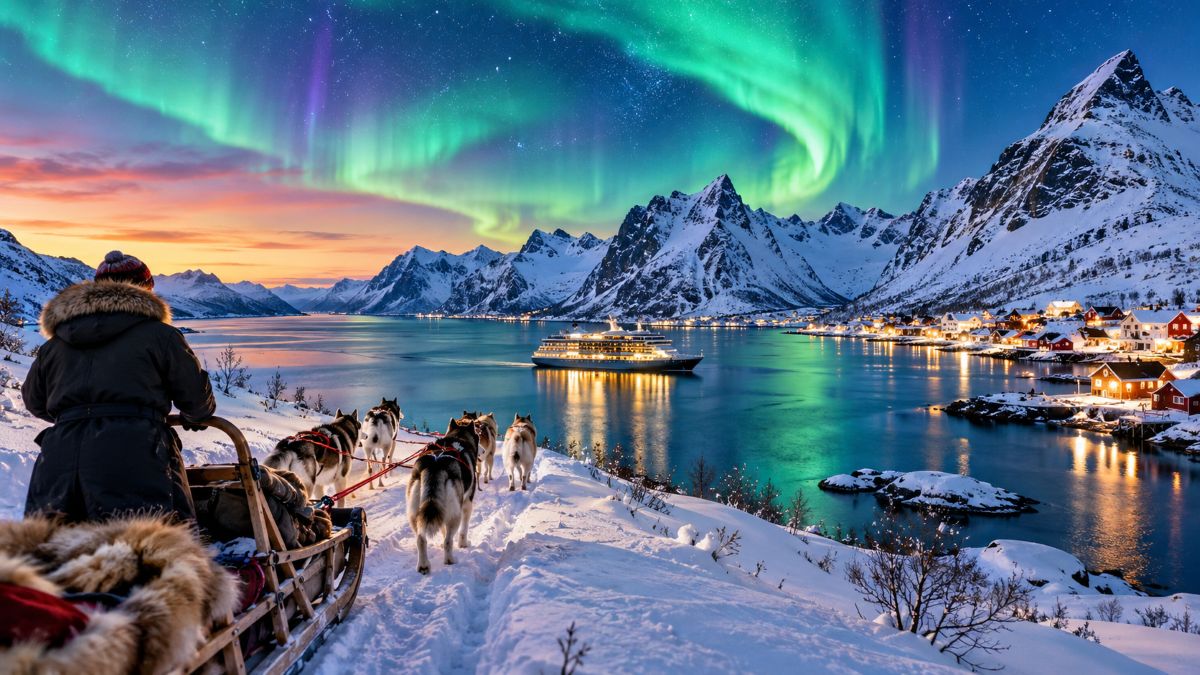
Arctic Norway is presenting a diverse range of autumn and winter travel experiences, positioning the northern reaches of the country as a destination for more than northern lights viewing. From snow-covered mountains and dramatic fjords to Sami cultural encounters, whale watching and coastal voyages, the region offers experiences for travellers with different interests and budgets. Tourism representatives recently outlined the destination’s seasonal opportunities during an industry training session attended by 360 travel professionals. The presentation highlighted how combining nature, culture, gastronomy and comfortable transport can create more comprehensive itineraries for visitors seeking distinctive experiences in northern Europe.
The destination encompasses several contrasting regions, including Nordland, Troms, Finnmark and the Svalbard archipelago. Travellers can explore lively Arctic cities, fishing communities, remote wilderness and coastal landscapes within a single holiday, depending on their itinerary and transport arrangements. Autumn brings changing colours and opportunities for outdoor exploration, while winter introduces snow-based activities and favourable conditions for seeking the aurora borealis. Tourism specialists emphasised that weather, daylight hours and snow conditions vary considerably across the region and throughout the season. These factors make careful planning essential when selecting destinations, accommodation and activities.
Northern Lights Lead Arctic Norway Tourism Experiences
The northern lights remain one of Arctic Norway’s strongest attractions during the colder months, drawing visitors hoping to witness green and violet displays across dark Arctic skies. However, tourism professionals are encouraging travellers to combine aurora hunting with other activities rather than building an entire holiday around a single natural phenomenon. Guided excursions can take visitors away from artificial lighting and towards locations offering suitable viewing conditions, although cloud cover and solar activity mean sightings cannot be guaranteed.
Travellers can incorporate northern lights excursions into snowmobile safaris, snowshoeing trips and mountain activities. Tromsø and Alta are established bases for exploring the northern region, while coastal destinations provide additional opportunities to experience Arctic scenery. Choosing flexible itineraries, allowing several nights for aurora viewing and monitoring local forecasts can improve the overall experience. Visitors should understand that promotional assurances about sightings are not guarantees of a natural event, making realistic expectations an important part of responsible travel planning.
Advertisement
Advertisement
Sami Heritage and Coastal Communities Enrich Visitor Experiences
Cultural tourism offers another important dimension of Arctic Norway’s seasonal appeal. Sami heritage provides insight into the traditions, livelihoods and cultural identity of Indigenous communities in northern Scandinavia. Visitors may encounter cultural interpretation, traditional knowledge and experiences connected with reindeer herding, provided these activities are arranged respectfully with appropriate local operators.
Coastal communities contribute a different perspective, reflecting the historical importance of fishing and maritime industries across northern Norway. Local food experiences, museums and community-based excursions can help visitors understand how people have adapted to Arctic conditions over generations. Combining these experiences with wildlife observation and landscape exploration creates a more balanced itinerary, allowing travellers to engage with the region beyond its celebrated scenery. Respect for community customs, wildlife welfare and local guidance remains essential when participating in cultural tourism.
Advertisement
Advertisement
Regional Destinations Offer Distinct Seasonal Attractions
Arctic Norway is not a single uniform destination. Its different regions offer contrasting landscapes and activities, making destination selection important for travellers planning a winter holiday.
| Destination | Main Tourism Appeal | Experiences to Consider |
|---|---|---|
| Tromsø | Arctic city life and mountain scenery | Northern lights excursions, museums and cable-car views |
| Alta | Northern lights and northern Norwegian landscapes | Aurora tours and winter adventures |
| Narvik | Mountains and winter sports | Alpine skiing and mountain activities |
| Bodø | Coastal scenery and urban culture | Maritime experiences and visits to Saltstraumen |
| Lofoten | Dramatic peaks and fishing villages | Coastal exploration, photography and seasonal wildlife trips |
| Vesterålen | Marine wildlife and island landscapes | Whale-watching excursions and scenic journeys |
| Senja | Rugged coastlines and fjords | Hiking where conditions permit and landscape photography |
| Helgeland | Islands and smaller fjords | Coastal exploration and scenic road journeys |
| Kirkenes | Remote northeastern Arctic experiences | Winter excursions and regional cultural experiences |
| Svalbard | Remote polar wilderness | Organised expeditions and seasonal wildlife experiences |
Svalbard requires particular preparation because its remote location, polar environment and wildlife conditions create different logistical and safety considerations from mainland destinations. Travellers should use qualified local operators and follow current access restrictions and wildlife guidance.
Advertisement
Advertisement
Winter Activities Extend Beyond Aurora Hunting
Snow-based activities provide opportunities for travellers who want a more active holiday. Dog-sledding experiences are commonly available during the snow season, generally from November into March or early April, depending on local conditions. Some operators offer alternative arrangements before sufficient snow accumulates. Snowmobiling, alpine skiing, snowshoeing and guided mountain excursions also feature in the region’s winter tourism offering.
Other experiences appeal to visitors seeking relaxation or unusual Arctic activities. Selected locations offer panoramic cable-car journeys, floating experiences in suitable fjord environments with protective dry suits, and accommodation designed around ice and snow. Availability depends on the destination, season and weather. Travellers should check age restrictions, physical requirements, clothing recommendations and safety procedures before booking outdoor excursions, particularly where low temperatures and rapidly changing conditions may affect participation.
Accommodation and Arctic Gastronomy Support Regional Tourism
Accommodation across Arctic Norway ranges from established hotels and boutique properties to traditional cabins and specialist winter lodgings. Travellers can choose accommodation according to comfort preferences, location, budget and access to organised activities. Booking early is advisable for popular winter travel periods, particularly around holiday dates and peak northern lights demand.
Regional gastronomy adds further value to the visitor experience. Cod, reindeer, lamb and wild berries feature prominently in descriptions of northern Norwegian food traditions. Restaurants and local producers can introduce travellers to regional ingredients and seasonal cooking while supporting the destination’s wider tourism economy. Visitors should check menus and availability in advance, particularly when travelling to smaller communities where dining options may be limited outside peak periods.
Advertisement
Advertisement
Air Connectivity Helps Travellers Reach Northern Norway
Air travel remains central to access across the region, with Oslo serving as an important connecting hub for domestic journeys. Tromsø also offers substantial seasonal connectivity, while Bergen provides links to parts of northern Norway through regional aviation services. Routes, frequencies and operating schedules change between seasons, so travellers should verify their preferred connections before finalising accommodation or excursions.
Norwegian and regional carrier Widerøe play roles in connecting different parts of the country. Travel arrangements may involve direct flights, European connections or domestic transfers, depending on the departure city and final destination. Travellers should also consider transfer times, winter weather disruptions and baggage allowances when planning multi-stop itineraries. Coordinating flights with accommodation and guided excursions can reduce the risk of missed activities when schedules change.
Coastal Cruises Provide an Alternative Way to Explore
Coastal voyages offer another way to experience Norway’s northern landscapes without repeatedly changing hotels or arranging separate transfers. Established coastal itineraries connect communities along the Norwegian coastline, combining transport with onboard dining, panoramic lounges and opportunities to observe changing scenery. Depending on the vessel and itinerary, facilities may include saunas, hot tubs and a range of cabin categories.
Classic coastal programmes offer options for longer journeys and shorter northbound or southbound sections. Expedition-style cruises provide a different experience, with selected itineraries incorporating landings by smaller boats, guided walks and wildlife observation where conditions permit. These activities remain weather-dependent, particularly in winter. Travellers should examine the exact route, included excursions, accessibility arrangements and cancellation policies before choosing between a conventional coastal voyage and a more expedition-focused holiday.
Responsible Planning Will Shape Arctic Winter Tourism
Arctic Norway’s appeal depends on natural environments that require careful management. Seasonal tourism can create economic opportunities for local communities, but wildlife encounters, outdoor recreation and increased visitor numbers also require responsible operating practices. Travellers can contribute by following local instructions, respecting protected areas, choosing reputable guides and avoiding disturbance to wildlife.
Planning should reflect the realities of Arctic travel. Temperatures may change quickly, daylight hours vary significantly through winter, and snow or wind can affect transport and excursion schedules. Visitors should pack suitable thermal clothing, waterproof outer layers and footwear appropriate for their activities. Flexible bookings and realistic expectations can help travellers manage disruptions while enjoying the destination’s natural and cultural diversity.
Advertisement
Advertisement
Frequently Asked Questions
1. What Is the Best Time to Visit Arctic Norway for Northern Lights?
The aurora season generally extends from autumn through winter and into early spring. Dark skies and suitable weather are important, but sightings cannot be guaranteed.
2. Which Destinations Are Popular for Arctic Norway Tourism?
Tromsø, Alta, Narvik, Bodø, Lofoten, Vesterålen, Senja, Kirkenes and Svalbard offer different combinations of scenery, culture and outdoor activities.
3. Can Travellers Experience Sami Culture in Northern Norway?
Yes. Visitors can seek respectful cultural experiences and local interpretation that explain Sami heritage, traditions and contemporary community life.
Advertisement
Advertisement
4. What Activities Are Available During Winter?
Options include northern lights excursions, dog-sledding, snowmobiling, skiing, snowshoeing, cultural visits and coastal cruises, subject to local conditions.
5. Is Arctic Norway Suitable for Families?
Many destinations offer family-friendly accommodation, sightseeing and guided activities. Families should check minimum ages, safety requirements and the suitability of excursions for children.
6. How Can Travellers Reach Northern Norway?
Travellers commonly connect through Oslo or other Norwegian gateways before continuing to regional airports. Available routes and frequencies depend on the season.
Advertisement
Advertisement
7. What Food Should Visitors Try in Arctic Norway?
Regional specialities include cod, reindeer, lamb and wild berries. Availability and preparation vary between communities and restaurants.
8. Are Northern Lights Sightings Guaranteed on Guided Tours?
No. Cloud cover, solar activity and other conditions influence visibility. Multi-night stays and flexible itineraries may improve opportunities to see the aurora.
9. Can Visitors Explore Arctic Norway on a Cruise?
Yes. Coastal voyages and expedition cruises offer different ways to experience northern landscapes, communities and selected outdoor activities.
Advertisement
Advertisement
10. What Should Travellers Pack for an Arctic Winter Holiday?
Warm layered clothing, waterproof outerwear, insulated footwear, gloves and suitable headwear are essential. Additional equipment may be required for particular guided activities.
Advertisement
