
Ecuador and Bolivia Power South America Tourism Growth as Region Outpaces Global Average in 2026

Published
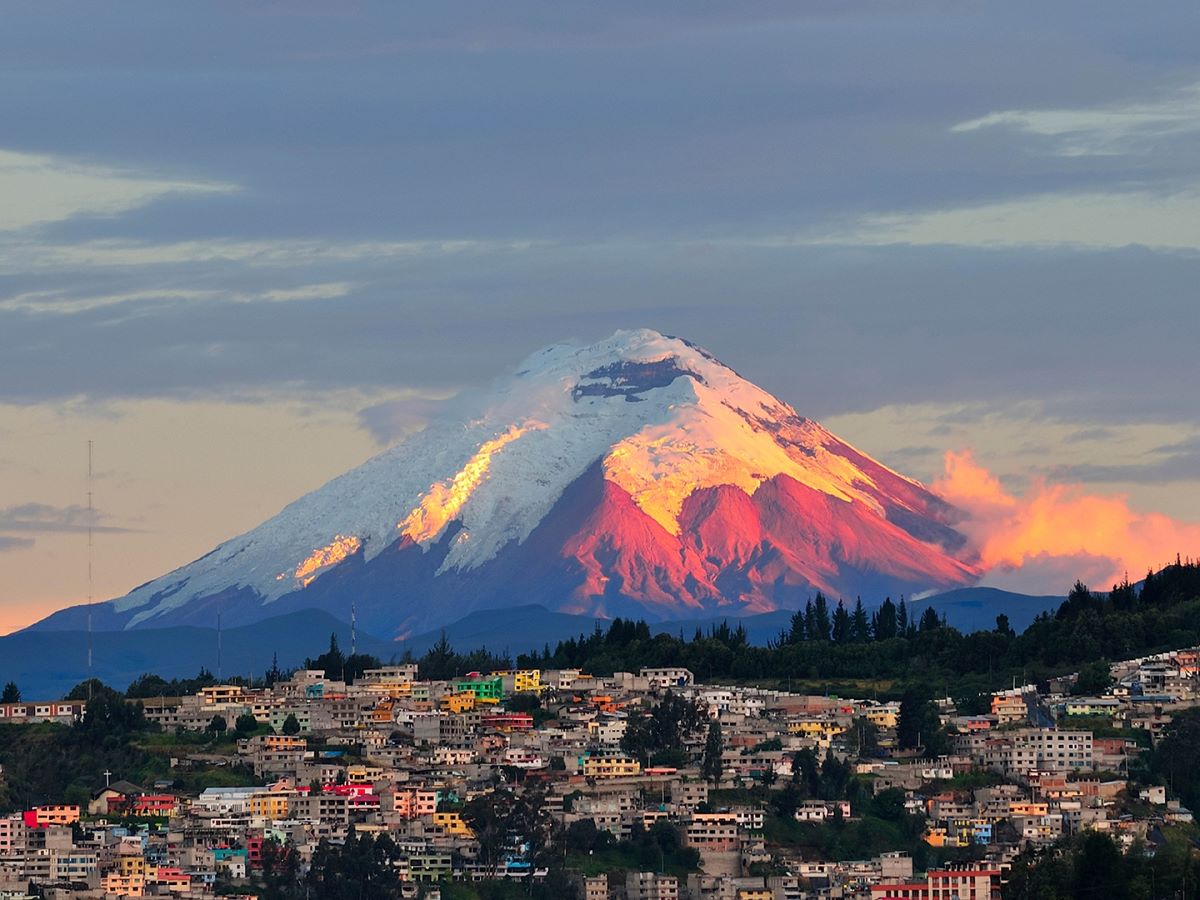
Ecuador and Bolivia are powering South America tourism growth as the wider Central and South American region outpaces the global average in 2026, supported by resilient domestic travel, rising international visitor spending and comparatively lower exposure to geopolitical disruption affecting some international aviation and tourism markets. Ecuador’s Travel & Tourism GDP is forecast to grow 11.6% this year, while Bolivia is projected to expand 10.3%, according to the World Travel & Tourism Council’s latest Economic Impact Research.
Across Central and South America, Travel & Tourism GDP is expected to grow 4.1% in 2026. That is ahead of the global Travel & Tourism growth forecast of 3.2%.
International visitor spending provides another important signal. Spending by overseas visitors across Central and South America is projected to increase 7.8%, more than twice the 3.7% global growth forecast.
Central and South America Outpace Global Tourism Growth
The latest outlook points to a strong year for the regional visitor economy.
Advertisement
Advertisement
Central and South America’s Travel & Tourism GDP is forecast to expand 4.1% during 2026, compared with worldwide sector growth of 3.2%.
That difference may appear relatively small, but across a large tourism economy it represents significant additional activity for airlines, hotels, restaurants, attractions, tour companies and other businesses dependent on travellers.
Advertisement
Advertisement
| Tourism Indicator | 2026 Forecast |
|---|---|
| Central and South America Travel & Tourism GDP growth | 4.1% |
| Global Travel & Tourism GDP growth | 3.2% |
| Regional international visitor spending growth | 7.8% |
| Global international visitor spending growth | 3.7% |
| Ecuador Travel & Tourism GDP growth | 11.6% |
| Bolivia Travel & Tourism GDP growth | 10.3% |
| Bolivia international visitor spending growth | 25.8% |
The comparison suggests the regional tourism economy is expanding faster than the worldwide sector despite uncertainty affecting international travel.
Ecuador Forecast to Grow 11.6%
Ecuador stands out among the major Andean tourism markets.
Its Travel & Tourism GDP is forecast to grow by 11.6% in 2026.
The country has a highly diverse tourism portfolio despite its relatively compact geographical size.
Visitors can move between Quito’s historic centre, Andean landscapes, Amazonian environments, Pacific beaches and the internationally famous Galápagos Islands.
That diversity allows Ecuador to compete in several tourism segments, including:
Advertisement
Advertisement
- Nature tourism
- Wildlife experiences
- Adventure travel
- Cultural tourism
- Heritage travel
- Community-based tourism
- Eco-tourism
- Island tourism
The combination is particularly relevant as travellers increasingly look for holidays centred around nature and distinctive local experiences.
Bolivia Tourism GDP Forecast to Rise 10.3%
Bolivia is another standout performer.
WTTC forecasts its Travel & Tourism GDP will increase 10.3% during 2026.
Even more striking is the outlook for international visitor spending, which is projected to surge 25.8%.
That indicates overseas travellers could become increasingly important to Bolivia’s tourism economy.
The country offers some of South America’s most distinctive landscapes.
Advertisement
Advertisement
Salar de Uyuni remains its internationally recognisable tourism icon, while La Paz, Lake Titicaca, Sucre, Potosí and extensive Andean landscapes give visitors a broad mix of natural and cultural experiences.
Bolivia’s appeal also fits the growing international market for adventure and experience-led travel.
Colombia Maintains Strong Tourism Momentum
Growth is not restricted to Ecuador and Bolivia.
Colombia’s Travel & Tourism GDP is forecast to increase 5.7% in 2026.
The country has rapidly expanded its international tourism profile through a combination of major cities, Caribbean destinations, cultural tourism and nature experiences.
Bogotá, Medellín and Cartagena remain major tourism centres, while growing traveller interest in regions such as the Amazon, Guaviare and other less-visited territories is helping broaden Colombia’s tourism geography.
Advertisement
Advertisement
A 5.7% increase would put Colombia comfortably above the projected global Travel & Tourism growth rate.
Argentina Tourism Sector Heads for 4.9% Growth
Argentina is forecast to record Travel & Tourism GDP growth of 4.9% in 2026.
Buenos Aires remains the country’s principal international gateway, but Argentina’s tourism strength extends across an enormous geographical area.
Patagonia, Mendoza, Iguazú Falls and the Andean regions allow the country to compete across nature, gastronomy, wine, adventure and city tourism.
Argentina’s projected growth is lower than that of Ecuador and Bolivia but remains above the global tourism-sector forecast.
Brazil Continues Growing From a Much Larger Base
Brazil presents a different picture.
Advertisement
Advertisement
Travel & Tourism GDP is forecast to increase 2.1% in 2026, while international visitor spending is expected to grow around 3%.
The percentage growth is slower than in several neighbouring countries, but Brazil operates from a considerably larger tourism economy.
Its tourism portfolio includes Rio de Janeiro, São Paulo, the Amazon, extensive coastlines, cultural destinations and major natural attractions.
This is an important consideration when comparing growth rates. A smaller tourism economy can record a large percentage increase from a relatively low base, while a larger established market may add substantial economic value despite posting a lower percentage growth rate.
Venezuela Records an Exceptional Forecast
Venezuela requires separate attention when examining the regional rankings.
WTTC forecasts Travel & Tourism GDP growth of 33.2% in 2026, alongside a 34.8% increase in international visitor spending.
Advertisement
Advertisement
This means Ecuador’s 11.6% should not be described as the absolute highest tourism GDP growth forecast across Central and South America.
Venezuela’s exceptionally high percentage increase also needs to be understood in the context of its individual economic and tourism-market conditions.
Percentage growth alone does not indicate which country has the largest tourism economy or attracts the greatest number of international travellers.
Domestic Travel Is Helping Protect the Region
One reason for Central and South America’s relative resilience is strong domestic tourism.
Domestic travellers can provide an important buffer when international demand becomes uncertain.
Residents taking holidays within their own countries support:
Advertisement
Advertisement
- Hotels and accommodation
- Domestic airlines
- Restaurants
- Tour companies
- Attractions
- Ground transport
- Local guides
- Tourism employment
Large countries such as Brazil, Argentina and Colombia have particularly significant domestic travel markets.
This creates a more diversified tourism economy that does not depend entirely on overseas arrivals.
Middle East Disruptions Create Uneven Global Tourism Conditions
The regional growth forecast comes during a complicated period for global tourism.
Conflict in the Middle East has disrupted some air routes and increased pressure on global transport costs.
World Bank tourism monitoring for 2026 has also highlighted the effects of geopolitical tensions, higher costs and aviation disruptions on international tourism.
Central and South America are comparatively less exposed to some of these pressures because affected Middle Eastern transit routes and source markets represent a smaller part of their tourism flows than they do for some other regions.
Advertisement
Advertisement
This does not make Latin America immune to global disruption.
Higher fuel prices, inflation and weaker economic growth can still affect airfares and traveller spending worldwide.
However, geographical positioning and strong regional and domestic travel demand can provide some insulation from direct route disruption.
International Visitor Spending Becomes a Major Growth Engine
International spending is one of the strongest parts of the regional forecast.
Central and South America are expected to record a 7.8% increase in international visitor spending during 2026.
Globally, the equivalent forecast is just 3.7%.
Advertisement
Advertisement
Bolivia stands out even more strongly, with international visitor spending expected to rise 25.8%.
This matters because tourism success is not determined solely by arrival numbers.
A destination can create greater economic benefits when visitors stay longer, explore more places and spend money across accommodation, restaurants, tours, attractions and local businesses.
Tourism Supports Millions of Jobs Worldwide
The regional expansion forms part of a much larger global tourism economy.
WTTC forecasts Travel & Tourism will contribute around $12 trillion to the global economy in 2026, representing approximately 9.9% of worldwide GDP.
The sector is also expected to support around 376 million jobs globally.
Advertisement
Advertisement
Looking further ahead, global Travel & Tourism GDP is projected to expand at an annual rate of 3.6% over the next decade.
That would be around one and a half times the forecast 2.4% annual growth rate for the wider global economy.
What the Growth Means for Travellers
For travellers, stronger tourism economies can lead to improved services, new accommodation, better infrastructure and expanded tourism experiences.
The Andean markets are particularly interesting.
Ecuador can offer travellers Amazon, Andes, Pacific and Galápagos experiences within one country. Bolivia provides extraordinary landscapes and cultural heritage, while Colombia and Peru add major cities, archaeology, gastronomy and biodiversity.
This creates opportunities for multi-country South American journeys.
Advertisement
Advertisement
Better regional connectivity could further support this trend by making it easier for travellers to combine destinations during one trip.
Sustainable Growth Will Be the Next Challenge
Rapid expansion also creates challenges.
Nature-based tourism is an important part of the appeal of Ecuador, Bolivia and neighbouring countries. Many of their most valuable tourism assets are environmentally sensitive.
Growing visitor numbers must therefore be balanced against conservation.
Destinations will need to consider infrastructure capacity, waste management, water resources, protected areas and community involvement as tourism expands.
Successful tourism growth is not simply about bringing in more visitors. It also requires ensuring that economic benefits reach communities while the natural and cultural resources attracting travellers remain protected.
Advertisement
Advertisement
Conclusion: Ecuador and Bolivia Power South America Tourism Growth as Region Outpaces Global Average in 2026
Ecuador and Bolivia are powering South America tourism growth as the region outpaces the global average in 2026, supported by strong domestic travel, rapidly increasing international visitor spending and comparatively lower exposure to geopolitical disruptions affecting some major global travel corridors.
Ecuador’s Travel & Tourism GDP is forecast to rise 11.6%, while Bolivia is expected to expand 10.3%, accompanied by a striking 25.8% increase in international visitor spending.
Across Central and South America, Travel & Tourism GDP growth is forecast at 4.1%, ahead of the global sector average of 3.2%. International visitor spending is expected to rise 7.8%, more than twice the projected global rate.
Colombia, Argentina and Brazil add further depth to the regional picture, while Venezuela carries an exceptional 33.2% Travel & Tourism GDP growth forecast that must be considered separately when comparing individual markets.
The figures demonstrate that South American tourism growth is becoming increasingly broad-based. If destinations can combine stronger demand with sustainable infrastructure, conservation and improved connectivity, the region could strengthen its position within the global visitor economy throughout 2026 and beyond.
Advertisement
