
Belgium Exposes the Hotel Booking Scam Hiding Behind Real Reservation Details

Published
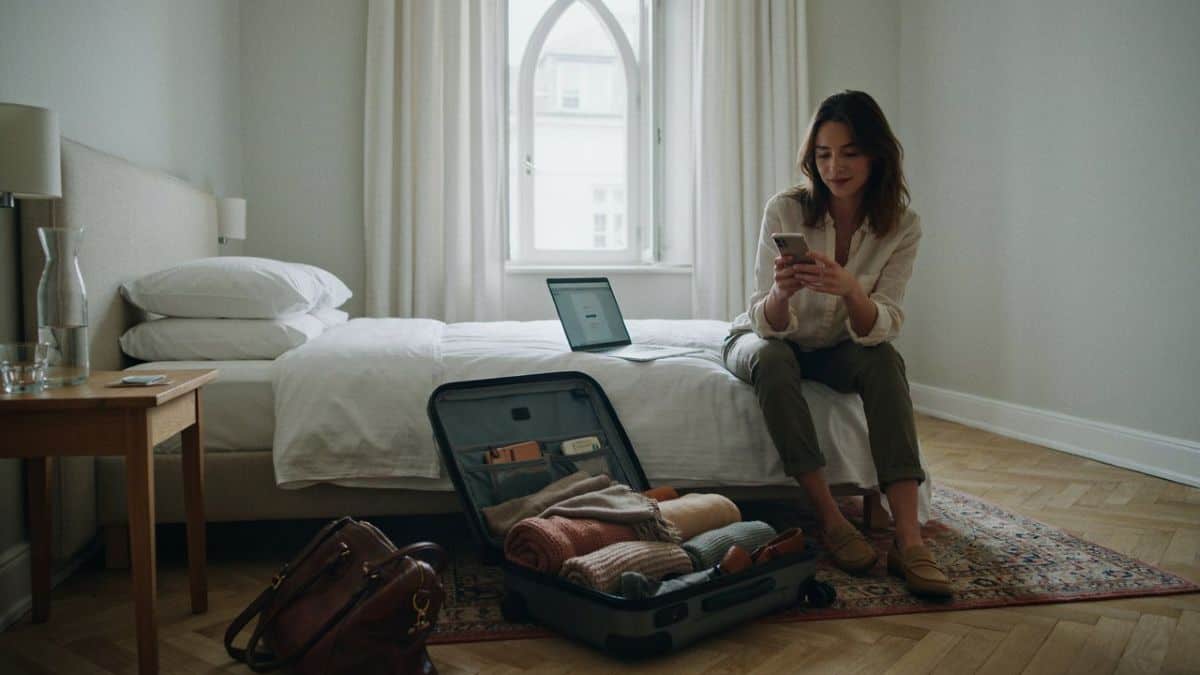
The case of Belgium reveals the hotel booking fraud camouflaged by authentic reservation information on the Internet. In such a fraud, one may notice correct hotel name, dates of travel and even a booking number. Nevertheless, such details cannot guarantee security of a payment request. Fraudsters use them to establish trust and provoke anxiety, which leads to action without checking. It may be claimed that the payment was not made successfully or the hotel booking would be cancelled. In this case, victims are directed to a fraudulent page collecting credit card or other personal information. People are advised not to follow any links and contact the hotel website or booking account independently. In addition, travellers should compare the request with an original confirmation. With this warning, Belgium provides tourists with valuable experience: there is real booking and fraudulent request behind it.
Why a genuine hotel reservation can become a scam target
Many travellers now expect quick messages from hotels and booking platforms. A note that names a hotel, shows the correct travel dates and warns that a room may be cancelled can seem real. That is exactly why a scam message can be hard to spot. Criminals may use information from a booking to make a false request feel urgent and personal.
Advertisement
Advertisement
Belgium’s Federal Police described this method in a warning published on 5 June 2026. Travellers had received WhatsApp messages asking them to confirm hotel details to “secure” a reservation. The message threatened cancellation if they did not act. A link then led to a fake page that copied booking details, hotel photos and travel dates. The fraudsters had also set up a false helpdesk to pressure users into completing the process.
The key lesson is simple: correct details do not prove that a message is genuine. A scammer may know the hotel, dates or booking reference. That information can make a false payment demand look more convincing. Travellers should treat an unexpected request for card details or another payment as a reason to stop and check.
Advertisement
Advertisement
Belgium’s warning reveals how scammers build trust
The Belgian police warning described attempts involving guests at about 100 hotels in Flanders and Wallonia. The police notice attributed that figure to reports from the hospitality sector. It is a signal worth reporting, but it is not a Europe-wide count or a measure of all booking fraud in Belgium. The distinction matters because an alarming number can easily be mistaken for a national official total.
The warning also outlined how a fraudulent message can move from first contact to payment. A traveller receives a message through WhatsApp or another channel. It appears to relate to a real booking. A link leads to a page that imitates a legitimate service. The traveller faces pressure to enter payment details or risk losing a room. Each step is designed to discourage a careful check.
Advertisement
Advertisement
Travellers should return to the platform or hotel using contact details they already have, or find through an independently verified website. They should avoid using the phone number or link inside the suspicious message. If a request claims that payment terms have changed, travellers should compare it with their original confirmation before taking action.
Spain’s case shows that a platform account can be compromised
A government-hosted notice in Castilla-La Mancha, citing Spain’s INCIBE cybersecurity institute, described a different route into the same trap. A traveller had booked a hotel through an accommodation platform. They then received messages inside the platform’s own messaging service, with links asking them to confirm the reservation. After following the steps, the traveller faced two unauthorised card charges. The hotel later said its account on the booking portal had been hacked and used to send false alerts.
Advertisement
Advertisement
This case does not show that every message inside a booking service is unsafe. Nor does it prove that an entire platform was breached. It shows that a compromised accommodation account can make fraudulent messages harder to detect, even when they arrive within a service the traveller already uses.
That is a more useful point than simply telling holidaymakers to avoid booking platforms. Travellers can check a request through the platform’s official help centre, then contact the hotel separately using a number or email address found independently. They should not assume that a message is safe just because it appears beside their reservation.
France warns travellers against pressure and false scarcity
France’s Economy Ministry warned in June 2026 about messages sent after an accommodation booking. A fake message may claim that a payment failed, demand personal or bank details, or threaten to cancel the stay unless the customer acts at once. The ministry advises travellers to avoid clicking doubtful links and to reach their reservation through the booking service’s homepage.
The ministry also says travellers should compare offers and read the terms before paying. Its consumer protection agency, the DGCCRF, has separately documented problems such as hidden subscriptions, misleading “last room available” prompts, unexpected cancellation fees and reservation platforms that mislead users. These are not all the same as criminal phishing. Some involve misleading sales practices or disputes over what the customer agreed to buy.
Advertisement
Advertisement
That difference matters. A scammer impersonating a hotel, a platform using a misleading sales tactic and a genuine disagreement about cancellation terms require different responses. An article that groups them all under “booking fraud” risks confusing readers about their rights and next steps.
What Canada’s latest travel advice actually says
Canada’s Travel Advice and Advisories pages cover security, health, entry rules and other risks. The Government of Canada says some updates are editorial. These improve clarity or accessibility and do not necessarily signal a change in conditions. It also says its two most serious advisory levels may affect insurance coverage. Travellers should read the destination page, rather than treat every new update date as an escalation.
The Netherlands page was updated on 29 September 2026 with an editorial change. Canada’s national rating remains “Exercise a high degree of caution” because of the threat of terrorism. Its separate safety advice warns of pickpocketing and bag snatching in larger cities, and of cybercrime, including risks from public Wi-Fi. The Dutch government’s own terrorism alert is at level four on a five-point scale, according to Canada’s page.
Canada’s Türkiye page received a thorough review on 29 September. The national rating is “Exercise a high degree of caution” because of terrorism and possible large-scale demonstrations. Canada advises against all travel within 10 kilometres of the borders with Iraq and Syria, and against non-essential travel to specified southeastern provinces. These regional warnings should not be described as applying equally to every destination in Türkiye. Canada also warns about fraud involving card payments, ATMs and third-party visa services.
Spain and Italy also carry a heightened-caution rating. Canada’s Spain page, last updated on 24 September, says petty theft is common in larger cities and that tourists are often targeted in crowded places. The Italy page, updated on 29 September, says petty theft is frequent and warns travellers about card skimming. Its latest update concerns Mount Etna information, not a new booking-scam advisory.
Portugal and Greece carry Canada’s “Take normal security precautions” rating. Their pages still identify risks, including theft, card fraud and disruption from demonstrations or transport strikes. A lower national rating does not mean every individual risk disappears. Nor can the rating tell a traveller whether a particular payment request or accommodation listing is genuine.
Advertisement
Advertisement
| Destination | Canada’s rating | Latest update checked | Main context |
|---|---|---|---|
| Netherlands | Exercise a high degree of caution | 29 September; editorial change | Terrorism, theft and cybercrime |
| Türkiye | Exercise a high degree of caution, with regional advisories | 29 September; full review | Terrorism, demonstrations and border-region risks |
| Spain | Exercise a high degree of caution | 24 September; health editorial change | Terrorism and petty theft |
| Italy | Exercise a high degree of caution | 29 September; Mount Etna update | Terrorism, theft and card skimming |
| Portugal | Take normal security precautions | 24 September; health editorial change | Theft and other local safety risks |
| Greece | Take normal security precautions | 24 September; health update | Theft, card fraud and possible disruption |
The different ratings show why headlines should identify what changed. The Netherlands and Italy pages were recently updated, but their stated reasons do not establish a new coordinated European warning about booking scams. Canada’s advisory information and European consumer alerts describe related concerns, but they address different questions.
ETIAS creates another opening for misleading payment requests
Travellers should also watch for false claims about Europe’s future travel authorisation system. The EU agency eu-LISA says ETIAS is not currently operating and is not collecting applications. It says travellers will be able to apply through the official website or app before the system starts.
The UK government’s guidance says there is no need to take action for ETIAS at this point. It warns that a website selling the authorisation before applications open is acting fraudulently. The same page explains that the Entry/Exit System, or EES, is a separate system. EES may require eligible visitors to register biometric details at the border, but registration carries no charge.
Travellers should use the official EU website for the latest launch information. They should be wary of adverts or unsolicited messages demanding an early ETIAS fee, passport details or urgent processing. A page that looks official is not enough proof. Check its web address through a trusted government source before sharing information.
Europe’s cancellation rules can catch travellers by surprise
Some travellers assume that every online purchase comes with 14 days to cancel. EU consumer guidance says the usual cooling-off period does not apply to hotel bookings for specific dates. The exception also covers certain transport and leisure bookings. The cancellation terms shown at purchase can therefore matter greatly.
This does not mean that a customer has no rights if a property does not exist, a payment was unauthorised or a service was not provided. It means that a traveller should not rely on a general 14-day cancellation window to undo a date-specific hotel booking. They should save the confirmation, payment receipt, listing details and any messages about the reservation.
Advertisement
Advertisement
France’s DGCCRF advises customers to read the booking conditions, check which services and fees the price includes, and keep their booking and payment confirmations. If a traveller sees a charge they did not approve, the French agency advises contacting the bank promptly and reporting the matter through the appropriate French channels. Reporting steps differ between countries.
How travellers can check a booking before paying again
A safe booking routine should be simple enough to follow when a traveller is tired, busy or already on the move. Pause when an unexpected message claims that a booking is at risk. Do not use its link to log in or pay. Instead, open the booking service independently or contact the hotel using details found outside the message.
Compare any new request with the original confirmation. Check the amount, payment date, cancellation terms and method. If the request asks for a bank transfer, a card number or personal details through a new link, verify it with the hotel or platform before responding. Keep screenshots and emails if something seems wrong.
The UK’s Report Fraud service warns that fake holiday adverts may use stolen property photographs, very low prices and payment methods that are hard to recover. It advises travellers to research companies, check accommodation details and use reputable booking channels. Its advice adds another practical check: a price that seems unusually low deserves closer scrutiny.
Travellers should also protect their real accounts. Use a unique password for the email account linked to bookings. Turn on two-step verification where available. Avoid public Wi-Fi for sensitive transactions unless the connection is protected. Do not share live travel plans publicly if they reveal when a home will be empty. Canada’s Netherlands advice specifically warns about cybercrime and theft risks.
What a distinct Europe-focused article should tell readers
The Europe booking scams are unveiled as Canada issues new travel advice for the Netherlands, Türkiye and Italy as official warnings revealed the way how scammers could use legitimate hotel information and request immediate payment. Yet, the latest travel advice from Canada does not mean a general alert on the Europe booking scams. It rather provides information about travel safety, crimes and risks for each particular destination. Belgium, Spain and France warned of the scam tactics such as fake messages, hacked accounts and urgent payment requests. At the same time, the new travel advice from Canada contains the information about the security situation in the Netherlands, Türkiye and Italy. Travellers must take timely action. They should examine any received message, visit the booking website separately and contact the hotel by using official contact information. One easy step can prevent the financial losses, identity theft and trip cancellation. This information will help travellers distinguish between the real and scam booking before their trip is ruined.
Advertisement
