
Canary Islands Steps Up With Galicia And More Places In Spain To Transform Sustainable Tourism Through Coastal Care And Visitor Control

Published
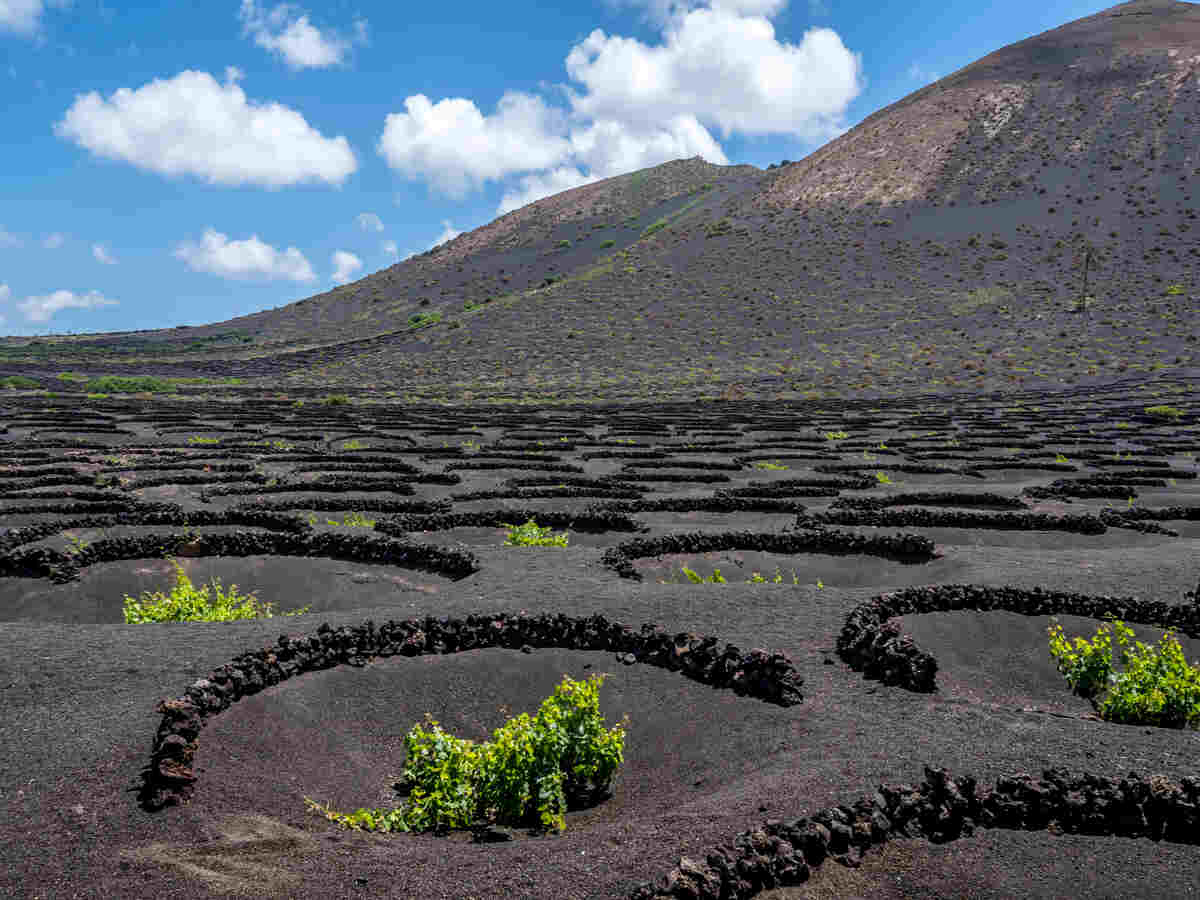
The natural protection of tourists in the Canary Islands and Galicia and the effective management of tourists in these areas characterize sustainable tourism promoted in Spain. Spain is now experiencing a new era of tourism development in which various tourist locations in Spain practice sustainable tourism development through the natural protection of tourists and the advancement of technology in the management of tourists. The Spanish tourist destinations are making changes in tourism through the protection of the natural environment and the effective management of tourists.
The shift comes under Spain’s Sustainable Tourism Strategy 2030, which focuses on building a tourism model that balances economic growth with environmental responsibility, local community benefits and long-term destination resilience.
Rather than depending only on increasing visitor numbers, Spain is focusing on quality tourism, year-round travel, sustainable infrastructure, protected landscapes and improved visitor distribution. Popular destinations and emerging regions are adopting new measures to manage tourism pressure and safeguard their unique identities.
Spain’s Sustainable Tourism Vision Moves Beyond Mass Travel
Spain remains one of the world’s leading tourism destinations, but rising visitor demand has increased the need for stronger destination management. The country’s sustainable tourism approach aims to ensure that tourism growth does not negatively affect ecosystems, communities or cultural heritage.
Advertisement
Advertisement
The strategy encourages destinations to:
- Protect natural landscapes and biodiversity.
- Reduce environmental pressure in popular areas.
- Promote rural and inland tourism.
- Improve energy and water efficiency.
- Introduce digital tools for visitor management.
- Support local businesses and communities.
The focus is shifting towards a tourism model where destinations become more resilient, competitive and environmentally responsible.
Advertisement
Advertisement
Canary Islands Steps Up With Coastal Protection And Island Sustainability
The Canary Islands are among Spain’s most important tourism destinations and are strengthening sustainability measures to protect their fragile island ecosystems.
The archipelago is focusing on balancing tourism demand with environmental conservation. The islands contain volcanic landscapes, protected natural areas, marine ecosystems and unique biodiversity, making sustainable management essential.
Advertisement
Advertisement
How Canary Islands Are Boosting Sustainable Tourism
The region is supporting:
- Protection of coastal landscapes.
- Conservation of marine environments.
- Responsible nature tourism.
- Renewable energy development.
- Sustainable accommodation practices.
- Better management of visitor flows.
The islands are also improving tourism planning around protected areas. Destinations such as Tenerife, Lanzarote, Gran Canaria and La Palma are promoting nature-based experiences while protecting sensitive ecosystems.
Tenerife’s Teide National Park, Lanzarote’s volcanic landscapes and Gran Canaria’s biosphere areas represent the type of natural attractions Spain wants to protect while continuing to welcome visitors.
Galicia Builds Sustainable Coastal And Cultural Tourism
Galicia is becoming another major destination in Spain’s sustainable tourism transformation.
Advertisement
Advertisement
Located in north-western Spain, Galicia is using its Atlantic coastline, cultural heritage and rural landscapes to develop responsible tourism experiences.
The region is strengthening:
- Coastal conservation.
- Nature tourism.
- Walking routes.
- Rural tourism.
- Gastronomy experiences.
- Cultural heritage protection.
The famous Camino de Santiago is also central to Galicia’s tourism strategy, with greater attention being placed on managing visitor numbers while protecting local communities and historic routes.
The Atlantic Islands of Galicia National Park demonstrates how visitor management can support conservation. Access restrictions, visitor permissions and environmental rules are used to protect fragile island ecosystems while allowing tourism.
Balearic Islands Focus On Visitor Management And Environmental Balance
The Balearic Islands are strengthening sustainability measures after years of strong tourism growth.
The islands, including Mallorca, Ibiza, Menorca and Formentera, are focusing on reducing pressure on natural resources and improving tourism quality.
Advertisement
Advertisement
Key measures include:
- Better visitor distribution.
- Protection of beaches and marine areas.
- Sustainable hotel operations.
- Water conservation.
- Energy efficiency improvements.
- Promotion of off-season tourism.
The objective is to create a tourism system where visitors continue enjoying the islands while ecosystems and local communities receive stronger protection.
Asturias Promotes Nature Tourism And Rural Experiences
Asturias is positioning itself as a nature-focused destination within Spain’s sustainable tourism expansion.
The northern region is attracting visitors through:
- Mountains.
- Forests.
- Rural villages.
- Protected landscapes.
- Outdoor activities.
Asturias is promoting slower forms of travel, including hiking, cultural tourism and local food experiences.
By encouraging visitors to explore rural areas, the region supports local economies while reducing pressure on traditional coastal destinations.
Advertisement
Advertisement
Basque Country Combines Smart Tourism With Sustainability
The Basque Country is developing a tourism model based on technology, culture and responsible growth.
The region is focusing on:
- Smart destination technology.
- Sustainable mobility.
- Cultural preservation.
- Local gastronomy.
- Digital visitor services.
Cities such as Bilbao have demonstrated how urban regeneration can combine tourism development with improved public spaces and cultural investment.
Digital tools help destinations understand visitor movement and improve tourism planning.
Castilla-La Mancha Expands Rural Sustainable Tourism
Castilla-La Mancha is supporting Spain’s goal of spreading tourism benefits beyond traditional hotspots.
The region is developing:
Advertisement
Advertisement
- Rural tourism.
- Wine tourism.
- Heritage routes.
- Nature experiences.
- Local cultural activities.
With historic towns, landscapes and traditional communities, Castilla-La Mancha offers Spain an opportunity to promote lower-impact tourism experiences.
Castilla y León Protects Heritage Through Responsible Travel
Castilla y León is strengthening sustainable tourism through its historic cities, monuments and natural areas.
The region is focusing on:
- Heritage conservation.
- Cultural tourism.
- Rural development.
- Nature-based experiences.
Historic destinations are being managed with greater attention to preservation, ensuring tourism supports local communities without damaging cultural assets.
Extremadura Builds Eco Tourism Around Nature And Wildlife
Extremadura is becoming an important destination for travellers seeking authentic nature experiences.
The region promotes:
Advertisement
Advertisement
- Birdwatching tourism.
- Protected landscapes.
- Rural accommodation.
- Traditional cuisine.
- Heritage exploration.
Its approach supports biodiversity protection while creating economic opportunities for smaller communities.
Navarra Strengthens Sustainable Adventure Tourism
Navarra is developing sustainable tourism through outdoor experiences and protected environments.
The region promotes:
- Hiking routes.
- Nature activities.
- Rural stays.
- Cultural tourism.
- Responsible adventure travel.
Navarra’s approach aligns with Spain’s wider plan to encourage visitors to explore lesser-known destinations.
Madrid Develops Smart Sustainable Urban Tourism
Madrid is applying sustainable tourism principles through digital innovation and improved visitor services.
The capital is focusing on:
Advertisement
Advertisement
- Smart tourism solutions.
- Sustainable transport.
- Cultural tourism management.
- Digital information systems.
Technology is helping Madrid improve how visitors experience the city while managing tourism demand.
Key Spanish Destinations Driving Sustainable Tourism Transformation
| Destination | Sustainable Tourism Focus | Main Measures |
|---|---|---|
| Canary Islands | Coastal and island protection | Marine conservation, renewable energy, visitor management |
| Galicia | Atlantic and cultural tourism | Coastal protection, Camino management, rural tourism |
| Balearic Islands | Tourism balance | Beach protection, water management, sustainable hotels |
| Asturias | Nature tourism | Protected landscapes, rural experiences |
| Basque Country | Smart tourism | Digital tools, sustainable mobility |
| Castilla-La Mancha | Rural tourism | Heritage, wine tourism, local experiences |
| Castilla y León | Cultural preservation | Historic sites, nature tourism |
| Extremadura | Eco tourism | Wildlife, biodiversity, rural travel |
| Navarra | Adventure tourism | Hiking, nature protection |
| Madrid | Smart city tourism | Digital services, sustainable transport |
Digital Innovation Becomes A Major Driver Of Spain Tourism Future
Technology is playing a central role in Spain’s sustainable tourism transformation.
Smart destination systems are helping regions:
- Monitor visitor movement.
- Improve public services.
- Reduce overcrowding.
- Provide digital information.
- Support tourism businesses.
Spain’s digital tourism approach aims to make destinations more efficient while improving traveller experiences.
Spain’s 2030 Tourism Future Focuses On Balance
Spain’s sustainable tourism transformation is creating a new direction for the country’s travel industry.
From the Canary Islands’ coastal protection efforts to Galicia’s controlled nature tourism and the rural development plans of inland regions, destinations are adopting strategies that protect resources while encouraging responsible travel.
Advertisement
Advertisement
The future of Spanish tourism is increasingly based on environmental protection, visitor management, digital innovation and stronger community participation.
Tourism sustainability becomes a part of Spanish policy due to the adoption of coastal protection and smart traveler management in places like Canary Islands and Galicia.
In 2030, Spain wants to have a tourist model in which people would visit different areas and the natural heritage will stay untouched for future generations.
Advertisement
