
Saudi Arabia Boosts Religious Tourism as Makkah Grand Mosque Elevates Pilgrim Journeys With Advanced Lighting

Published
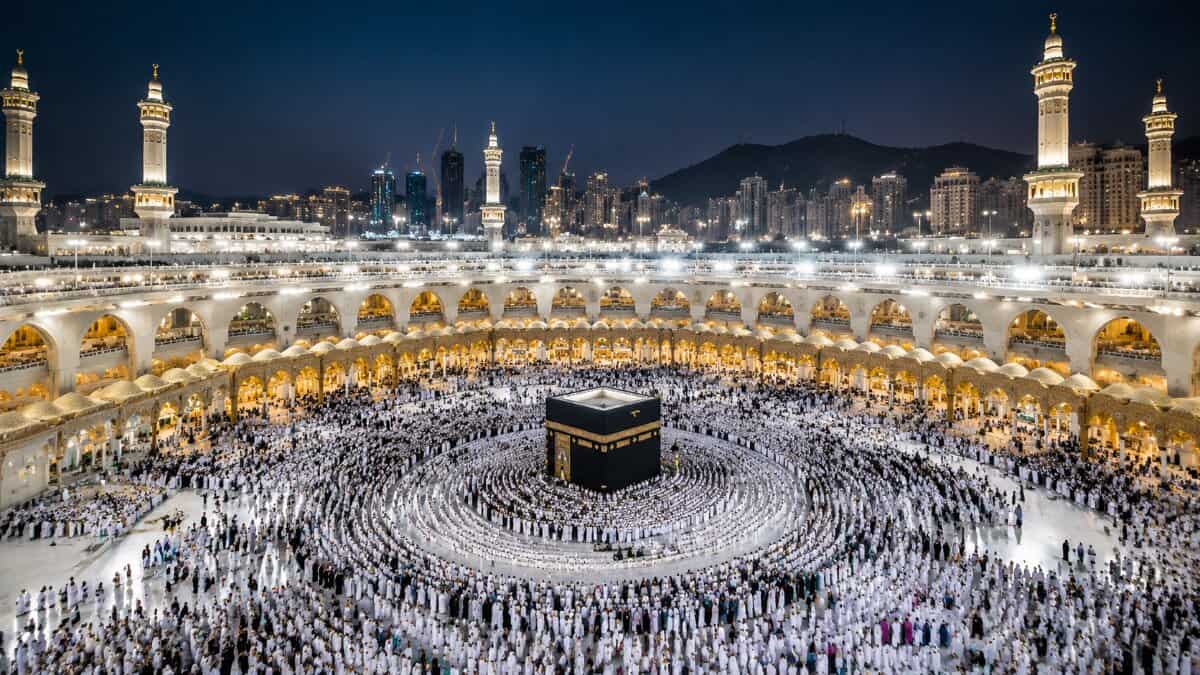
Image generated with Ai
Saudi Arabia’s Makkah Grand Mosque is strengthening its position as a global religious tourism destination through one of the world’s most extensive mosque lighting systems, featuring more than 120,000 lighting units and around 6,900 large chandeliers across courtyards, roofs, minarets and expansion areas. The latest travel angle is not only the scale of the illumination but how advanced lighting technology supports millions of international pilgrims by improving visibility, architectural appreciation, movement safety and the overall Umrah and Hajj visitor experience.
Saudi Arabia’s Religious Tourism Infrastructure Moves Beyond Capacity Towards Visitor Experience
Saudi Arabia’s Makkah Grand Mosque is increasingly being viewed through the lens of destination experience rather than only religious significance. For international pilgrims, the journey now includes a combination of spiritual access, operational efficiency, architectural preservation and technology-supported services.
Advertisement
Advertisement
The lighting infrastructure at Masjid al-Haram represents a major part of this wider visitor-focused approach. According to the General Authority for the Care of the Grand Mosque and the Prophet’s Mosque, the Grand Mosque contains more than 120,000 lighting units distributed across its courtyards, roof areas, minarets and expansion sections. The authority has also confirmed the presence of approximately 6,900 large chandeliers, alongside more than 500 chandeliers, lanterns and lamps of different designs and sizes.
For travel operators, pilgrimage planners and international visitors, the development highlights how religious destinations are investing in infrastructure that shapes the complete traveller journey. Lighting is no longer only a functional requirement. It has become part of visitor comfort, heritage presentation and crowd management.
Advertisement
Advertisement
Key Lighting Infrastructure Details at Masjid al-Haram
| Feature | Official Information |
|---|---|
| Location | Masjid al-Haram, Makkah, Saudi Arabia |
| Total lighting units | More than 120,000 |
| Large chandeliers | Approximately 6,900 |
| Additional chandelier, lantern and lamp designs | More than 500 varieties |
| Lighting technology | Energy-efficient LED systems |
| Control system | Dedicated control station and smart management technologies |
| Coverage areas | Courtyards, roof, minarets and expansion areas |
Source: General Authority for the Care of the Grand Mosque and the Prophet’s Mosque via Saudi Press Agency.
Why Makkah’s Lighting Network Matters for Global Pilgrimage Travel
The new tourism-focused angle surrounding the lighting system is its direct connection with the visitor experience.
Advertisement
Advertisement
Millions of Muslims travel annually to Makkah for Umrah and Hajj. These journeys involve worshippers from diverse regions, age groups and accessibility requirements. Large-scale infrastructure therefore plays a critical role in ensuring that visitors can navigate the site comfortably throughout different times of the day.
The Grand Mosque operates continuously, with worshippers arriving during daytime, evening and overnight periods. A carefully designed lighting environment supports movement across major areas, including prayer spaces, circulation routes and open courtyards.
According to Saudi official information, the lighting units are connected to a dedicated control station using modern lighting and control technologies. The system allows management of lighting intensity and distribution while maintaining the architectural character of the mosque.
For travel agencies specialising in religious tourism, this represents a wider shift in pilgrimage infrastructure. Destinations are increasingly focusing on:
- visitor comfort
- accessibility
- operational reliability
- heritage presentation
- technology-enabled management
Smart Infrastructure Creates A More Seamless Umrah and Hajj Visitor Journey
The biggest travel industry relevance comes from the integration of lighting with wider operational systems at the holy site.
The General Authority for the Care of the Grand Mosque and the Prophet’s Mosque has highlighted that modern operational services at the Two Holy Mosques include integrated systems covering lighting, crowd management, smart maintenance and other visitor-support functions.
Advertisement
Advertisement
The authority has reported that the Grand Mosque uses a Building Management System (BMS) linking operational technologies. According to the Saudi Press Agency, lighting intensity can be managed through smart control systems based on operational requirements, including prayer times and crowd density considerations.
Visitor Experience Impact
| Tourism Factor | Impact for Travellers |
|---|---|
| Night-time visibility | Supports safer movement after sunset |
| Architectural lighting | Enhances appreciation of Islamic design elements |
| Smart control systems | Helps manage large visitor flows |
| LED technology | Improves energy efficiency |
| Continuous maintenance | Supports year-round pilgrimage operations |
The Hidden Tourism Value: Preserving Heritage Through Modern Technology
A significant aspect of the lighting project is the balance between modern infrastructure and historical identity.
The chandeliers, lanterns and lamps installed at Masjid al-Haram are designed to complement the mosque’s architectural style. Saudi authorities have stated that many lighting elements feature Islamic-inspired decorative designs, with some incorporating artistic calligraphy.
This creates a unique destination experience for visitors. Unlike conventional public lighting projects, the system combines engineering performance with cultural presentation.
The lighting network therefore supports two tourism priorities:
- Maintaining operational efficiency for millions of pilgrims.
- Protecting and presenting the visual identity of one of Islam’s most important heritage locations.
For destination managers worldwide, Makkah provides an example of how technology investment can strengthen cultural tourism without separating infrastructure from heritage.
Advertisement
Advertisement
Engineering Scale Behind Makkah’s Advanced Lighting System
The scale of the lighting system requires specialised engineering and continuous maintenance.
Saudi official information states that many chandeliers, lanterns and lamps operate through LED-based energy-efficient systems. Some chandeliers are manufactured using stainless steel coated with gold, with designs created to match the mosque’s architectural environment.
The authority has also highlighted ongoing maintenance programmes covering polishing, inspections and operational checks to ensure lighting reliability.
Technical Overview
| Engineering Element | Details |
|---|---|
| Lighting source | LED energy-efficient systems |
| Chandelier construction | Stainless steel with gold coating |
| Chandelier weight | Approximately 280 kilograms |
| Protective coating | Lacquer protection against scratches and impacts |
| Maintenance approach | Regular inspection and operational servicing |
Saudi Arabia’s Broader Religious Tourism Strategy
The lighting development fits into Saudi Arabia’s wider investment in religious tourism infrastructure.
Makkah remains one of the world’s most significant pilgrimage destinations, attracting international visitors through Hajj and Umrah travel programmes. The Kingdom has continued expanding services around accommodation, transportation, visitor management and digital systems to improve the pilgrimage ecosystem.
The lighting project demonstrates how destination infrastructure can influence traveller perception. While pilgrims primarily visit for religious purposes, the quality of facilities affects accessibility, comfort and overall satisfaction.
Advertisement
Advertisement
For global travel operators, this means pilgrimage tourism is increasingly connected with destination management standards similar to other major international tourism hubs.
What Travel Agents and Tour Operators Need To Know
- Saudi Arabia’s Makkah Grand Mosque continues operating with large-scale infrastructure designed for millions of worshippers and visitors.
- The lighting system includes more than 120,000 units and approximately 6,900 large chandeliers according to Saudi official sources.
- Religious tourism packages should consider visitor movement patterns, especially during peak Umrah and Hajj periods.
- Tour operators should communicate that mosque infrastructure improvements are designed to support comfort, safety and accessibility.
- Pilgrimage itineraries should account for operational conditions, crowd density and seasonal demand.
- Travel companies should rely on official Saudi pilgrimage regulations and guidance when preparing visitor programmes.
Long-Term Outlook: Technology Becomes A Core Part of Religious Travel Development
The transformation of Masjid al-Haram’s lighting system shows how religious tourism destinations are evolving through advanced infrastructure. The future of pilgrimage travel will increasingly depend not only on access but also on how destinations manage comfort, safety, heritage presentation and visitor services.
Saudi Arabia’s investment in Makkah demonstrates a wider global trend where major religious and cultural destinations are combining technology with preservation. For international travellers, this means future pilgrimage experiences will increasingly be shaped by smart systems operating behind the scenes.
The lighting network at Masjid al-Haram is therefore more than an illumination project. It represents a strategic tourism infrastructure investment supporting one of the world’s most important visitor destinations.
Advertisement
