
Georgia Expands Digital Travel Innovation With Smart Border Systems Across a Growing Europe and Asia Corridor

Published
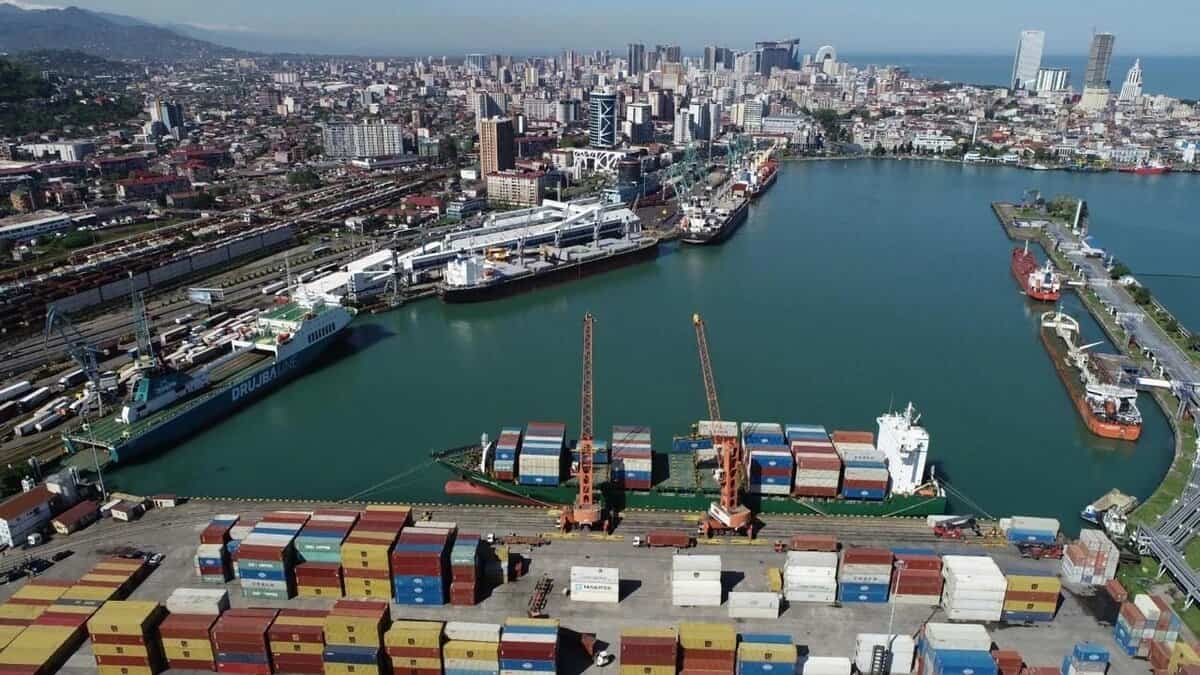
Georgia is strengthening its position as a Europe–Asia mobility bridge through digital customs services, electronic clearance platforms, transport data integration and maritime technology systems. The country’s latest travel technology relevance comes from building a connected border ecosystem rather than introducing a single new border device. The transformation links key mobility hubs including Tbilisi and Batumi, supporting smoother movement across air, land, rail and maritime networks while creating a case study for future smart border development.
Georgia Builds a Digital Border Ecosystem Beyond Traditional Checkpoints
Georgia’s travel technology transformation is moving beyond physical border checkpoints and towards a wider digital mobility framework designed to improve efficiency across international transport networks.
Advertisement
Advertisement
The country’s strategic location between Europe and Asia has made border efficiency a major priority. As part of this development, Georgia has expanded digital customs services, automated clearance procedures and electronic information systems that support faster movement of goods and improve coordination between government agencies.
For international travellers, tour operators and travel businesses, this evolution represents a broader shift towards frictionless mobility. While the current systems are primarily focused on transport, customs and trade facilitation, they form part of the same digital infrastructure direction that is reshaping global travel experiences.
Advertisement
Advertisement
Georgia’s Revenue Service has continued expanding electronic customs services through platforms such as eCustoms and remote service channels. The agency’s customs development programme highlights the introduction of electronic applications, digital procedures and improved access to automated systems.
The development creates a new editorial angle for travel technology coverage: Georgia is not simply upgrading borders; it is developing a connected mobility environment where digital systems support movement across multiple transport modes.
Advertisement
Advertisement
Tbilisi and Batumi Become Key Nodes in Georgia’s Digital Mobility Strategy
Tbilisi and Batumi represent two important locations in Georgia’s evolving mobility network.
Tbilisi, as the national capital and a major transport coordination centre, plays a central role in administrative, aviation and logistics connectivity. Batumi, located on the Black Sea coast, is increasingly significant because of its maritime position and connection to regional transport routes.
Advertisement
Advertisement
The connection between these cities highlights how Georgia’s digital infrastructure is extending across different travel ecosystems:
| Location | Strategic role | Digital mobility relevance |
|---|---|---|
| Tbilisi | Political, administrative and transport hub | Coordination of national digital services, travel administration and connectivity |
| Batumi | Black Sea maritime gateway | Digital port systems and maritime transport integration |
| Georgian border checkpoints | International entry and exit points | Customs processing and border service management |
Georgia’s State Services Development Agency lists international border checkpoints connecting the country with neighbouring states including Türkiye, Armenia and Azerbaijan, showing the importance of efficient border management across multiple routes.
The emerging model is particularly relevant for travel companies because future mobility competitiveness will increasingly depend on how effectively destinations connect airports, ports, roads, railways and border systems through shared digital platforms.
Digital Customs Technology Creates Faster Cross-Border Processing
One of Georgia’s most advanced travel-related technology developments is the expansion of digital customs infrastructure.
Advertisement
Advertisement
The Georgian Revenue Service has developed electronic customs procedures that allow businesses to complete several processes remotely. The country’s e-customs environment supports electronic applications, automated data exchange and online access to customs-related services.
The 2024 Customs Services Development Report identified progress in electronic services, including online applications for Authorised Economic Operator status and digital access to the New Computerised Transit System procedures.
| Digital customs development | Travel and mobility impact |
|---|---|
| Electronic customs applications | Reduces dependence on paper-based procedures |
| Automated customs systems | Improves processing efficiency |
| Remote service channels | Allows businesses to manage procedures digitally |
| Electronic document exchange | Supports smoother international movement |
Although these systems primarily support commercial transport, the same digital principles are increasingly influencing passenger travel. Modern border ecosystems globally are moving towards integrated identity checks, electronic documentation and automated decision-making.
For tour operators handling regional itineraries across the Caucasus and wider Eurasian routes, Georgia’s progress signals a future where border efficiency becomes a major destination competitiveness factor.
Batumi’s Maritime Technology Expansion Strengthens Black Sea Connectivity
Georgia’s digital mobility strategy also extends to maritime transport through Batumi and other Black Sea facilities.
The Maritime Transport Agency of Georgia identifies the National Maritime Single Window system and digital port initiatives as important projects supporting the country’s transport potential and integration into international corridors.
Advertisement
Advertisement
A maritime single-window system allows electronic submission, processing and exchange of operational information between relevant authorities and maritime stakeholders. Georgia’s maritime legislation also recognises such systems as technical platforms designed to support electronic communication and information management.
| Maritime technology initiative | Strategic importance |
|---|---|
| National Maritime Single Window | Digital communication between maritime stakeholders and authorities |
| Digital port systems | Improved operational coordination |
| Electronic information exchange | Supports international transport efficiency |
For cruise operators, maritime businesses and coastal tourism stakeholders, these systems could become increasingly important as Black Sea connectivity develops.
Europe–Asia Middle Corridor Increases Demand for Smart Border Solutions
Georgia’s digital infrastructure development is closely connected with its role in the Middle Corridor, also known as the Trans-Caspian International Transport Route.
The corridor links Central Asia with Europe through routes passing across the Caspian Sea, Azerbaijan, Georgia and Türkiye. Georgia’s location gives it strategic importance as a bridge between different transport regions.
The growing importance of this route increases pressure for faster border procedures, better information sharing and integrated transport systems.
The future of international mobility will not depend only on physical infrastructure such as roads, airports and ports. Digital coordination between these assets will increasingly determine how efficiently travellers, operators and businesses can move.
Advertisement
Advertisement
Georgia’s approach provides a regional example of how smaller transit economies can use technology to improve their position in global mobility networks.
What Georgia’s Digital Border Development Means for Travellers and Travel Businesses
The immediate impact for leisure travellers is not a new entry requirement or a replacement of passport checks. Instead, the significance lies in improving the wider travel environment.
Travel companies monitoring Georgia should focus on operational improvements rather than expecting an instant border revolution.
Potential long-term benefits include:
| Area | Possible travel industry relevance |
|---|---|
| Border efficiency | Smoother movement through international gateways |
| Digital documentation | Reduced administrative complexity |
| Transport coordination | Better connections between different travel modes |
| Regional routes | Stronger Europe–Asia travel possibilities |
Georgia’s existing electronic visa platform also demonstrates the country’s broader move towards digital traveller services, allowing eligible visitors to submit applications through an online system.
Operational Takeaways for Travel Agents and Tour Operators
- Monitor Georgia’s digital border and customs developments as part of future regional itinerary planning.
- Consider Tbilisi and Batumi as important mobility hubs when designing Caucasus travel products.
- Track official updates from Georgia’s Revenue Service, Maritime Transport Agency and border authorities.
- Prepare clients for increasing digitalisation of international travel processes.
- Review transit routes involving Georgia, Türkiye, Azerbaijan and Central Asia as digital connectivity improves.
- Avoid presenting Georgia’s developments as a biometric border replacement unless officially announced.
Long-Term Impact of Georgia’s Digital Mobility Transformation
Georgia’s border technology journey represents a broader global shift towards connected travel ecosystems. The future of mobility will increasingly depend on how effectively countries integrate digital customs, transport information systems and traveller services.
Advertisement
Advertisement
The country’s investment in electronic customs, maritime digital platforms and transport coordination strengthens its role as a bridge between Europe and Asia. For the travel sector, the significance lies in the gradual creation of a more connected and efficient movement network.
Rather than a single technology launch, Georgia’s transformation demonstrates how digital infrastructure can become a foundation for tourism competitiveness, regional connectivity and next-generation travel experiences.
Advertisement
